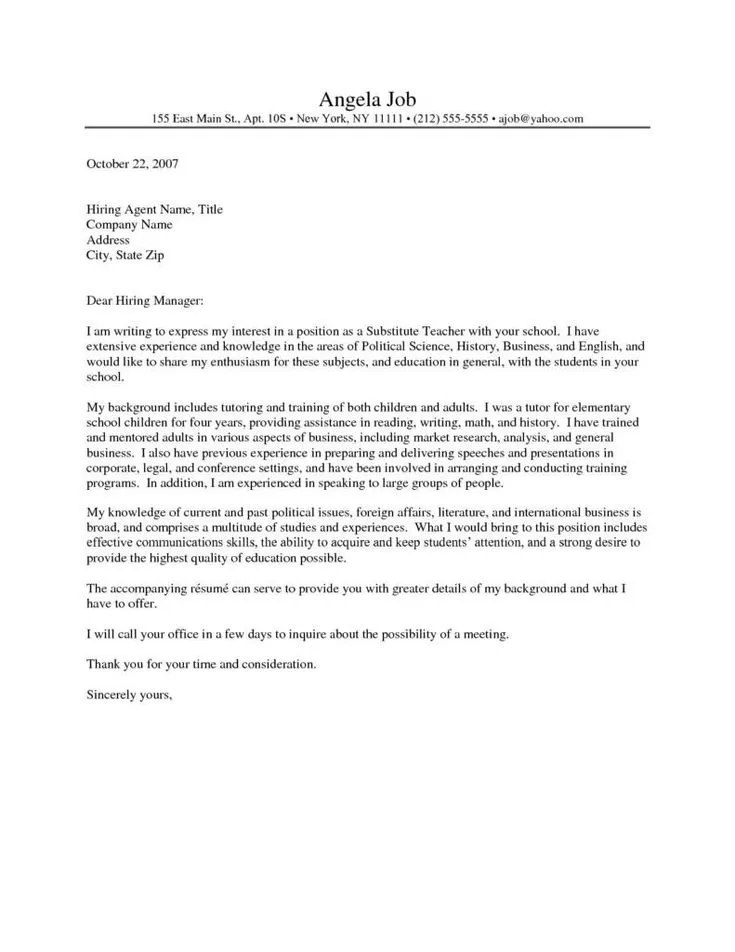
Understanding the Assistant Teacher Role
Before you start crafting your cover letter, it’s crucial to understand the role of an assistant teacher. This position often involves supporting the lead teacher in various classroom activities, helping with student supervision, preparing learning materials, and assisting with administrative tasks. The specific responsibilities can vary depending on the school and the grade level. Having a clear understanding of these duties will help you tailor your cover letter to the specific requirements of the job and highlight the skills that are most relevant. Researching the school’s mission and values can further refine your understanding of the role and help you align your application with their needs. Knowing the day-to-day tasks of an assistant teacher enables you to address your strengths and experiences more effectively, even if you have no prior teaching experience. Consider the age group you wish to work with, as this will also shape how you present your skills.
Key Responsibilities of an Assistant Teacher
Assistant teachers are vital in creating a positive and productive learning environment. Some of their key responsibilities include helping teachers with lesson preparation, such as gathering materials and setting up activities, supervising students during class and breaks, providing one-on-one or small group support to students who need extra help, assisting with classroom management and maintaining a tidy classroom, and communicating with parents or guardians under the direction of the lead teacher. They also play a crucial role in fostering a supportive and engaging classroom atmosphere. Being aware of these responsibilities can help you choose the right words to convey your skills and how you see yourself in the role. For example, you might emphasize your organizational skills, your ability to work with children, or your patience and communication skills. Tailoring your cover letter to the job description is key, highlighting the skills most valued by the specific school.
Why a Cover Letter is Essential

A cover letter is more than just a formality; it’s your first opportunity to make a strong impression on the hiring manager. It provides you with a chance to showcase your personality, express your enthusiasm, and explain why you’re the perfect fit for the role. It allows you to connect your skills and experiences to the specific requirements of the job. While your resume lists your qualifications, the cover letter provides context. It helps you to expand upon the experiences listed in your resume, explaining the skills you developed and what you learned. This is especially important when you have no direct teaching experience. The cover letter lets you elaborate on your transferable skills from other settings, like volunteer work, internships, or other jobs. It’s your chance to show you understand the school’s values and the challenges the role may present.
Highlighting Transferable Skills
When you lack direct experience, transferable skills become your greatest assets. These are skills you’ve gained in other roles that can be applied to the assistant teacher position. Consider skills such as communication, organization, time management, problem-solving, and interpersonal skills. If you’ve worked in customer service, highlight your ability to communicate effectively and handle challenging situations. If you have experience in a leadership role, emphasize your ability to guide and support others. Volunteering, babysitting, or mentoring experiences can also provide valuable examples of your ability to work with children. By identifying and articulating these skills, you can demonstrate your potential and make a compelling case for why you are a good fit. Providing concrete examples of how you’ve used these skills in the past strengthens your application and shows the hiring manager you’re capable of learning.
Identifying Your Strengths
Reflect on your personal strengths and consider how they align with the needs of an assistant teacher. Are you patient, empathetic, and able to connect with children? Are you highly organized, detail-oriented, and good at multitasking? Are you creative, enthusiastic, and able to make learning fun? Write down a list of your strengths and provide examples of how you have demonstrated these qualities in the past. These examples don’t have to be from a classroom setting. If you are detail-oriented from a previous job, explain how this helped you complete tasks efficiently. If you have strong communication skills from a volunteering experience, describe how this allowed you to connect with individuals. Identifying your strengths provides the hiring manager with insight into your personality and capabilities, helping them determine if you would be a good fit for their school.
Creating a Strong Opening

The opening of your cover letter is crucial; it sets the tone for the rest of your application. Start by clearly stating the position you are applying for and how you learned about it. If someone referred you, mention their name to create an immediate connection. Then, immediately capture the reader’s attention by expressing your enthusiasm for the role. State why you are interested in the position and what makes you a good fit. Avoid generic phrases. Instead, be specific and personal. For example, instead of saying “I am interested in this position,” you could say, “I am excited about the opportunity to support young learners.” Your opening should reflect your personality and highlight your passion for education. Research the school to determine the opening that resonates most with the school’s values. A well-crafted opening grabs the reader’s attention and encourages them to continue reading.
Expressing Enthusiasm and Passion
Your passion for working with children is a crucial element in your cover letter, as enthusiasm can compensate for a lack of experience. Show your genuine interest in education and your commitment to helping children learn and grow. Mention specific aspects of the school or the role that excite you. Are you drawn to the school’s focus on creativity, its commitment to inclusivity, or the opportunity to work with a particular age group? Express your excitement for contributing to a positive learning environment. It’s important to show the hiring manager that you are not only interested in a job but in the school itself. You may also express your willingness to learn and grow in the position. For example, you may describe your eagerness to develop your skills and your commitment to further education.
Showcasing Relevant Skills
Carefully review the job description and identify the skills and qualifications that the school values. Then, use your cover letter to demonstrate how your skills and experiences align with those requirements. Give specific examples to support your claims. If the job description mentions a need for strong communication skills, describe a situation where you successfully communicated with children, parents, or colleagues. If the school emphasizes teamwork, share an experience where you worked collaboratively toward a common goal. Quantify your accomplishments whenever possible. For example, if you helped organize a successful event, provide details on how many people attended or how much money was raised. Highlighting relevant skills shows the hiring manager that you understand the job requirements and that you have the potential to succeed in the role.
Tailoring Your Letter to the School

A generic cover letter is a missed opportunity. Tailor your letter to each school and role to demonstrate your genuine interest and commitment. Research the school’s mission, values, and programs. Visit their website, read their social media posts, and look for any news or initiatives that resonate with you. Mention the school’s specific qualities in your cover letter. Refer to its programs, values, or the school’s particular approach to education. Explain why you are attracted to this specific school and how your skills and experiences align with its mission. Customizing your letter shows that you have taken the time to learn about the school, and that you are truly invested in joining their community. This personalization makes your application more memorable and increases your chances of getting an interview.
Closing Your Letter Effectively
Your closing should be concise, professional, and leave a positive impression. Reiterate your interest in the position and express your gratitude for the hiring manager’s time and consideration. Include a call to action, such as expressing your availability for an interview and providing your contact information. Thank the reader once again. Avoid generic phrases like “I look forward to hearing from you.” Instead, consider a more proactive statement, such as, “I am eager to discuss my qualifications further and can be reached at [phone number] or [email address].” Proofread the closing carefully to avoid any errors or typos. Your closing should leave a lasting impression, highlighting your professionalism and your genuine interest in the role.
Proofreading and Formatting
Before you submit your cover letter, meticulously proofread it for any errors in grammar, spelling, and punctuation. Errors can undermine your credibility, so take the time to review your work carefully. Ask a friend, family member, or career counselor to read your letter and provide feedback. Pay attention to formatting, making sure your letter is easy to read. Use a professional font, such as Times New Roman or Arial, and ensure that your text is well-organized with clear paragraphs and headings. Maintain a consistent font size and spacing. Your cover letter should be visually appealing and easy to navigate. A well-formatted and error-free cover letter shows attention to detail and professionalism, increasing your chances of making a positive impression on the hiring manager. This final step ensures that your cover letter reflects the best version of your qualifications.