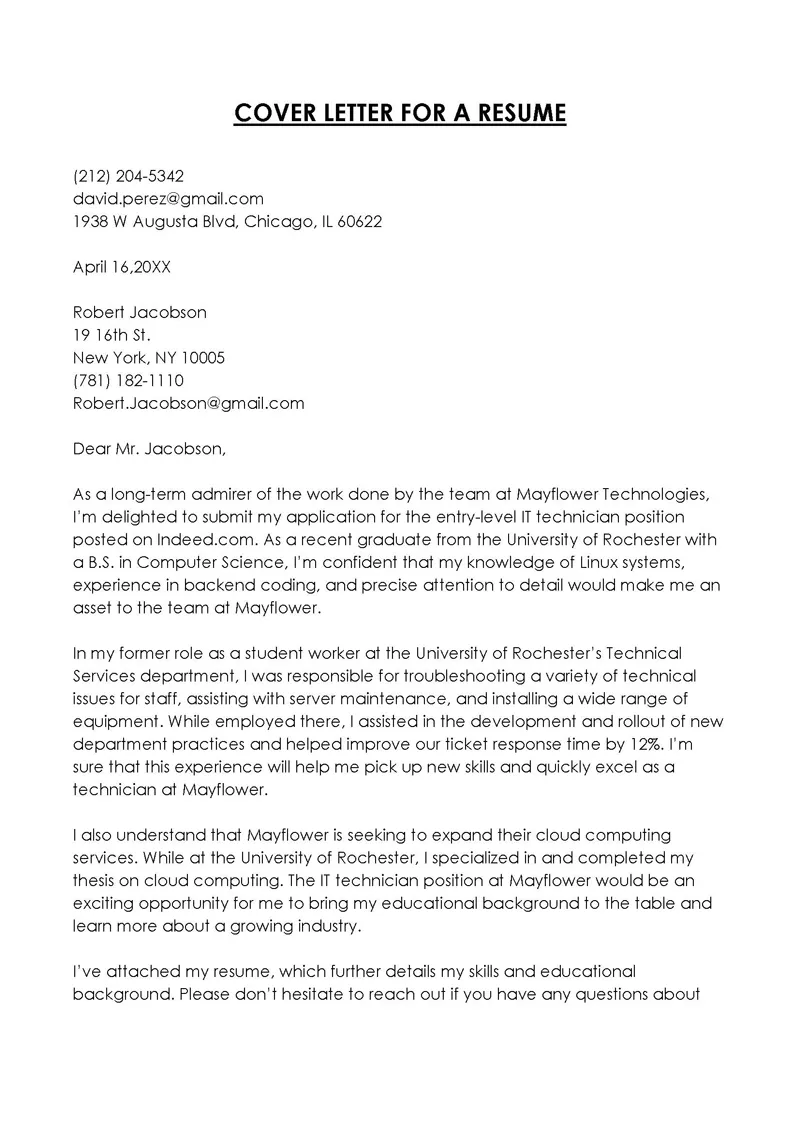
In today’s competitive job market, a well-crafted resume and cover letter are your most powerful tools to land your dream job. These documents serve as your first impression, showcasing your skills, experience, and personality to potential employers. This comprehensive guide will walk you through everything you need to know to create the best resume and cover letter in 2024, maximizing your chances of getting hired. From understanding the core components to avoiding common pitfalls, we’ll cover all the essential elements to help you stand out from the competition. By following these guidelines, you’ll be well-equipped to present yourself in the best possible light and make a lasting impression on hiring managers.
Why Your Resume & Cover Letter Matter
Your resume and cover letter are more than just documents; they are your personal marketing materials. They represent your skills, experiences, and potential to an employer. A strong resume and cover letter can open doors to interviews and job offers, while a weak one can lead to instant rejection. These documents are the first point of contact with a potential employer and often determine whether your application even gets a second look. They must be carefully crafted to capture attention, highlight your value, and persuade the reader that you are the right candidate for the job.
The Power of a Strong First Impression
First impressions matter, and in the realm of job applications, your resume and cover letter are your opening statements. Recruiters and hiring managers often spend only a few seconds initially reviewing each application. A well-formatted, easy-to-read, and compelling resume immediately grabs their attention. Your cover letter adds a personal touch, allowing you to expand on your qualifications and express your enthusiasm for the role. A strong first impression significantly increases your chances of moving forward in the hiring process. Therefore, it’s crucial to make every word count and present a professional image.
What Recruiters Look For

Recruiters look for specific information to assess a candidate’s suitability for a role. They scan for relevant skills, experience, and accomplishments that match the job description. They also evaluate your communication skills, attention to detail, and overall professionalism. When crafting your resume and cover letter, focus on highlighting the keywords and requirements listed in the job posting. Tailor your content to demonstrate how your qualifications align with the employer’s needs. Ensure your documents are error-free and easy to read, which reflects positively on your ability to perform in the role.
Resume Essentials Building a Strong Foundation
A well-structured resume is the cornerstone of a successful job application. It must be clear, concise, and easy to navigate. Include essential sections such as contact information, a summary or objective statement, work experience, skills, and education. Choose a clean and professional format that allows recruiters to quickly find the information they need. Regularly update your resume to reflect your latest accomplishments and skills. Use keywords that align with the job descriptions to make your resume ATS-friendly. Remember, your resume is a dynamic document that should evolve with your career.
Contact Information
Your contact information should be placed at the top of your resume for easy access. Include your full name, phone number, professional email address, and optionally, your LinkedIn profile URL. Avoid using unprofessional email addresses. Ensure your phone number is current, and your voicemail is set up to professionally greet callers. Double-check all the details to avoid errors. Make it simple for potential employers to contact you promptly. This ensures they can reach you quickly when they want to learn more about you.
Summary or Objective Statement

A summary statement is a brief overview of your skills, experience, and career goals. Use it to quickly highlight your key qualifications and what you bring to the table. Tailor your summary to match the specific job you are applying for. An objective statement, while less common, clearly states your career aspirations. Use it if you’re changing careers or have limited work experience. Keep these statements concise and focused on the value you offer the employer. Ensure they are easy to read and capture the reader’s attention from the start.
Work Experience
List your work experience in reverse chronological order, starting with your most recent job. Include the job title, company name, dates of employment, and a brief description of your responsibilities and accomplishments. Focus on quantifiable achievements and the results you achieved in each role. Use action verbs to describe your accomplishments and highlight skills relevant to the target job. Provide a concise, impactful overview of your previous roles, showcasing what you have to offer potential employers. Customize the details for each job you apply for.
Highlighting Achievements
Instead of simply listing job duties, focus on your achievements. Use the STAR method (Situation, Task, Action, Result) to describe your accomplishments effectively. Quantify your results whenever possible. For example, instead of saying “Managed social media accounts,” say “Increased social media engagement by 30% in six months.” Highlight projects where you’ve made a significant impact. Showcase how your actions contributed to the success of the company or team. Make sure your results are concise and easy to understand.
Quantifying Your Accomplishments

Whenever possible, use numbers and data to quantify your accomplishments. This provides concrete evidence of your skills and impact. For instance, “Increased sales by 15%” is more compelling than “Improved sales.” Use metrics like percentages, dollar amounts, or other relevant data to demonstrate the value you brought to previous roles. Providing measurable results showcases your ability to deliver results and adds credibility to your claims. This is a key factor that recruiters look for when assessing your application.
Skills Section
Create a dedicated skills section to showcase your abilities. Include both hard and soft skills. Categorize your skills logically. Use keywords from the job description to align with the employer’s needs. Ensure your skills list accurately reflects your abilities. Be specific, and provide context where necessary to elaborate on each skill. Make sure your skills section is easily readable and gives the recruiter a quick overview of your qualifications and skill set. Keep it updated to reflect your continuous development and training.
Hard Skills vs Soft Skills
Hard skills are technical abilities and specific knowledge you’ve gained through education or training, such as coding languages or software proficiency. Soft skills are interpersonal and communication abilities, such as teamwork, leadership, and problem-solving. Highlight a balance of both in your skills section. Match the skills listed in the job description. Soft skills show how you interact with others. Hard skills demonstrate the specific things you can do, and both are essential for success.
Education and Certifications

Include your educational background, including degrees, diplomas, and certifications. List the institution name, degree earned, and dates of attendance or graduation. If you have relevant certifications, list them in a separate section. Include any honors, awards, or relevant coursework. If you have limited work experience, you can emphasize your education. Keep this section concise and easy to understand. This helps employers understand your educational foundation and credentials.
Cover Letter Crafting a Compelling Narrative
A well-written cover letter complements your resume by providing context and personality. It allows you to expand on your qualifications and explain why you are the perfect fit for the role. A compelling cover letter highlights your relevant skills, demonstrates your enthusiasm, and showcases your understanding of the company and the position. It is an opportunity to communicate your unique value proposition and make a connection with the hiring manager.
Personalizing Your Cover Letter
Each cover letter should be tailored to the specific job and company. Avoid generic templates. Research the company and the role to understand their needs and values. Address the hiring manager by name if possible. Show that you understand the company’s mission and the specific requirements of the role. Demonstrating your research shows you care about the position and have an understanding of the company. Personalization makes your application stand out and increases your chances of getting an interview.
Highlighting Relevant Skills and Experience

In your cover letter, select a few key skills and experiences that align directly with the job description. Explain how your qualifications make you a good fit for the position. Provide specific examples of your achievements and the results you have delivered. Use the STAR method to illustrate your skills, demonstrating your ability to tackle challenges. Be sure to highlight the aspects of your resume that demonstrate a direct connection with the requirements of the job.
Formatting and Tone
Your cover letter should follow a professional format with clear headings, paragraphs, and a concise tone. Use a professional font and maintain consistent spacing. The tone of your cover letter should be enthusiastic but professional. Proofread carefully to avoid errors in grammar and spelling. Express your interest in the position and your appreciation for the opportunity. Make sure to convey your enthusiasm for the job. The tone should match the company’s culture.
Tailoring to the Job Description
Carefully review the job description and identify the key skills, experience, and qualifications the employer seeks. Tailor your cover letter to address those specific requirements. Use the same keywords and phrases used in the job posting. Explain how your background makes you a strong candidate, addressing the skills and experience required. Customize the details in your cover letter to highlight your ability to meet the needs of the employer. This targeted approach makes your application more relevant and persuasive.
Resume and Cover Letter Templates and Tools

Using resume and cover letter templates and tools can save time and ensure your documents are professionally formatted. Several online resources offer free and paid templates, as well as tools for creating and formatting your resume and cover letter. These tools provide structure and guidance. However, always customize the template to reflect your skills, experience, and the specific job you are applying for. Ensure the template fits your needs and style. Don’t just use a template; customize it to make your application unique.
Where to Find Templates
Numerous websites offer a wide range of resume and cover letter templates. Some popular options include Microsoft Word, Google Docs, and websites like Canva. These resources offer pre-designed templates that simplify the formatting process. Look for templates that align with your career goals and the industry you are targeting. Choose a template that is easy to customize and allows you to highlight your skills effectively. Make sure the template is visually appealing and easy to read.
Using Online Tools and Resources
Online tools and resources can assist you in creating your resume and cover letter. Resume builders guide you through the process, helping you fill out each section. Some tools also provide suggestions and feedback on your content. Consider using grammar checkers and spell-checkers to eliminate errors. These resources can help you create professional and polished documents. Many websites also offer job-search and career advice, including tips on crafting your resume and cover letter.
Formatting and Design Best Practices
The formatting and design of your resume and cover letter significantly impact their readability and appeal. A well-designed document is easier to read and makes a better impression. Choose a professional font, such as Arial, Calibri, or Times New Roman. Use consistent spacing and margins. Keep your resume to one or two pages. Use headings, bullet points, and white space to break up the text and make the information easier to scan. Ensure your design aligns with the industry standards.
Proofreading and Editing
Proofreading and editing are essential steps in the resume and cover letter writing process. Errors in grammar, spelling, or punctuation can undermine your credibility. Always proofread your documents multiple times. Use grammar and spell-checking tools, but also read your documents aloud to catch errors. Ask a friend or career counselor to review your resume and cover letter. Eliminate any typos or formatting inconsistencies before submitting your application.
Common Mistakes to Avoid
Avoid common mistakes that can hinder your job application. Avoid using generic templates. Avoid spelling errors and grammar mistakes. Don’t include irrelevant information. Be honest about your skills and experience. Don’t use jargon or overly complicated language. Avoid any formatting inconsistencies. Tailor your resume and cover letter to the specific job you are applying for to make your application stand out.
Proofreading Tips and Tricks
To ensure your resume and cover letter are error-free, proofread them carefully. Read your documents multiple times. Print them out and review them on paper. Read your resume and cover letter aloud to catch errors. Use a grammar and spell checker, but do not rely on them entirely. Ask a friend or career counselor to review your documents. Take breaks between proofreading sessions. These strategies improve the accuracy of your application.
Getting Feedback and Revision
Seek feedback from trusted sources before submitting your resume and cover letter. Ask a career counselor, a friend, or a mentor to review your documents. Ask them to provide honest feedback on the content, formatting, and overall presentation. Consider the advice you receive. Be willing to make revisions based on the feedback you get. Revise your resume and cover letter until you are confident that they are error-free, compelling, and tailored to the job. Getting objective feedback can greatly enhance your job application.
Final Touches
Before submitting your resume and cover letter, review them one last time. Ensure all the information is accurate. Make sure your contact details are current. Save your documents in a professional format, such as PDF, unless the job posting specifies otherwise. Tailor your documents to each job you apply for. Customize each cover letter to showcase your interest in the specific role and company. The final touches can increase your chances of getting an interview.
Crafting the best resume and cover letter in 2024 requires attention to detail, strategic content, and a strong understanding of what employers are looking for. By following the guidance outlined in this article, you can create documents that not only capture the attention of hiring managers but also position you as a top candidate for your desired roles. Remember to tailor your resume and cover letter to each job application and continuously update them to reflect your professional growth. Good luck with your job search!