Why Cover Letters Still Matter
In today’s competitive job market, a well-crafted cover letter can be the key to unlocking your dream career. While resumes provide a snapshot of your skills and experience, cover letters offer a unique opportunity to showcase your personality, enthusiasm, and how your qualifications align with the specific job and company. Many job seekers undervalue the cover letter, assuming it’s an outdated formality. However, hiring managers frequently use cover letters to assess a candidate’s communication skills, writing ability, and overall fit for the role. A compelling cover letter can set you apart from the competition, especially when applying for positions where demonstrating strong written communication is essential. Therefore, taking the time to craft a professional and personalized cover letter is an investment in your job search success, one that can significantly improve your chances of landing an interview and ultimately securing your desired position. The cover letter provides a crucial platform to present yourself as more than just a list of accomplishments; it’s where you tell your story and connect with the hiring manager on a deeper level.
Cover Letter Format Essentials
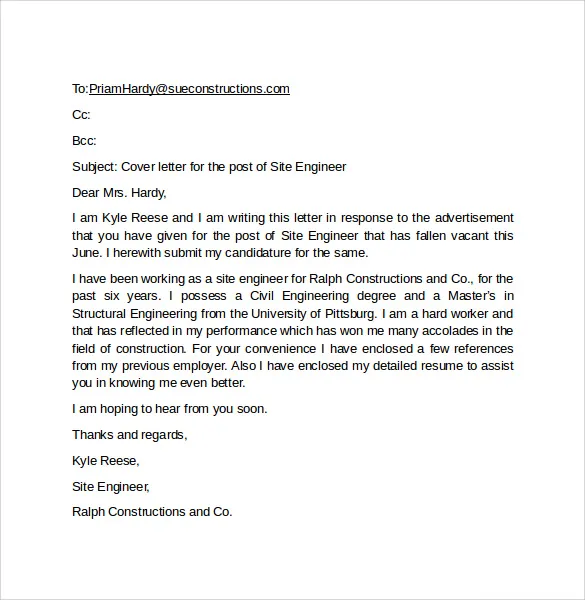
A well-formatted cover letter is crucial for making a positive first impression. Proper formatting ensures readability and demonstrates professionalism. Attention to detail in formatting signals to the hiring manager that you possess the necessary skills for the role. Avoid common formatting pitfalls; a clean, organized cover letter reflects your respect for the reader’s time and your commitment to excellence. This section will cover key elements to ensure a professional look.
Contact Information

Start with your contact information at the top. Include your full name, phone number, email address, and optionally, your LinkedIn profile URL. This information should be easily accessible, allowing the hiring manager to quickly contact you. Ensure the email address is professional; avoid using nicknames or unprofessional handles. Using a consistent format for your contact information across your resume and cover letter reinforces your attention to detail and strengthens your application.
Salutation
The salutation sets the tone for your cover letter. Aim for a personalized greeting whenever possible, such as “Dear Mr./Ms. [Last Name].” Research the hiring manager’s name; it shows initiative and demonstrates your interest in the specific role. If a specific name isn’t available, use a professional alternative like “Dear Hiring Manager” or “Dear [Department Name] Team.” Avoid generic salutations like “To Whom It May Concern,” as they can make your letter seem impersonal.
Body Paragraphs
The body of your cover letter is where you demonstrate your qualifications and interest. Start with a strong opening paragraph that immediately grabs the reader’s attention and states the position you’re applying for. The subsequent paragraphs should highlight your relevant skills and experiences, explaining how they align with the job requirements. Use the STAR method (Situation, Task, Action, Result) to provide concrete examples of your accomplishments and demonstrate your value. Structure your paragraphs logically, keeping them concise and easy to read. Conclude with a call to action, expressing your enthusiasm and willingness to discuss your qualifications further.
Closing and Signature

End your cover letter with a professional closing and signature. Use a formal closing such as “Sincerely,” “Best regards,” or “Yours sincerely.” Follow this with a blank line for your handwritten signature (if printing the letter) or type your full name. Express gratitude for the reader’s time and consideration, and reiterate your enthusiasm for the opportunity. A professional closing reinforces your attention to detail and leaves a positive lasting impression.
Top 5 Secrets for a Winning Cover Letter
Crafting a compelling cover letter is an art, not just a science. It’s about presenting yourself in the best possible light, highlighting your unique value proposition, and convincing the hiring manager that you’re the right fit. Understanding the nuances of cover letter writing can significantly improve your chances of landing an interview. These secrets will guide you in creating a cover letter that stands out from the crowd and gets you noticed. By implementing these strategies, you’ll be well on your way to crafting a cover letter that not only meets the basic requirements but exceeds expectations, ultimately leading to more job offers.
Tailor to the Job Description
A generic cover letter is easily recognized and often discarded. Customizing your cover letter for each specific job application is essential. Carefully review the job description, identifying the key skills, experiences, and qualifications the employer is seeking. Then, tailor your cover letter to address those requirements directly. Highlight the relevant aspects of your background and explain how your skills and experience align with the specific needs of the role. This targeted approach demonstrates that you have taken the time to understand the position and are genuinely interested in the opportunity. Using keywords from the job description throughout your letter will also help your application get noticed by Applicant Tracking Systems (ATS) and hiring managers alike. By demonstrating a clear understanding of the job’s requirements and aligning your qualifications accordingly, you show that you’ve invested time and energy in the application process.
Show, Don’t Tell with Achievements

Instead of simply listing your skills and responsibilities, use your cover letter to showcase your achievements. Provide concrete examples of your accomplishments, illustrating how you have made a positive impact in previous roles. Use the STAR method to structure your examples effectively. The STAR method involves describing the Situation, the Task you were assigned, the Action you took, and the Result you achieved. This approach gives the hiring manager a clear understanding of your capabilities and the value you can bring to their organization. By focusing on achievements rather than simply listing job duties, you provide tangible proof of your skills and demonstrate your potential to contribute to the company’s success. Concrete examples are more persuasive than vague statements, making a more lasting impression on the hiring manager.
Quantify Your Accomplishments
Whenever possible, quantify your accomplishments with data and metrics. Numbers provide concrete evidence of your successes and make your claims more compelling. For example, instead of stating that you “improved sales,” specify by how much, like “increased sales by 15% in one quarter.” Quantifying your achievements demonstrates your ability to drive results and your understanding of the impact your work has. Use percentages, dollar amounts, or other measurable metrics to showcase your contributions. This approach adds credibility to your claims and provides a clearer picture of your value to potential employers. Quantifiable achievements allow the hiring manager to easily see the positive impact you’ve made in previous roles, greatly improving your chances of standing out from other applicants.
Highlight Relevant Skills
Identify the key skills required for the job and highlight your proficiency in those areas. Review the job description carefully and identify the skills that the employer emphasizes. Then, in your cover letter, explicitly mention these skills and provide examples of how you have utilized them in previous roles. Tailor the skills you highlight to match the specific requirements of each job. Don’t just list skills; explain how you have demonstrated them through your work. Showcase your technical skills, soft skills (like communication and teamwork), and any other relevant abilities. This tailored approach demonstrates to the hiring manager that you understand the job requirements and possess the capabilities needed to succeed. It makes a direct connection between your qualifications and the needs of the role, making your application more compelling.
Proofread Meticulously

Errors in your cover letter can undermine your credibility and detract from your overall application. Proofreading is critical; carefully review your letter for any typos, grammatical errors, or inconsistencies. Read the letter multiple times, looking for any mistakes you may have missed. Consider having a friend, family member, or career advisor proofread your letter as well. A fresh pair of eyes can often catch errors that you might overlook. Use grammar and spell-check tools, but don’t rely on them exclusively; they may not catch all errors. Ensure that your formatting is consistent and that your language is clear and professional. A polished cover letter demonstrates attention to detail, professionalism, and respect for the hiring manager’s time. It shows that you care about making a positive impression and are committed to presenting yourself in the best possible light. Proofreading is a simple but essential step in the cover letter writing process.
Keep It Concise and Engaging
Hiring managers are busy; your cover letter should be concise and to the point. Aim for a length of one page. Keep your paragraphs brief and focus on the most important information. Use strong verbs and clear, concise language to convey your message effectively. Avoid jargon and overly complex sentence structures. Your cover letter should be easy to read and understand. Use a professional tone and avoid sounding overly casual or informal. The goal is to capture the hiring manager’s attention quickly and keep them engaged. A well-written, concise cover letter demonstrates your ability to communicate effectively and respect the reader’s time. By keeping your letter brief and focused, you are more likely to leave a lasting positive impression.
Cover Letter Formatting Best Practices
The format of your cover letter is just as important as its content. Good formatting enhances readability and makes your letter visually appealing. Pay attention to the following best practices to ensure your cover letter looks professional and is easy to read. Effective formatting helps the hiring manager focus on your qualifications. Poor formatting can make your letter look cluttered and unprofessional.
Font Selection and Size

Choose a professional and readable font such as Times New Roman, Arial, or Calibri. Avoid using overly fancy or decorative fonts that can be difficult to read. Keep the font size consistent throughout your cover letter, typically between 10 and 12 points. Ensure the font size is appropriate for easy reading, and the text is not too small or too large. The font and size should ensure your cover letter appears professional and easy for the reader to scan. Choosing the right font and size indicates attention to detail.
Margins and Spacing
Use standard margins of 1 inch on all sides of your cover letter. This creates a balanced look and prevents the text from appearing cramped. Double-space between paragraphs and single-space within paragraphs. Adequate spacing enhances readability and makes the cover letter easier to scan. Proper margins and spacing provide a clean and professional appearance. Avoid excessive use of white space, but ensure the text is not too densely packed. Maintain consistent formatting throughout your cover letter for a polished look.
File Format for Submission
Always submit your cover letter as a PDF (Portable Document Format) file unless the job posting specifically requests a different format. PDF files preserve the formatting of your document, ensuring that it appears as intended, regardless of the recipient’s operating system or software. This prevents any formatting issues that might arise if you submit your cover letter in a different format, such as .doc or .docx. When saving your file, use a clear and descriptive file name, such as “YourName_CoverLetter_JobTitle.” This makes it easy for the hiring manager to identify your application. A correctly formatted PDF file ensures your cover letter’s readability and professional appearance. Always follow the job posting instructions for file format submission; if no format is requested, use PDF.
Conclusion

Mastering the art of writing a compelling cover letter is a critical step in your job search journey. By focusing on the essentials of cover letter format, adopting proven strategies, and adhering to best practices, you can craft a cover letter that grabs the hiring manager’s attention, showcases your unique qualifications, and increases your chances of landing an interview. Remember to tailor your cover letter to each specific job, highlight your achievements, quantify your accomplishments, highlight relevant skills, proofread meticulously, and keep your letter concise and engaging. Your cover letter is your opportunity to make a strong first impression, set yourself apart from the competition, and demonstrate your genuine interest in the role and company. Investing time and effort in crafting a professional and personalized cover letter can significantly boost your success in the competitive job market. Good luck with your applications!