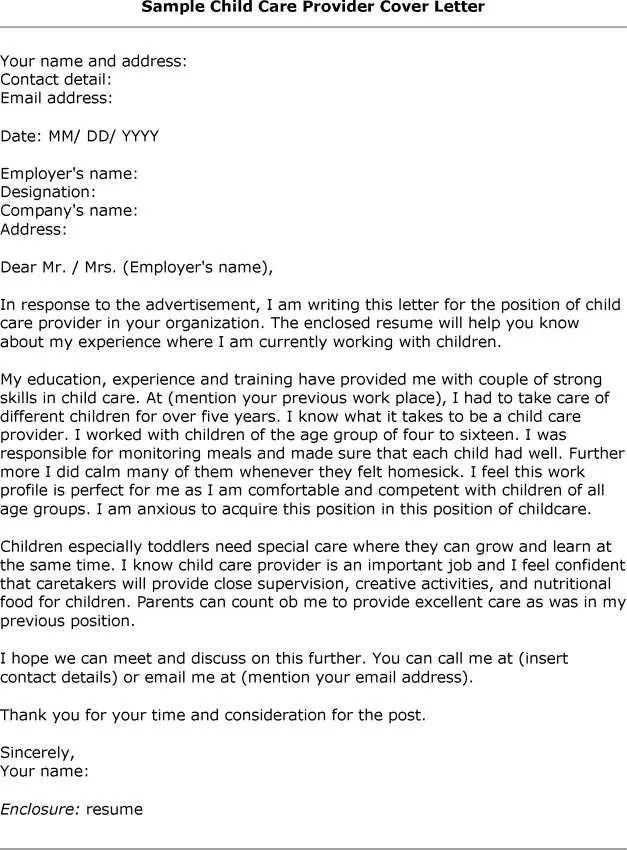
Childcare Assistant Cover Letter How-To Guide
Landing a childcare assistant role requires more than just a resume. A well-crafted cover letter is your chance to make a strong first impression and showcase why you’re the ideal candidate. This guide will walk you through creating a compelling childcare assistant cover letter that highlights your skills, experience, and passion for working with children. A cover letter allows you to personalize your application and connect with the hiring manager on a deeper level, setting you apart from other applicants. By following the steps outlined in this guide, you can significantly increase your chances of getting noticed and securing an interview for your desired childcare position. Remember, the cover letter is your voice, so use it to convey your enthusiasm and dedication to the role.
Understanding the Purpose of a Cover Letter
A cover letter serves as your introduction to a potential employer. It complements your resume by providing a more detailed explanation of your qualifications, skills, and career goals. Unlike your resume, which is a factual summary, a cover letter allows you to express your personality and enthusiasm for the position. It’s your opportunity to demonstrate your understanding of the role and why you’re a good fit for the specific childcare provider. The goal of the cover letter is to persuade the hiring manager to read your resume and, ultimately, invite you for an interview. Therefore, it’s important to create a cover letter that is personalized, engaging, and tailored to the specific job and the childcare provider’s needs.
Why a Cover Letter Matters for Childcare Roles

In the childcare field, a cover letter is particularly important because it allows you to showcase your soft skills, such as patience, empathy, and communication, which are critical for success in this role. It’s your chance to demonstrate your genuine passion for working with children and highlight your understanding of child development principles. A well-written cover letter can reveal your personality, your approach to childcare, and your commitment to creating a safe and nurturing environment. It’s an opportunity to differentiate yourself from other candidates who may have similar qualifications on paper. Moreover, it allows you to explain any gaps in your experience, career changes, or any special skills you possess that could be beneficial to the childcare setting.
Key Components of a Childcare Assistant Cover Letter
Contact Information and Date
Applicant’s Contact Information

At the top of your cover letter, provide your full name, address, phone number, and email address. Ensure that your email address is professional and easy to read. This information allows the hiring manager to easily contact you if they are interested in your application. Accuracy is key; double-check all contact details to avoid any errors that could prevent them from reaching you. Using a clear and concise format for your contact information is essential for conveying professionalism.
Date of the Letter
Include the current date below your contact information. This helps the employer understand when the application was submitted. The date is a simple but essential component that provides context to the hiring process. The date also helps in tracking the application and keeping it organized within the hiring process.
Hiring Manager’s Information
If possible, address your cover letter to a specific person, ideally the hiring manager or the director of the childcare facility. This shows that you’ve taken the time to research the organization and demonstrates your attention to detail. If you can’t find a specific name, use a professional greeting such as ‘Dear Hiring Manager’.
How to Find the Hiring Manager’s Name

Look on the childcare facility’s website, LinkedIn, or the job posting itself for the name of the hiring manager. If the name isn’t available, a quick phone call to the facility can often provide the information. Addressing your letter to a specific person significantly increases your chances of getting it noticed, as it shows you’ve put in extra effort and are genuinely interested in the position. Avoid generic greetings such as “To Whom It May Concern” if possible.
Greeting and Salutation
Start your cover letter with a professional greeting. ‘Dear Mr./Ms./Mx. [Last Name]’ is a suitable option. If you don’t know the hiring manager’s name, use ‘Dear Hiring Manager’. Avoid overly casual greetings. A proper salutation sets a professional tone and shows respect. Your choice of greeting should be based on the formality of the organization and the information you can find about the person. It is a crucial first step in making a good impression.
Addressing the Hiring Manager
Always use a formal greeting like “Dear Mr./Ms./Mx. [Last Name].” This ensures you show proper respect and sets a professional tone from the start. If the name isn’t known, “Dear Hiring Manager” is acceptable. Double-check the spelling of the name to ensure accuracy. Using the hiring manager’s name personalizes the cover letter and makes it more likely to be read carefully. Avoid using nicknames or overly casual greetings.
Writing the Body of Your Cover Letter

Opening Paragraph
Your opening paragraph should immediately capture the reader’s attention. State the position you are applying for and how you learned about the opening (e.g., job board, referral). Express your enthusiasm for the role and the childcare provider. This is your chance to make a strong first impression and demonstrate your genuine interest in the position. Keep this paragraph concise, aiming to set the tone for your letter. Your enthusiasm is infectious and makes the reader more engaged.
Expressing Your Enthusiasm
Show genuine excitement about the opportunity and the specific childcare provider. Mention something that attracted you to the role, like their philosophy, reputation, or any specific programs. Use positive and energetic language. Avoid generic statements; instead, personalize your opening by showing you have researched the provider and understand their values. Let your passion for childcare shine through from the start.
Highlighting Relevant Skills and Experience

This section is where you showcase your qualifications. Describe your relevant experience, skills, and accomplishments. Tailor this section to the specific requirements of the job description. Give examples of your experience with children, such as previous childcare roles, volunteer work, or relevant coursework. Quantify your accomplishments whenever possible. For example, ‘Managed activities for a group of 15 children.’ Show how your skills align with the needs of the childcare facility.
Childcare Experience Examples
Give specific examples of your experience working with children. This could include babysitting, summer camp counseling, or volunteer work at a daycare or children’s hospital. Detail your responsibilities and how you handled them effectively. Describe the age groups of children you have worked with and the types of activities you facilitated, such as educational games, arts and crafts, or outdoor play. Highlight any special skills like first aid certification or experience with children with special needs.
Skills such as patience and responsibility
Childcare assistant roles require specific skills. Showcase key skills such as patience, responsibility, communication, and problem-solving. Provide concrete examples of how you have demonstrated these skills in the past. For instance, describe a situation where you resolved a conflict between children or how you maintained a safe environment. Demonstrate your ability to create a nurturing and stimulating atmosphere. Emphasize your dependability and your understanding of child safety and well-being, all while using a positive attitude.
Demonstrating Your Knowledge of Child Development

Show your understanding of child development principles. Mention any coursework, training, or certifications you have related to child development, early childhood education, or pediatric first aid. If you understand children’s developmental stages, you can demonstrate your ability to tailor activities to suit each child’s needs. If applicable, you could discuss the importance of play-based learning, creating a structured daily routine, and promoting social and emotional development. It is crucial to illustrate your awareness of these aspects to prove that you are capable of providing the best care.
Closing Paragraph
In your closing paragraph, reiterate your interest in the position and thank the hiring manager for their time and consideration. Express your enthusiasm for the opportunity and your desire to contribute to the childcare facility. This is where you can further solidify your interest in the position. Make sure you leave the reader with a positive impression and a sense of your suitability for the role.
Reiterate Your Interest and Availability
Reiterate your strong interest in the position and express your availability for an interview. Reiterate your interest in the position and reaffirm your understanding of the job’s requirements. State your enthusiasm for joining the childcare team and contributing to their mission. Let them know you are available and eager to discuss your qualifications further. This reinforces your interest and sets the stage for the next steps.
Call to Action

Include a clear call to action. This could be a statement like ‘I am available for an interview at your earliest convenience’ or ‘I look forward to hearing from you soon’. Provide your phone number and email address again. This prompts the hiring manager to take the next step and makes it easy for them to contact you. A strong call to action shows initiative and eagerness.
Closing and Signature
Use a professional closing like ‘Sincerely,’ or ‘Respectfully,’ followed by your typed name. If you’re submitting a physical copy, sign your name above your typed name. This signifies the formal end of your cover letter. Proper closing adds a touch of formality and professionalism, showing your attention to detail.
Formatting and Proofreading Your Cover Letter
Font and Formatting Guidelines
Use a professional and easy-to-read font such as Times New Roman, Arial, or Calibri, with a font size of 11 or 12 points. Maintain consistent formatting throughout your cover letter. Use clear spacing between paragraphs and sections. Make sure your cover letter is well-organized and visually appealing. A well-formatted document is easy for the hiring manager to read and demonstrates your attention to detail and professionalism. Avoid distracting font styles and excessive colors.
Proofreading and Editing
Thoroughly proofread your cover letter for any typos, grammatical errors, and spelling mistakes. Ask someone else to read it over to catch any errors you might have missed. Ensure the language is clear, concise, and professional. A polished cover letter reflects positively on your attention to detail and your professionalism. Typos and grammatical errors can create a negative impression and undermine your credibility. Proofreading is an essential step in the application process.
Tailoring Your Cover Letter
Researching the Childcare Provider
Before you start writing, research the childcare provider. Visit their website, read reviews, and understand their mission, values, and the services they offer. Tailor your cover letter to highlight how your skills and experience align with their specific needs and values. Mentioning specific programs or philosophies will show that you have taken the time to get to know the organization. Tailoring your cover letter is crucial for making a strong impression and demonstrating your sincere interest in the role and facility.
Customizing Your Letter for Each Application
Never use a generic cover letter for multiple applications. Customize your cover letter for each childcare position you apply for. Focus on the specific requirements of the job description and highlight the skills and experiences most relevant to that role. Customize your letter to reflect the unique needs and values of the childcare provider. This personalization demonstrates your genuine interest and increases your chances of getting noticed. It also shows that you have taken the time to read the job posting and understand what the childcare facility is looking for.
Common Mistakes to Avoid
Typos and Grammatical Errors
Typos and grammatical errors can make a negative impression. Always proofread your cover letter thoroughly. Get someone else to read it. Errors can suggest carelessness and a lack of attention to detail, qualities that are undesirable in a childcare assistant. Ensure your cover letter is free of mistakes to maintain a professional image and improve your chances of getting an interview.
Generic Cover Letters
Avoid using generic cover letters. Tailor each letter to the specific childcare position and provider. Generic cover letters are easily recognized and don’t demonstrate your genuine interest. Personalization shows that you have researched the organization and understand their needs. A generic letter may not highlight the relevant skills and experience needed for the job. Customize the letter to increase your chances of standing out.
Failing to Highlight Relevant Skills
Make sure your cover letter highlights the skills most relevant to the childcare assistant role. It should be a direct response to the job description. If the job requires experience with a specific age group, highlight that experience. Don’t be afraid to showcase both your hard and soft skills. Ensure that you are using the right keywords from the job posting. Make it clear how your skills and experience align with the requirements. Failing to do so may result in your application being overlooked.