The Essence of a Company Secretary Internship
Embarking on a Company Secretary (CS) internship is a pivotal step towards a successful career in corporate governance. This internship provides invaluable practical experience, bridging the gap between theoretical knowledge and real-world application. It’s an opportunity to understand the inner workings of a company, learn about legal and regulatory compliance, and develop essential skills necessary for a CS role. A well-structured internship program will expose you to various aspects of corporate administration, allowing you to refine your expertise and build a strong foundation for your professional journey. Securing a CS internship requires a strategic approach, including a compelling cover letter, a well-crafted resume, and effective interview skills. This guide unveils secrets to help you stand out from the competition and secure your desired internship.
Understanding the Role and Responsibilities
A Company Secretary plays a crucial role in ensuring that a company complies with legal and regulatory requirements. The responsibilities are diverse and encompass a wide range of tasks, from maintaining statutory records to advising the board of directors on corporate governance matters. Understanding the scope of these responsibilities is key to demonstrating your enthusiasm and suitability for an internship. Interns typically assist in tasks such as preparing board meeting minutes, managing company communications, handling regulatory filings, and ensuring compliance with relevant laws and regulations. Gaining a clear understanding of these responsibilities is crucial when you are preparing your application because it allows you to highlight the skills and experiences that directly align with the requirements of the role. This also helps you tailor your cover letter to the specific company and internship opportunity, showcasing your genuine interest and preparedness.
Key Tasks a Company Secretary Intern Performs

During a Company Secretary internship, interns are often involved in a variety of tasks that provide practical experience in corporate governance. These tasks contribute significantly to the learning process and equip interns with essential skills. Common tasks include assisting with the preparation of board and committee meeting agendas, compiling meeting materials, and recording meeting minutes. Interns may also be involved in maintaining statutory registers, such as the register of members and the register of directors. They frequently assist in preparing and filing statutory forms and documents with regulatory authorities. Moreover, interns may be involved in research, assisting with compliance audits, and supporting corporate secretarial functions, such as shareholder communications and corporate governance reporting. Gaining familiarity with these essential duties through hands-on experience is invaluable for any aspiring Company Secretary.
Essential Skills for Company Secretary Interns
A successful Company Secretary internship requires a blend of technical and soft skills. Strong organizational skills are paramount for managing documents, schedules, and deadlines. Attention to detail is also vital to ensure accuracy in legal and regulatory filings. Effective communication skills, both written and verbal, are critical for interacting with board members, shareholders, and regulatory bodies. Interns should possess a solid understanding of corporate law, governance principles, and relevant regulations. Furthermore, skills such as research, analytical thinking, and problem-solving are essential for handling complex issues. Proficiency in Microsoft Office suite, especially Word, Excel, and PowerPoint, is also expected. Demonstrating these skills through your cover letter and resume will significantly enhance your chances of securing an internship.
Required Qualifications and Education
While specific requirements may vary, certain qualifications and educational backgrounds are generally favored for Company Secretary internships. A degree in law, business administration, or a related field is often preferred. Many companies look for candidates who are pursuing or have completed a professional qualification in company secretarial practice. Knowledge of corporate law, company law, and related regulations is highly beneficial. Strong academic performance, particularly in relevant coursework, can significantly strengthen your application. Demonstrating a commitment to professional development, such as membership in relevant professional bodies or participation in industry-related workshops, can also be advantageous. Highlighting your educational background and any relevant certifications or qualifications is essential in your application materials.
How to Highlight Your Strengths in a Cover Letter

Your cover letter is your opportunity to showcase your strengths and differentiate yourself from other applicants. Begin by clearly stating the position you are applying for and where you found the advertisement. Immediately highlight your key skills and experiences that align with the internship’s requirements. Provide specific examples of how you have demonstrated these skills in the past. Quantify your achievements whenever possible. For instance, if you have experience in a relevant role, mention how you improved efficiency or contributed to a successful project. Tailor your cover letter to each company by mentioning their specific values, goals, or recent achievements. Demonstrate your genuine interest in the company and the internship opportunity. By highlighting your strengths, you’ll capture the hiring manager’s attention and increase your chances of getting an interview.
Structuring Your Cover Letter for Maximum Impact
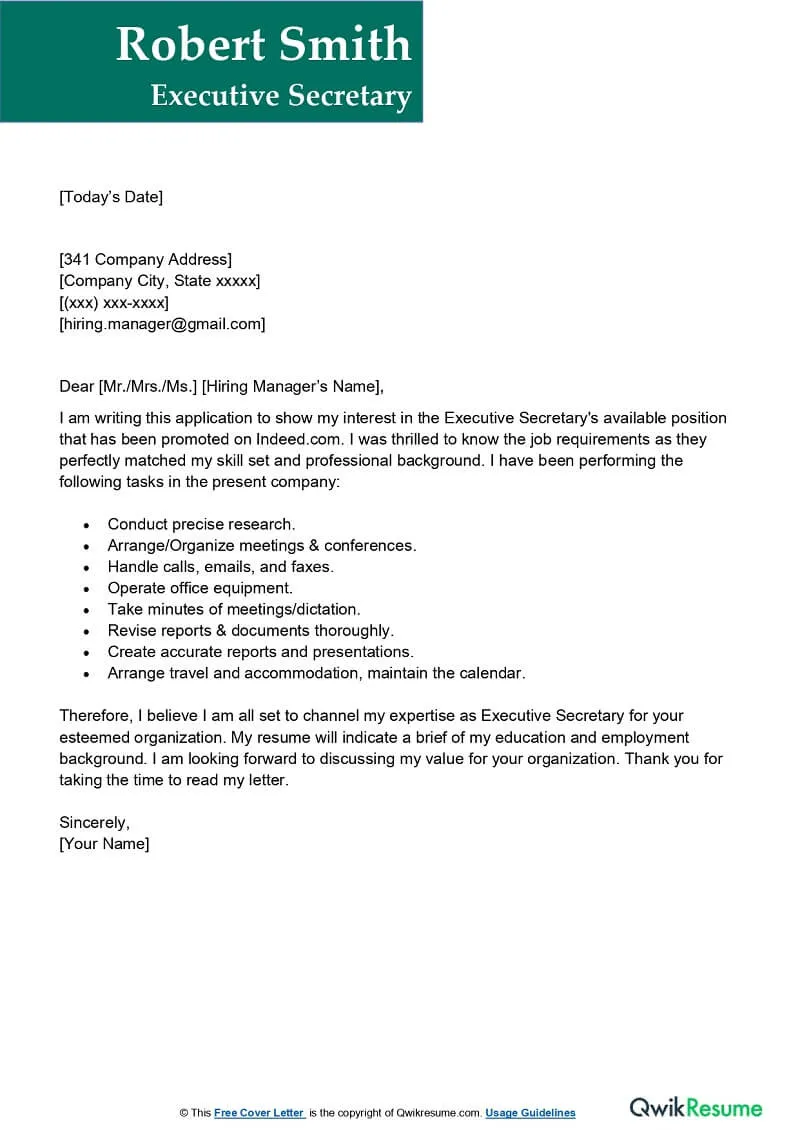
A well-structured cover letter is critical for making a positive impression. Start with a professional heading that includes your contact information and the date. Address the letter to the hiring manager by name, if possible; if not, use a generic salutation like “Dear Hiring Manager.” The introduction should clearly state the position you are applying for and briefly explain why you are interested. The body paragraphs should highlight your relevant skills, experiences, and accomplishments, providing specific examples to support your claims. The closing should express your enthusiasm for the internship, reiterate your interest in the company, and thank the reader for their time and consideration. Proofread your letter carefully to ensure there are no errors in grammar or spelling. A well-organized cover letter will demonstrate your attention to detail and professionalism.
Opening Paragraph Techniques
The opening paragraph sets the tone for your entire cover letter, so it is vital to create a strong first impression. Start by clearly stating the position you are applying for, the company, and where you saw the internship advertisement. Immediately convey your enthusiasm for the opportunity and briefly explain why you are interested in the company. Consider using a hook to grab the reader’s attention, such as a brief anecdote or a statement about your passion for corporate governance. Avoid generic openings; instead, personalize your introduction to reflect your understanding of the company’s values and mission. Clearly indicate your intention to obtain the internship and what you expect from the experience.
Body Paragraphs: Showcasing Your Value

The body paragraphs are where you showcase your skills, experiences, and accomplishments. Focus on how your qualifications align with the requirements of the internship. Provide specific examples to support your claims, using the STAR method (Situation, Task, Action, Result) to illustrate your achievements. Describe a relevant situation you encountered, the task you were assigned, the actions you took, and the positive results you achieved. Quantify your accomplishments whenever possible. For example, you might highlight how you improved efficiency by a certain percentage or contributed to the successful completion of a project. Tailor your examples to the company’s industry and the specific responsibilities of the internship. Conclude each paragraph by summarizing the key takeaway and its relevance to the internship. This structured approach demonstrates your ability to perform the required tasks and adds significant value to your application.
Highlighting Relevant Skills and Experience
When highlighting your skills and experience, focus on those most relevant to the Company Secretary internship. Emphasize skills such as attention to detail, organizational abilities, and strong communication skills, both written and verbal. Provide specific examples of how you have used these skills in the past. If you have experience in legal research, document preparation, or meeting coordination, be sure to mention it. If you have completed coursework or projects related to corporate governance, include details about these experiences. Any experience in internships or volunteer roles can also enhance your application. Tailor your skills and experiences to the company’s specific requirements, if known, to clearly demonstrate the value you can bring. Quantify your accomplishments wherever possible, such as the number of documents you prepared or the efficiency gains you achieved.
Closing Your Cover Letter with Confidence
The closing paragraph should reiterate your interest in the internship, express your enthusiasm for the company, and thank the reader for their time and consideration. Reiterate your key skills and experiences to reinforce your suitability for the role. State that you are eager to learn and contribute to the company’s success. Include a call to action, such as stating that you are available for an interview at their earliest convenience. Provide your contact information clearly and concisely. Proofread the entire letter carefully before submitting to ensure there are no errors in grammar or spelling. A well-crafted closing paragraph will leave a lasting positive impression and increase your chances of securing an interview. End with a professional closing, such as “Sincerely” or “Respectfully,”
Common Mistakes to Avoid

Several common mistakes can hinder your chances of securing a Company Secretary internship. Avoid generic cover letters; always tailor your letter to the specific company and internship opportunity. Refrain from using excessive jargon or technical terms that the reader might not understand. Do not include irrelevant information; focus on skills and experiences that are directly related to the role. Refrain from making spelling or grammatical errors, as these reflect poorly on your attention to detail. Do not simply restate your resume; instead, elaborate on your accomplishments and provide specific examples. Avoid negative statements or criticisms of past employers or experiences. Make sure you do not exceed the recommended length of one page. By avoiding these common mistakes, you’ll present yourself as a professional and well-prepared candidate.
The Importance of Proofreading
Proofreading is an essential step in the application process. Errors in grammar, spelling, or punctuation can undermine your credibility and give the impression of carelessness. Always proofread your cover letter and resume multiple times before submitting your application. Use a spell checker, but do not rely on it entirely, as it may miss subtle errors. Read your letter aloud to catch awkward phrasing or sentences. If possible, ask a friend, family member, or career advisor to review your application for any mistakes you might have missed. Proofreading is a critical step, that demonstrates your attention to detail and professionalism. A clean and error-free cover letter will significantly enhance your application.
Tailoring Your Cover Letter to Each Company
Customizing your cover letter for each company is crucial for demonstrating your genuine interest and suitability for the internship. Research the company thoroughly, and identify their values, goals, and recent achievements. Mention specific aspects of the company that appeal to you. For instance, the company’s commitment to sustainability, its involvement in a specific industry, or its positive reputation. Tailor your skills and experiences to the specific requirements of the internship and the company. Use keywords from the job description to show that you have the required skills. Avoid using a generic template; write a unique letter that reflects your understanding of the company and your genuine interest in the role. Demonstrating that you have taken the time to learn about the company shows your genuine interest and increases your chances of getting noticed.
Researching the Company and its Values

Before applying for a Company Secretary internship, thorough research is essential. Visit the company’s website, and read about their mission, values, and recent news. Research the company’s industry, its competitors, and its recent financial performance. Look for information about the company’s corporate governance practices, including any awards or recognition it has received. Use professional networking platforms like LinkedIn to learn about the company’s culture and connect with current employees. Understanding the company’s values will help you tailor your cover letter and resume to align with their expectations. This research will show your interest, demonstrate your preparedness, and assist you in preparing for the interview.
The Application Process and Timeline
The application process for a Company Secretary internship typically involves submitting a cover letter, resume, and possibly academic transcripts and references. Carefully review the application instructions and deadlines, and ensure that you meet all the requirements. Apply early, as internships often fill up quickly. Follow up with the hiring manager a week or two after submitting your application if you haven’t heard back. Be prepared for multiple rounds of interviews, which may include phone screenings, in-person interviews, and assessments. Keep track of your application status and any communication with the company. The timeline for the application process varies depending on the company and the number of applicants. However, you should be prepared to wait several weeks or even months to hear back after you apply.
Preparing for the Interview
Preparing for the interview is an essential step towards securing a Company Secretary internship. Research the company and the interviewers to gain a deeper understanding of their goals and expectations. Review your cover letter and resume, and prepare specific examples to illustrate your skills and experiences. Practice answering common interview questions, such as “Tell me about yourself,” “Why do you want to be a Company Secretary?” and “What are your strengths and weaknesses?” Prepare questions to ask the interviewer, such as about the company culture, the specific responsibilities of the internship, and opportunities for professional development. Dress professionally and arrive on time for the interview. Practice your answers to be articulate and confident, while remaining genuine and enthusiastic about the opportunity. A well-prepared candidate demonstrates professionalism and increases their chances of success.
Key Questions to Anticipate

Anticipating and preparing for interview questions is critical for your interview success. Prepare answers to common interview questions such as “Tell me about yourself.” Be ready to discuss your relevant skills, your educational background, and your interest in the company and the role. Prepare examples of how you have demonstrated skills such as attention to detail, communication, and problem-solving. Anticipate questions about your weaknesses and how you have overcome them. Be prepared to discuss your understanding of corporate governance principles and your knowledge of relevant laws and regulations. Think about your career goals and how this internship will help you achieve them. Prepare thoughtful questions to ask the interviewer. A well-prepared candidate demonstrates their knowledge, their preparedness, and their enthusiasm for the internship.
Following Up After Applying
Following up after applying for a Company Secretary internship is a strategic and professional practice. After submitting your application, send a polite email to the hiring manager expressing your continued interest in the position. This shows your enthusiasm and demonstrates that you are proactive. If you haven’t heard back within two weeks, send a follow-up email to inquire about the status of your application. Keep your email brief, concise, and professional. Refer to the position you applied for and reiterate your interest in the company. Thank the hiring manager for their time and consideration. Following up demonstrates your professionalism and attention to detail, and it could enhance your chances of securing the internship.
Finalizing Your Internship Application
Before submitting your internship application, carefully review all the materials. Ensure your cover letter and resume are free of errors and tailored to the specific requirements of the internship. Proofread your application materials multiple times to catch any typos or grammatical errors. Verify that all your contact information is correct. Confirm that you are including all the required documents, such as transcripts and references. Save your application files in a professional format, such as PDF. Submit your application before the deadline. Once you submit, consider following up with a polite email to the hiring manager to confirm receipt of your application and express your continued interest. Finalizing your application with meticulous attention to detail demonstrates your professionalism and preparedness.
Tips for a Successful Internship
Once you have secured a Company Secretary internship, there are several things you can do to ensure a successful experience. Be punctual, reliable, and professional. Take initiative and be proactive in seeking out opportunities to learn and contribute. Ask questions, and seek feedback from your supervisor and colleagues. Show a willingness to learn and adapt to new tasks and responsibilities. Build relationships with your colleagues and network with professionals in the field. Stay organized and manage your time effectively. Take advantage of opportunities to attend meetings, seminars, and training sessions. Maintain a positive attitude and demonstrate a genuine interest in the company. By following these tips, you can gain valuable experience, build your professional network, and enhance your career prospects.
Maximizing Your Learning Experience
During your Company Secretary internship, take steps to maximize your learning experience. Actively participate in meetings, and take detailed notes. Seek out opportunities to shadow experienced Company Secretaries and observe their daily tasks. Ask for challenging assignments and opportunities to contribute to meaningful projects. Read relevant legal and regulatory documents, such as company bylaws, meeting minutes, and filings. Stay up to date on industry trends and developments by attending seminars and reading industry publications. Take the initiative to learn about different areas of corporate governance. Seek feedback regularly, and be open to constructive criticism. Identify areas where you can improve your skills. By proactively seeking knowledge and embracing new challenges, you can gain maximum benefit from your internship and set yourself up for future success.
Building Your Professional Network
Building a strong professional network is essential for a successful career. Use your Company Secretary internship as an opportunity to connect with professionals in the field. Attend company events, such as team lunches, social gatherings, and industry conferences, to meet colleagues and other professionals. Connect with people on LinkedIn, and follow the company’s page to stay informed of industry news. Participate in professional organizations, and attend networking events. Reach out to your supervisor and colleagues and ask for advice. Seek opportunities to learn from others. Keep in touch with your internship colleagues, and maintain contact with them after the internship ends. By building a strong professional network, you can establish valuable connections. These connections will assist you with job searching, career advice, and professional development.