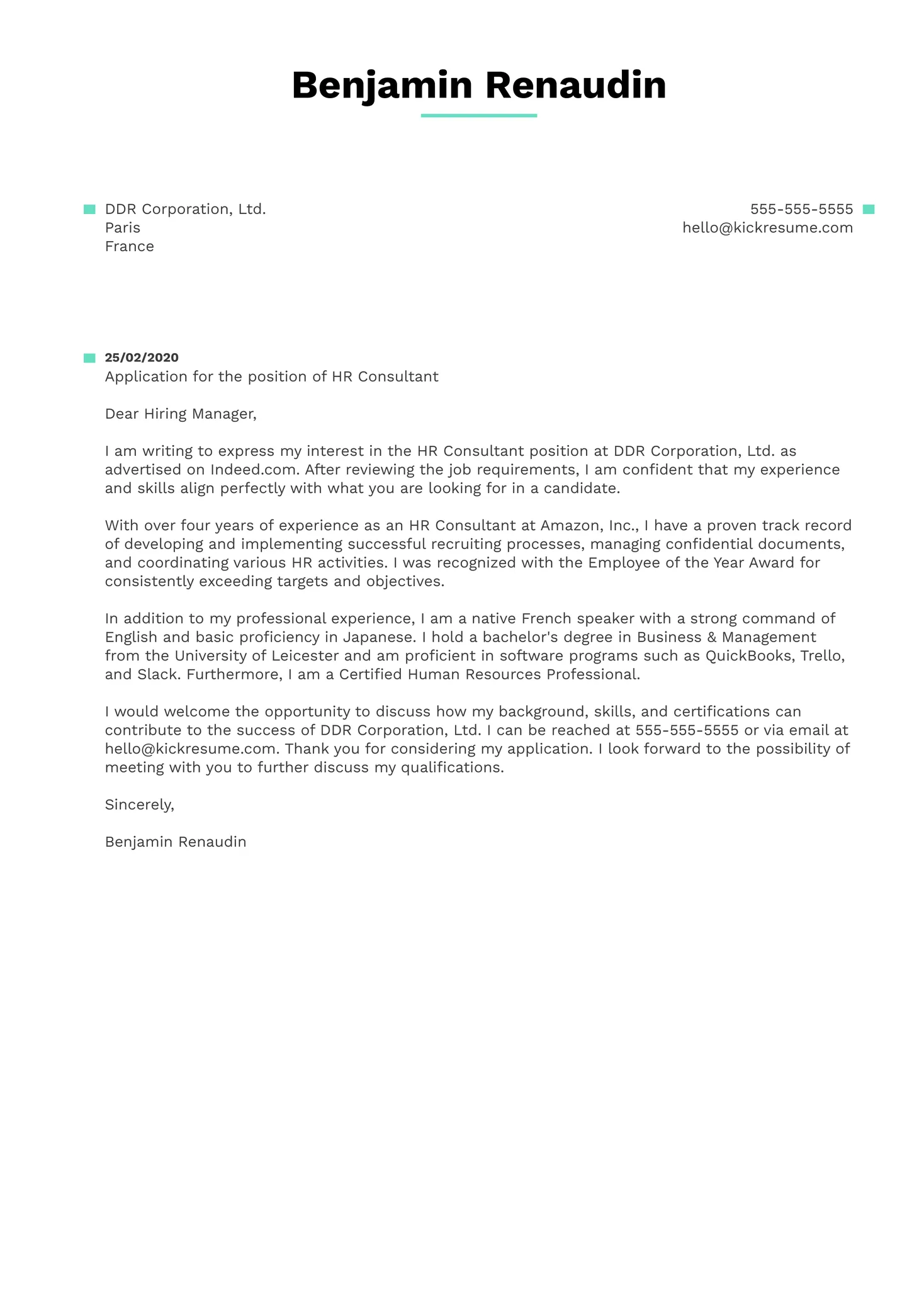
Cover Letter Consultant Guide
In today’s competitive job market, a well-crafted cover letter is not just a formality; it’s your opportunity to make a lasting first impression. As a cover letter consultant, you know that this document serves as your personal introduction to a potential employer. It’s a chance to showcase your personality, passion, and the unique value you bring to the table. This guide offers five essential tips to help you excel as a cover letter consultant, ensuring your clients stand out and secure those coveted job interviews. From understanding the cover letter’s importance to building a strong brand, we’ll cover the key aspects of cover letter consulting.
Understand the Cover Letter’s Importance
Many job seekers underestimate the impact of a cover letter. It’s more than just a summary of your resume; it’s a narrative that bridges the gap between your skills and the employer’s needs. As a consultant, you should emphasize this critical role to your clients. A compelling cover letter can significantly increase the chances of an interview, even if the applicant’s resume isn’t perfect. It is a tool to show your expertise and how it is relevant to the job you are applying for. Understanding the nuances of what makes a great cover letter is the first step.
Why a Cover Letter is Essential

A cover letter provides context to your resume. It allows you to explain gaps in your employment history, highlight specific achievements, and express your enthusiasm for the role. It demonstrates your communication skills, which is a fundamental aspect of any job. The cover letter is a chance to connect with the hiring manager on a more personal level, showcasing your personality and your genuine interest in the company. It allows you to tell a story about why you are the best fit for the job. A strong cover letter can set you apart from other applicants, showcasing your written communication skills.
Common Cover Letter Mistakes
Consultants must also be aware of common pitfalls that can undermine a cover letter’s effectiveness. Generic letters that lack personalization are a major turnoff. Typos, grammatical errors, and poor formatting can instantly damage credibility. Failing to tailor the letter to the specific job and company shows a lack of effort and interest. Overly long or rambling letters can bore the reader, while being too brief might not provide enough detail. A cover letter should highlight all of the skills to fulfill the job requirements. The correct use of words and phrases is important.
Tips for Cover Letter Consultants
As a consultant, your expertise should guide your clients through the process of crafting a compelling cover letter. Here are five key tips to help you and your clients achieve the best results. By focusing on these key areas, you can equip your clients with the tools they need to make a great impression.
Tip 1 Highlight Your Skills

The cover letter is an excellent opportunity to highlight your skills and demonstrate how they align with the job requirements. Help your clients identify their most relevant skills and present them effectively. Focus on the skills and experiences that match the requirements of the job. By using action verbs and providing specific examples, you can showcase your abilities and make your accomplishments more tangible. Ensure your clients understand what skills they have that fit the job description. Reviewing the job description closely is essential.
How to Showcase Your Expertise
Showcasing your expertise involves more than simply listing your skills. Encourage your clients to provide specific examples of how they’ve used those skills to achieve results. Use the STAR method (Situation, Task, Action, Result) to structure their examples. Quantify their achievements whenever possible – for instance, “Increased sales by 15%” or “Managed a team of 10.” Tailoring these examples to the specific requirements of the job is crucial. This will ensure the potential employer will see that you meet the requirements for the job description.
Tip 2 Tailor Each Letter
Generic cover letters are a surefire way to end up in the rejection pile. Every cover letter should be tailored to the specific job and company. This means researching the company, understanding its values, and addressing the specific requirements outlined in the job description. Encourage clients to use the company’s name, the hiring manager’s name (if known), and show how their skills and experiences align with the company’s needs. Demonstrate a clear understanding of the role and how they can contribute to the company’s success. If you are sending a cover letter, be sure to tailor it to the job.
Why Personalization Matters
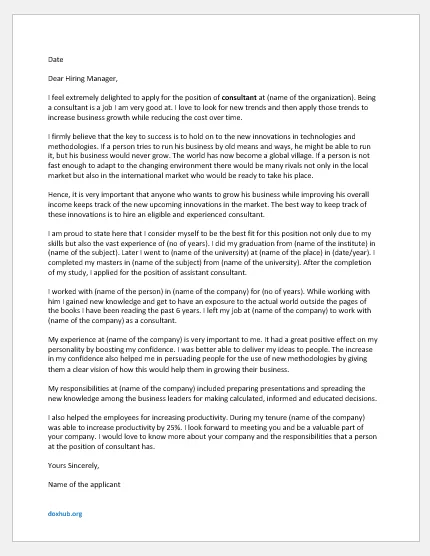
Personalization demonstrates that your clients have taken the time to research the company and understand the role. This shows initiative, attention to detail, and genuine interest. Use keywords from the job description and explain how their skills and experiences align with the specific requirements. Mentioning specific projects or initiatives that resonate with the company’s goals further enhances personalization. Addressing the letter to a specific person, if possible, is a simple but effective way to personalize it. By making your client’s cover letter specific, it will be more effective.
Tip 3 Quantify Your Achievements
Numbers speak louder than words. Help your clients quantify their achievements by providing measurable results. Instead of saying “Improved customer satisfaction,” they should say “Increased customer satisfaction scores by 20%.” This provides concrete evidence of their impact and makes their accomplishments more convincing. Quantifiable data makes it easier for employers to assess their value. You have to show the employer the results your client has achieved.
Metrics to Include
Encourage your clients to use metrics that are relevant to the role. For example, if they are applying for a sales position, include metrics like sales figures, revenue generated, or customer acquisition rates. For a marketing position, use metrics like website traffic, lead generation, or social media engagement. Project management, mention the time saved or projects completed on time. The more specific they can be, the better. These metrics should be in the resume and cover letter.
Tip 4 Proofread Meticulously

Typos, grammatical errors, and poor formatting can undermine an otherwise strong cover letter. Emphasize the importance of proofreading and editing. Encourage your clients to read their letters aloud, use spell-check and grammar-check tools, and have a fresh pair of eyes review their work. Attention to detail is critical. Even small errors can make a negative impression.
The Importance of Error-Free Writing
Error-free writing shows professionalism and attention to detail. It demonstrates that your clients care about their work. Errors can lead to immediate rejection, as they suggest carelessness and a lack of attention to detail. Proofreading is a critical step in the process of creating a cover letter and it is essential. Encourage clients to proofread multiple times, and consider using proofreading software. Ensuring there are no errors increases your chances of landing an interview.
Tip 5 Call to Action
A cover letter should always end with a clear call to action. This prompts the employer to take the next step. Encourage your clients to express their interest in an interview and make it easy for the employer to contact them. This could be as simple as stating, “I am eager to discuss how my skills and experience can benefit your team” or providing their phone number and email address. End your cover letter with a call to action.
Encouraging the Reader

The call to action should encourage the reader to contact the client. Include a statement that expresses their enthusiasm for the role, reiterates their interest, and thanks the reader for their time and consideration. They should provide their contact information clearly. By making it easy for the reader to contact them, your clients increase their chances of receiving a positive response.
Building Your Cover Letter Consultant Brand
As a cover letter consultant, building a strong brand is essential for attracting clients and establishing your expertise. Here’s how to enhance your reputation. A strong brand and online presence can make all the difference when looking for clients. Building your brand will help increase traffic.
Creating a Strong Online Presence
Your online presence is your digital storefront. Build a professional website that showcases your services, testimonials, and expertise. Be sure that you use SEO for your website so that you can reach clients looking for a cover letter consultant. Use LinkedIn to connect with potential clients and share valuable content. Regularly post articles, tips, and insights related to cover letters and job search strategies. The more exposure that you can get, the more potential clients will consider you. Make sure you have a portfolio of past work and references.
Networking Strategies

Networking is critical for attracting new clients. Attend industry events, join professional organizations, and connect with career coaches and recruiters. Offer free consultations or webinars to demonstrate your expertise and attract potential clients. Participate in online communities and forums related to job searching and career development. Build a strong network to increase your exposure and gain referrals. The more people that know you, the easier it will be to get new clients.
Resources and Further Reading
To further enhance your skills as a cover letter consultant, explore these resources. Keep up-to-date on the latest job search trends and cover letter best practices. Consider obtaining certifications or attending workshops to expand your knowledge base and enhance your credibility. Invest time in self-education. Continuously refine your strategies and skills to better serve your clients.