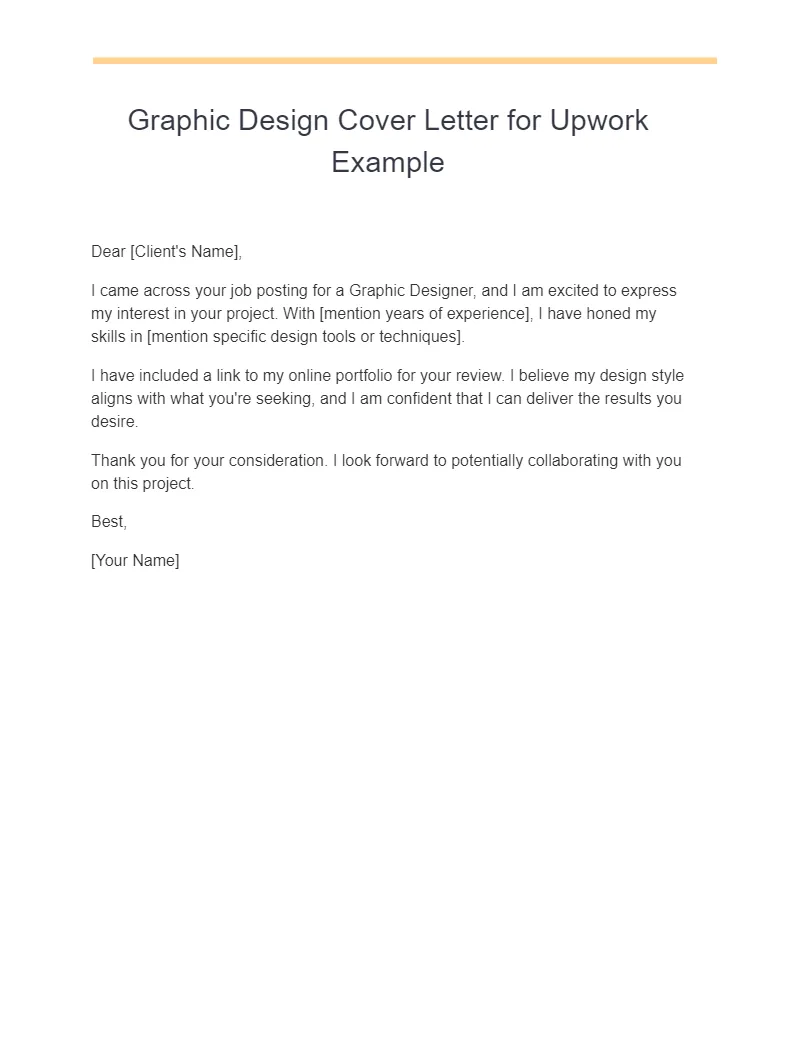
Cover Letter Design Examples
In the competitive world of job applications, a well-designed cover letter can be your secret weapon. It’s more than just a document; it’s a visual representation of your personal brand, creativity, and attention to detail. A thoughtfully designed cover letter instantly grabs the attention of hiring managers and sets you apart from the sea of generic applications. This article showcases 10 amazing cover letter design examples to inspire you. Each example offers a unique approach to presenting your qualifications and personality, making your application memorable and effective. From minimalist layouts to bold and colorful designs, we’ll explore how different styles can be used to make a lasting impression.
Example 1: Modern & Minimalist
A modern and minimalist cover letter design prioritizes clarity and elegance. This design style focuses on clean lines, ample white space, and a simple color palette. The goal is to present information in a clear and concise manner, allowing the reader to quickly grasp your key qualifications and experience. This approach is particularly effective for roles where a sense of sophistication and professionalism is valued. The focus is on the content, ensuring that your skills and experience are the main focus. Consider this option if you are applying to a formal company such as law firm or financial services. This style gives a very professional impression and emphasizes that you understand that less is more.
Key Design Elements for Minimalist Cover Letters

To achieve a minimalist design, stick to a limited color palette (typically two or three colors), use a clean and readable font, and maintain generous spacing between elements. A well-structured layout with clear headings and bullet points can help guide the reader’s eye. Use of a sans-serif font like Helvetica or Open Sans, coupled with sufficient white space, will ensure readability. The choice of paper or digital format can also enhance the minimalist aesthetic; consider a high-quality paper stock or a clean PDF format. This design is all about functionality, so make sure the structure is clear and that it is easy for the reader to find the information that they need.
Example 2: Bold & Colorful
In contrast to the minimalist approach, a bold and colorful cover letter design makes a statement. This style is ideal for creative roles or industries where a vibrant and expressive personality is desired. By using a combination of bright colors, dynamic layouts, and eye-catching visuals, you can create a cover letter that immediately captures attention and conveys your creativity and enthusiasm. This approach can really help you stand out from the crowd. You are saying that you are a creative person and that you understand the value of color and presentation. However, always make sure the content does not get lost in the presentation.
Why Use a Bold Cover Letter Design?
A bold design is a good choice if you are applying for a graphic design, marketing, or any position that appreciates creativity. It demonstrates that you have a sense of design. It will catch the eye of the reader. The key is to balance the colors and graphics with the text, so the cover letter does not become overwhelming. Select colors and imagery that align with the job and show that you’ve done your research. Make sure the design is clean and not too cluttered. Focus on a design that presents your skills and makes you unique.
Example 3: Classic & Professional

For many industries, a classic and professional cover letter design is the best choice. This style is about conveying a sense of competence and trust. It typically uses a clean layout, a traditional font like Times New Roman or Arial, and a professional color scheme (e.g., black, navy, or gray on white). The overall look is understated and polished, demonstrating your attention to detail and respect for the hiring process. This design is intended to make the content stand out.
Best Practices for Professional Cover Letters
Maintain a clear and organized layout with well-defined sections. Use a professional font in a readable size. Ensure that your grammar and spelling are perfect. A traditional font like Times New Roman or Arial can be used. The color palette should be conservative, with a focus on black, navy, or gray on a white background. Use consistent formatting throughout the document, including headings, bullet points, and spacing. If you include any graphics, make sure they are subtle and enhance the overall professionalism of the letter. This design is very easy to read and is well suited for most industries.
Example 4: Creative & Unique
Creative and unique cover letter designs are meant to highlight your creativity and individuality. This approach often includes unusual layouts, custom illustrations, and a bold use of color and typography. This design style is perfect for those in artistic or design fields and is about showcasing your unique skills and perspective. This cover letter is not for a person seeking employment in finance or law but could be useful for a web designer or illustrator.
Tips for Standing Out with a Creative Cover Letter

Use custom illustrations or graphics that reflect your style. Create a layout that is visually engaging and breaks away from traditional formats. Experiment with color and typography to add personality. Make sure the design aligns with your personal brand and the industry you are applying to. The key is to balance creativity with professionalism, ensuring the letter is easy to read and presents your qualifications effectively. This design can leave a lasting impact.
Example 5: Simple & Clean
Similar to the minimalist approach, a simple and clean design prioritizes readability and clarity. It differs by perhaps allowing a bit more visual interest through subtle design elements, while still maintaining a straightforward and uncluttered look. This style is suitable for a wide range of industries, providing a professional yet approachable feel. By sticking to a limited color palette, a clean font, and plenty of white space, you ensure that your content takes center stage.
Importance of Readability in Cover Letter Design
A simple and clean design enhances readability through clear typography, ample spacing, and a well-structured layout. Using a readable font like Arial or Calibri in an appropriate size is crucial. Avoid overly decorative fonts that can be distracting. Ensure sufficient spacing between lines and paragraphs to improve readability. The layout should be easy to follow, with clear headings and bullet points to break up large blocks of text. This design shows the applicant’s attention to detail and makes it easier for the hiring manager to scan the cover letter for relevant information.
Example 6: Infographic Style

An infographic-style cover letter uses visual elements to present information in a concise and engaging way. This design is perfect for showcasing skills, experience, and achievements through charts, graphs, and icons. It’s a great way to quickly convey complex information and capture the reader’s interest. It is especially effective for those who want to demonstrate their data visualization skills. This approach provides a quick and comprehensive overview of your qualifications.
When to Use an Infographic Cover Letter
Use an infographic cover letter if you want to highlight your data visualization skills or present quantitative achievements. It is a good choice if you are applying for a role in marketing, data analysis, or design. The goal is to use clear visuals to communicate your value effectively. Make sure the information is easy to understand and the design is well-organized. Balance the graphics with concise text, and ensure the overall design is professional. Consider this option if you want to impress with your creativity.
Example 7: Illustrated Cover Letter
An illustrated cover letter incorporates custom illustrations to add a unique and personal touch. This design style is ideal for creatives, showcasing artistic skills and personality. The illustrations can complement the text, highlight key skills, or reflect your professional brand. It is a great way to show off your visual abilities, and your character.
Benefits of Using Illustrations in Your Cover Letter

Illustrations make your cover letter memorable and show your creative abilities. Choose illustrations that reflect your personal style and align with the job requirements. Ensure that the illustrations are of high quality and enhance, rather than detract from, the content. You can include a portrait of yourself or small drawings that convey information. Illustrations can be a creative way to stand out from the competition.
Example 8: Targeted & Specific
A targeted and specific cover letter design tailors the design and content to the specific job and company. This design demonstrates your attention to detail and your genuine interest in the role. It is useful to demonstrate your understanding of the company and the skills they are looking for. This customized approach can significantly increase your chances of getting noticed.
Tailoring Your Cover Letter Design
To tailor your cover letter, research the company’s brand and design style, and incorporate elements that align with their aesthetic. Use the job description to identify the key skills and requirements, and design your cover letter to highlight those aspects. Consider using the company’s colors or fonts. Make sure your design showcases how you can meet the company’s needs. Make sure that you can convey all the necessary content. This design option demonstrates that you are detail-oriented, and that you have done your research.
Example 9: Geometric Design

Geometric design emphasizes shapes, lines, and patterns to create a modern and visually appealing cover letter. This style is perfect for industries that appreciate a structured and contemporary look. The use of geometric elements can create a sense of order and visual interest, making your cover letter both professional and engaging. This approach is useful to demonstrate your artistic flair.
Incorporating Geometric Elements
Use geometric shapes (circles, squares, triangles) and lines in your layout, typography, and graphics. This can include creating patterns, using geometric borders, or incorporating abstract shapes. Choose a color palette that complements your geometric elements. Ensure the overall design is balanced and easy to read. This approach will make your cover letter more visually engaging.
Example 10: Brand-Focused
A brand-focused cover letter aligns your design with your personal brand. This approach involves using your own logo, colors, and fonts, creating a cohesive and recognizable visual identity. This style is ideal for freelancers or those who want to reinforce their personal brand. By reflecting your brand identity in your cover letter, you create a strong impression of consistency and professionalism.
Aligning Your Cover Letter Design with Your Brand
Use your logo, colors, and fonts consistently throughout the cover letter. Make sure the design reflects your brand’s personality and values. Ensure that the design aligns with the industry and job you are applying for. Your goal is to create a cohesive and recognizable visual identity that sets you apart. This approach is designed to create a memorable impression.
Final Thoughts on Cover Letter Design
Choosing the right cover letter design is crucial to making a great impression. The design you pick should align with your personal brand and the job you are applying for. Remember to balance creativity with professionalism, ensuring that your qualifications and skills are easy to identify. Whether you choose a minimalist, bold, or creative design, the goal is to create a cover letter that captures attention and showcases your unique strengths. Your cover letter is a chance to show your personality and creativity. By carefully selecting a design that resonates with your brand and the job requirements, you will boost your chances of getting an interview.