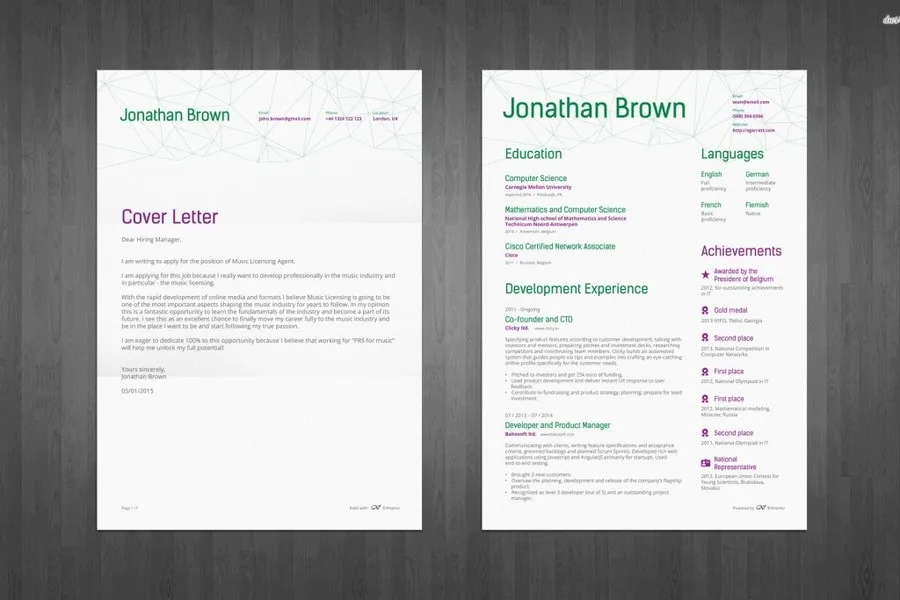
Why Your Cover Letter Matters
In the competitive job market, a well-crafted cover letter is your first opportunity to make a positive impression on a potential employer. It is more than just a formality; it’s your chance to introduce yourself, highlight your relevant skills and experience, and demonstrate why you’re the perfect fit for the role. A strong cover letter complements your resume, providing context and showcasing your personality and communication skills. It allows you to elaborate on your qualifications, explain your career goals, and express your enthusiasm for the specific position and company. Many hiring managers consider the cover letter to be a critical component of the application, often reading it before reviewing the resume. This makes it an essential tool for getting your foot in the door and increasing your chances of landing an interview. When crafting your cover letter, keep in mind that it’s a marketing document designed to sell your candidacy and persuade the employer to learn more about you.
Highlight Your Key Skills and Experience
Your cover letter should serve as a spotlight, illuminating your most relevant skills and experiences that align with the job description. Identify the key requirements and qualifications outlined by the employer, and then provide specific examples of how your past experiences have equipped you with these abilities. Use action verbs to describe your accomplishments and quantify your achievements whenever possible. For example, instead of stating “Managed projects,” write “Successfully managed five simultaneous projects, resulting in a 15% increase in on-time project completion.” Tailor each cover letter to the specific job you’re applying for, selecting the experiences and skills that are most pertinent. Avoid simply restating your resume; instead, provide deeper context and insight into your capabilities. Consider using the STAR method (Situation, Task, Action, Result) to structure your examples. This approach will help you clearly illustrate how you’ve used your skills to achieve tangible results in previous roles, demonstrating your value to the potential employer. Showing your success will certainly attract the hiring manager.
Tailor Your Cover Letter to the Job

Generic cover letters are easily spotted and often discarded. To truly capture a hiring manager’s attention, you must personalize your cover letter for each specific job application. Carefully review the job description, paying close attention to the required skills, qualifications, and the company’s values. Use this information to customize your letter, ensuring you address the specific needs and priorities of the role. Show how your skills and experience directly align with the job requirements. Mention the company by name, and if possible, refer to specific projects, initiatives, or recent news that demonstrate your knowledge and interest. Showcasing that you understand the company’s mission and how you can contribute to its success will make your cover letter stand out. Avoid using a generic template; instead, write a unique letter that reflects your individual qualifications and enthusiasm for the particular opportunity. This level of personalization demonstrates your genuine interest and increases your chances of making a strong impression.
Research the Company and Show Enthusiasm
Before you even begin writing your cover letter, conduct thorough research on the company. Visit their website, read their mission statement, and explore their recent news and projects. This research will help you understand the company’s culture, values, and goals. In your cover letter, demonstrate this knowledge by mentioning specific aspects of the company that resonate with you. Express your genuine enthusiasm for the opportunity and explain why you’re excited about the prospect of working there. Show your understanding of the company’s challenges and how your skills can contribute to its success. Avoid generic statements like “I am interested in this position.” Instead, tailor your language to reflect your specific interests and provide concrete examples of how you can add value to the team. Highlighting your enthusiasm and demonstrating that you have done your homework sets you apart from other candidates and shows the hiring manager that you’re serious about the opportunity.
Structure Your Cover Letter Effectively
A well-structured cover letter is easy to read and effectively communicates your key qualifications. The typical structure includes an opening paragraph, one or two middle paragraphs, and a closing paragraph. Each section should have a specific purpose, contributing to the overall message. The opening paragraph should immediately grab the reader’s attention and state your interest in the position. The middle paragraphs should highlight your relevant skills and experiences, providing specific examples and demonstrating how you can contribute to the company’s success. The closing paragraph should summarize your interest, reiterate your qualifications, and include a clear call to action, such as requesting an interview. Use clear and concise language throughout your letter, and break up large blocks of text with short paragraphs to make it easier to read. A well-organized cover letter demonstrates your professionalism and attention to detail, making it more likely that the hiring manager will pay attention to your application.
Opening Paragraph Grab Attention

Your opening paragraph is your first and best opportunity to make a strong impression. It should immediately capture the reader’s attention and make them want to read more. Start with a compelling hook, such as a brief anecdote, a relevant achievement, or a statement of enthusiasm for the position. Clearly state the position you’re applying for and where you found the job posting. Briefly mention your most relevant qualification or skill to immediately connect your application to the job requirements. Avoid generic openings like “I am writing to express my interest.” Instead, use a more engaging and personalized approach that showcases your enthusiasm and unique value proposition. The goal is to pique the hiring manager’s curiosity and encourage them to delve further into your cover letter and, subsequently, your resume. A strong opening sets the tone for the rest of the letter and increases the likelihood that your application will be taken seriously.
Middle Paragraphs Showcase Your Value
The middle paragraphs are the meat of your cover letter, where you demonstrate your value to the potential employer. This section is where you provide concrete examples of your skills, experiences, and accomplishments. Focus on the key requirements outlined in the job description and highlight how your previous roles have equipped you with the necessary capabilities. Use the STAR method (Situation, Task, Action, Result) to structure your examples, providing a clear and concise narrative of how you’ve achieved specific results. Quantify your achievements whenever possible, using numbers and data to demonstrate your impact. Tailor these paragraphs to each job, carefully selecting the experiences and skills that are most relevant to the specific role. Show the hiring manager that you’ve done your homework, demonstrating an understanding of their needs and how you can contribute to their success. The middle paragraphs are your opportunity to convince the employer that you are the perfect candidate for the job.
Closing Paragraph Call to Action
The closing paragraph of your cover letter is your last chance to leave a lasting impression. It should summarize your key qualifications and reiterate your enthusiasm for the position. Express your appreciation for the hiring manager’s time and consideration. Include a clear call to action, such as requesting an interview or offering to provide additional information. Avoid generic closings like “Thank you for your time.” Instead, be proactive and express your confidence in your ability to contribute to the company’s success. Make it easy for the hiring manager to take the next step by providing your contact information and stating your availability. A strong closing paragraph reinforces your interest in the position and encourages the employer to contact you, significantly increasing your chances of getting an interview. It’s your final opportunity to sell yourself and leave a positive, lasting impression.
Formatting and Proofreading

Professional formatting and meticulous proofreading are essential for a cover letter that makes a positive impression. Use a clear and easy-to-read font, such as Times New Roman, Arial, or Calibri, and ensure the font size is between 10 and 12 points. Use consistent formatting throughout your letter, including consistent spacing, margins, and indentation. Proofread your cover letter carefully for any grammatical errors, typos, or inconsistencies. Errors can undermine your credibility and make it appear that you lack attention to detail. It is essential to proofread multiple times, and it’s highly recommended to have someone else review your cover letter for you as well. Using a grammar and spell-checking tool can also be beneficial. Pay attention to your tone and language, ensuring that they are professional and appropriate for the context. A well-formatted and error-free cover letter demonstrates your professionalism and attention to detail, increasing your chances of making a positive impression.
Essential Elements to Include
There are several essential elements that should be included in every cover letter to ensure it’s effective. Start with your contact information at the top of the letter, including your name, phone number, email address, and LinkedIn profile URL (if applicable). Address the letter to the hiring manager by name if possible. In the opening paragraph, clearly state the position you are applying for and where you found the job posting. Throughout the body of your letter, highlight your relevant skills and experience, providing specific examples and quantifying your achievements. Tailor your letter to the specific job and company, demonstrating your knowledge and enthusiasm. In the closing paragraph, summarize your key qualifications, express your appreciation, and include a clear call to action. By including all of these essential elements, you increase your chances of creating a cover letter that grabs the hiring manager’s attention and secures you an interview.
Contact Information Clearly Displayed
Your contact information should be prominently displayed at the top of your cover letter, making it easy for the hiring manager to reach you. Include your full name, phone number, professional email address, and LinkedIn profile URL (if you have one). Ensure that your email address is professional and appropriate. Double-check that your contact information is accurate and up-to-date to avoid any missed opportunities. Use a clean and clear format, ensuring that your contact information is easy to read and understand. Your contact information is the gateway for the hiring manager to reach you, so it is important that it is readily available and correct. By including your contact information, you make it convenient for the hiring manager to contact you for an interview, ultimately enhancing your chances of landing the job.
Professional Tone and Language

The tone and language used in your cover letter should be professional and appropriate for the context. Avoid slang, jargon, or overly casual language. Use clear, concise, and grammatically correct sentences. Proofread your letter carefully for any errors in spelling, grammar, or punctuation. The tone should reflect your enthusiasm for the position and the company, but avoid being overly enthusiastic or informal. Be confident and assertive, but avoid being arrogant or presumptuous. Use action verbs to describe your achievements and quantify your accomplishments whenever possible. Maintain a positive and professional tone throughout your letter, emphasizing your skills, experience, and qualifications. A professional tone and language shows the hiring manager that you have the communication skills necessary to succeed in the workplace, making you a more attractive candidate.
Keywords for Applicant Tracking Systems
Many companies use Applicant Tracking Systems (ATS) to screen resumes and cover letters. These systems scan for specific keywords related to the job requirements. To increase your chances of getting past the ATS, carefully review the job description and identify the key skills, qualifications, and requirements. Incorporate these keywords naturally throughout your cover letter, using them strategically but avoiding keyword stuffing. Make sure to include relevant industry-specific terms and phrases. You can also use variations of the keywords to make your letter more adaptable. Tailor your cover letter to each job, ensuring that it reflects the specific requirements of the role. By using relevant keywords, you increase the likelihood that your cover letter will be seen by a human reviewer, leading to a greater chance of getting an interview.
What to Avoid in a Cover Letter
Just as there are essential elements to include, there are also things to avoid in a cover letter. The goal is to present yourself in the best possible light. Avoid generic templates, overly formal language, typos, and grammatical errors. These mistakes can undermine your credibility and make it appear that you lack attention to detail. Avoid negative language or complaints about previous employers or jobs. Avoid using jargon or slang that the hiring manager may not understand. Avoid simply restating your resume; instead, provide additional context and insight. Also, avoid being overly long; keep your cover letter concise and focused. By avoiding these common mistakes, you can create a cover letter that is professional, engaging, and likely to grab the hiring manager’s attention.
Generic Cover Letters

Generic cover letters are a major turn-off for hiring managers. They lack personalization and fail to demonstrate that you have taken the time to understand the specific job and company. Avoid using the same cover letter for every application. Instead, customize your letter to each specific opportunity, highlighting your relevant skills and experiences and demonstrating your enthusiasm for the role and company. Show the hiring manager that you have done your homework by mentioning specific projects, initiatives, or recent news that demonstrate your knowledge. Tailoring your cover letter to the job shows that you are genuinely interested and that you have the qualifications and skills they are looking for. A generic cover letter is a clear sign of a lack of interest. They rarely make it to the next stage, and can lead to your application being rejected.
Overly Formal Language
While it’s important to maintain a professional tone in your cover letter, overly formal language can make you seem stiff and impersonal. Avoid using outdated phrases or overly complex sentence structures. Use clear, concise, and direct language that is easy to understand. Strike a balance between professionalism and personality. The goal is to demonstrate your communication skills and make a positive impression on the hiring manager. Show your personality and enthusiasm for the position. A well-written cover letter is an opportunity to demonstrate your personality and make a connection with the hiring manager, not just to list your qualifications. Remember, you want to sound professional, but also approachable.
Typos and Grammatical Errors
Typos and grammatical errors are a huge red flag in cover letters. They undermine your credibility and make it appear that you lack attention to detail. Always proofread your cover letter carefully before submitting it. Use a spell checker and grammar checker, but don’t rely on them entirely. Proofread the letter yourself, and have someone else review it as well. Look for any inconsistencies in formatting, as well as any errors in spelling, grammar, and punctuation. Typos and grammatical errors are easy to avoid. Double-check all names, dates, and contact information. A polished and error-free cover letter demonstrates that you take your job search seriously. It’s an important detail that can boost your chances of landing an interview.