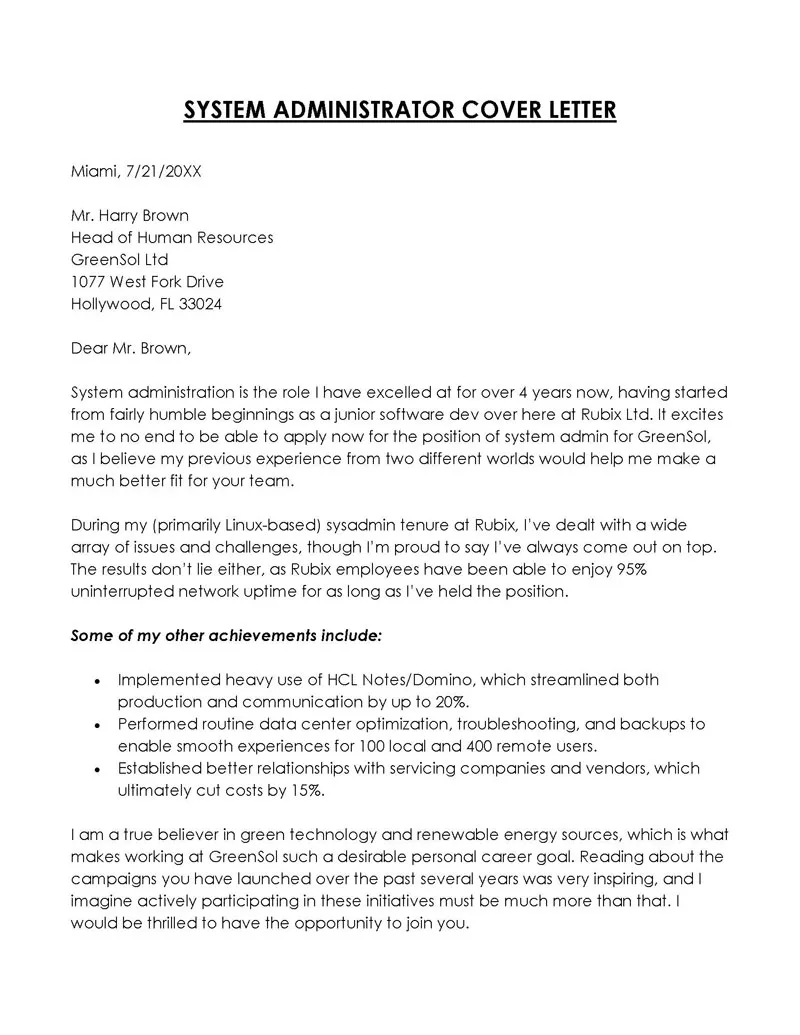
What is a Cover Letter?
A cover letter is a crucial document that accompanies your resume when applying for a job. It serves as a formal introduction and provides an opportunity to expand on the information presented in your resume. The primary goal of a cover letter is to persuade the hiring manager to read your resume and consider you for the position. It allows you to showcase your personality, express your interest in the company, and highlight the skills and experiences that make you a strong candidate. A well-crafted cover letter demonstrates your communication skills, attention to detail, and genuine enthusiasm for the role.
Why Cover Letters Are Important
Cover letters provide context to your application. They help explain career gaps, elaborate on specific skills, or show how your experiences align with the job’s requirements. Many hiring managers view a cover letter as a critical component of the application process. It demonstrates your interest and initiative beyond simply submitting a resume. Ignoring the cover letter can be a significant oversight, as it may lead to your application being overlooked. A cover letter can also help you differentiate yourself from other applicants, especially in competitive fields. It gives you a chance to make a strong first impression and set the stage for an interview. It can also help you tailor your application to the specific job you’re applying for, demonstrating that you’ve considered the role’s requirements and how your skills and experiences align.
First Impressions Matter

In the competitive world of job applications, first impressions are crucial. Your cover letter is often the first document a potential employer will read, making it your initial chance to showcase your qualifications and personality. A well-written cover letter can grab the reader’s attention and make them want to learn more about you. Conversely, a poorly written cover letter can lead to immediate rejection. Ensure your cover letter is free of errors, well-organized, and tailored to the specific job you’re applying for to make a positive impact. Remember to highlight the unique value you bring to the table and demonstrate your understanding of the company and the role. Pay close attention to the tone of your letter, ensuring it’s professional and reflects your personality.
Cover Letter Examples
Different job applications require different cover letters. Below are some examples to get you started, tailored for various career stages and situations. Remember to always customize these examples to fit your unique background and the specific job requirements.
Cover Letter Example for Entry-Level Position
For those just starting out, the focus should be on education, internships, volunteer work, and any relevant skills. Highlight your enthusiasm and eagerness to learn. Be sure to mention any relevant coursework or projects that demonstrate your abilities. This section of your cover letter is important for establishing your value, as it may be one of the only ways to show you have related experience. Do not be afraid to show your passion and your willingness to learn from this role. The goal is to make a memorable impression.
Key Elements to Include

- Address the hiring manager by name (if possible)
- Express your interest in the role
- Highlight relevant skills and experiences
- Mention your education and any projects
- Showcase your enthusiasm and eagerness to learn
Cover Letter Example for Experienced Professionals
Experienced professionals should focus on achievements, quantifiable results, and how their skills align with the job’s requirements. You need to showcase your value. This means sharing the results of your past work. Be concise but impactful, highlighting the achievements that best demonstrate your capabilities and the value you bring to the company. Clearly articulate how you can solve their problems and contribute to their goals. Emphasize leadership experience, project management skills, and any other accomplishments relevant to the role you are applying for.
Showcasing Your Achievements
- Quantify your achievements whenever possible
- Focus on results and impact
- Use action verbs to describe your contributions
- Tailor your accomplishments to the job description
Cover Letter Example for Career Change

If you’re changing careers, you’ll need to highlight transferable skills and explain why you’re making the switch. Emphasize skills and experiences relevant to the new role, even if they come from a different industry. This requires careful consideration of how your past experiences can be adapted to the new role. For example, if you’re transitioning from project management to a sales role, emphasize your communication, organizational, and leadership skills. The goal is to demonstrate that you have what it takes to excel in the new position.
Highlighting Transferable Skills
- Identify skills that are applicable to the new role
- Provide examples of how you’ve used these skills
- Explain your reasons for the career change
- Showcase your passion and enthusiasm for the new field
Tips for Writing a Great Cover Letter
Crafting a compelling cover letter involves several key strategies that can significantly enhance your chances of landing an interview. Here are some essential tips that will help you create a cover letter that stands out from the competition. Remember that each job application may require a custom approach, so always tailor your cover letter to the specific requirements of the role and the company.
Tailoring Your Letter to the Job

A generic cover letter is easily spotted by hiring managers. Instead, carefully review the job description and tailor your letter to match the requirements. Highlight specific skills and experiences that align with the job’s needs. Research the company and use keywords from the job description to demonstrate that you understand the role and the organization. Customization shows that you are genuinely interested in the opportunity and have taken the time to understand what the employer is looking for. It shows that you’re not just sending out the same letter to every opportunity.
Researching the Company
- Visit the company website
- Read recent news articles and press releases
- Check the company’s social media presence
- Understand their mission and values
Formatting and Design
Presentation matters. Ensure your cover letter is easy to read with a clean, professional format. Use a standard font like Times New Roman or Arial, and maintain a consistent font size. The overall design should be simple and uncluttered. Ensure there is proper spacing between paragraphs and sections to enhance readability. Your cover letter should be well-organized, with clear headings and bullet points if necessary. Choose a layout that is visually appealing and easy for the reader to navigate. Avoid using fancy fonts or excessive formatting, which can distract from the content.
Best Practices for Readability

- Use a professional font (e.g., Arial, Times New Roman)
- Maintain consistent font size (e.g., 11 or 12 points)
- Use clear headings and subheadings
- Keep paragraphs concise and to the point
- Use bullet points to highlight key information
Proofreading and Editing
Typos and grammatical errors can damage your credibility. Proofread your cover letter carefully before submitting it. Read the letter aloud to catch any awkward phrasing or unclear sentences. Ensure that your grammar, punctuation, and spelling are perfect. Have a friend or family member review it as well, as a fresh pair of eyes can often spot mistakes that you might miss. Correct any errors to ensure your cover letter represents you in the best possible light. Attention to detail is very important, so take your time and ensure that the final version is polished.
Common Mistakes to Avoid
- Typos and grammatical errors
- Using a generic cover letter
- Focusing too much on yourself
- Being too lengthy
- Failing to tailor the letter to the job