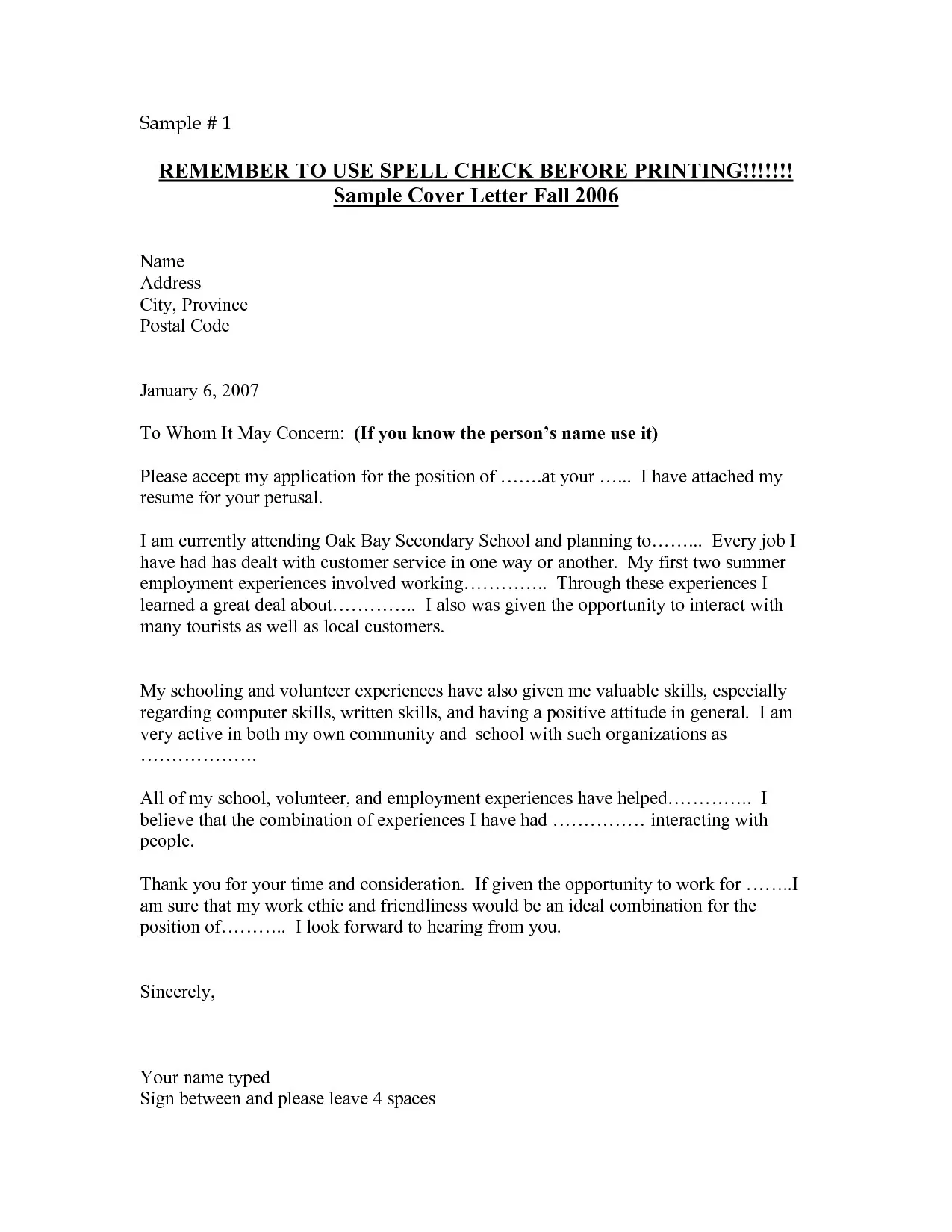
What is a Cover Letter
A cover letter is a crucial document accompanying your resume when applying for a job. It serves as your personal introduction to a potential employer, allowing you to highlight your key skills, experiences, and why you are a perfect fit for the role. Unlike your resume, which provides a factual overview of your qualifications, a cover letter gives you the space to express your personality, enthusiasm, and specific reasons for your interest in the position and the company. It’s your opportunity to make a strong first impression and convince the hiring manager to read your resume.
Why You Need a Cover Letter
Many job seekers question the necessity of a cover letter in today’s digital age. However, a well-crafted cover letter can significantly increase your chances of getting noticed. It demonstrates your genuine interest in the specific job and showcases your ability to communicate effectively in writing. It allows you to connect your skills and experiences directly to the job requirements and address any potential concerns a recruiter might have. In a competitive job market, a compelling cover letter can be the deciding factor between getting an interview and getting passed over.
Cover Letter Examples

Here are several cover letter examples tailored to different career stages and situations. Each example provides a template and key elements to help you craft your own impressive cover letter. Remember to customize these examples with your own details and tailor them to each specific job application.
Example 1 The Enthusiastic Applicant
This example is ideal for candidates who are passionate about the company and the industry. It emphasizes enthusiasm, a proactive attitude, and a willingness to learn and contribute. The tone is upbeat and energetic, reflecting a genuine interest in the opportunity. The letter should showcase how your skills align with the company’s values and the job’s requirements. If you are applying to a company you admire, let your excitement show.
Key elements of this Example
The enthusiastic applicant’s cover letter should lead with a statement of interest, immediately followed by a concise summary of their relevant skills and experiences. Highlight specific achievements that demonstrate their abilities and how they align with the company’s needs. The letter should also express a strong desire to contribute to the company’s success. Mentioning the company culture, mission, or values can further demonstrate your fit.
Example 2 The Accomplished Professional

This example is for experienced professionals with a proven track record of success. It showcases accomplishments, leadership skills, and a strategic approach to problem-solving. The tone is confident and professional, emphasizing quantifiable results and contributions. This type of letter should highlight your career progression and major achievements.
Key elements of this Example
The accomplished professional’s cover letter should begin with a brief overview of their career trajectory. Quantifiable achievements are key. Use numbers and metrics to showcase impact. Highlight leadership experience, specific skills, and how these align with the job’s requirements. Demonstrate how you have consistently exceeded expectations and delivered results in previous roles. Conclude by stating your confidence in your ability to contribute to the company’s success.
Example 3 The Recent Graduate
For recent graduates, this example emphasizes academic achievements, relevant coursework, internships, and extracurricular activities. It’s designed to showcase potential and transferable skills, even with limited professional experience. The tone is enthusiastic and eager, reflecting a willingness to learn and adapt. The letter should show a strong understanding of the job and how your skills align with the company’s needs.
Key elements of this Example

The recent graduate’s cover letter should highlight their academic achievements, including GPA, relevant coursework, and any honors or awards. Detail any internships or part-time jobs, emphasizing the skills and experiences gained. Showcase any extracurricular activities or volunteer work that demonstrate leadership, teamwork, or other relevant skills. Demonstrate your ability to quickly learn and adapt to a professional environment. Include a concise statement of your career goals and how the job aligns with them.
Example 4 The Career Changer
This example is for individuals transitioning to a new career path. It focuses on transferable skills, relevant experiences, and a clear explanation of the career change. The tone should be confident and proactive, demonstrating a strong understanding of the new field. The letter should clearly connect your prior experience to the requirements of the new role, even if they seem unrelated at first glance. It shows you are a versatile and adaptable candidate.
Key elements of this Example
The career changer’s cover letter should start with a clear statement of their career change and why they are interested in the new role. Highlight transferable skills from previous roles that are relevant to the new position. Address any potential gaps in experience and explain how you plan to bridge them. Demonstrate your passion and commitment to the new field. Include any relevant certifications, courses, or experiences that support your transition and provide a sense of direction.
How to Adapt These Cover Letter Examples
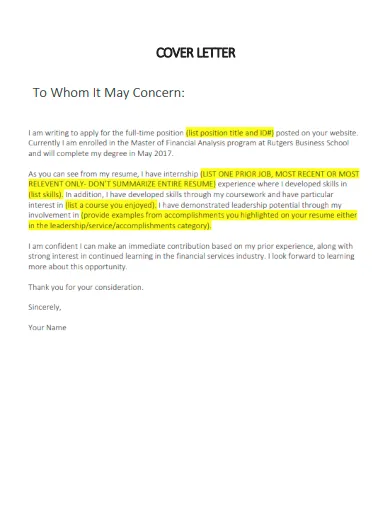
These examples serve as templates, and it’s crucial to customize them to reflect your unique skills, experiences, and the specific job you are applying for. Generic cover letters often fail to make a strong impression. Tailoring your letter shows the hiring manager that you have taken the time to understand the role and the company.
Customize for the specific Job
Carefully review the job description and identify the key requirements, skills, and qualifications the employer is seeking. Use these as a guide to tailor your cover letter, highlighting the experiences and skills that align most closely with the job. Don’t just repeat the job description, but instead, demonstrate how your skills and experiences make you a strong fit.
Tailor to Your Skills and Experience
Select the experiences, skills, and accomplishments that are most relevant to the job. Even if you don’t meet every requirement, focus on the areas where you excel and provide examples of how you have successfully used your skills in the past. Highlight achievements that demonstrate your value to the employer. Be honest and authentic and let your personality shine through.
Formatting and Style Tips

The format and style of your cover letter are just as important as the content. A well-formatted and visually appealing letter is easier to read and demonstrates your professionalism and attention to detail. Avoid common formatting mistakes to ensure your letter is effective and makes a great first impression.
Font and Layout Recommendations
Choose a professional and easy-to-read font, such as Arial, Times New Roman, or Calibri, with a font size between 10 and 12 points. Use clear, concise language and avoid overly complex sentences. Maintain a consistent layout with appropriate spacing between paragraphs and sections. Use bullet points or numbered lists to highlight key skills and achievements. Ensure your letter is one page long; a longer cover letter risks losing the reader’s attention.
Proofreading for Errors
Proofread your cover letter carefully for any grammatical errors, spelling mistakes, or typos. Errors can undermine your credibility and make you appear unprofessional. Ask a friend or family member to review your letter as a second pair of eyes can often catch mistakes you might miss. Use grammar and spell-checking tools, but always review the results carefully.
Best Practices for Cover Letters

Following best practices will help you create an effective cover letter that grabs the hiring manager’s attention. From addressing your letter to highlighting your relevant skills, these tips will help you craft a compelling letter.
Addressing ‘To Whom It May Concern’
While ‘To Whom It May Concern’ is acceptable, it’s best to avoid it if possible. Research the hiring manager’s name or the name of the person in charge of hiring for the position, and address your letter directly to them. If you cannot find a specific name, use a more general greeting, like “Dear Hiring Manager,” or “Dear [Department Name] Hiring Team.”
The Importance of a Strong Opening
Your opening paragraph sets the tone for your entire cover letter. Make it engaging and attention-grabbing. State the position you are applying for and immediately capture the reader’s interest. Express your enthusiasm for the opportunity, and briefly highlight what you bring to the table. Avoid generic or cliché opening lines.
Highlighting Relevant Skills
Use the body of your cover letter to highlight your most relevant skills and experiences. Use specific examples to demonstrate your accomplishments and how your skills align with the job requirements. Quantify your achievements whenever possible (e.g., “Increased sales by 15%” instead of “Improved sales”). Tailor these examples to the specific requirements of the job.
Cover Letter Examples Conclusion
Creating a compelling cover letter is an essential part of your job application. By using these cover letter examples as a guide and customizing them to fit your situation, you can significantly increase your chances of landing your dream job. Remember to highlight your skills and experiences, and always adapt your cover letter to each specific job. Good luck with your job search!