Understanding the Importance of Cover Letters
In the competitive landscape of modern job applications, a well-crafted cover letter can be the key that unlocks the door to your dream job. Many job seekers underestimate the power of this document, but it’s often the first impression you make on a potential employer. This is where you get to introduce yourself, showcase your personality, and demonstrate how your skills and experiences align with the specific requirements of the role. A compelling cover letter provides a personalized introduction that goes beyond the basic information found in your resume. It allows you to elaborate on your qualifications, explain your motivations, and express your enthusiasm for the opportunity. A cover letter also gives you the chance to address any potential gaps in your resume or explain any career transitions, which are crucial aspects to winning employers trust.
Why Cover Letters Matter
Cover letters are more than just a formality; they are a crucial tool for getting noticed. In a pile of hundreds of applications, recruiters often rely on cover letters to quickly assess if a candidate is a good fit. It shows that you have taken the time to research the company and the position, and are genuinely interested in the opportunity. A well-written cover letter can significantly increase your chances of getting your resume read and being invited for an interview. It’s an opportunity to make a lasting positive impression that can set you apart from other applicants. Furthermore, cover letters demonstrate your written communication skills, a critical asset in many professional roles. Your ability to articulate your thoughts, express your ideas clearly, and present a persuasive case for your candidacy can significantly influence the hiring manager’s perception of you.
The Purpose of a Cover Letter

The primary purpose of a cover letter is to introduce you to the hiring manager and explain why you are the ideal candidate for the job. It allows you to personalize your application and demonstrate your understanding of the company’s needs and the job’s requirements. A cover letter should highlight your relevant skills and experiences, showing how they align with the job description. It provides an opportunity to elaborate on your accomplishments and quantify your achievements, demonstrating the value you can bring to the organization. The cover letter serves as a platform to showcase your personality, express your enthusiasm for the role, and make a positive first impression. It’s your chance to create a connection with the hiring manager and make them want to learn more about you.
Top 7 Cover Letter Examples to Get You Hired
Here are seven different cover letter examples, each tailored to different situations and goals, providing you with the versatility needed to stand out in any job application. Each example is designed to help you tailor your approach based on your unique experiences, the job requirements, and your career aspirations. Use these examples as templates, adapting them to fit your own circumstances and to create a cover letter that perfectly reflects your professional profile.
Example 1 The Traditional Cover Letter
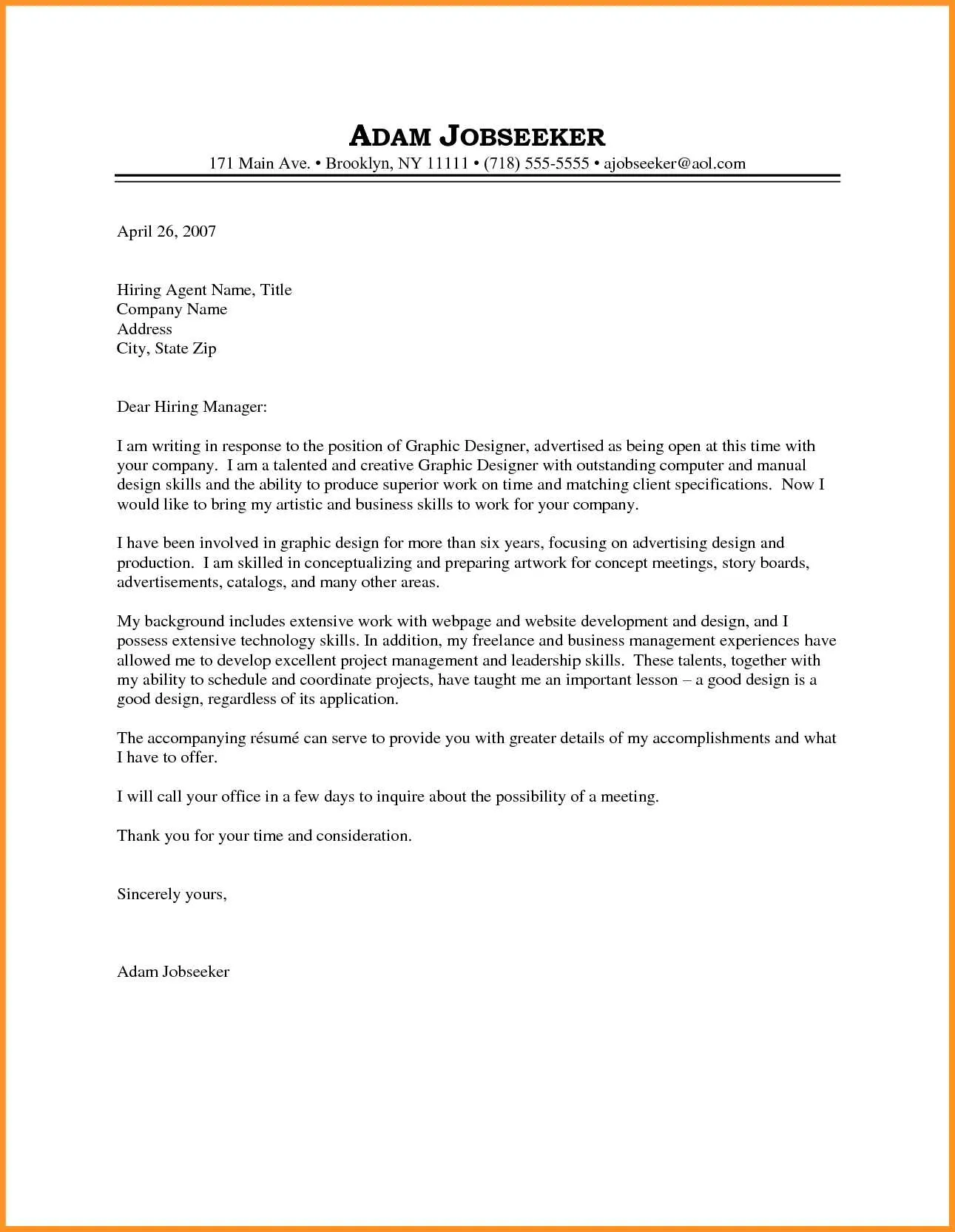
The traditional cover letter is a classic format that suits many professional fields. It follows a structured approach, starting with your contact information, the date, and the employer’s contact information. The body of the letter typically includes an introduction that states the position you’re applying for, a few paragraphs highlighting your qualifications and skills, and a conclusion restating your interest and expressing your availability for an interview. The tone is formal and professional, focusing on your relevant experience and how your skills align with the job requirements. This format is best when applying for roles in established industries like finance, law, or government, where a straightforward and professional approach is valued. When using a traditional cover letter, the focus is on clarity, concise language, and the effective presentation of your qualifications.
Key Components of a Traditional Cover Letter

- Contact Information Your Name, Address, Phone Number, and Email
- Date The date the letter is written
- Employer’s Information The hiring manager’s name, title, company, and address
- Salutation Dear Mr./Ms. Last Name, or Dear Hiring Manager
- Introduction State the position you are applying for and where you saw the job posting.
- Body Highlight your skills, experience, and accomplishments relevant to the job. Provide specific examples to support your claims.
- Conclusion Reiterate your interest in the position and express your availability for an interview.
- Closing Sincerely, Respectfully, or a similar closing phrase
- Signature Typed name
Example 2 The Skills-Based Cover Letter
A skills-based cover letter emphasizes your abilities and how they align with the requirements of the job. This format is especially useful when you are changing careers, have gaps in your employment history, or are applying for a role that requires a specific set of skills. The structure of a skills-based cover letter includes an introduction stating the position you’re applying for, followed by multiple paragraphs that highlight your key skills and provide examples of how you’ve utilized them in previous roles. The letter focuses on demonstrating your capabilities and how they meet the needs of the employer. The goal is to show the hiring manager that you possess the necessary qualifications, even if your work experience doesn’t directly match the job description. This method can be highly effective in persuading employers that you have the aptitude to excel in the new role.
Highlighting Your Skills Effectively
- Identify Key Skills Review the job description to identify the skills the employer is seeking.
- List Your Skills Create a list of your skills and group them into categories (e.g. Communication, Leadership, Technical).
- Provide Examples For each skill, give a specific example of how you used it in a previous role.
- Quantify Your Achievements Use numbers and data to demonstrate the impact of your skills (e.g., “Increased sales by 15%”).
- Use Keywords Incorporate keywords from the job description to ensure your letter is seen.
- Tailor to Each Job Customize your letter for each job application, ensuring the skills you highlight align with the job requirements.
Example 3 The Storytelling Cover Letter

The storytelling cover letter captures the reader’s attention by presenting your professional journey as a narrative. This format is most effective when you want to make a personal connection with the hiring manager and demonstrate your passion for the field. The structure typically includes an introduction setting the stage, followed by a series of paragraphs that chronicle your experiences, challenges, and successes. Each paragraph should build on the previous one, leading the reader through your career path and highlighting your key skills. The tone is engaging and personal, allowing you to showcase your personality and connect on an emotional level. This approach works well in creative fields, marketing, and any role where your ability to communicate effectively is crucial.
Crafting a Compelling Narrative
- Set the Scene Start with a captivating introduction that grabs the reader’s attention.
- Build the Story Narrate your experiences, highlighting your roles, responsibilities, and achievements.
- Include Challenges Briefly address any challenges you faced and how you overcame them.
- Showcase Achievements Quantify your accomplishments with data and specific examples.
- Focus on Skills Weave in your skills and demonstrate how they have contributed to your success.
- End Strong Conclude with a clear statement of your interest and what you can bring to the company.
Example 4 The Concise Cover Letter
The concise cover letter is designed to be brief and to the point, making it an excellent choice when you want to respect the hiring manager’s time. This format is best used when you have a strong resume and want to quickly highlight your key qualifications and interest in the role. The structure typically includes an introduction stating the position, followed by a few concise paragraphs that summarize your most relevant skills and experiences. The tone is direct and focused, avoiding unnecessary details and emphasizing your suitability for the job. This type of letter works well in fields where efficiency and clear communication are valued.
Keeping it Short and Sweet

- Be Direct Start with a clear statement of the position you are applying for and your interest.
- Highlight Key Skills Focus on the most relevant skills and experiences.
- Use Bullet Points Consider using bullet points to list your skills or achievements concisely.
- Keep it Brief Aim for three to four short paragraphs or less.
- Proofread Carefully Ensure there are no grammatical errors or typos.
- End with a Call to Action Invite the hiring manager to review your resume and contact you for an interview.
Example 5 The Impact-Driven Cover Letter
An impact-driven cover letter emphasizes your accomplishments and the tangible results you have achieved in previous roles. This format is particularly effective when you want to showcase your ability to make a difference and add value to the company. The structure includes an introduction stating the position, followed by paragraphs that focus on specific achievements. The tone is confident and assertive, highlighting your successes and quantifying the impact you have made. This approach is well-suited for roles where measurable outcomes and results are highly valued, such as sales, marketing, and project management. By focusing on quantifiable achievements, you demonstrate the value you bring to the table.
Focusing on Achievements
- Start with a Strong Introduction Immediately state the position and your interest in the role.
- Highlight Relevant Achievements Focus on achievements directly related to the job requirements.
- Use Numbers Use numbers, percentages, and data to quantify your accomplishments.
- Provide Context Explain the situation, your actions, and the results achieved.
- Use Action Verbs Use strong action verbs to describe your accomplishments.
- Conclude with a Summary Summarize your key achievements and reiterate your enthusiasm for the role.
Example 6 The Networking Cover Letter

The networking cover letter is designed to leverage your professional connections. It’s typically used when you’ve been referred to a position or have a connection within the company. The structure includes an introduction mentioning the referral, followed by paragraphs highlighting your relevant skills and experiences. The tone is appreciative and personalized, emphasizing your connection and your interest in the opportunity. This approach can significantly increase your chances of getting your resume noticed, as it shows you have an insider connection. This type of letter is very useful when applying for jobs where networking is considered an asset. It is most successful when your connection can provide a positive recommendation.
Leveraging Connections
- Mention the Referral Start by mentioning the person who referred you and their relationship to the company.
- Personalize the Letter Customize the letter to reflect your understanding of the company and the role.
- Highlight Relevant Skills Focus on the skills and experiences that align with the job requirements.
- Express Enthusiasm Show your genuine interest in the opportunity and the company.
- Thank the Referral Acknowledge the person who referred you and express your appreciation.
- Follow Up After submitting your application, follow up with the referral.
Example 7 The Creative Cover Letter
A creative cover letter allows you to showcase your personality and imagination, making it perfect for creative industries. This format is suitable for roles in design, marketing, and media, where creativity is highly valued. The structure includes an introduction that immediately captures attention, followed by a letter that showcases your personality. The tone is creative and engaging, using unique language, design elements, and storytelling techniques. This approach can help you stand out from the crowd and leave a lasting impression. You must be careful to be sure your creativity is appropriate for the industry and company you are applying to. Before using this approach, make sure you understand the company culture.
Standing Out from the Crowd

- Be Unique Use unconventional language, fonts, and design elements.
- Showcase Your Personality Let your personality shine through in your writing style.
- Use Visual Elements Consider incorporating graphics, illustrations, or a visually appealing layout.
- Tell a Story Craft a compelling narrative that captures the reader’s interest.
- Keep it Relevant Ensure your creativity aligns with the job and company culture.
- Proofread Thoroughly Ensure that your creativity does not sacrifice clarity or professionalism.
Tips for Customizing Your Cover Letter
While the examples provided offer excellent starting points, it is crucial to customize your cover letter for each specific job application. Tailoring your letter shows that you have invested time and effort in understanding the role and the company. It significantly increases the likelihood of getting your application noticed and making a positive impression on the hiring manager. Customization goes beyond simply changing the company name; it involves tailoring your content to align with the job requirements, the company culture, and the specific needs of the role. By taking the time to customize your cover letter, you demonstrate your genuine interest and increase your chances of landing an interview.
Tailoring to the Job Description
Begin by carefully reviewing the job description, identifying the key skills, experiences, and qualifications the employer is seeking. Then, highlight the relevant aspects of your background. Use keywords from the job description throughout your cover letter, demonstrating how your skills and experiences align with the specific requirements of the role. Provide concrete examples of your accomplishments that showcase your ability to meet the job’s requirements. By tailoring your cover letter to the job description, you make it clear that you are a strong fit for the position and that you have taken the time to understand the employer’s needs.
Researching the Company

Research the company’s mission, values, recent news, and products or services. This information will allow you to demonstrate your understanding of the organization and how your skills and experiences can contribute to its success. Show your interest in the company by mentioning specific projects, initiatives, or values that resonate with you. Demonstrating your company knowledge can show your initiative, enthusiasm, and your genuine interest in working for them. This can significantly increase your chances of making a positive impression on the hiring manager.
Proofreading and Editing
Always proofread and edit your cover letter before submitting it. Even minor errors can detract from your professionalism and undermine your credibility. Check for grammatical errors, typos, and formatting issues. Ask a friend or career advisor to review your letter for clarity, accuracy, and overall impact. Proofreading is essential for ensuring that your cover letter is polished, professional, and error-free. This will showcase your attention to detail and commitment to excellence, making a positive impression on the hiring manager.
Conclusion
In conclusion, cover letters are a powerful tool in the job search process, offering a unique opportunity to present yourself to potential employers. By understanding the importance of cover letters, exploring various examples, and customizing your approach, you can significantly increase your chances of securing an interview. Remember to tailor your cover letter to each specific job application, highlighting your relevant skills, experiences, and accomplishments. Proofread your letter carefully to ensure a polished, professional presentation. With the right approach, your cover letter can be the key to unlocking your career aspirations and landing your dream job. Use these examples and tips to create cover letters that showcase your strengths, express your enthusiasm, and make a lasting impression on hiring managers.