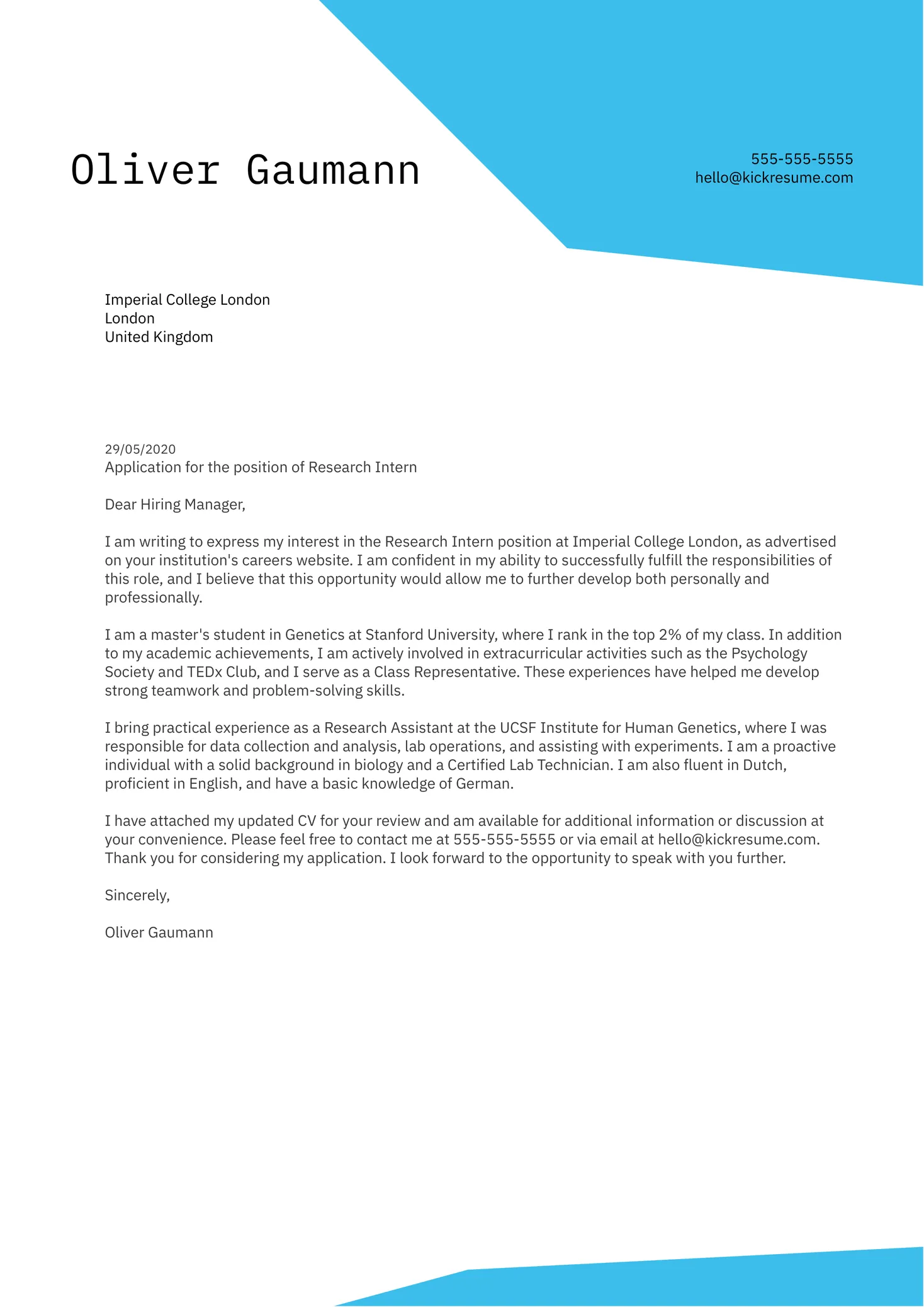
Understanding the Academic Cover Letter
Navigating the academic job market requires a cover letter that goes beyond the standard approach. Unlike general cover letters, those for academic positions need to showcase a deep understanding of research, teaching, and the specific needs of the institution. This guide provides a comprehensive overview of how to craft a compelling cover letter that highlights your qualifications and increases your chances of landing your dream academic role. Writing an effective cover letter is not merely a formality, it’s a crucial step in getting your foot in the door and demonstrating why you are the perfect fit for the position. This guide will cover everything from formatting to common mistakes to avoid.
Key Differences from a General Cover Letter
General cover letters often focus on skills and experience relevant to a broader industry. Academic cover letters, however, demand a higher level of specificity. They need to reflect your understanding of the institution’s mission, the department’s goals, and the specific requirements of the job. They should demonstrate that you are not only qualified but also a great fit culturally and in terms of your academic interests. This involves showcasing your research, teaching philosophy, and how your expertise aligns with the department’s existing programs and research areas. Academic cover letters also delve into detailed discussion about research accomplishments, publications, and teaching experience, all to align yourself perfectly for the position.
Targeting the Specific Job and Institution

The most crucial element of a successful academic cover letter is tailoring it to the specific job and institution. Generic cover letters are easily spotted and often discarded. Instead, you must carefully analyze the job posting, identify the key requirements, and address them explicitly in your letter. Research the department’s faculty, their research interests, and the university’s strategic plan. This research should inform your cover letter, allowing you to highlight how your skills and experience align with the institution’s priorities and how you can contribute to its mission. For example, mentioning specific faculty members whose research aligns with yours demonstrates genuine interest and engagement.
Essential Components of an Academic Cover Letter
Contact Information and Salutation
Start your cover letter with your contact information, including your name, address, phone number, and email address. Then, address the letter to the hiring committee chair or the specific person named in the job posting. If no name is provided, research the department’s website to find the appropriate contact. A professional and personalized salutation, such as ‘Dear Professor [Last Name]’ or ‘Dear Hiring Committee,’ sets a positive tone and shows that you have taken the time to personalize the letter. Make sure your email address is professional, avoid using nicknames or informal language in your contact details.
Opening Paragraph Hooking the Reader

The opening paragraph is your chance to capture the reader’s attention. It should immediately state the position you are applying for and briefly highlight your most relevant qualifications. Instead of a generic introduction, consider including a brief anecdote or a compelling statement that demonstrates your passion for the field and your enthusiasm for the specific opportunity. For example, you might mention a recent publication, a research breakthrough, or a teaching experience that aligns with the department’s needs. Make a strong first impression by being direct, enthusiastic, and showing a clear understanding of the position’s requirements. Tailor this opening to reflect the specific job posting.
Highlighting Your Research Accomplishments
Your cover letter should showcase your research accomplishments in detail. Provide specific examples of your research projects, including the methodologies you used, the results you obtained, and their impact on your field. Mention your publications in peer-reviewed journals, conference presentations, and any grants or awards you have received. Quantify your achievements whenever possible (e.g., ‘published five articles in top-tier journals’). Align your research with the department’s areas of focus and highlight how your work complements and enhances their existing research efforts. Demonstrate your ability to secure funding, manage projects, and contribute to the research environment.
Showcasing Teaching Experience and Philosophy
Teaching experience is another vital component of an academic cover letter, especially for positions that involve teaching responsibilities. Describe your teaching experience, including the courses you have taught, the methods you have used, and the outcomes you have achieved. Include your teaching philosophy, explaining your approach to student engagement, assessment, and creating an inclusive learning environment. Mention any teaching awards, positive student evaluations, or innovative teaching techniques you have implemented. Tailor your teaching philosophy to align with the department’s values and pedagogical approaches. If you have limited teaching experience, emphasize your potential and your commitment to developing your teaching skills.
Addressing Publications and Presentations

Provide a list or summary of your publications and presentations. For publications, include the full citation (authors, title, journal, volume, pages, and year). Highlight your most important publications and their relevance to the job. For presentations, mention the conference name, date, and location. If you have a substantial list of publications, consider attaching a separate CV that contains detailed information. Prioritize publications that align with the department’s research interests. This shows the hiring committee your achievements, and also how your research is on par with the position offered.
Aligning with the Department and University
Demonstrate your understanding of the department’s and the university’s mission and values. Explain how your research, teaching, and service align with their goals. Mention specific faculty members whose work you admire and how you see yourself contributing to the department’s intellectual community. Show that you have researched the institution and understand its strengths, priorities, and culture. Indicate how you can contribute to departmental initiatives, student success, and the university’s overall mission. This will emphasize your long-term commitment to the institution.
Closing the Letter and Call to Action
In your closing paragraph, reiterate your interest in the position and thank the hiring committee for their time and consideration. Include a call to action, such as stating that you look forward to hearing from them or that you are available for an interview. Reiterate your enthusiasm for the opportunity and your commitment to the institution. End with a professional closing, such as ‘Sincerely’ or ‘Respectfully,’ followed by your typed name. Make sure your contact information is available in the letter for easy access.
Structuring Your Academic Cover Letter

Formatting Guidelines and Best Practices
Use a clear and professional font, such as Times New Roman, Arial, or Calibri, in a 10-12 point size. Maintain consistent formatting throughout the letter, including font, spacing, and margins. Use single spacing within paragraphs and double spacing between paragraphs. Ensure your letter is concise and easy to read, ideally no more than two pages. Use headings and subheadings to break up the text and make it easier for the reader to scan. Use bullet points or lists to highlight key achievements and skills. Proofread the letter carefully to eliminate any typos or grammatical errors.
Proofreading and Editing for Perfection
Proofreading and editing are crucial steps in ensuring your cover letter is polished and professional. Check for any grammatical errors, typos, or inconsistencies in formatting. Ask a trusted colleague, mentor, or career services professional to review your letter for clarity, coherence, and accuracy. Read the letter aloud to catch any awkward phrasing or sentence structures. Make sure your cover letter is well-organized, easy to read, and free of errors. A well-written cover letter reflects your attention to detail and your commitment to excellence.
Common Mistakes to Avoid

Generic Language and Lack of Personalization
Avoid using generic language and cookie-cutter phrases that could apply to any job. Tailor your letter to the specific position and institution, and demonstrate your genuine interest. Avoid repeating information that is already in your CV. Instead, use the cover letter to expand on your qualifications and to show how your skills and experience align with the job requirements. Personalize the letter by mentioning specific faculty members, research projects, or departmental initiatives that resonate with you.
Ignoring the Job Posting Requirements
Carefully review the job posting and address all the required qualifications and skills in your cover letter. Failing to address the specific requirements is a critical mistake that can lead to immediate rejection. Use the same keywords and phrases used in the job posting to demonstrate that you understand the position and are a good fit. Show how your skills and experience meet the stated requirements and what you can bring to the role. Make sure your cover letter is relevant and focused on the specific requirements outlined in the job posting.
Focusing Too Much on Yourself

While it is important to highlight your qualifications, avoid making your cover letter solely about yourself. Instead, focus on how your skills and experience can benefit the department and the university. Frame your accomplishments in terms of their impact on others or the institution. Show how you can contribute to the department’s research, teaching, and service missions. Demonstrate that you are a team player who can collaborate with colleagues and contribute to a positive work environment. The goal is to demonstrate your alignment with the university’s strategic goals.
Samples of Effective Academic Cover Letters
Sample Letter for a Research-Focused Position
A research-focused position cover letter should emphasize your research accomplishments, publications, and grant funding. Highlight your research expertise, methodologies, and the impact of your work on your field. The sample letter shows how your research can contribute to the department’s existing research programs. It should also show how you have secured funding for research projects and any collaborations you have been involved in. This type of cover letter showcases your skills in performing high-level research.
Sample Letter for a Teaching-Focused Position
A teaching-focused position cover letter should highlight your teaching experience and philosophy, and how your courses meet requirements. Describe your teaching experience, including the courses you have taught and the methods you have used. Describe your teaching philosophy, your approach to student engagement, and your ability to create an inclusive learning environment. The sample letter can show your experience with different teaching methods, and any teaching awards or positive feedback you’ve received. You can also demonstrate your understanding of student learning.
Sample Letter for a Tenure-Track Position
A tenure-track position cover letter should provide a detailed account of your research, teaching, and service accomplishments. Highlight your research potential, your ability to secure funding, and your commitment to mentoring students. Emphasize your teaching experience and your teaching philosophy, and explain how you contribute to the department’s goals. The sample letter should demonstrate your understanding of the tenure process and your long-term commitment to the institution. You can also highlight your previous tenure track work to prove your commitment.
Resources and Further Guidance
There are numerous resources available to help you craft a compelling academic cover letter. Consult your university’s career services office for assistance with resume writing, cover letter reviews, and interview preparation. Review sample cover letters from successful applicants in your field. Seek guidance from mentors, professors, and career counselors who have experience in the academic job market. Utilize online resources and professional writing services to improve your cover letter. Remember, a well-crafted cover letter is a key component of a successful academic job application, so invest the time and effort to create one that showcases your qualifications and increases your chances of landing your dream job.