What is a Cover Letter?
A cover letter is a formal document that you submit alongside your resume when applying for a job. It serves as an introduction to your application, allowing you to elaborate on your qualifications, skills, and experiences in a more personalized way than a resume allows. It’s your opportunity to make a strong first impression and convince the hiring manager that you’re the perfect fit for the role.
Why is a Cover Letter Important?
In today’s competitive job market, a cover letter is more important than ever. It showcases your communication skills, demonstrates your interest in the specific company and position, and allows you to highlight the aspects of your experience most relevant to the job. A well-crafted cover letter can significantly increase your chances of getting an interview. It’s a crucial tool for distinguishing yourself from other applicants and making a memorable impression on the hiring manager.
Cover Letter Formats

There are several cover letter formats you can choose from, each with its own strengths and best-use cases. The best format for you depends on your industry, the specific job, and your personal preferences. Here are three of the most common and effective formats.
The Traditional Format
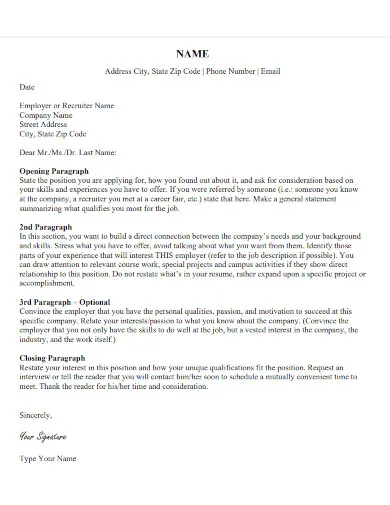
The traditional cover letter format is the most formal. It’s suitable for professional environments and industries where formality is valued. It follows a clear structure and emphasizes your qualifications and experience.
Elements of the Traditional Format
- Your contact information at the top, followed by the date and the employer’s contact information.
- A formal salutation, such as ‘Dear Mr./Ms. [Last Name]’, or ‘Dear Hiring Manager’.
- An introductory paragraph stating the position you’re applying for and how you learned about it.
- Body paragraphs detailing your relevant skills, experiences, and how they align with the job requirements.
- A closing paragraph reiterating your interest and expressing your gratitude for the opportunity.
- A professional closing, such as ‘Sincerely’ or ‘Best regards’, followed by your typed name.
The Modern Format

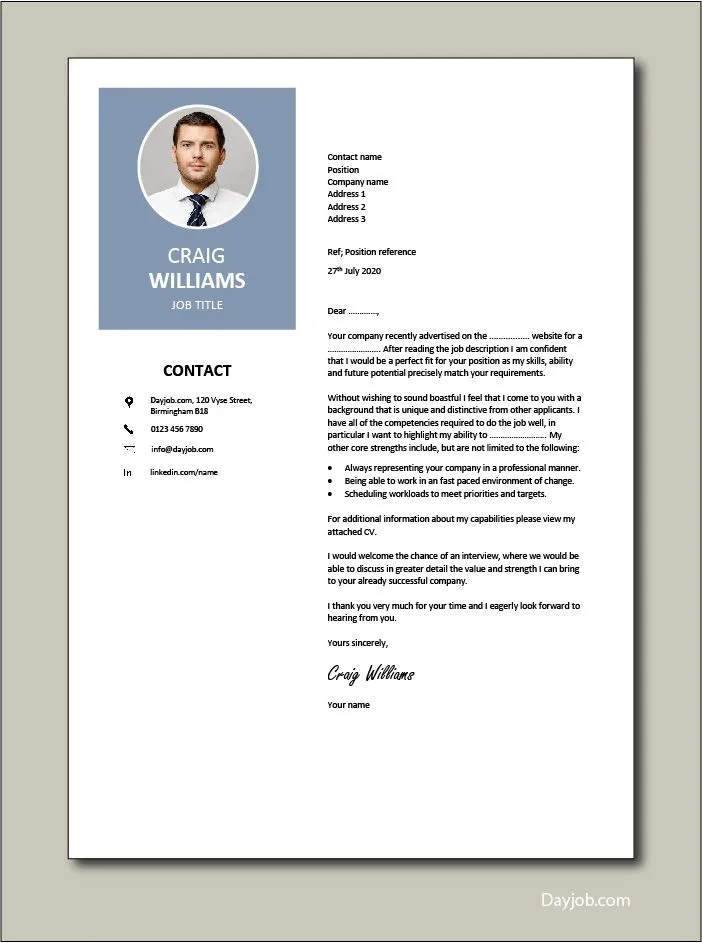
The modern cover letter format is a more streamlined and contemporary approach, suitable for creative fields, startups, and companies with a less formal culture. It’s characterized by its concise style and focus on making a quick impact.
Elements of the Modern Format
- Your contact information at the top, often including your LinkedIn profile URL.
- A brief, attention-grabbing opening statement that highlights your key skills or accomplishments.
- Two or three concise paragraphs showcasing your qualifications and explaining why you’re a good fit.
- Bullet points to emphasize key skills or achievements.
- A direct closing statement expressing your interest and call to action.
- A less formal closing, such as ‘Best’ or ‘Regards’, followed by your name.
The Hybrid Format
The hybrid format combines elements of both the traditional and modern formats. It provides a balance between professionalism and personality, making it suitable for a wide range of industries and job types.
Elements of the Hybrid Format
- Your contact information at the top, along with the date and the employer’s information.
- A professional but engaging salutation, such as ‘Dear [Hiring Manager Name]’.
- An introductory paragraph to state the position you are applying for and express your enthusiasm.
- A body section that incorporates concise paragraphs and bullet points to showcase your skills and experience.
- A closing paragraph that reiterates your interest, thanks the reader, and includes a call to action.
- A professional closing, such as ‘Sincerely’, followed by your name.
Formatting Essentials for All Cover Letters
Regardless of the format you choose, there are some formatting essentials that apply to all cover letters. These elements ensure your letter is easy to read, professional-looking, and makes a positive impression.
Font and Readability
Choose a professional and easy-to-read font, such as Times New Roman, Arial, Calibri, or Helvetica. The font size should be between 10 and 12 points. Ensure your text is clear and doesn’t appear crowded. Avoid using decorative or unusual fonts that can distract the reader.
Margins and Spacing

Set your margins to 1 inch on all sides. Use single-spacing for the body of the letter, with a double space between paragraphs. This ensures your letter looks organized and allows for easy reading. Proper spacing enhances the overall visual appeal of your cover letter.
Length and Content
Keep your cover letter concise and to the point. Ideally, it should be no more than one page. Focus on the most relevant information and avoid including unnecessary details. Each paragraph should have a clear purpose, and the overall tone should be professional and enthusiastic.
Tailoring Your Cover Letter
A generic cover letter is unlikely to impress a hiring manager. Tailoring your cover letter to each job application is essential for demonstrating your genuine interest and showcasing your qualifications. This involves researching the company and highlighting the most relevant skills and experiences.
Researching the Company

Before you start writing, research the company’s mission, values, and culture. Understand the specific requirements of the job and the skills they are looking for. This information will help you tailor your letter and demonstrate your knowledge of the company and the position.
Highlighting Relevant Skills
Carefully review the job description and identify the key skills and qualifications the employer is seeking. Highlight these skills in your cover letter, providing specific examples of how you have demonstrated them in your previous roles. Use keywords from the job description to showcase your alignment with the requirements.
Using Keywords
Incorporate keywords from the job description throughout your cover letter. This not only helps your letter stand out to the hiring manager but also makes it more likely to be noticed by applicant tracking systems (ATS). Use these keywords naturally and avoid keyword stuffing.
Proofreading and Editing

Proofreading and editing are crucial steps in the cover letter writing process. Ensure your letter is free of errors in grammar, spelling, and punctuation. A well-edited cover letter demonstrates your attention to detail and commitment to quality. Always proofread your letter multiple times and consider having a friend or family member review it as well.
Tools and Resources
Utilize online tools like grammar checkers (e.g., Grammarly) to catch any potential mistakes. Review sample cover letters and templates to get inspiration and ensure you’re following best practices. Take advantage of resources offered by your university’s career center or professional career websites for guidance and feedback.
Common Mistakes to Avoid
Avoid these common pitfalls to make sure your cover letter shines.
Contact Information Errors
Double-check your contact information for accuracy. Ensure your email address is professional and that your phone number is correct. Provide all relevant contact details for the hiring manager to easily reach you.
Generic Content
Avoid using a generic cover letter template. Tailor your letter to each specific job application and highlight the skills and experience that are most relevant to the position. Demonstrate your understanding of the company and the specific requirements of the role.
Typos and Grammatical Errors
Typos and grammatical errors can make a bad impression and undermine your professionalism. Carefully proofread your cover letter before submitting it. Use a grammar checker, and have a trusted friend or mentor review your letter for any potential mistakes.
Cover Letter Examples
Reviewing cover letter examples can provide helpful guidance and inspiration. Look for examples that are tailored to your industry and the specific roles you’re applying for. Analyze the structure, tone, and content of the examples to understand how to effectively showcase your qualifications and create a compelling cover letter.