Crafting Your Cover Letter Get Hired Fast
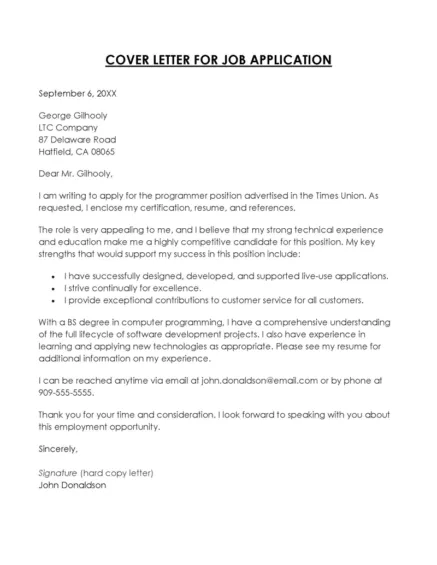
A cover letter is your first introduction to a potential employer, and in the competitive world of job hunting, making a stellar impression is paramount. For an employment agency, this is even more critical, as they act as intermediaries, presenting you to their clients. Therefore, crafting a compelling cover letter is not just about listing your qualifications; it’s about selling yourself effectively and convincing the agency that you are the perfect fit for the positions they handle. This guide will equip you with the top tips to write a cover letter that grabs attention and helps you get hired fast. We’ll cover everything from researching the agency and tailoring your letter, to showcasing your achievements and avoiding common mistakes. The goal is to present a polished, professional, and persuasive document that highlights your strengths and makes the agency eager to represent you.
Researching the Employment Agency
Before you even start writing, do your homework. Understanding the employment agency’s focus is crucial. What industries do they specialize in? What types of roles do they typically fill? Visit their website, read their mission statement, and check their social media profiles. Look for recent placements, client testimonials, and any information about their culture. This research will inform your cover letter, allowing you to tailor your language and highlight the skills and experiences most relevant to their clients’ needs. Mentioning specific clients or placements they’ve made, if appropriate, shows initiative and demonstrates that you’ve taken the time to understand their business. The more you know about the agency, the better you can position yourself as an ideal candidate.
Understanding the Agency’s Needs

Employment agencies are looking for candidates that meet their clients’ specific requirements. Therefore, your cover letter must address the agency’s needs. Analyze the job descriptions of the roles the agency typically fills. What skills and experiences are they looking for? What are the key responsibilities? Your cover letter should mirror these requirements. Demonstrate how your qualifications align with the agency’s focus. Use keywords from their website and job descriptions. This helps the agency quickly identify that you are a potential match for their clients. It’s not enough to simply list your skills; you must show how they translate into value for the agency and their clients. Prove you have what it takes to succeed in the roles they staff.
Highlighting Relevant Skills and Experience
Your cover letter should serve as a bridge between your resume and the agency’s needs. Instead of just repeating your resume, expand on the skills and experiences most relevant to the positions the agency handles. Provide specific examples of how you’ve used these skills to achieve results. Use the STAR method (Situation, Task, Action, Result) to provide compelling anecdotes. Describe the situation you were in, the task you were assigned, the actions you took, and the results you achieved. This approach brings your qualifications to life and showcases your ability to perform. Don’t be afraid to highlight any unique skills or experiences that set you apart from other candidates. Tailor your letter to show you can excel in roles they have available.
Tailoring Your Cover Letter for the Agency
Generic cover letters are a major turn-off. Tailor each cover letter to the specific employment agency you’re targeting. Address the letter to a specific person, if possible. Customize the content to reflect your research on the agency and its clients. Mention specific job postings that you’re interested in or the types of roles you’re seeking. Highlight how your skills and experiences align with the agency’s focus and their clients’ needs. This level of personalization shows the agency that you’ve taken the time to learn about them and that you are genuinely interested in working with them. A tailored cover letter demonstrates professionalism and a strong interest in the agency’s specific area of expertise.
Showcasing Your Achievements

Focus on accomplishments rather than just listing job duties. Highlight your achievements and quantify your results whenever possible. Use data and metrics to demonstrate the impact you’ve made in previous roles. Did you increase sales by a certain percentage? Did you improve customer satisfaction scores? Did you streamline a process that saved time and money? These achievements demonstrate your value and make a strong impression on the agency. Show the agency what you’ve accomplished. For example, if you increased sales by 20% in a previous role, mention the figures. This helps the agency to see your potential impact on their client’s business. Your cover letter should sell your abilities.
Quantifying Your Accomplishments
Numbers speak louder than words. Quantify your accomplishments to demonstrate the impact you’ve made. Instead of saying you “improved customer service,” state that you “increased customer satisfaction scores by 15%.” Instead of saying you “managed a team,” mention that you “led a team of 10 employees, resulting in a 10% increase in productivity.” Quantifying your achievements provides concrete evidence of your skills and abilities. It allows the agency to immediately understand the value you can bring to their clients. Use percentages, dollar amounts, and other metrics to showcase your success. Quantifying your accomplishments makes your achievements much more impactful.
Demonstrating Your Personality and Enthusiasm
While professionalism is essential, your cover letter should also reflect your personality and enthusiasm. Let your passion for your field shine through. Show that you’re genuinely interested in the types of roles the agency handles. Express your excitement about the opportunity to work with them and their clients. Use a tone that is professional but also reflects your personality. Avoid sounding generic or robotic. This helps the agency get a sense of who you are and how you might fit within their culture. A touch of personality can make your cover letter more memorable and helps you stand out from other candidates.
Formatting and Structure

A well-formatted cover letter is easy to read and visually appealing. Use a professional font, such as Times New Roman, Arial, or Calibri, and maintain consistent formatting throughout. Keep the letter concise, aiming for one page. Use clear headings and bullet points to break up text and make it easy to scan. Use proper spacing between paragraphs to improve readability. Ensure your letter is free of grammatical errors and typos. A clean, well-structured letter conveys professionalism and attention to detail, both qualities that employment agencies value. Always proofread your cover letter before sending it.
Using Action Verbs
Start your sentences with strong action verbs to make your cover letter more dynamic and engaging. Instead of writing “Responsible for managing projects,” write “Managed projects successfully, delivering them on time and within budget.” Action verbs demonstrate your ability to take initiative and get things done. Examples of effective action verbs include achieved, led, developed, implemented, improved, increased, and managed. Using action verbs helps make your accomplishments more persuasive and compelling. It makes your cover letter more impactful and shows the agency that you’re a results-oriented candidate.
Proofreading and Editing
Typos and grammatical errors can damage your credibility. Always proofread your cover letter carefully before sending it. Read it aloud to catch any awkward phrasing or missing words. Ask a friend or colleague to review it as well. A fresh pair of eyes can often spot errors that you might have missed. Ensure that your letter is free of any mistakes. Proofreading is a critical step in the process. Before sending your cover letter, review it again for any formatting inconsistencies. Proofreading shows attention to detail and professionalism. It demonstrates that you value quality in your work and will not make careless errors.
Common Mistakes to Avoid in a Cover Letter

Avoid common mistakes that can undermine your application. Do not use generic templates; always tailor your letter. Refrain from simply repeating your resume; provide additional insights and examples. Avoid clichés and overused phrases. Don’t be overly formal or impersonal. Avoid any negative comments about previous employers. Make sure not to exceed one page. Errors like these can create a negative impression and reduce your chances of getting hired. By avoiding common mistakes, you increase the chances of your cover letter making a positive impact. Always proofread to catch any errors or any awkward phrases.
Sending and Following Up
Once your cover letter is ready, send it in a professional format, preferably as a PDF. Follow the agency’s instructions on how to submit your application. After submitting your cover letter and resume, follow up with the agency to express your interest. A phone call or an email a week or two after submission is an appropriate way to check on the progress. Express your continued interest in the position and ask if they need additional information. This shows your initiative and interest. A thoughtful follow-up can set you apart. Make sure to tailor your follow-up to the agency. Be polite and professional in all your communications.