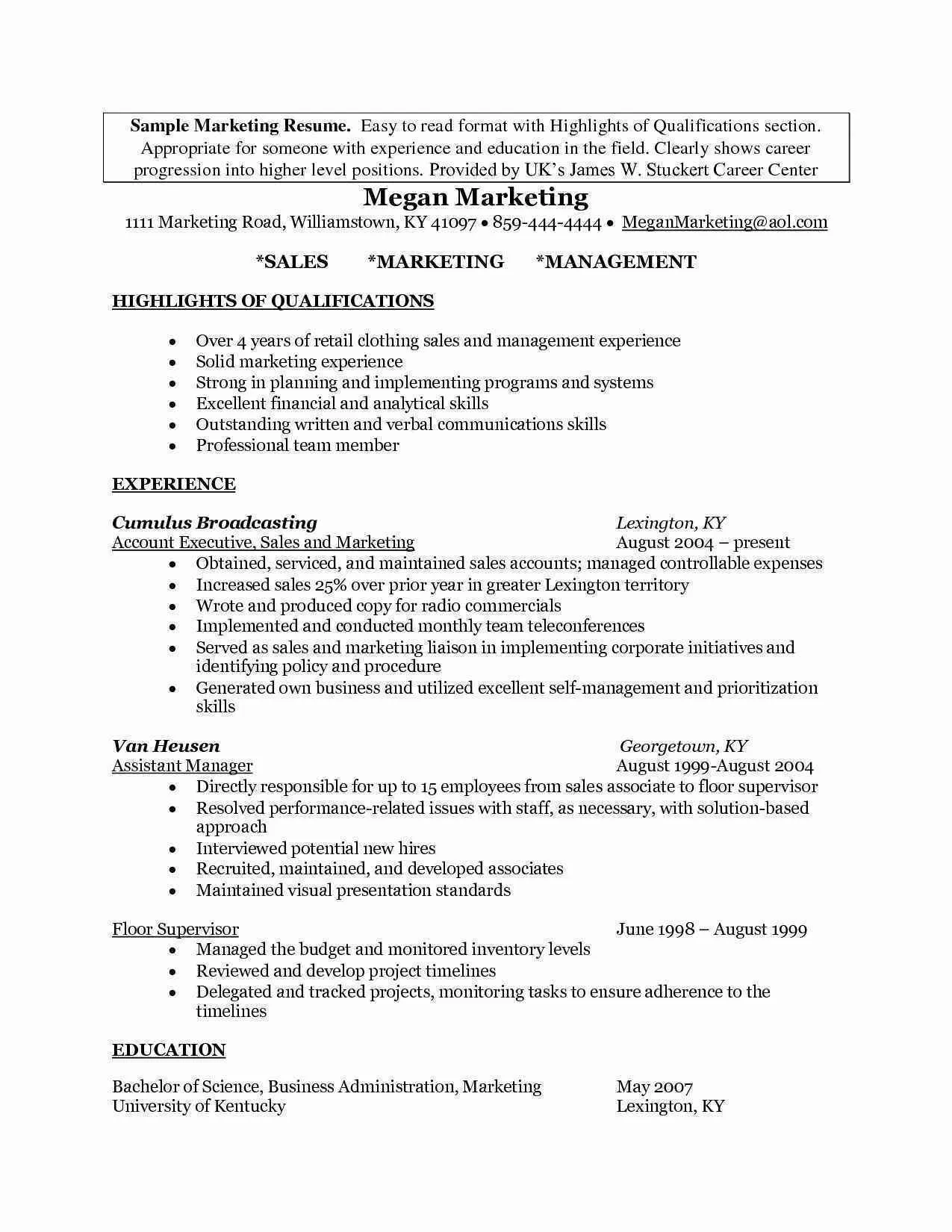
Cover Letter Maker Tips to Get Hired
Crafting a compelling cover letter is a crucial step in the job application process. It’s your first impression, a chance to showcase your personality, and a way to highlight why you’re the perfect fit for the role. A well-written cover letter can significantly increase your chances of getting an interview. Let’s dive into the top 5 tips that the best cover letter maker tools and experts recommend to make your cover letter stand out and get you hired. Remember, your cover letter is not just a formality; it’s your personal marketing tool, designed to sell you to a potential employer.
Crafting Your Opening
The opening of your cover letter is your hook. It needs to grab the reader’s attention immediately. Avoid generic greetings like ‘Dear Sir/Madam’. Instead, research the hiring manager’s name and address them directly. Start with a strong statement that immediately conveys your interest in the specific position and the company. Consider mentioning something specific that attracted you to the role or the organization. A compelling opening sets the tone for the rest of your letter and encourages the reader to continue. Your goal here is to quickly establish a connection and show that you’ve done your homework.
Highlighting Relevant Skills

This is where you connect your skills to the job requirements. Carefully review the job description and identify the key skills and qualifications the employer is seeking. Then, in your cover letter, provide specific examples of how you’ve demonstrated those skills in previous roles or projects. Use action verbs to describe your accomplishments and quantify your achievements whenever possible. This section should be more than a simple list; it’s about demonstrating how you can add value to the company by connecting your skill set to the needs of the position. Use the best cover letter maker to identify those skills to make it easier.
Showcasing Your Achievements
Don’t just list your responsibilities; showcase your achievements. Focus on what you accomplished in previous roles and how you made a positive impact. Use the STAR method (Situation, Task, Action, Result) to structure your examples. Describe the situation, the task you were assigned, the actions you took, and the results you achieved. Quantify your accomplishments with numbers or percentages to provide concrete evidence of your success. For instance, instead of saying ‘Managed social media accounts,’ say ‘Increased social media engagement by 30% in six months by implementing a new content strategy.’ Your cover letter should be filled with these success stories.
Tailoring to the Job Description
Never send a generic cover letter. Each cover letter should be tailored to the specific job and company you’re applying to. Research the company’s values, mission, and culture. Show that you understand their needs and how your skills and experience align with their goals. Mention specific projects or initiatives that resonate with the company. Demonstrate your genuine interest and enthusiasm for the role and the organization. Customizing your cover letter shows that you’ve put in the effort and are truly interested in the opportunity. This is where a cover letter maker can truly help you with customization.
Proofreading and Formatting

Before submitting your cover letter, meticulously proofread it for any typos, grammatical errors, or formatting inconsistencies. A polished cover letter demonstrates attention to detail and professionalism. Use a clear and easy-to-read font, and maintain consistent formatting throughout the document. Ensure your paragraphs are well-structured and that the letter is easy to read. Consider having a friend or colleague review your cover letter as a fresh pair of eyes can often catch errors that you might miss. Always remember to save your cover letter in a professional format, such as PDF, to preserve the formatting.
Why You Need a Cover Letter
In today’s competitive job market, a cover letter is more than just a formality; it’s a crucial tool in your job search. It gives you the opportunity to provide context to your resume, showcase your personality, and demonstrate your genuine interest in the role. A cover letter allows you to go beyond the bullet points on your resume and tell a story about your skills, experiences, and career aspirations. Without one, you risk missing out on an important opportunity to make a strong first impression. Even if a company doesn’t explicitly require a cover letter, it’s generally a good idea to include one.
The Purpose of a Cover Letter
The primary purpose of a cover letter is to introduce yourself to the hiring manager and express your interest in the position. It’s a chance to elaborate on your resume, highlighting relevant skills and experiences that align with the job requirements. A well-crafted cover letter should also explain why you’re a good fit for the company and the specific role. It allows you to showcase your writing skills, communication abilities, and personality, giving the hiring manager a better sense of who you are as a professional. The cover letter is your chance to make a memorable first impression.
How a Cover Letter Helps

A cover letter significantly enhances your job application by providing context and showcasing your personality. It allows you to explain any gaps in your employment history, address specific requirements mentioned in the job description, and demonstrate your enthusiasm for the role. A strong cover letter can also help you stand out from other candidates, especially if you have transferable skills that aren’t immediately apparent from your resume. It also serves as a tool to demonstrate your writing and communication abilities, which are crucial in most professional roles. Your cover letter is an opportunity to connect with the hiring manager on a personal level.
Best Practices
To write an effective cover letter, several best practices should be followed. These practices include proper formatting, using professional language, tailoring the letter to the specific job, and proofreading meticulously. A well-written cover letter shows that you’ve put thought and effort into your application, making a positive impression on the hiring manager. Understanding these principles is vital to creating a letter that helps you get noticed. With the help of a cover letter maker, this can be done with ease.
Formatting Your Cover Letter
Formatting plays a crucial role in the readability and overall appeal of your cover letter. Use a professional-looking font like Times New Roman, Arial, or Calibri in a readable size (11 or 12 points). Keep your paragraphs concise and avoid long blocks of text. Use a standard business letter format, with your contact information at the top, the date, the hiring manager’s name and title, and a formal salutation (e.g., ‘Dear Mr./Ms. [Last Name]’). Ensure proper spacing between paragraphs and sections to make the letter easy to scan. Consistency is key, so maintain a consistent font size and style throughout the document. Using the best cover letter maker tools help with formatting.
Tone and Language

The tone and language you use in your cover letter should be professional, enthusiastic, and confident. Avoid using overly casual language or slang. Use active voice to describe your accomplishments and skills. Maintain a positive and upbeat tone throughout the letter. While highlighting your achievements, avoid boasting or sounding arrogant. Instead, focus on the value you can bring to the company. Proofread your cover letter carefully to eliminate any grammatical errors or typos, as these can detract from your professionalism. A cover letter maker can assist you with the right tone and word choice.
Keywords and SEO
Just as with a resume, incorporating relevant keywords from the job description into your cover letter can help your application stand out. Applicant Tracking Systems (ATS) often scan cover letters for these keywords. Identify the key skills, qualifications, and requirements listed in the job posting. Naturally integrate these keywords into your cover letter, without stuffing them. Use synonyms and related terms to maintain a natural flow. This approach increases the chances of your cover letter being noticed by both the ATS and the hiring manager. Make sure the keywords align with your actual skills and experiences.
Examples and Templates
To effectively create a cover letter, it helps to familiarize yourself with different examples and templates. Many online resources provide cover letter templates tailored to various industries and job roles. These templates can serve as a starting point, helping you understand the structure and formatting best suited for your application. By studying different examples, you can learn how to highlight your skills and experiences effectively, crafting a compelling narrative that resonates with potential employers. A cover letter maker can also provide you with a variety of customizable templates.
Cover Letter Template

A standard cover letter template usually includes the following elements Your contact information, the date, the hiring manager’s name and title (if known), a salutation, an introductory paragraph that states your interest in the position and where you saw the job posting, a paragraph or two highlighting your relevant skills and experiences, a paragraph explaining why you’re a good fit for the company and the role, and a closing paragraph expressing your gratitude and reiterating your interest in an interview. You can personalize the template to fit the specific requirements of each job application. You can find a suitable template using a cover letter maker.
Example Cover Letter
An example cover letter would usually follow a specific format. The opening paragraph should express enthusiasm for the role and state where you found the job posting. The following paragraphs should showcase your skills and accomplishments, providing evidence of your abilities and experiences. It should be focused on the job description, highlighting your transferable skills. The closing paragraph should re-iterate your interest and include a call to action, inviting the hiring manager to contact you for an interview. The best cover letter maker tools often offer example cover letters to guide you.
Common Mistakes to Avoid
When crafting a cover letter, it’s essential to avoid common mistakes that can undermine your application. These mistakes can range from a poor opening to a lack of personalization, which can result in your cover letter being overlooked. By being aware of these pitfalls, you can ensure your cover letter is polished, professional, and effective in conveying your qualifications to potential employers. Make use of a cover letter maker to help with mistakes.
Generic Letters

One of the most significant mistakes is sending out generic cover letters. A generic letter lacks personalization and fails to demonstrate your genuine interest in the specific role or company. Hiring managers can easily spot a generic cover letter, as it doesn’t address the job description or company-specific needs. Always tailor your cover letter to the specific requirements of the job and company. Doing so demonstrates that you’ve put in the effort and that you’re genuinely interested in the opportunity. Always research the company before applying.
Typos and Grammatical Errors
Typos and grammatical errors can severely damage the credibility of your cover letter. Errors can suggest a lack of attention to detail and a lack of professionalism. Before submitting your cover letter, carefully proofread it for any spelling, grammar, or punctuation mistakes. Consider using grammar-checking software or asking a friend or colleague to review your letter. A flawless cover letter enhances your chances of making a positive first impression. Always check your work before submission.
Negative Language
Avoid using negative language in your cover letter. Stay away from criticizing previous employers or dwelling on negative experiences. Frame your experiences positively, focusing on what you learned and how you overcame challenges. Instead of saying, ‘I didn’t get along with my previous boss,’ focus on ‘I developed strong conflict-resolution skills.’ Using positive language enhances your professionalism and demonstrates your ability to handle difficult situations. Always be positive and focus on solutions.
Conclusion
Creating a compelling cover letter can significantly increase your chances of getting hired. By following these tips, you can create a cover letter that highlights your skills, showcases your achievements, and demonstrates your genuine interest in the role and the company. Remember to tailor your cover letter to each job, proofread it meticulously, and use a professional tone. A well-crafted cover letter is your personal marketing tool, so use it wisely and you’ll be well on your way to landing your dream job. A cover letter maker can guide you throughout this process, making it easier for you.