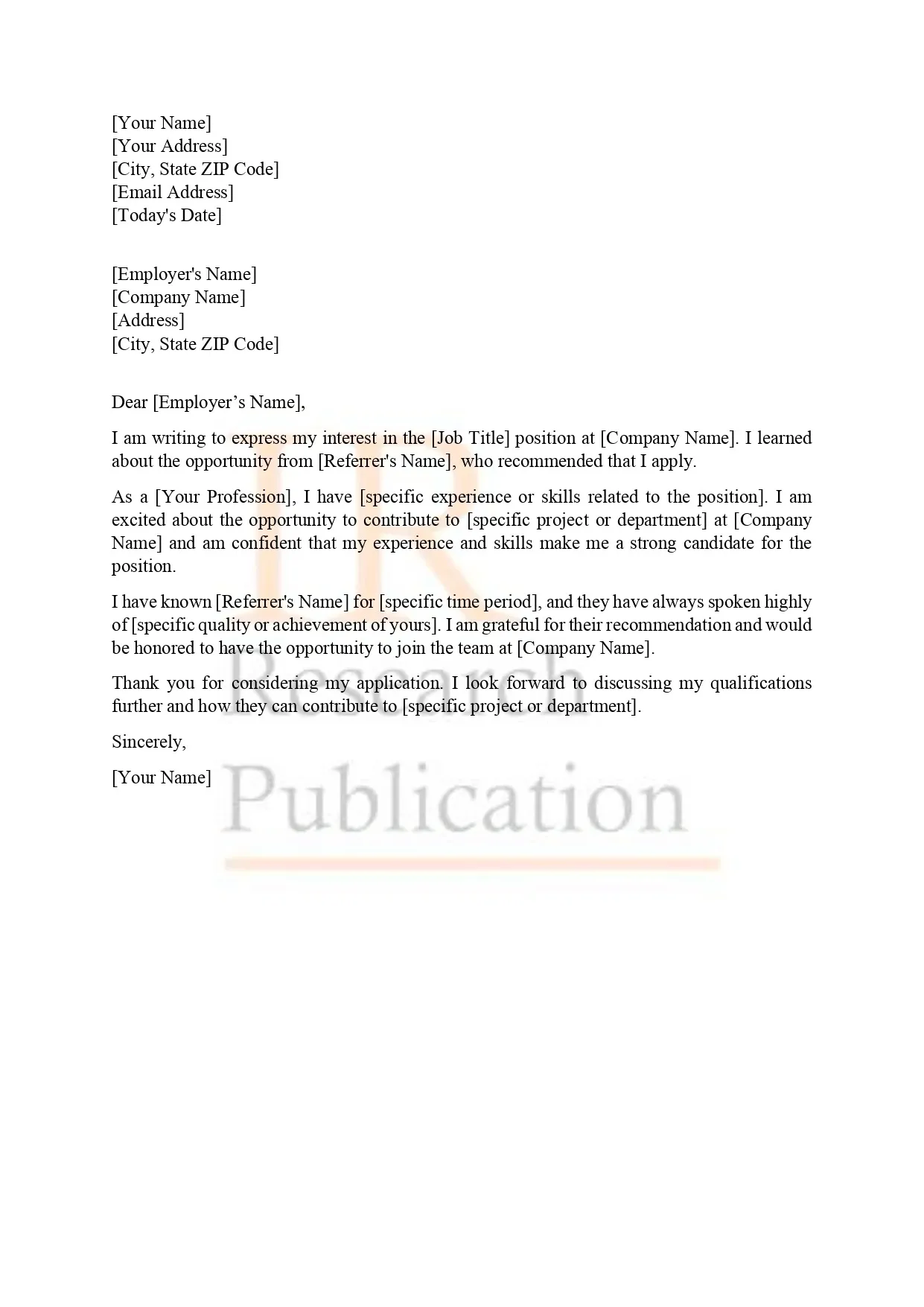
What is a Cover Letter?
A cover letter is a crucial document that accompanies your resume when applying for a job. It serves as a personalized introduction, allowing you to showcase your skills, experience, and qualifications in a way that a resume alone cannot. Unlike a resume, which provides a factual summary of your work history, a cover letter offers the opportunity to explain why you are the perfect fit for a specific role and company. It demonstrates your interest, enthusiasm, and writing abilities, making it an essential component of a successful job application. A well-crafted cover letter can significantly increase your chances of getting noticed by hiring managers and securing an interview.
Why is a Cover Letter Important?
The importance of a cover letter cannot be overstated. It’s your chance to make a strong first impression and differentiate yourself from other applicants. Many employers use cover letters as a screening tool to assess your communication skills, attention to detail, and overall suitability for the role. A compelling cover letter demonstrates your understanding of the job requirements and your genuine interest in the company. It allows you to elaborate on your accomplishments, providing context and highlighting how your skills and experiences align with the employer’s needs. In addition, it is a way to make your application stand out from the rest and show your personality.
Key Components of a Cover Letter

A well-structured cover letter typically includes several key components. These elements work together to create a cohesive and persuasive narrative, effectively presenting your qualifications and enthusiasm. Understanding these components is fundamental to creating a cover letter that captures attention and leaves a lasting impression. Ensure you include the essential parts to make a professional document, one that shows you understand how to make a great application.
Header Details
The header of your cover letter should include your contact information – your name, address, phone number, and email address. This information should be clearly visible at the top of the document, enabling the recruiter to easily contact you. Use a professional font and formatting to keep the header neat and easy to read. If you have a professional online profile, like a LinkedIn profile, you can include the URL here as well.
Recipient Information
Directly below your header, include the recipient’s details. If possible, address your cover letter to a specific person, like the hiring manager. Research the hiring manager’s name and title to personalize your letter. If you can’t find a specific person, address your letter to the hiring team or the relevant department. Including specific details show you’ve put time and effort into the application process.
Salutation

The salutation is your greeting to the recipient. A professional salutation, such as “Dear Mr./Ms. [Last Name],” is preferred. If you don’t know the name of the hiring manager, you can use “Dear Hiring Manager” or “Dear [Department Name] Team.” Avoid generic greetings like “To Whom It May Concern.” The salutation sets the tone for the rest of the letter; ensure it’s appropriate and reflects the professional environment.
Body Paragraphs
The body paragraphs are the core of your cover letter. They should be well-structured and persuasive. The number of paragraphs may vary, but each one should serve a specific purpose. Ensure each paragraph links with the other, and makes sense as one document.
First Paragraph Grab Attention
The first paragraph should capture the reader’s attention and state the purpose of your letter. Mention the specific job you are applying for and where you saw the job posting. Briefly explain why you are interested in the position and the company. This paragraph is your opportunity to create a positive first impression and motivate the hiring manager to continue reading your letter. The best first paragraphs are usually a short overview of your understanding of the role.
Second Paragraph Showcase Skills

In the second paragraph, highlight your relevant skills and experience. Align your qualifications with the job requirements mentioned in the job description. Provide specific examples of how you’ve demonstrated these skills in previous roles or projects. Quantify your achievements whenever possible. Show how your skills have led to measurable results. Focus on key skills and expertise that directly match the job requirements.
Third Paragraph Mention References
In the third paragraph, which might also be the second or fourth, depending on your letter’s structure, you can mention your references. This is where you would indicate that you are happy to provide references upon request. You can also let the hiring manager know if you have already included the references in your application.
Call to Action
The call to action is a closing statement that encourages the hiring manager to take the next step. Express your enthusiasm for the opportunity and reiterate your interest in the role. Invite the hiring manager to contact you for an interview and thank them for their time and consideration. Make sure you indicate when you are available for an interview.
Closing and Signature

End your cover letter with a professional closing, such as “Sincerely,” “Best regards,” or “Thank you.” Leave a space for your signature if you are printing and mailing the letter; otherwise, type your full name below the closing. This final touch reinforces your professionalism and leaves a positive impression on the reader. Ensure your name matches the one included in your header.
Including References in Your Cover Letter
There are a couple of effective ways to handle references in your cover letter. You can choose to state that references are available upon request, keeping your letter concise. Alternatively, you can briefly mention that you have provided references separately, usually on your resume or in a dedicated reference document. Both options are acceptable. The most important thing is to ensure you have references ready to be provided should the need arise.
How to Format Your Reference Section
If you are providing a separate reference document, format it professionally and easy to read. Include a header with your name and contact information, mirroring the style of your resume and cover letter. For each reference, include their full name, job title, company, phone number, and email address. It’s also helpful to mention your relationship with the reference (e.g., former supervisor). Ensure all contact information is accurate and up-to-date. Also, you should notify your references before using their names on an application.
Reference Contact Information

Make sure the contact information you provide for your references is accurate. Double-check phone numbers and email addresses for any errors. Incorrect information can delay the hiring process and potentially damage your credibility. Always ask your references for their preferred contact details, and keep your reference list updated. You may also consider providing the reference’s LinkedIn profile URL, if available and if the reference agrees.
Best Practices for Cover Letters
Writing a great cover letter requires careful attention to detail and a strategic approach. By following best practices, you can significantly improve your chances of landing an interview. Always keep in mind that the cover letter is part of the first impression the company has of you, so it needs to be a great one. A great cover letter goes beyond the job description and tells a story about how you fit with the company.
Proofread Carefully
Proofreading your cover letter is essential. Errors in grammar, spelling, and punctuation can undermine your credibility and make a negative impression on the hiring manager. Read your cover letter multiple times, and consider having a friend or colleague review it as well. Use spell-check and grammar-check tools, but don’t rely on them entirely. Thorough proofreading ensures your cover letter is polished and professional.
Tailor to the Job

Always tailor your cover letter to the specific job and company. Don’t send a generic cover letter for all applications. Research the company and understand the job requirements. Highlight the skills and experiences most relevant to the position. Customizing your cover letter shows that you’ve taken the time to understand the role and are genuinely interested in the opportunity.
Highlight Achievements
Focus on your achievements rather than just listing your responsibilities. Quantify your accomplishments whenever possible. Use numbers and data to demonstrate your impact. For example, instead of saying “Managed social media accounts,” say “Increased social media engagement by 30% in six months.” Highlighting your achievements makes your cover letter more compelling and memorable.
Cover Letter Examples
There are many cover letter examples available online that can serve as a starting point or inspiration for your own letter. Look for examples that align with your industry and the type of job you’re seeking. Adapt the examples to reflect your own skills, experience, and personality. However, do not copy an example verbatim; customize it to make it your own and to match the specific role.
Cover Letter Template
Creating a cover letter template can save you time and effort when applying for multiple jobs. Start with a basic template that includes the key components of a cover letter. Leave placeholders for the specific details you’ll need to customize for each application. Using a template ensures consistency and helps you avoid overlooking essential elements.
Common Mistakes to Avoid
Avoiding common mistakes can dramatically improve the quality of your cover letter. Poorly written cover letters can lead to rejection. By knowing what mistakes to avoid, you can create a document that stands out and will hopefully lead to your hiring. Be careful to avoid the common issues so your cover letter is seen as professional.
Overused Phrases
Avoid using overused phrases, such as “I am writing to express my interest,” or “Please find attached my resume.” These phrases are generic and can make your cover letter sound impersonal. Instead, use strong, action-oriented language that showcases your skills and enthusiasm. Be original and avoid clichés. The more original your letter, the better the chance it will get noticed.
Typos and Grammatical Errors
Typos and grammatical errors can damage your credibility. Always proofread your cover letter carefully. Use spell-check and grammar-check tools, but don’t rely on them completely. Ask a friend or colleague to review your letter. Ensure your cover letter is error-free. Sloppy writing suggests a lack of attention to detail and professionalism.
Ignoring the Job Description
Failing to address the job description is a critical mistake. Tailor your cover letter to the specific requirements and keywords mentioned in the job posting. Explain how your skills and experience align with the employer’s needs. Ignoring the job description indicates a lack of attention to detail and a lack of genuine interest in the role.
Conclusion
Mastering the art of writing a great cover letter requires time, effort, and attention to detail. By understanding the key components, following best practices, and avoiding common mistakes, you can create a cover letter that effectively showcases your qualifications and helps you land an interview. A well-crafted cover letter is an investment in your job search, and it can significantly increase your chances of success. This is your chance to shine and let the hiring manager know why they should consider you.