Cover Letter Mastery Top 7 Secrets
In the competitive world of job applications, a well-crafted cover letter can be your secret weapon. It’s your chance to make a strong first impression and convince potential employers that you’re the perfect fit for the role. While resumes provide a snapshot of your skills and experience, cover letters allow you to tell your story, highlight your achievements, and demonstrate your enthusiasm for the position. This article will dive into the top 7 secrets of cover letter mastery, equipping you with the knowledge and tools to create compelling cover letters that get you noticed and land you interviews.
Highlight Your Skills & Experiences
Your cover letter is your opportunity to showcase the skills and experiences most relevant to the job you’re applying for. Don’t just rehash your resume; instead, provide context and demonstrate how your past experiences have prepared you for this specific role. Identify the key requirements mentioned in the job description and tailor your examples to highlight how you’ve successfully utilized these skills in previous positions. Quantify your achievements whenever possible by using numbers and data to illustrate your impact. For example, instead of saying “Managed social media campaigns,” you could write “Increased social media engagement by 30% through targeted content strategies.” This approach provides tangible evidence of your capabilities and makes your application more persuasive.
Tailor Your Letter to the Job

Generic cover letters are easily spotted and often end up in the rejection pile. A successful cover letter is highly tailored to the specific job and company you’re applying to. Carefully review the job description and identify the key skills, qualifications, and requirements the employer is seeking. Then, customize your cover letter to address these specific points, demonstrating how your skills and experiences align with their needs. This shows that you’ve taken the time to understand the role and are genuinely interested in the opportunity. Mentioning the company’s name and referencing specific projects or initiatives shows that you’ve done your research and are not just sending out a generic application.
Demonstrate Company Research
Before you start writing your cover letter, do your homework on the company. Research their mission, values, recent news, and projects. This information will help you tailor your letter and demonstrate genuine interest. Show your understanding of the company’s goals and how your skills and experience can contribute to their success. For example, if the company recently launched a new product, you could mention how your experience in a similar field would help them achieve their marketing objectives. Highlighting your understanding of the company’s needs makes your cover letter more relevant and increases your chances of getting an interview. This level of personalization sets you apart from other candidates.
Use Strong Action Verbs
Action verbs are the lifeblood of a compelling cover letter. They bring your accomplishments to life and make your writing more dynamic and engaging. Instead of using passive phrases like “Responsible for,” use strong action verbs like “Managed,” “Led,” “Developed,” “Implemented,” and “Achieved.” These verbs convey confidence and demonstrate your proactive approach. When describing your accomplishments, use action verbs to highlight what you did, how you did it, and the positive results you achieved. This approach helps the hiring manager quickly understand your value and the impact you can make in their organization. Your cover letter becomes a powerful tool that clearly highlights your abilities.
Showcase Your Personality

While professionalism is essential, don’t be afraid to let your personality shine through in your cover letter. The cover letter is your opportunity to make a connection with the hiring manager on a more personal level. Use a conversational tone and let your enthusiasm for the role and company come through. Inject a bit of your unique style and personality to make your application memorable. However, always maintain a professional tone and avoid using overly casual language or slang. The goal is to be authentic and show the hiring manager who you are beyond your skills and experience. This helps the recruiter get a sense of who you are and if you’re a good fit for the company culture.
Proofread, Proofread, Proofread
Typos, grammatical errors, and formatting inconsistencies can undermine your credibility and damage your chances of getting an interview. Before you submit your cover letter, meticulously proofread it multiple times. Use a spell checker and grammar checker, but don’t rely solely on these tools. They can miss subtle errors. Read your cover letter aloud to catch awkward phrasing or run-on sentences. Consider asking a friend, family member, or career counselor to review your cover letter for a fresh perspective. A polished, error-free cover letter demonstrates your attention to detail and professionalism, making a positive impression on the hiring manager. This simple step significantly boosts your application’s overall impact.
Follow-Up Appropriately
After submitting your cover letter and resume, consider following up with the hiring manager or recruiter. However, timing is crucial. Wait a week or two after the application deadline before sending a brief, polite email. Express your continued interest in the position and reiterate your qualifications. If you’ve had an interview, you can send a thank-you note. This follow-up demonstrates your proactive approach and genuine interest in the role. It keeps your name top of mind and allows you to reinforce your qualifications. However, avoid being overly persistent or sending multiple follow-up emails, which can be perceived as annoying. A single, well-timed follow-up can make a positive impact.
Why a Cover Letter Matters

In a world where resumes often get the first look, cover letters remain essential. They are not just a formality; they are a crucial tool for differentiating yourself and showcasing your value. They provide a platform to articulate your career aspirations, express enthusiasm, and directly address how your capabilities align with the job’s requirements. In addition, cover letters enable you to highlight your soft skills, such as communication, teamwork, and leadership, which are equally important as technical expertise.
First Impression is Critical
Your cover letter is your first real introduction to a potential employer. It sets the tone for the entire application and gives you a chance to make a strong first impression. A well-written, professional cover letter can instantly capture the hiring manager’s attention and entice them to read your resume. It’s your chance to grab the reader, communicate your passion, and make a statement right away. This first impression is vital, and the cover letter is your tool to make sure it’s a positive one. It’s an opportunity to convey your professionalism, attention to detail, and enthusiasm.
Demonstrates Communication Skills
A cover letter is a direct demonstration of your written communication skills. It shows how you can articulate your ideas, express your thoughts, and convey your message effectively. Clarity, conciseness, and proper grammar are crucial elements that hiring managers look for. Excellent communication skills are highly valued in most roles, and your cover letter provides concrete evidence of your abilities. By crafting a well-written, easy-to-read letter, you show that you can communicate clearly and professionally. This makes it a valuable indicator of your suitability for positions requiring effective written communication.
Provides Context to Your Resume

Your resume provides a summary of your experiences and skills, but it often lacks the context needed to fully understand your value. A cover letter fills this gap by providing context and explaining how your skills and experiences relate to the specific job and the company’s needs. It allows you to elaborate on your accomplishments, explain any gaps in your employment history, and demonstrate your understanding of the role. It also gives you the opportunity to highlight your transferable skills, and your unique perspective on how you can contribute to the company. Without it, some crucial details might be missed, decreasing your chances of moving to the next stage of the process.
Helps You Stand Out From the Crowd
In a sea of applications, a well-crafted cover letter can make you stand out from the crowd. While many candidates send generic resumes, a personalized cover letter shows that you’ve taken the extra effort to tailor your application to the specific opportunity. By demonstrating your knowledge of the company, highlighting relevant skills, and expressing your enthusiasm, you can differentiate yourself from other applicants. A compelling cover letter shows employers you are invested in both the role and the company. It makes you more memorable and significantly increases your chances of getting noticed and, more importantly, securing an interview. Make your cover letter your opportunity to shine.
Common Cover Letter Mistakes to Avoid
Avoiding common mistakes is crucial for a successful cover letter. Here are some pitfalls to watch out for, so you don’t accidentally eliminate your chances of getting an interview.
Generic and Vague Language

Using generic and vague language is a sure way to make your cover letter forgettable. Avoid phrases that could apply to any job or any candidate. Instead, provide specific examples, quantify your achievements, and tailor your language to the specific requirements of the job and the company. Generic language shows a lack of personalization and effort. Specific, tailored language immediately grabs the reader’s attention and demonstrates your genuine interest. Use strong action verbs and clear, concise sentences to highlight your achievements, and the results you achieved. Show the hiring manager that you understand what they need.
Focusing on What You Want
A common mistake is focusing too much on what you want from the job and not enough on what you can offer the employer. While it’s important to express your career goals, your cover letter should primarily focus on the value you can bring to the company. Highlight how your skills and experiences align with the job description and how you can contribute to the company’s success. Make it clear how your past actions and knowledge will help them achieve their goals. Show the hiring manager why you’re a good fit by focusing on your abilities and the benefits you can bring to the organization. Focus on offering solutions.
Ignoring the Job Description
Ignoring the job description is a serious misstep. The job description provides crucial insights into the employer’s needs and expectations. Failing to address these requirements in your cover letter shows that you haven’t taken the time to understand the role or the company. Thoroughly review the job description, identify the key skills and qualifications they are seeking, and tailor your letter to address those specific points. Make it clear that you meet their needs and that you are a suitable candidate. If you overlook the details, it’s easy to overlook the opportunity. The better aligned you are, the better your chances are.
Typos and Grammatical Errors

Typos and grammatical errors can be detrimental to your application. They suggest a lack of attention to detail and professionalism. Proofread your cover letter carefully before submitting it. Use a spell checker and grammar checker, but don’t rely solely on these tools. Read your cover letter aloud to catch any awkward phrasing or errors. Ask a friend or family member to review your letter for a fresh perspective. A clean, error-free cover letter shows that you care about the details and are committed to producing high-quality work. Errors show a lack of care that damages your chances.
How to Format Your Cover Letter
Proper formatting is essential to ensure your cover letter is easy to read and visually appealing. Follow these formatting guidelines to create a professional-looking cover letter that makes a good impression.
Header & Contact Information
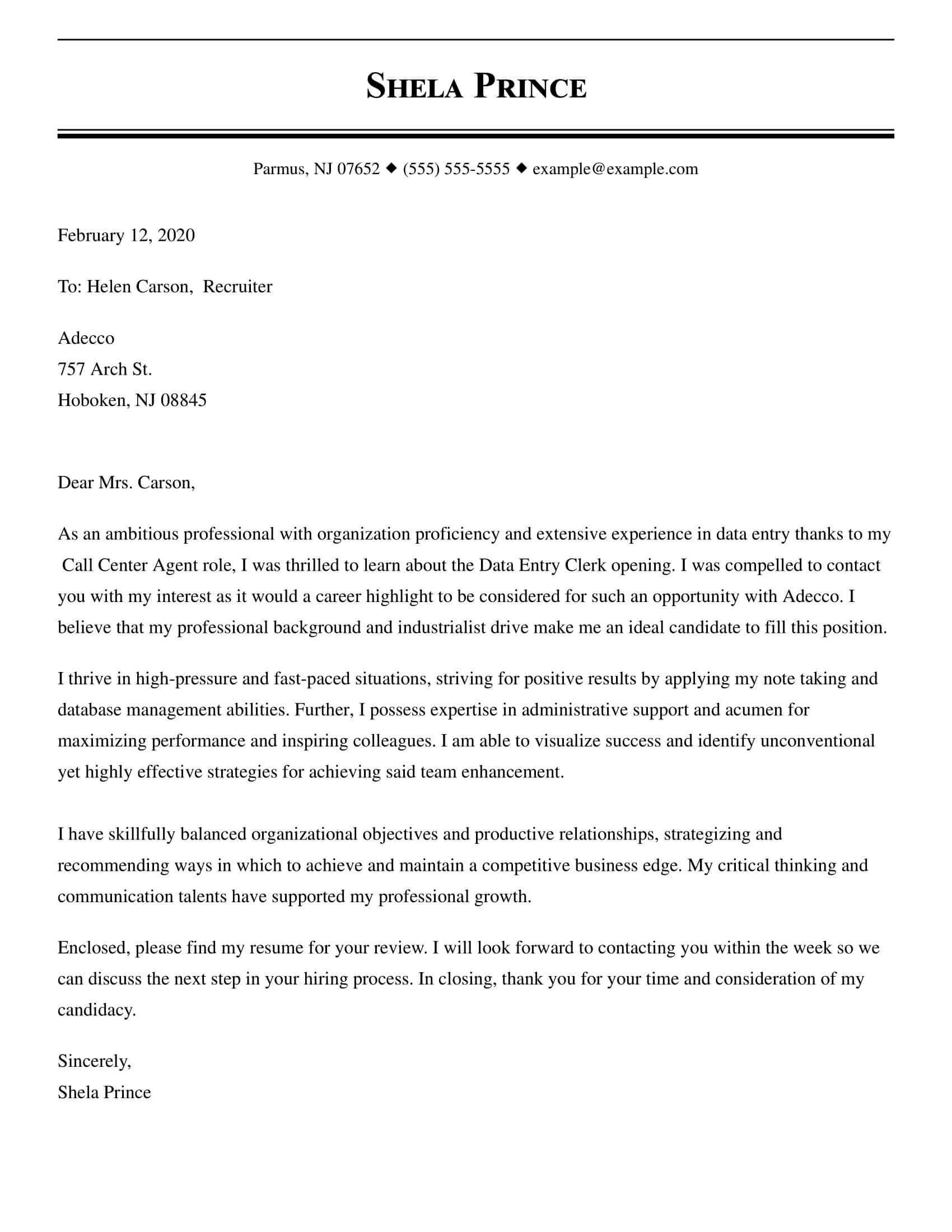
Start with a header that includes your name, address, phone number, and email address. You can include the date and the hiring manager’s name and title (if known). Make sure your contact information is accurate and up-to-date. Presenting the information in a clear, organized manner is important. Make sure the format is consistent with the formatting of the rest of your document. Your contact information is how they will reach you, and they need to be able to do so.
Professional Salutation

Use a professional salutation, such as “Dear Mr./Ms./Mx. [Last Name]” or “Dear Hiring Manager.” Avoid using casual salutations like “Hi” or “Hello.” If you can’t find the hiring manager’s name, use a general salutation like “Dear Hiring Team” or “To Whom It May Concern.” Correct salutations show that you’ve taken the time to address the recipient properly. If you are applying through an online application system, make sure to adjust for how that is handled.
Compelling Opening Paragraph
Your opening paragraph should grab the reader’s attention and clearly state the purpose of your cover letter. Mention the specific job you’re applying for and where you saw the job posting. Express your enthusiasm for the position and the company. Briefly highlight your key qualifications and experiences that align with the job requirements. Making a strong first impression is crucial. State your purpose for writing, and give the reader a reason to keep reading. Start strong to set the tone.
Body Paragraphs Highlighting Skills
The body of your cover letter should highlight your relevant skills and experiences. Use 2–3 paragraphs to elaborate on your qualifications and demonstrate how you meet the job requirements. Provide specific examples, and quantify your accomplishments whenever possible. Show how your skills and experiences align with the needs of the company and the role. Each paragraph should focus on a few key skills or achievements and provide context. This section demonstrates why you are a great candidate, and helps the hiring manager visualize you in the role.
Concluding with a Call to Action
End your cover letter with a clear call to action. Express your interest in the opportunity and reiterate your enthusiasm for the role and the company. Thank the hiring manager for their time and consideration. State your availability for an interview and provide your contact information. A strong call to action encourages the hiring manager to take the next step, which is typically reaching out for an interview. Do not be shy about reaching out.
Proper Closing & Signature
Use a professional closing, such as “Sincerely,” “Regards,” or “Best regards.” Sign your cover letter. If you’re submitting a digital cover letter, you can type your name or use a scanned image of your signature. Ensure your closing is professional and consistent with the tone of your cover letter. The closing confirms your professionalism. Proofread again to ensure all the information is correct and accurate. This part of the letter is the final note and needs to be perfect.