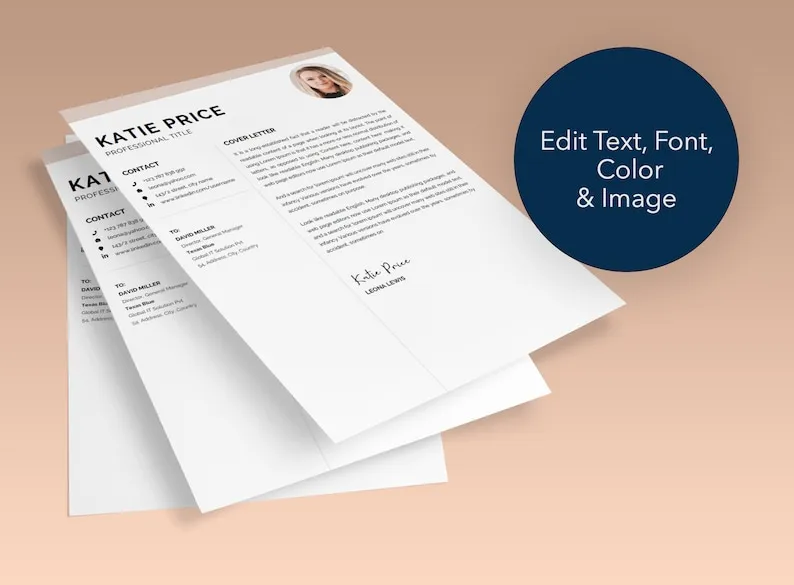
Why Use Cover Letter Microsoft Word Templates
In today’s competitive job market, a well-crafted cover letter is crucial for making a strong first impression. Cover letter Microsoft Word templates offer a convenient and effective way to create professional documents that highlight your skills and experience. These templates provide a pre-designed structure, saving you time and effort while ensuring your cover letter looks polished and professional. Using a template allows you to focus on tailoring the content to the specific job and company, rather than worrying about the formatting and layout. This approach increases your chances of capturing the hiring manager’s attention and securing an interview.
Benefits of Using Microsoft Word for Cover Letters
Microsoft Word is a widely accessible and user-friendly software for creating cover letters. Its widespread use ensures compatibility across different devices and operating systems. Word provides a vast array of features, including text formatting, spell check, and grammar check, which are essential for producing error-free documents. Furthermore, Microsoft Word’s template library offers numerous options to suit various professional fields and personal styles. Using Word for your cover letter grants you full control over the design and content, making it easy to customize and personalize your application. The ease of use and versatility of Microsoft Word make it an ideal tool for creating effective cover letters that stand out.
Top 5 Free Cover Letter Microsoft Word Templates

Finding the right template can greatly enhance your cover letter. Here are five free Microsoft Word cover letter templates, each designed with a unique style to fit your needs. These options are readily available for download and customization, allowing you to create a professional cover letter without any cost.
Template 1 Professional Design
This template emphasizes a clean, straightforward layout suitable for various industries. It uses clear headings, concise language, and a professional font to ensure readability and clarity. The professional design is perfect for those seeking positions in corporate environments where a polished and structured approach is valued. The layout provides ample space for your contact information, a brief summary of your qualifications, and detailed sections to showcase your skills and experiences.
Template 2 Modern Style
This template offers a more contemporary look with stylish design elements, such as subtle color accents and creative section dividers. It’s ideal for creative fields or positions where a modern aesthetic is appreciated. This design includes more visual appeal, making your cover letter more engaging while still maintaining a professional tone. The layout is designed to balance aesthetics with essential information, grabbing the reader’s attention quickly.
Template 3 Simple and Clean

For a minimalist approach, this template focuses on simplicity and clarity. It uses a clean, uncluttered design with ample white space to make your content easily digestible. This template is perfect for those who prefer a direct and focused approach. The minimalist style is useful for showcasing your skills and qualifications without distractions. The layout is designed to be easy to read, making it a great choice for professionals in any industry.
Template 4 Creative Layout
This template incorporates unique design elements and layouts that cater to creative professionals. It uses graphics, custom fonts, and alternative formatting to make your cover letter stand out. The creative layout helps you showcase your personal brand. This template is perfect for design, marketing, or artistic roles, highlighting creativity from the outset. The unique layout ensures your cover letter is not just read but remembered.
Template 5 Customizable Options
This versatile template allows extensive customization to suit your needs. It provides a basic structure, enabling you to add or remove sections, adjust colors, and change fonts. This template allows you to create a truly personalized document. It’s ideal if you have specific content that you want to highlight, or if you desire a particular design. The customizable nature of the template makes it easy to adapt your cover letter to different jobs and companies, increasing your chances of a perfect match.
How to Customize Your Cover Letter Templates

Once you’ve selected a template, customization is key to making it your own. Start by downloading the template and opening it in Microsoft Word. This allows you to modify the document to reflect your unique qualifications, experience, and personal brand. Remember to save the template as a new file to preserve the original template for future use. Customization allows you to tailor the cover letter to each job application, showcasing how your skills align with the specific requirements of the role.
Editing Text and Personalizing Your Template
Begin by replacing the placeholder text with your own information. This includes your contact details, the date, the hiring manager’s name (if available), and the company’s name. Then, focus on tailoring the content to the specific job. Adjust the language to match the job description, highlighting your relevant skills and experiences. Ensure that your writing style is professional and that it aligns with the tone of the company. Personalization is critical to show the hiring manager that you’ve put in the effort and that you genuinely want the job.
Formatting Tips for a Professional Look
Maintaining a professional format is crucial for making a positive impression. Use a readable font like Arial, Calibri, or Times New Roman with a font size of 10-12 points. Use appropriate headings and subheadings to organize your content and break up large blocks of text. Ensure consistent spacing, margins, and alignment throughout the document for a clean appearance. Proofread your cover letter carefully to eliminate any spelling or grammatical errors. A well-formatted cover letter demonstrates attention to detail and professionalism.
Adding Your Contact Information and Skills

Make sure your contact information is easy to find. Include your full name, phone number, email address, and professional social media profiles, such as LinkedIn. In the body of your cover letter, highlight your relevant skills and experience, drawing directly from the job description. Use action verbs to describe your accomplishments. If possible, quantify your achievements. Use bullet points to make key points stand out and make it easy for the hiring manager to grasp your qualifications quickly.
Optimizing Your Cover Letter for Applicant Tracking Systems (ATS)
Many companies use Applicant Tracking Systems (ATS) to screen resumes and cover letters. To ensure your cover letter gets noticed, optimize it for ATS compatibility. Use keywords from the job description throughout your cover letter. Avoid using graphics, tables, or unusual fonts, as these can sometimes confuse ATS software. Keep your formatting simple and use standard headings and bullet points. Saving your cover letter as a .docx file ensures compatibility with most ATS systems. By following these guidelines, you can increase the chances of your application passing through the ATS and reaching a human reader.
Key Elements to Include in Your Cover Letter
A compelling cover letter should include several key elements to make a strong impression. These sections provide a structured approach to presenting your qualifications and demonstrating your enthusiasm for the role. Each element plays a specific role in persuading the hiring manager that you are the right candidate.
Writing a Compelling Introduction

Your introduction should immediately grab the reader’s attention. State the position you’re applying for and where you found the job posting. Briefly mention why you’re interested in the role and the company. A strong opening should summarize your key qualifications and express your enthusiasm for the opportunity. Aim to showcase your interest from the start. The introduction sets the tone for the rest of the letter, so make it impactful and concise.
Highlighting Your Skills and Experience
In the body of your cover letter, highlight your relevant skills and experience. Provide specific examples that demonstrate how you meet the job’s requirements. Quantify your achievements whenever possible, and provide evidence of your accomplishments. Refer back to the job description and tailor your examples to match the employer’s needs. The key is to show how your skills and experience make you a good fit for the position. This section must provide direct relevance to the job.
Showcasing Your Achievements
Instead of just listing your responsibilities, showcase your accomplishments. Use action verbs to describe what you achieved in previous roles. Provide specific details about projects, initiatives, or results you were part of. Quantify your achievements with numbers, data, or percentages whenever possible. Demonstrate your value by focusing on your impact on your previous employers. Highlighting your achievements gives the hiring manager a clear understanding of what you can bring to the table.
How to Close Your Cover Letter Effectively

Your closing should summarize your interest in the role and reiterate your enthusiasm. Express your eagerness to discuss your qualifications in more detail and provide your contact information for easy follow-up. Thank the hiring manager for their time and consideration. Close with a professional sign-off, such as “Sincerely” or “Best regards,” followed by your name. A strong conclusion leaves a lasting positive impression and encourages the hiring manager to take the next step.
Where to Find More Cover Letter Templates
Several online resources offer a wide variety of cover letter templates beyond the Microsoft Word options. These resources provide a wide array of templates for different industries, experience levels, and personal styles. These resources offer various templates, making it easy to find one that matches your needs.
Free Template Websites and Resources
Websites such as Canva, Resume.com, and Zety offer numerous free cover letter templates that can be easily customized. These platforms usually allow you to download the templates in Word format or other compatible formats. Many career websites also provide templates, guides, and examples that can assist you in writing an effective cover letter. Explore different websites to find templates that fit your unique needs and style.
Tips for Choosing the Right Template

When selecting a cover letter template, consider your industry and the job requirements. Choose a template that aligns with the culture of the company you’re applying to. Ensure that the template allows you to showcase your most relevant skills and experiences. Test the template with your content. Make sure the layout can accommodate all the necessary information and that the design is visually appealing and easy to read. Make sure the template allows room to customize the content.
Conclusion
Cover letter Microsoft Word templates offer a powerful way to create professional and impactful cover letters. By using these templates, you can save time, ensure a polished appearance, and focus on tailoring your content to each job application. Customizing a cover letter to showcase your skills, experience, and achievements can greatly enhance your chances of landing an interview. Always remember to optimize your cover letter for Applicant Tracking Systems. With these resources, you’re well-equipped to create a cover letter that stands out and helps you achieve your career goals.