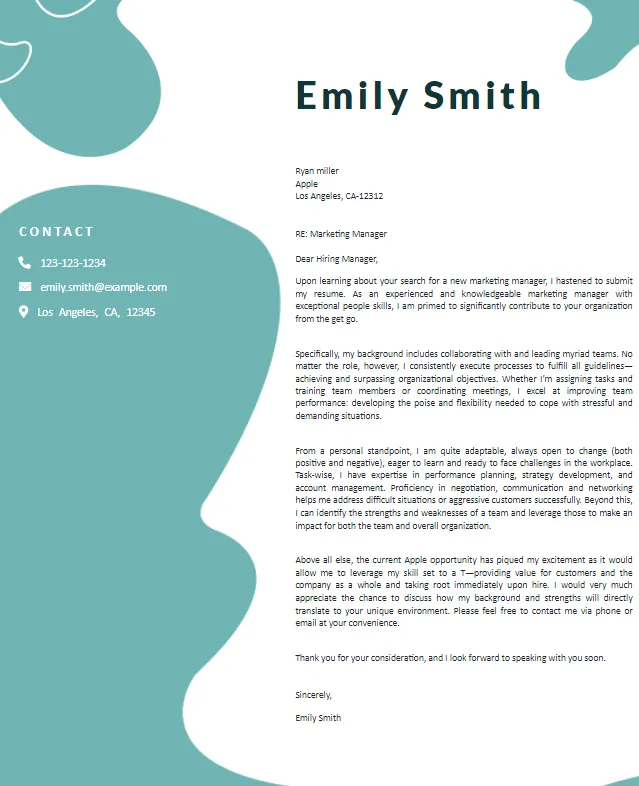
Cover Letter Name Top 5 Tips
A cover letter is your first opportunity to make a positive impression on a potential employer. One of the most critical aspects of a cover letter is how you address the recipient. Getting the name right is a small detail that can make a big difference. Using the correct name shows you’ve taken the time to research the company and are genuinely interested in the position. Conversely, an incorrect name can create an unprofessional image and potentially lead to your application being overlooked. This guide outlines five essential tips to ensure you get the name in your cover letter right, along with formatting and professionalism advice, setting you apart from other applicants and increasing your chances of landing an interview.
Use the Correct Name
This might seem obvious, but it’s the most important aspect, and many applicants get it wrong. Incorrect names are a common mistake, but easily avoidable. There are several ways to find the right name, and it’s worth the extra effort. Here’s how to ensure you’re using the correct name to make the best impression.
Research the Hiring Manager

The best way to address your cover letter is to use the hiring manager’s name. Use LinkedIn, the company website, or even a simple Google search to find the name of the person reviewing applications. Look for the person in charge of hiring for the specific role or the department head. If you can find a specific name, it personalizes the letter and shows initiative.
Check the Company Website
Many companies have a ‘Meet the Team’ or ‘About Us’ section on their website. This is a great place to find names and titles of key personnel. Even if the hiring manager’s name isn’t explicitly stated, you might find the name of the department head or a relevant contact. Use the website to make an informed decision when choosing a name to include.
When in Doubt, Use a Generic Greeting
If you can’t find a specific name, a generic greeting is better than an incorrect one. Options like ‘Dear Hiring Manager’ or ‘Dear [Department Name] Team’ are acceptable. However, always prioritize finding a specific name, as it shows that you’ve done your homework and are genuinely interested in the opportunity. See image cover-letter-name-research.webp
Customize Each Cover Letter

Each cover letter should be unique, tailored to the specific role and company. Generic cover letters often get overlooked, so take the time to ensure each letter resonates with the hiring manager and demonstrates your specific interest.
Address the Specific Role
Make sure you are applying for the right position and personalize your cover letter. Include the job title in your greeting, such as ‘Dear Hiring Manager for the Marketing Specialist position.’ This confirms that you are applying for the right job and demonstrates your attention to detail. Highlighting the job title indicates your interest and helps the hiring manager immediately understand the purpose of your letter.
Tailor to the Company Culture
Research the company’s values and culture. Use this knowledge to tailor your tone and language. If the company is known for its informal culture, you can use a slightly less formal tone in your greeting. However, it’s always best to err on the side of professionalism. This customization shows your understanding and genuine interest in the company. See image cover-letter-name-customize.webp
Proofread for Accuracy

Proofreading is crucial for every cover letter, ensuring it is polished and professional. Errors in spelling, grammar, or formatting can undermine your credibility, no matter how strong your qualifications are. Accuracy is paramount, and taking the time to proofread demonstrates your attention to detail and commitment to excellence.
Double-Check the Spelling
Misspelled names are a common and easily avoidable mistake. Always double-check the spelling of the hiring manager’s name, company names, and job titles. Use online resources, company websites, or LinkedIn profiles to verify the correct spelling. See image cover-letter-name-proofread.webp
Verify the Title and Department
Ensuring the correct title and department is also critical. Confirm the job title matches the position you are applying for and that you are addressing the appropriate department. Accuracy in these details shows you understand the role and the company’s structure. Correct titles show that you’re paying attention to details and that you care.
Use a Professional Closing

Your closing is the last impression you make. Choose a professional closing that reinforces your interest in the position and leaves the reader with a positive view of your application. A well-crafted closing will help ensure your cover letter ends on a strong note and leaves a lasting impression.
Thank the Reader for Their Time
Always thank the reader for their time and consideration. This simple gesture shows respect and appreciation. Expressing gratitude leaves a positive final impression, showing that you value the opportunity and appreciate their efforts in reviewing your application.
Include Your Contact Information
Ensure your contact information is accurate and readily accessible. Include your phone number, email address, and any relevant links to your professional profiles, such as LinkedIn. This makes it easy for the hiring manager to contact you for an interview or further communication. Proper contact information ensures that you won’t miss out on an opportunity.
Formatting the Cover Letter Name

Formatting the name correctly is another critical detail. Proper formatting makes your cover letter look professional and ensures readability. Simple formatting adjustments can significantly enhance the appearance and readability of your cover letter.
Font and Size
Choosing the right font and size is crucial for the overall presentation of your cover letter. A readable font ensures the hiring manager can easily read your cover letter. A professional font and proper size show attention to detail.
Choose a Readable Font
Select a professional and readable font, such as Times New Roman, Arial, or Calibri. Avoid overly stylized or difficult-to-read fonts. Keep it simple and easy on the eyes. A clean and legible font enhances the overall readability of your cover letter. See image cover-letter-name-font.webp
Select an Appropriate Font Size

Use a font size between 10 and 12 points. This ensures the text is easy to read without appearing too large or too small. Proper font size balances readability with a professional presentation. The right font size enhances the legibility of your cover letter.
Placement of the Name
Consider where you should place the hiring manager’s name in your cover letter. Correct placement enhances professionalism. The placement of the name should be strategic and consistent.
Header or Footer
The name should typically appear in the salutation at the beginning of the cover letter. For example, “Dear Mr. Smith” or “Dear Ms. Jones.” Avoid placing the name in the header or footer, as this is less common and may appear unprofessional.
Body of the Cover Letter
When referring to the hiring manager later in the cover letter, use their name or title appropriately. Maintain a professional tone throughout the letter. Use proper titles and professional language. Proper use of the name contributes to the overall professional tone of your application.
Professionalism in Cover Letter Name
Maintaining professionalism is essential throughout your cover letter, especially when addressing the recipient. Proper etiquette can make a big difference in your application. Use the right tone and language.
Avoid Nicknames or Casual Greetings
Always use formal greetings and avoid using nicknames or casual language, unless you are explicitly instructed otherwise. Stick with ‘Mr.’, ‘Ms.’, or ‘Dr.’ followed by the last name. A professional tone is critical to making a positive impression. It’s better to be overly formal than to risk sounding unprofessional.
Maintain a Formal Tone
Keep your tone formal and professional throughout your cover letter. Avoid slang, jargon, or overly casual language. A formal tone shows respect for the hiring manager and the company. Professionalism sets the right tone for the entire application. See image cover-letter-name-professional.webp
Use Professional Language
Use professional language to convey your qualifications and interest. Avoid using contractions or informal language. A professional tone helps to present yourself as a serious candidate. Professional language reflects a strong sense of professionalism.
Avoid Slang or Jargon
Avoid using slang or industry-specific jargon, as this can confuse the reader and appear unprofessional. Be clear and concise in your language. Using clear, straightforward language ensures your message is understood. Simplicity in language helps to maintain professionalism.
Consider the Context
The context in which you’re writing is the primary factor. Adapt your cover letter and language to suit the job and company. Adjusting your writing to the specific context of the opportunity demonstrates that you care. It demonstrates that you have paid attention to the details.
Know Your Audience
Knowing your audience is another important aspect. Research the hiring manager and the company to understand their preferences. Be familiar with the company culture. Know your audience and make the best first impression. See image cover-letter-name-context.webp
By following these five essential tips, you can ensure you use the correct name in your cover letter, demonstrating professionalism and increasing your chances of landing an interview. A well-crafted cover letter is essential to a successful job search.