Crafting a Winning Cover Letter
A well-crafted cover letter is your first impression. It’s your chance to introduce yourself to a potential employer, highlight your key skills, and express your enthusiasm for the office assistant position. This guide will provide you with the essential knowledge and examples to create a cover letter that stands out, increasing your chances of landing an interview. A strong cover letter complements your resume by providing context, showcasing your personality, and demonstrating your understanding of the role and the company. By following these guidelines, you’ll be well on your way to crafting a cover letter that gets noticed.
Understanding the Role of an Office Assistant
Before you start writing, it’s crucial to understand the responsibilities of an office assistant. This understanding allows you to tailor your cover letter to the specific requirements of the job and demonstrate that you possess the necessary skills and experience. Office assistants are the backbone of many organizations, providing essential support to ensure smooth operations. Knowing what the job entails will also help you understand what skills you can bring to the role.
Key Responsibilities of Office Assistants

Office assistants typically handle a wide range of tasks, including managing phone calls, scheduling appointments, handling correspondence, and providing general administrative support. They often greet visitors, manage office supplies, and assist with various projects. Their role is pivotal in maintaining an organized and efficient office environment. Their versatility and ability to manage multiple tasks simultaneously are highly valued in any workplace. A successful office assistant must be able to prioritize tasks and communicate clearly.
Essential Skills for Success
To excel as an office assistant, you need a combination of hard and soft skills. Strong communication skills, both written and verbal, are essential for interacting with colleagues, clients, and vendors. Proficiency in Microsoft Office Suite (Word, Excel, PowerPoint, Outlook) is also critical. Excellent organizational skills, attention to detail, and the ability to multitask are also vital. Other important skills include time management, problem-solving, and a positive attitude. Demonstrating these skills in your cover letter will significantly enhance your application.
Structuring Your Cover Letter Effectively
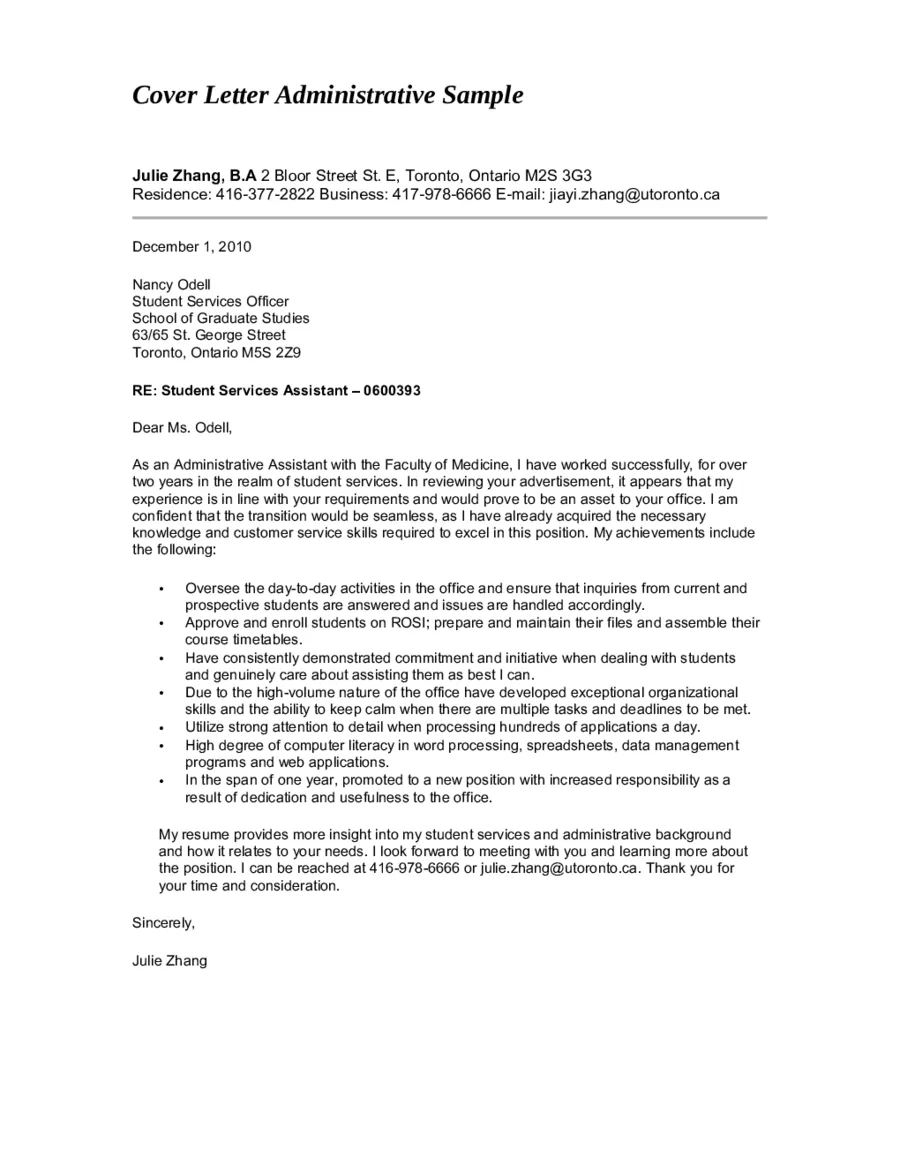
A well-structured cover letter is easy to read and highlights your key qualifications. It should follow a clear and logical format, making it easy for the hiring manager to quickly grasp your suitability for the position. By organizing your thoughts effectively, you can create a compelling narrative that captures the reader’s attention and motivates them to learn more about you. The structure should include a header, salutation, opening paragraph, body paragraphs highlighting your skills and experience, a closing paragraph, and a professional closing. Follow the guidelines below to get it right.
Header and Contact Information

Start with your contact information at the top, including your name, address, phone number, and email address. Below your information, include the date and the employer’s contact information (name, title, company, and address), if known. Ensure that all your contact details are current and accurate. This information makes it easy for the hiring manager to reach you if they want to offer you an interview. Ensure that the format is professional and easy to read.
The Salutation
Address the hiring manager by name whenever possible. If you can’t find the name of the hiring manager, use a general greeting like “Dear Hiring Manager.” Avoid generic salutations like “To Whom It May Concern.” Research the company to find the name of the hiring manager, as this personalized touch demonstrates your initiative and interest in the company. A personalized salutation shows you’ve taken the time to learn more about the company and the role.
Writing a Compelling Opening
Your opening paragraph should immediately grab the reader’s attention. State the position you’re applying for and briefly mention where you found the job posting. Express your enthusiasm for the role and the company. If you have a relevant accomplishment or skill, you can briefly mention it here. Keep the opening concise and focused on what you can bring to the role. The goal is to make a strong first impression and encourage the reader to continue reading.
Highlighting Your Skills and Experience

In the body of your cover letter, provide specific examples of your skills and experience. Focus on the skills and experiences that align with the job description. Use action verbs to describe your accomplishments and responsibilities. If you have relevant experience, elaborate on the results you achieved. Quantify your achievements whenever possible to demonstrate the impact of your work. Showcase how your skills align with the needs of the role.
Quantifying Your Achievements
Whenever possible, use numbers and data to quantify your accomplishments. For example, instead of saying “Improved efficiency,” say “Improved office efficiency by 15% through process optimization.” Quantifying your achievements provides concrete evidence of your abilities and makes your cover letter more impactful. Use metrics to demonstrate your contributions and the positive outcomes you delivered in previous roles. This approach provides a clearer and more persuasive picture of your capabilities to the hiring manager.
Tailoring Your Letter to the Job Description
Customize your cover letter for each job application. Review the job description carefully and identify the key skills and qualifications the employer is seeking. Tailor your cover letter to highlight the skills and experiences that align with those requirements. This targeted approach demonstrates that you understand the role and are a strong fit for the company. Show how your skills and experiences match the job description.
Demonstrating Your Enthusiasm and Fit

Express your genuine interest in the company and the role. Research the company’s mission, values, and culture to show that you understand its goals. Explain why you are a good fit for the company, demonstrating that you share their values. Use specific examples to show your understanding of the company. By showing you understand the company, your cover letter will leave a lasting impression. Demonstrate your desire to contribute to the company’s success.
Closing Your Letter
In your closing paragraph, reiterate your interest in the position and thank the hiring manager for their time and consideration. Express your availability for an interview and provide your contact information. Use a professional closing like “Sincerely” or “Best regards.” End by showing your eagerness to discuss your qualifications further and how you can contribute to the company. A strong closing reinforces your enthusiasm and leaves a positive impression.
Cover Letter Examples for Inspiration
Reviewing examples can provide valuable insights into how to structure and write your cover letter. Use these examples as a guide, but always tailor them to your specific situation and the job requirements. Adapt the following templates and examples to match your unique qualifications and the specific job requirements. Tailoring the examples to your unique skills, experience, and the specific requirements of each job posting is important. Always personalize your cover letter to stand out.
Example 1 Entry Level Office Assistant

This example is suitable for individuals with limited work experience. Focus on transferable skills, academic achievements, volunteer work, and any relevant skills. Highlight your eagerness to learn and your ability to adapt to new situations. Focus on your ability to be organized and your strong communication skills. In your cover letter, emphasize your willingness to learn, your enthusiasm, and your potential to contribute to the team.
Example 2 Experienced Office Assistant
This example is for candidates with several years of experience. Focus on your key accomplishments, management, and how you’ve contributed to previous employers’ success. Showcase any specialized skills or certifications you possess. Use this example to highlight significant achievements and your professional growth. Your cover letter should focus on demonstrating your ability to handle complex tasks and contribute to business success. Quantify your achievements whenever possible.
Example 3 Office Assistant with Specialized Skills
This is for candidates with specific skills, such as experience with accounting software or customer service. Highlight these skills, emphasizing their relevance to the job description. This example demonstrates how your unique skills match the company’s needs. Make sure your cover letter shows how your specialized expertise will add value to the organization. Emphasize how you can apply your skills.
Common Mistakes to Avoid

Avoiding common mistakes can significantly improve your chances of success. Being aware of these pitfalls can help you craft a cover letter that effectively showcases your strengths and qualifications. Taking the time to avoid these errors shows professionalism and attention to detail, reflecting positively on your application.
Generic Letters
Avoid sending generic cover letters that are not tailored to the specific job or company. Hiring managers can easily spot generic letters, which often indicate a lack of interest. Always personalize your cover letter to the company and the role to demonstrate your genuine interest and qualifications. Make sure each cover letter is specific.
Typos and Grammatical Errors
Typos and grammatical errors create a negative impression and can undermine your credibility. Always proofread your cover letter carefully before submitting it. Use spell check and grammar check tools, but also ask someone else to review your letter for errors. A polished letter shows attention to detail and professionalism.
Focusing on Yourself Too Much

While it’s important to highlight your skills and experience, avoid making your cover letter overly self-centered. Instead, focus on how your skills and experience can benefit the employer. Make sure your cover letter highlights your value to the employer. Explain how you can contribute to the company’s goals and objectives.
Overly Formal or Informal Tone
Maintain a professional tone throughout your cover letter. Avoid being overly formal or informal. Use a tone that is appropriate for the company culture and the specific job. Do your research and understand the culture of the company. Use a tone that reflects professionalism and shows respect for the hiring manager.
Proofreading and Finalizing Your Cover Letter
Proofreading your cover letter is a critical step in the job application process. Make sure the final version of your cover letter is polished and error-free before you submit it. Proofreading is not only checking for spelling mistakes but also ensuring the overall clarity and professionalism of your document.
Checking for Errors
Carefully review your cover letter for any typos, grammatical errors, or inconsistencies. Read your cover letter aloud to catch any awkward phrasing or sentence structure issues. Ask a friend, family member, or career advisor to review your cover letter for feedback. Multiple sets of eyes can often catch errors you might miss. Make sure the grammar and spelling are correct.
Formatting for Readability
Use a clear and professional font, such as Arial or Times New Roman. Make sure the font size is easy to read, typically between 10 and 12 points. Use appropriate spacing and margins to create a visually appealing document. Avoid using excessive formatting or distracting elements. Your cover letter should be easy to read and well-organized.
Saving and Submitting Your Cover Letter
Save your cover letter as a PDF file to ensure that the formatting is preserved. Name the file with your name and the job title (e.g., “JohnDoe_OfficeAssistant”). When submitting your cover letter, follow the instructions provided in the job posting. Always ensure that the file format and the submission process are in line with the employer’s instructions. Double-check that all the necessary documents are attached before you submit your application.