Understanding the Power of Cover Letter Samples
Crafting a compelling cover letter can be a daunting task, but it’s an essential one in today’s competitive job market. Cover letter samples provide a powerful resource, offering insights into effective writing strategies, formatting, and the overall tone that resonates with potential employers. They serve as a roadmap, guiding you through the process of showcasing your unique skills and experiences, ultimately increasing your chances of landing an interview. Utilizing cover letter samples is not about copying; it’s about learning, adapting, and personalizing to present your best self. These samples give you the foundational tools to write a cover letter that grabs attention and differentiates you from other applicants. They’re especially useful when you’re unsure where to start or when you need to refresh your approach to a new job application.
Why Cover Letter Samples are Essential
Cover letter samples are crucial for several reasons. They act as a benchmark, showing you what successful cover letters look like and what elements contribute to their effectiveness. These examples demonstrate how to structure your letter, how to articulate your skills and experiences, and how to use language that captivates the reader. Samples offer different perspectives for various roles and industries, allowing you to tailor your cover letter for specific job requirements. Analyzing these samples also highlights key components, like how to address the hiring manager, emphasize your value proposition, and express your enthusiasm for the position. By studying these examples, you’ll develop a clearer understanding of what employers seek and how to present your qualifications persuasively.
Boosting Your Confidence

One of the most significant benefits of using cover letter samples is the confidence boost they provide. Starting with a blank page can lead to writer’s block and self-doubt. Samples give you a starting point, a template to work from, and a foundation to build upon. Knowing that successful applicants have followed similar formats and approaches can significantly reduce anxiety. As you begin to adapt and personalize the sample letters, your confidence will grow. You will become more comfortable expressing your qualifications and highlighting your strengths. The process of tailoring a sample also helps you identify your unique selling points, solidifying your belief in your value as a candidate.
Avoiding Common Cover Letter Mistakes
Cover letter samples can help you learn from the mistakes others have made, providing a clear view of what to avoid. Common errors such as generic language, lack of personalization, and excessive length are often highlighted in critiques of sample letters. They offer insights into how to avoid these pitfalls. Analyzing the “do’s and don’ts” of cover letter writing ensures that you present yourself in the best possible light. You’ll discover how to tailor the letter to the specific job description, showcasing your understanding of the company and the role. You’ll also learn how to create a concise, engaging narrative that quickly captures the hiring manager’s attention and makes you stand out among numerous applications.
The Role of Grammar and Spelling
Impeccable grammar and spelling are non-negotiable in a cover letter. Samples emphasize the importance of proofreading and attention to detail, showing how even minor errors can undermine your credibility. They provide a visual guide to correct sentence structure, punctuation, and word choice. By comparing different samples, you will see how professionals communicate clearly and precisely. A well-written cover letter demonstrates your professionalism and commitment to quality. Use the samples to improve your ability to identify and eliminate errors. Always proofread your cover letter and have someone else review it before submitting it. This attention to detail can significantly increase your chances of making a positive impression.
What To Include in Cover Letter Samples

Effective cover letter samples typically include several key elements that make them persuasive. These include a strong opening, where you immediately grab the reader’s attention; a clear statement of your interest in the position; and a concise summary of your relevant skills and experiences. Successful samples often demonstrate how your qualifications align with the job requirements. Furthermore, they highlight your unique contributions and the value you can bring to the company. The best samples personalize the letter to match the job description and the company’s culture. They also include a call to action, encouraging the hiring manager to contact you for an interview. Cover letter samples help you integrate all these elements effectively.
Highlighting Your Skills and Accomplishments
One of the primary goals of a cover letter is to showcase your skills and accomplishments. Cover letter samples are instrumental in illustrating how to effectively communicate these points. They provide examples of how to quantify your achievements, using data and specific examples to demonstrate your impact. The samples show how to tailor your skills to match the job requirements, emphasizing the most relevant qualifications. You learn how to avoid simply listing your skills and instead, craft compelling narratives that demonstrate how you’ve used those skills to achieve success in past roles. This involves providing concrete examples of your contributions and highlighting any awards or recognition you have received. These samples help you translate your experience into a persuasive and memorable cover letter.
Tailoring Your Letter to the Job Description
Personalization is a key component of a successful cover letter. Cover letter samples illustrate how to tailor your letter to the specific job description and the company’s requirements. They show you how to analyze the job posting, identify the key skills and qualifications the employer seeks, and adapt your letter accordingly. The samples guide you on how to use the same keywords and phrases from the job description in your letter. They teach you how to address the hiring manager by name, if possible, and to demonstrate your understanding of the company’s values, mission, and culture. A tailored cover letter shows that you have taken the time to research the role and the organization, making you a more desirable candidate.
Using Keywords Effectively

In today’s job market, where applicant tracking systems (ATS) are commonplace, using keywords effectively is crucial. Cover letter samples demonstrate how to identify and integrate relevant keywords from the job description into your letter. The samples help you understand where and how to use these keywords naturally, avoiding keyword stuffing. You will learn how to weave these terms into your narrative, highlighting your qualifications in a way that satisfies both human readers and ATS software. Effective keyword usage increases your chances of your cover letter being reviewed by a human and ensures your application moves forward in the hiring process.
Cover Letter Sample Formats and Styles
Cover letter samples come in various formats and styles, each suitable for different situations and industries. Understanding these formats allows you to choose the most appropriate one for your needs. Some of the common formats include the traditional format, which is straightforward and professional; the skills-based format, which emphasizes your skills and abilities; and the modern format, which offers a more creative approach. Samples also demonstrate how to vary the tone and style to match your personality, the company culture, and the specific requirements of the job. Familiarizing yourself with these different formats will help you make an informed decision about how to present your application.
The Importance of Formatting
The formatting of your cover letter is just as important as its content. Cover letter samples highlight the significance of clear and professional formatting. This includes using a readable font, consistent margins, and appropriate spacing to make your letter easy to read. They also demonstrate how to structure your letter effectively, with clear headings, concise paragraphs, and a professional layout. Proper formatting conveys professionalism and attention to detail, making a positive impression on the hiring manager. A well-formatted cover letter is visually appealing and easy to navigate, which increases the likelihood that your content is read and understood. Proper formatting showcases your attention to detail.
Choosing the Right Tone

The tone of your cover letter should match the company culture and the job requirements. Cover letter samples showcase how to adjust your tone to suit different situations. Whether the tone is formal or informal, it should always be professional. Samples demonstrate how to express enthusiasm, showcase your personality, and adapt your language to the specific needs of the role. The right tone can make your letter more engaging and show that you understand the company’s values. Always proofread your cover letter to ensure that the tone aligns with the overall message you want to convey. The perfect tone conveys your personality and professional attitude.
Different Sample Types
The availability of diverse cover letter samples allows you to find examples tailored to your specific circumstances. These samples cover various industries, job levels, and career situations. From entry-level positions to executive roles, there is a sample that fits. Understanding the different types of samples helps you choose the most relevant model for your application.
Entry-Level Cover Letter Samples
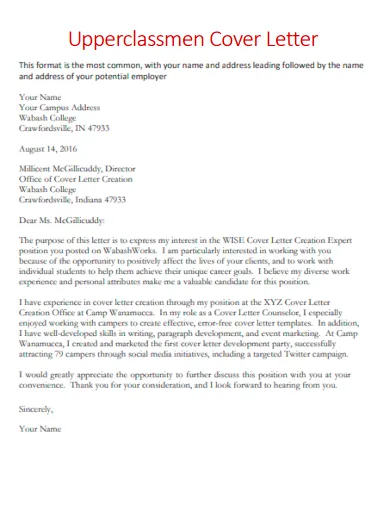
Entry-level cover letter samples are invaluable for those with limited work experience. These samples emphasize academic achievements, internships, volunteer work, and any relevant projects or extracurricular activities. They provide guidance on how to showcase your skills and potential even without extensive professional experience. These samples help you demonstrate your enthusiasm and eagerness to learn, positioning you as a promising candidate for entry-level positions. They guide you on how to highlight transferrable skills, such as communication, teamwork, and problem-solving, acquired through education or other experiences.
Professional Cover Letter Samples
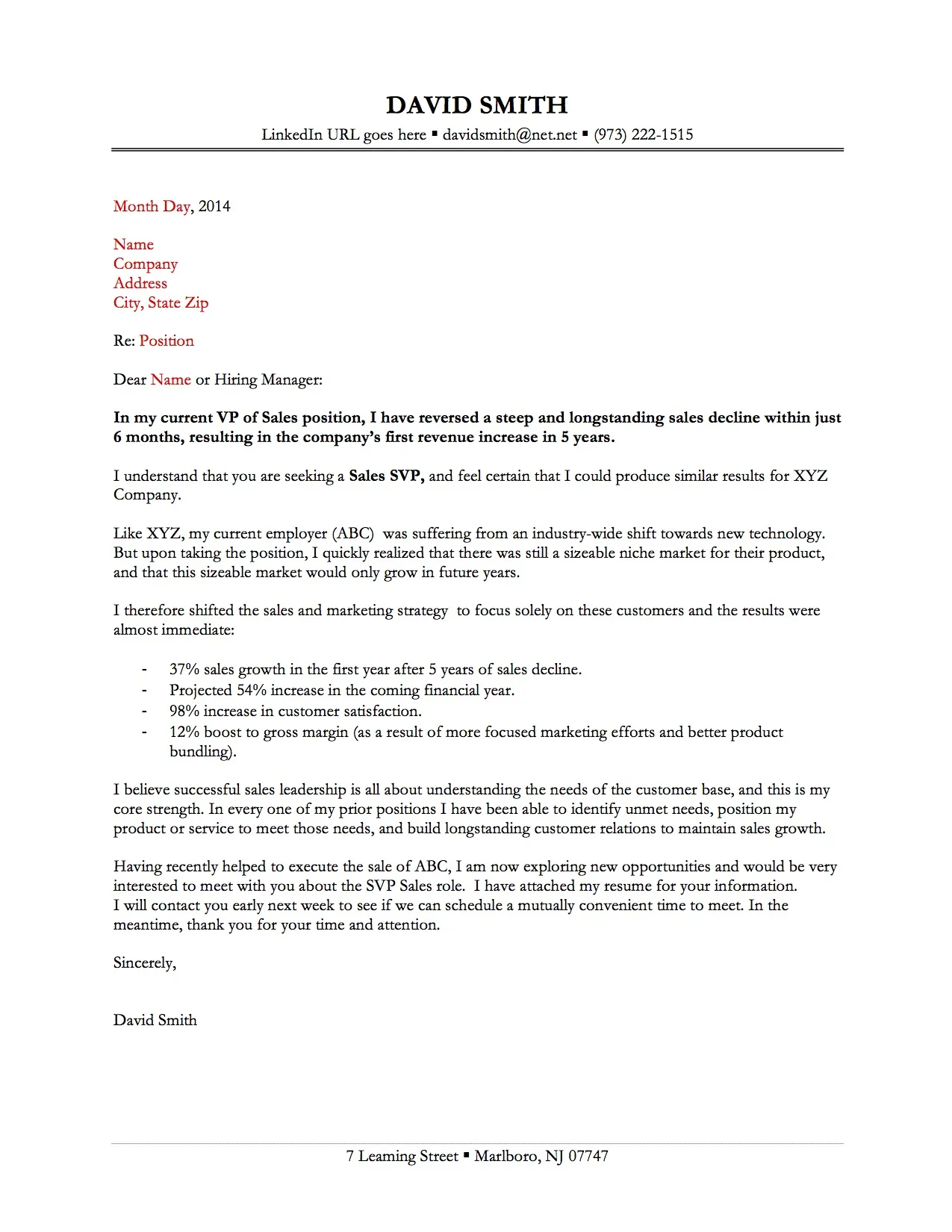
Professional cover letter samples cater to individuals with a track record of work experience. These samples focus on highlighting accomplishments, demonstrating skills in previous roles, and quantifying achievements. They guide you on how to showcase your expertise and emphasize your value to the employer. Professional samples help you to navigate specific challenges. They demonstrate how to present your career progression and how to address gaps in your employment history. They are designed to highlight your career accomplishments.
Changing Careers
Switching careers presents unique challenges, and cover letter samples can help you address them. These samples provide examples of how to transition skills and experience from one industry to another. They teach you how to connect your previous work with the requirements of the new role. The samples help you to highlight transferrable skills. They guide you on how to address any gaps in your experience. Changing careers requires you to show how your past work has prepared you for the new role.
Where to Find Great Cover Letter Samples
Numerous online resources offer a wealth of cover letter samples. Knowing where to look is crucial for effective job applications. Reliable and up-to-date sources are key. These resources offer you the ability to find samples relevant to your situation.
Online Resources

Many websites and platforms provide cover letter samples. Career websites often host a wide range of samples tailored to various industries and roles. Professional networking sites, such as LinkedIn, can provide examples from individuals with similar experience. Reviewing these samples helps you learn how professionals present themselves. Many of these resources also offer resume templates, tips, and advice to complement the samples. Online resources provide a strong foundation for your job application.
Job Boards
Job boards are another excellent source of cover letter samples. Often, when you apply for a job through a job board, you can find examples related to the position. These job boards provide insights into what employers seek. Job boards sometimes offer downloadable cover letter templates. They often provide advice on how to write a compelling cover letter. Utilize job boards and apply these cover letter samples for immediate results.
Benefits of Using Cover Letter Samples
Utilizing cover letter samples provides several notable advantages in your job search. They offer a time-saving solution, help you improve your writing skills, and increase your confidence. Understanding these benefits helps you realize the value of integrating samples into your application process.
Saving Time and Effort

Writing a cover letter from scratch takes a lot of time. Cover letter samples significantly reduce the time and effort required. They offer a starting point and a framework to customize, saving hours of work. Samples provide you with a template. You can easily adapt it to your specific qualifications. They provide a streamlined approach, allowing you to quickly draft and refine your cover letter. Saving time and effort makes your job search more efficient.
Improving Your Writing Skills
Analyzing cover letter samples is a great way to improve your writing skills. By studying successful examples, you can enhance your vocabulary, grammar, and overall writing style. Samples provide insights into how to articulate your thoughts and present your qualifications in a persuasive manner. You learn how to structure your writing and use language that captures the reader’s attention. The more you study these samples, the better you will become at crafting effective cover letters.
In conclusion, cover letter samples are a valuable tool in your job search. By using these samples, you will improve your skills. They provide a framework and are a tremendous asset when applying for jobs.