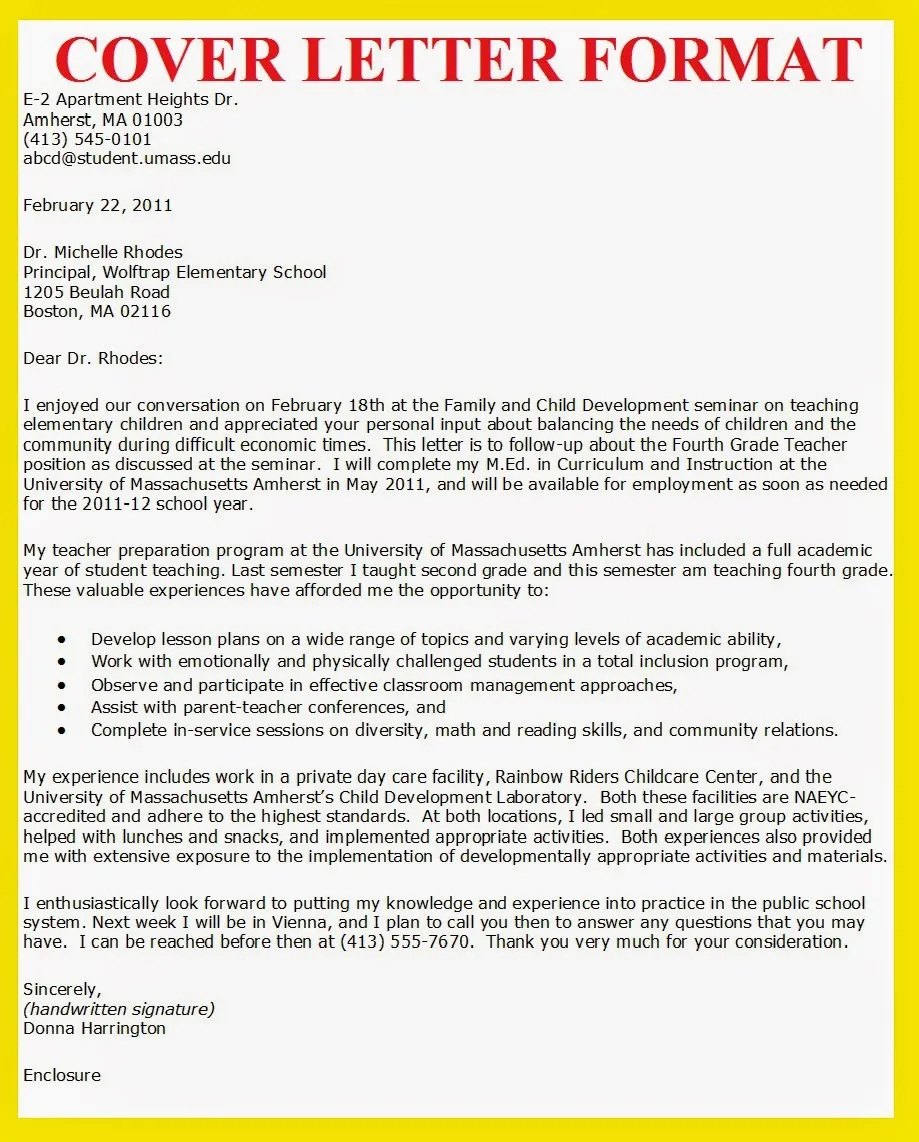
What is a Cover Letter?
A cover letter is a crucial document that accompanies your resume when applying for a job. It serves as an introduction, providing context and highlighting your key qualifications and experiences in a way that a resume alone cannot. Think of it as your first opportunity to make a strong impression on a potential employer, going beyond the basic information in your resume to tell a compelling story about why you are the ideal candidate for the position. It’s a chance to showcase your personality, enthusiasm, and writing skills, making it a vital component of any job application. Without a well-crafted cover letter, your application might get overlooked, even if you have the necessary skills and experience.
Why is a Cover Letter Important?
The importance of a cover letter cannot be overstated. It provides an opportunity to personalize your application and demonstrate your genuine interest in the specific role and company. Recruiters and hiring managers often use cover letters to assess a candidate’s communication skills, attention to detail, and cultural fit within the organization. A well-written cover letter can set you apart from other applicants by showcasing your unique skills, experiences, and motivations, while also addressing any potential gaps or concerns that might arise from reviewing your resume. Moreover, it helps to demonstrate your understanding of the job requirements and your ability to articulate how you can contribute to the company’s success. A cover letter is a powerful tool that complements your resume and increases your chances of landing an interview.
Cover Letter Secrets Top 5 Tips to Success

Crafting a compelling cover letter requires more than simply listing your skills and experiences. It involves strategic planning and thoughtful execution. Here are the top 5 secrets to writing a cover letter that will increase your chances of landing an interview and ultimately getting the job. By implementing these tips, you can significantly enhance your application and make a lasting impression on potential employers. Remember that a well-written cover letter is a powerful tool for showcasing your qualifications and personality, so put your best foot forward and write a letter that sells you.
Highlight Your Key Skills
When writing your cover letter, it’s crucial to highlight the key skills that align with the job requirements. Carefully review the job description and identify the skills that the employer is seeking. Then, in your cover letter, provide specific examples of how you have utilized those skills in previous roles or projects. Quantify your accomplishments whenever possible, using data and metrics to demonstrate the impact of your contributions. Tailor your skills section to each job application, ensuring that you emphasize the most relevant skills for each specific position. Avoid generic statements and instead provide concrete examples that showcase your abilities and demonstrate your value to the employer. This targeted approach helps the hiring manager quickly understand how your skills align with the job’s demands, increasing your chances of getting an interview.
Showcase Your Accomplishments
Instead of just listing your job duties, use your cover letter to showcase your accomplishments. Focus on the results you achieved in previous roles and quantify your achievements whenever possible. For instance, if you improved sales, mention the percentage increase. If you streamlined a process, specify the time saved. Providing concrete examples of your accomplishments demonstrates your ability to deliver results and adds significant value to your application. Think about the impact you’ve made in past positions, and articulate those achievements in a clear, concise, and compelling manner. This approach helps you stand out from other applicants by proving your capabilities through tangible evidence, making a strong case for why you’re the right candidate for the job.
Tailor Your Cover Letter

One of the biggest mistakes job seekers make is sending a generic cover letter to every job application. Always customize your cover letter for each specific position and company. Research the company and the role thoroughly, and tailor your letter to address the specific requirements and expectations. Show the hiring manager that you understand their needs and are genuinely interested in the opportunity. Personalize your letter by mentioning specific projects, company values, or initiatives that resonate with you. Customization demonstrates your attention to detail and genuine interest, making a strong impression on the hiring manager. Avoid using a one-size-fits-all approach and invest the time in tailoring your letter to each application. This will significantly increase your chances of being noticed and selected for an interview.
Proofread Your Cover Letter
Proofreading your cover letter is non-negotiable. Errors, typos, and grammatical mistakes can undermine your credibility and portray you as careless or inattentive to detail. After you finish writing your cover letter, carefully review it for any errors. Read it aloud to catch any awkward phrasing or grammatical errors. Consider having a friend, family member, or career advisor review your letter for a fresh perspective. Ensure your formatting is consistent and professional. A well-proofread cover letter demonstrates professionalism and attention to detail. It can significantly improve your chances of making a positive impression on the hiring manager and getting your application noticed. Before submitting your application, take the time to proofread and ensure your cover letter is error-free.
Formatting a Cover Letter
Proper formatting is essential for a professional and readable cover letter. Use a clear, readable font like Arial or Times New Roman, with a font size between 10 and 12 points. Include your contact information at the top, followed by the date and the recipient’s information. Keep the letter concise, ideally within one page. Use clear paragraphs, bullet points, and headings to organize your content and make it easy to scan. Ensure your letter has a professional look and feel. Avoid using excessive formatting or unusual fonts. A well-formatted cover letter is easy to read and reflects your attention to detail, helping you make a positive impression on the hiring manager.
Cover Letter Do’s and Don’ts

To maximize your chances of success, it’s important to be aware of the do’s and don’ts of cover letter writing. Do research the company and the role, tailor your letter to the specific requirements, and highlight your key skills and accomplishments. Proofread meticulously for any errors. Keep the letter concise and professional. Don’t use generic templates, repeat your resume verbatim, or include irrelevant information. Avoid using overly casual language or sounding desperate. Maintain a positive and confident tone. By following these guidelines, you can significantly increase the effectiveness of your cover letter and improve your chances of landing an interview.
Cover Letter FAQs
Many job seekers have questions about cover letters. One common question is whether a cover letter is still necessary in today’s job market. The answer is a resounding yes. It provides a valuable opportunity to make a strong first impression and showcase your personality and qualifications. Another question is how long a cover letter should be. The ideal length is typically one page. Some ask about the tone, which should be professional and enthusiastic. Finally, job seekers often wonder how to address a cover letter when a specific contact isn’t provided. In such cases, you can use a generic greeting, such as “Dear Hiring Manager,” and focus on the content of your letter.