Unveiling Cover Letter Secrets
The cover letter, often seen as a mere formality, is actually your golden ticket to making a lasting impression on potential employers. It’s your first opportunity to showcase your personality, passion, and potential, all before they even glance at your resume. Mastering the art of the cover letter isn’t just about regurgitating your resume; it’s about telling a compelling story that captivates the reader and compels them to learn more about you. In this comprehensive guide, we’ll unravel the secrets behind crafting cover letters that not only get noticed, but also secure you an interview and eventually, the job offer. We’ll delve into the crucial elements, common pitfalls, and best practices that will transform your cover letter from a mundane document into a powerful tool in your job search arsenal. Get ready to impress and stand out from the crowd.
Why Your Cover Letter Matters
In a sea of applicants, your cover letter is the beacon that helps you shine. It provides the context that a resume often lacks, allowing you to explain career gaps, highlight specific achievements, and demonstrate genuine interest in the role and the company. A well-crafted cover letter goes beyond simply listing your qualifications; it connects the dots for the hiring manager, showing them how your skills and experiences align with their needs and expectations. Moreover, it showcases your communication skills, your writing style, and your attention to detail – all of which are crucial in any professional setting. In essence, a cover letter is your chance to make a memorable first impression, setting the stage for a successful interview and potentially, your dream job.
Highlighting Your Skills and Experience

The key to a winning cover letter lies in how effectively you showcase your skills and experience. Instead of simply restating what’s on your resume, use the cover letter to expand on your achievements and quantify your results whenever possible. Focus on accomplishments that demonstrate the specific skills and qualities the employer is seeking. For example, if the job description emphasizes project management skills, provide a brief anecdote about a project you successfully managed, highlighting the challenges you overcame and the positive outcomes you achieved. Tailor your examples to fit the specific requirements of each job, demonstrating that you’ve not only read the job description but also understand the company’s needs and priorities. Remember to use action verbs to describe your accomplishments and to avoid generic statements that could apply to anyone.
Tailoring Your Cover Letter
One of the biggest mistakes job seekers make is sending out generic cover letters. A generic cover letter is a surefire way to end up in the rejection pile. To truly impress, you must tailor each cover letter to the specific job and company. This means researching the company, understanding their values, and demonstrating how your skills and experience align with their mission and goals. Customize your letter by mentioning specific projects, initiatives, or values that resonate with the company. This demonstrates your genuine interest and commitment. Refer to the job description closely and use the same keywords and phrases to showcase your understanding of the role’s requirements. Tailoring your cover letter is a time-consuming process, but it pays off handsomely by making your application stand out and increasing your chances of getting an interview.
Formatting and Structure of Your Cover Letter
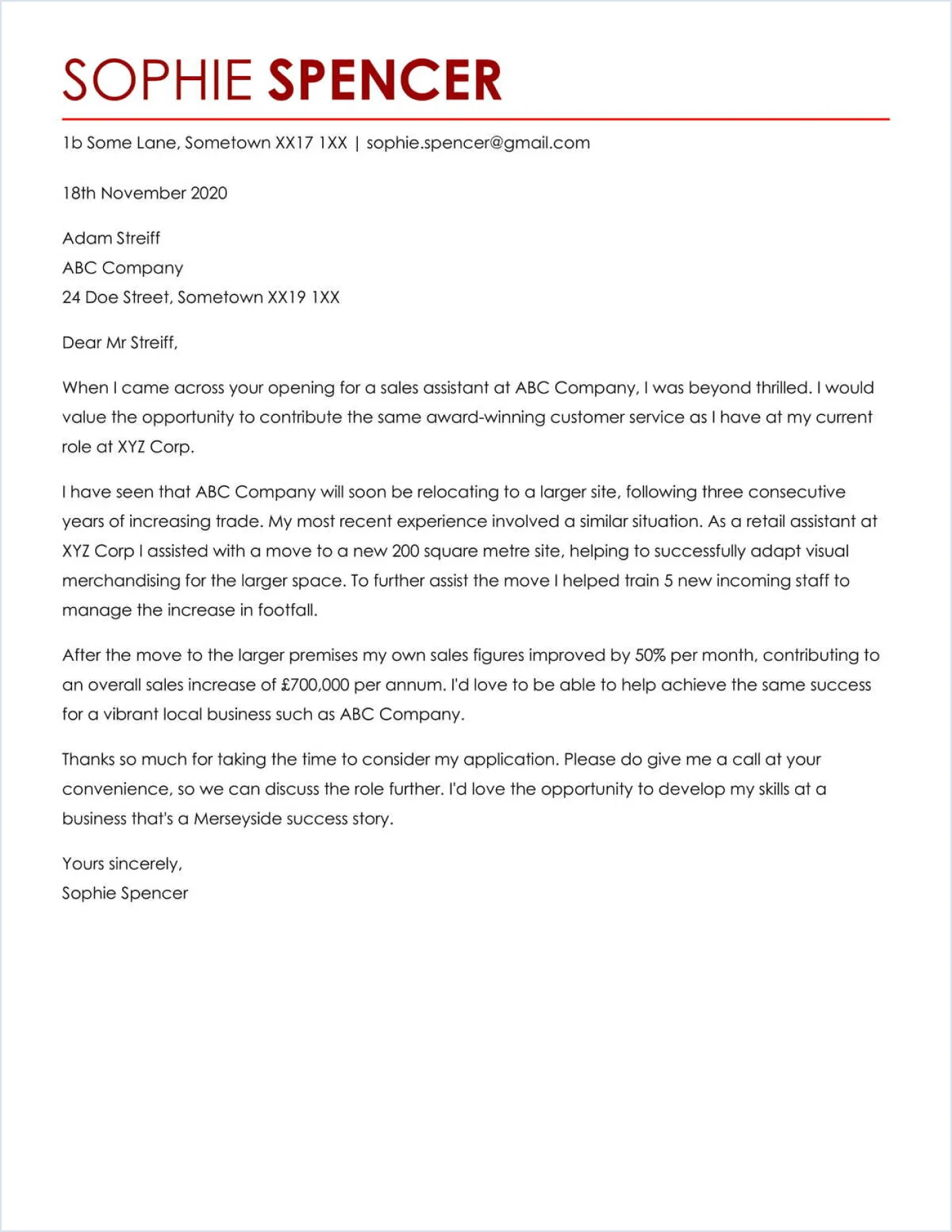
The structure of your cover letter is just as important as its content. A well-formatted cover letter is easy to read, professional, and visually appealing. Start with a clear and concise heading that includes your contact information and the date. Address the hiring manager by name, if possible; this shows you’ve done your research and taken the time to personalize your application. The body of your cover letter should be divided into three or four paragraphs. The first paragraph should grab the reader’s attention and state the position you’re applying for. The subsequent paragraphs should highlight your relevant skills and experience, providing specific examples to support your claims. Conclude with a strong closing paragraph that reiterates your interest and includes a call to action. Use a professional font, such as Arial or Times New Roman, and maintain consistent formatting throughout the document.
Key Elements to Include in Your Cover Letter

Several key elements are essential for a compelling cover letter. Start with a captivating opening that immediately grabs the reader’s attention. Clearly state the position you are applying for and how you learned about it. In the body of your letter, highlight your relevant skills and experience, providing specific examples that showcase your achievements. Quantify your results whenever possible – for example, by mentioning the percentage increase in sales or the number of projects you successfully managed. Demonstrate your understanding of the company and the role by mentioning their values, goals, and specific requirements. End with a strong call to action, expressing your enthusiasm for the opportunity and your willingness to discuss your qualifications further. Proofread carefully to ensure your letter is free of errors and typos.
Common Cover Letter Mistakes to Avoid
There are several common mistakes that can instantly disqualify your cover letter. Avoid generic, mass-produced letters; always tailor your letter to the specific job and company. Don’t simply rehash your resume; use the cover letter to elaborate on your achievements and provide context. Refrain from using clichés, jargon, or overly formal language. Ensure your letter is free of errors in grammar, spelling, and punctuation; typos can undermine your credibility. Avoid negative language or complaining about past employers or situations. Don’t exceed one page in length; keep your letter concise and to the point. Finally, ensure your contact information is accurate and up-to-date; make it easy for the hiring manager to reach you.
Proofreading and Editing Your Cover Letter
Proofreading and editing are crucial steps that can make or break your cover letter. Even the most well-written letter can be ruined by typos, grammatical errors, or formatting inconsistencies. Before submitting your cover letter, carefully review it for any mistakes. Use spell-check and grammar-check tools, but don’t rely on them entirely; they can sometimes miss errors. Read your letter aloud to catch any awkward phrasing or sentence structures. Ask a friend, family member, or career advisor to review your cover letter for clarity, accuracy, and overall effectiveness. Consider taking a break from your cover letter for a few hours or even a day before proofreading; this will help you approach it with fresh eyes and catch errors you might have missed earlier. A polished and error-free cover letter demonstrates professionalism and attention to detail.
Closing Your Cover Letter Effectively

The closing of your cover letter is your final chance to make a lasting impression. End with a strong and enthusiastic statement that reiterates your interest in the position and the company. Express your gratitude for their time and consideration. Include a clear call to action, such as inviting the hiring manager to contact you for an interview or to learn more about your qualifications. Reiterate your contact information, including your phone number and email address. Avoid overly generic or passive closing statements. Instead, opt for confident and engaging language that leaves the reader with a positive impression. Examples of effective closing statements include expressing your enthusiasm for the opportunity or expressing your eagerness to discuss your qualifications further. A well-crafted closing can significantly increase your chances of getting an interview.
Cover Letter Examples and Templates
To help you get started, several cover letter examples and templates are available online. These resources can provide you with inspiration and guidance on how to structure and format your own cover letter. Look for examples tailored to your industry and the specific type of job you are applying for. Remember to customize the templates to fit your unique skills, experience, and the requirements of the job. Many websites offer free cover letter templates that you can download and adapt to your needs. You can also find examples of strong cover letters on career websites or in online guides. By studying these examples and templates, you can gain a better understanding of what makes a cover letter effective and create a compelling document that will help you land your dream job. Remember to always personalize your cover letter to ensure it stands out from the crowd.