Understanding the Importance of a Cover Letter
In today’s competitive job market, a well-crafted cover letter is more than just a formality; it’s your first opportunity to make a strong impression on a potential employer. It serves as your personal introduction, providing a glimpse into your personality, skills, and enthusiasm for the position. It allows you to connect your qualifications to the specific job requirements, demonstrating why you are the ideal candidate. Many hiring managers will read the cover letter before looking at the resume. A cover letter is your opportunity to stand out from the crowd, and a well-written one can significantly increase your chances of landing an interview. Ignoring a cover letter can be a big mistake, and it is an easy way to boost your application. It shows that you care, and it gives you a chance to express yourself in a way that is not available in your resume.
What is a Cover Letter
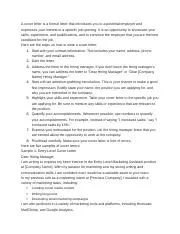
A cover letter is a document you send alongside your resume when applying for a job. It’s a concise and persuasive letter that introduces you to the hiring manager, highlights your key skills and experiences, and expresses your interest in the specific position. A cover letter is not a repetition of your resume but a complement. It is a chance to provide context to your experiences and demonstrate how your skills align with the job’s requirements. It should be tailored to each job application, showcasing your understanding of the company and the role. The cover letter is your chance to communicate your unique value proposition to the potential employer. It should leave the reader wanting to know more, enticing them to review your resume and ultimately invite you for an interview.
Why You Need a Cover Letter

While a resume provides a summary of your qualifications, a cover letter offers an opportunity to provide context and demonstrate your personality. It allows you to showcase your communication skills, express your enthusiasm for the role, and explain why you are a good fit for the company culture. A well-written cover letter can differentiate you from other candidates by highlighting your unique skills and experiences that are directly relevant to the job. It also allows you to address any potential gaps in your resume or explain career transitions. Cover letters are also a great way to show that you pay attention to detail. If the job posting specifies a cover letter, you should almost always provide one. Many companies use cover letters to check to see if you follow directions.
Top 5 Ways to Impress with Your Cover Letter
Crafting a cover letter that impresses hiring managers requires careful attention to detail and a strategic approach. Here are five key ways to make your cover letter stand out from the competition and increase your chances of landing an interview. Remember that the cover letter is a chance to show that you are someone who understands what the company is looking for, and it gives you a chance to make your argument to the recruiter.
Highlight Your Skills and Achievements
Focus on showcasing your relevant skills and achievements. Rather than simply listing your responsibilities, provide concrete examples of how you have excelled in previous roles. Quantify your achievements whenever possible. Use numbers and data to demonstrate the impact you have made. For example, instead of saying “Managed social media accounts,” say “Increased social media engagement by 30% in six months.” This level of detail demonstrates your ability to deliver results and provides concrete evidence of your capabilities. Mention the specific skills that are called for in the job description. This is your chance to prove that you can do the job.
Tailor Your Letter to the Job

Generic cover letters are easily spotted and often discarded. Take the time to customize your cover letter for each job application. Carefully review the job description and identify the key requirements and qualifications the employer is seeking. Then, tailor your cover letter to address those specific needs. Explain how your skills and experiences align with the job description and provide examples to support your claims. Show that you understand the company’s mission and values, and explain how you can contribute to their success. This personalized approach shows that you are genuinely interested in the position and have taken the initiative to understand the company.
Use a Professional Tone and Format
Maintain a professional tone throughout your cover letter. Avoid using slang, jargon, or overly casual language. Use clear, concise language and ensure your writing is free of grammatical errors and typos. Pay attention to the formatting of your cover letter. Use a professional font, such as Times New Roman or Arial, and maintain consistent spacing and margins. Break up large blocks of text with paragraphs and bullet points to improve readability. A well-formatted cover letter is easy on the eyes and demonstrates your attention to detail. Always proofread your cover letter before submitting your application to catch any errors.
Showcase Your Personality and Enthusiasm
While maintaining professionalism is crucial, don’t be afraid to let your personality shine through. Use a conversational tone and express your enthusiasm for the role and the company. Share what genuinely excites you about the opportunity and why you are a good fit for the company culture. This can include sharing a personal anecdote. Showing your personality can help you make a connection with the hiring manager and leave a lasting impression. This will make the reader feel like they have learned something about you, instead of just reading your resume.
Proofread and Edit Carefully

Before submitting your cover letter, thoroughly proofread and edit it for any errors. Typos, grammatical errors, and inconsistencies can undermine your credibility and make a negative impression. Read your cover letter aloud to catch any awkward phrasing or unclear sentences. Ask a friend or family member to review your cover letter for feedback. Pay close attention to detail, and ensure your cover letter is polished and error-free. A well-proofread cover letter demonstrates your professionalism and attention to detail, increasing your chances of success.
Formatting Your Cover Letter
Formatting your cover letter appropriately can significantly enhance its readability and impact. A well-formatted cover letter is easy to scan and conveys professionalism. Here’s a guide to essential formatting elements to consider when crafting your cover letter.
Header and Contact Information
Start with a header that includes your full name, address, phone number, and email address. Make sure that your contact information is current and accurate. Include the date and the hiring manager’s name (if you know it), title, and company address. This section provides the necessary information for the recruiter to contact you easily. Ensure that the header is aligned correctly and uses a professional font and size.
Greeting and Salutation

Use a professional greeting, such as “Dear Mr./Ms./Mx. [Last Name],” when addressing the hiring manager. If you don’t know the hiring manager’s name, use a general greeting like “Dear Hiring Manager.” Avoid overly casual greetings, such as “Hi there.” The salutation sets the tone for the rest of your cover letter, so it’s essential to start on the right foot. After the greeting, skip a line before starting your introduction.
Body Paragraphs
Structure your cover letter with well-organized body paragraphs. Typically, this includes an introduction, body, and conclusion. Use the introduction to state the purpose of your letter and how you learned about the job opening. In the body paragraphs, highlight your relevant skills, experiences, and accomplishments. Tailor your content to align with the job requirements and showcase your value. Use clear and concise language, and break up large blocks of text with paragraphs to enhance readability. Each paragraph should focus on a specific point or aspect of your qualifications.
Closing and Signature
End your cover letter with a professional closing, such as “Sincerely,” “Best regards,” or “Yours truly.” Skip a line after the closing and then type your full name. If you are submitting a physical copy, leave space for your handwritten signature above your typed name. Express your gratitude for the reader’s time and consideration. Include a call to action to express your interest in an interview and provide your contact information again. Your closing leaves the last impression, so make it professional and courteous.