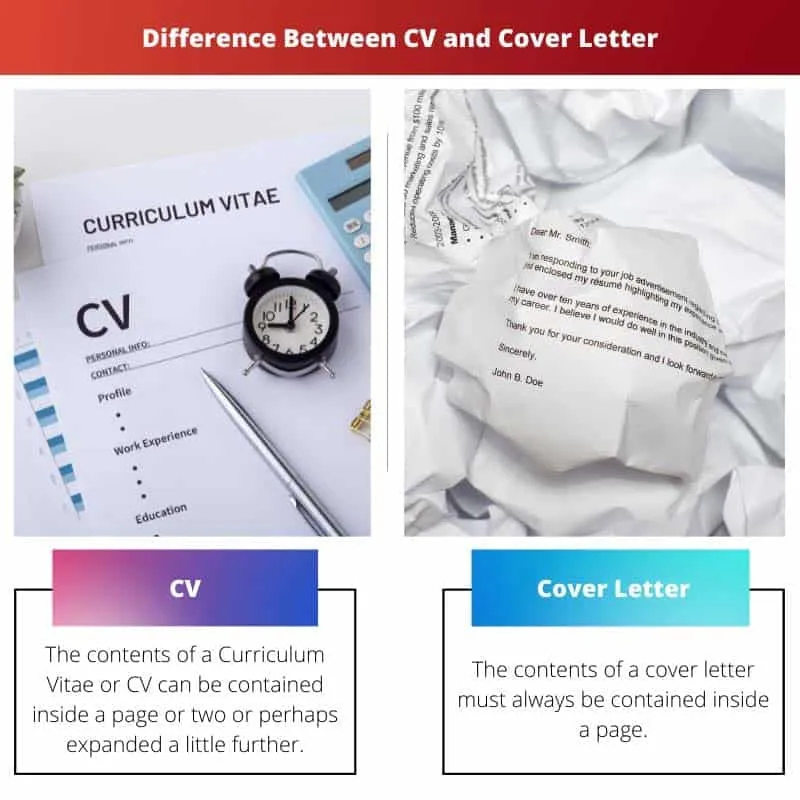
What is a Cover Letter
A cover letter serves as a personalized introduction to your resume or curriculum vitae. It’s a concise document that accompanies your application, providing an overview of your skills, experiences, and qualifications. Unlike a resume, a cover letter allows you to elaborate on why you are the ideal candidate for a specific position, demonstrating your interest and enthusiasm for the role and the company. The primary goal of a cover letter is to persuade the hiring manager to review your resume and consider you for an interview. A well-crafted cover letter highlights your relevant experience and skills, aligning them with the job requirements, and showcasing your unique value proposition.
Cover Letter Purpose
The purpose of a cover letter is multifaceted. Firstly, it serves to introduce you to the hiring manager and provide context to your application. Secondly, it allows you to express your interest in the specific job and company, demonstrating that you’ve done your research and understand the role’s requirements. Thirdly, it highlights your key skills and experiences relevant to the position, making it easier for the hiring manager to see your qualifications at a glance. Lastly, a cover letter offers a chance to explain any gaps in your employment history or career transitions, if necessary, providing a complete picture of your professional journey. A strong cover letter can significantly increase your chances of getting your resume reviewed and securing an interview.
Cover Letter Key Elements

Key elements of a cover letter include a personalized salutation, a compelling introduction that grabs the reader’s attention, a body that showcases your relevant skills and experiences, and a concise conclusion that reiterates your interest and includes a call to action. It’s crucial to tailor your cover letter to each specific job application, referencing the job description and highlighting how your qualifications align with the employer’s needs. The tone should be professional yet enthusiastic, demonstrating your personality and passion for the role. Make sure to proofread your cover letter carefully for any grammatical errors or typos before submitting it. Include a clear call to action, encouraging the reader to contact you.
What is a Curriculum Vitae
A Curriculum Vitae (CV) is a comprehensive document that provides a detailed overview of your academic and professional history. It is a detailed account of your entire career, including your education, research experience, publications, awards, honors, and any other relevant information. Unlike a resume, which is typically tailored to a specific job, a CV is a comprehensive document, showcasing your entire career. The CV is the standard format for academic and research positions, and for jobs in some international markets. A well-structured CV should present your information in a clear, organized, and easy-to-read format, allowing the reader to quickly grasp your qualifications and accomplishments.
CV Purpose
The primary purpose of a CV is to provide a complete record of your academic and professional accomplishments. A CV serves as a detailed portfolio, highlighting your education, research experience, publications, presentations, grants, and other relevant achievements. It allows you to showcase the depth and breadth of your qualifications, making it suitable for academic positions, research roles, and jobs requiring extensive professional experience. A CV is also often used in grant applications, fellowships, and other opportunities where a comprehensive overview of your qualifications is required. The goal of a CV is to present a thorough picture of your capabilities, demonstrating your expertise and suitability for the specific opportunity.
CV Key Elements

Key elements of a CV include your contact information, educational background, research experience, publications, presentations, awards, grants, and professional affiliations. The structure of a CV is typically chronological or reverse-chronological, with your most recent experiences listed first. The format should be clear, concise, and easy to read. Use headings and subheadings to organize the information and highlight key achievements. Proofread the CV meticulously to ensure accuracy and completeness. The CV should be updated regularly to reflect your latest accomplishments and experiences, making it a living document that showcases your professional journey. Your CV is the complete record of your accomplishments, so be sure to include all significant experiences.
Key Differences Between Cover Letter and CV
Length and Structure
The length and structure of a cover letter and a CV differ significantly. A cover letter is typically concise, usually one page, and structured to introduce your qualifications and express your interest in a specific job. It focuses on tailoring your skills and experiences to the job requirements. A CV, on the other hand, is much longer, often several pages, and structured to provide a comprehensive overview of your academic and professional history. The structure of a CV follows a chronological or reverse-chronological order. The structure of a cover letter emphasizes the most relevant information, while the CV provides the complete picture. The resume is generally shorter, while the CV is comprehensive and covers your entire career.
Content and Focus
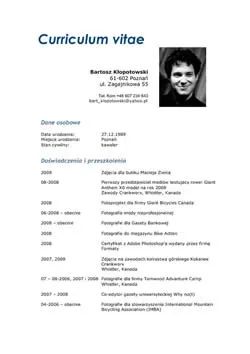
The content and focus of a cover letter and a CV also vary. A cover letter focuses on highlighting your key skills and experiences relevant to a specific job, demonstrating your interest in the role and explaining why you are a good fit for the company. It emphasizes tailoring your qualifications to the job description and showcasing your personality. A CV, however, focuses on providing a comprehensive record of your academic and professional history, including all your education, research experience, publications, presentations, and other accomplishments. A cover letter is personalized and targeted, while a CV is an all-encompassing document of your entire career. The content focuses on different information: one tailored to a specific job, the other a full overview of your career.
Target Audience
The target audience for a cover letter and a CV differs. A cover letter is typically directed towards a hiring manager or recruiter, and it is tailored to address the specific requirements and expectations of a particular job. The language and tone should be professional, enthusiastic, and focused on persuading the reader to review your resume. A CV, on the other hand, may be reviewed by various audiences, including hiring managers, academic committees, grant reviewers, and potential collaborators. It’s a more formal and detailed document, often used in academic and research settings, to showcase your entire professional history. The audience of the cover letter is typically the hiring manager, while the CV is for a variety of audiences in your field.
When to Use Cover Letter
You should use a cover letter when applying for a job, especially in fields where personalized communication is valued. A cover letter is essential when you want to highlight your unique skills and experiences, explain any gaps in your employment history, or express your enthusiasm for a specific role. It is also highly recommended when you are applying for jobs in competitive industries or for positions where you have a strong understanding of the company’s mission and values. Many employers specifically request a cover letter, considering it as an important part of the application process. Tailoring a cover letter to each specific job application is the best way to demonstrate your interest and qualifications.
When to Use Curriculum Vitae

Use a CV when applying for academic positions, research roles, or jobs in some international markets, such as Europe or Asia. A CV is often required for grant applications, fellowships, and other opportunities where a detailed record of your accomplishments is necessary. It’s the standard document in academia, showcasing your educational background, research experience, publications, and presentations. If you are applying for a position that requires extensive professional experience or a detailed academic record, a CV is the more appropriate choice. The comprehensive nature of the CV makes it suitable for applications in research, education, and other highly specialized fields.
Tips for Writing Cover Letters and CVs
Tailoring to the Job
Tailor both your cover letter and CV to each specific job application. Read the job description carefully and highlight the skills and experiences that align with the requirements. Customize your cover letter to address the specific needs of the employer and the role, demonstrating your understanding of their needs and values. For your CV, adjust the order of your sections to emphasize the most relevant accomplishments for the target position. Make sure that each document reflects the requirements of the specific job. Adapting your resume and cover letter increases your chances of successfully navigating the hiring process.
Proofreading

Always proofread your cover letter and CV carefully for any grammatical errors, typos, or inconsistencies. Errors can undermine your credibility and make a negative impression on the hiring manager. Use a spell checker, but also read through the documents multiple times, ideally with a fresh pair of eyes. Consider asking a friend or colleague to review your documents for clarity and accuracy. Proofreading is essential to ensure that your cover letter and CV reflect your professionalism and attention to detail, giving you the best possible chance of success.
Formatting and Design
Use a clear, professional format for both your cover letter and CV. Choose a readable font, use appropriate headings and subheadings to organize the information, and maintain consistent formatting throughout. For your cover letter, keep it concise and easy to read. For your CV, use a chronological or reverse-chronological order, and highlight key accomplishments with bullet points. Ensure that your contact information is clearly displayed and up to date. A well-formatted document is easier to read, and it reflects positively on your attention to detail and professionalism. Proper formatting makes it easier for hiring managers to review your documents.