Understanding the Challenge: Multiple Positions
The job market is competitive, and it’s common to apply for multiple positions simultaneously. However, a one-size-fits-all approach to your application materials, particularly the cover letter, can be detrimental. Applying for different roles, each with unique requirements and expectations, presents a significant challenge. Understanding this challenge is the first step toward crafting a successful application strategy. The objective is not merely to submit applications but to increase the likelihood of receiving interview invitations. A generic cover letter may signal a lack of genuine interest or understanding of the specific role or company.
Why Using One Cover Letter Can Be Risky
Using the same cover letter for multiple positions carries inherent risks. Recruiters and hiring managers can easily detect a lack of personalization. Generic cover letters often fail to address the specific requirements outlined in each job description. This can lead to your application being overlooked, as it appears you haven’t taken the time to tailor your message. The risk is amplified when applying for roles that are vastly different in nature. A cover letter appropriate for a marketing position, for example, may not adequately address the skills and experience needed for a technical role. This lack of specificity can raise doubts about your suitability and dedication to each individual opportunity.
The Importance of Tailoring Your Cover Letter

Tailoring your cover letter is crucial for demonstrating your genuine interest and suitability for each specific role. Tailoring involves more than simply changing the job title; it requires thorough research and analysis. Begin by carefully reviewing the job description, identifying the key skills, qualifications, and experiences the employer values most. Then, align your cover letter content to address these points directly. Highlight relevant accomplishments and quantify your achievements whenever possible. This targeted approach shows the hiring manager that you understand their needs and that you possess the required capabilities. Customize the language, examples, and even the tone of your cover letter to match the role and the company culture.
When a Single Cover Letter Might Be Acceptable
There are limited scenarios where using a single cover letter might be acceptable, but they are rare and require careful consideration. This approach might be considered when applying for very similar roles within the same company. If the job descriptions share almost identical requirements, and the primary difference lies in the team or department, a slightly adapted cover letter could suffice. However, even in these instances, personalization is key. Mention the specific team or department you are interested in, and tailor your examples to reflect the nuances of that role. Another situation could be applying for an internal promotion, where your existing knowledge of the company and your performance history are well-established. Even then, make sure your cover letter complements your internal application.
Highlighting Transferable Skills and Experiences
When applying for diverse roles, focusing on your transferable skills and experiences is essential. These are the skills and experiences that are applicable across various job functions and industries. Identify the core competencies that the different roles have in common. These might include communication, problem-solving, leadership, project management, or technical proficiency. Provide specific examples to demonstrate how you have utilized these skills in previous roles. For instance, if one role requires strong communication skills, share a specific instance where you effectively communicated a complex idea or resolved a conflict. By highlighting your transferable skills, you can position yourself as a versatile and adaptable candidate capable of excelling in different settings.
Adapting Your Cover Letter for Different Roles

Adapting your cover letter for different roles requires a strategic approach. Instead of a generic template, create a customizable framework. Start with a core cover letter that includes your basic information, a strong opening, and a compelling closing. Then, for each application, tailor the body paragraphs to the specific requirements of the job description. Research the company’s values, culture, and mission. Use the language and keywords from the job description to demonstrate that you understand the role and the company’s needs. Re-order or re-prioritize information to emphasize the qualifications most relevant to the role. For example, if applying for a marketing position, highlight your marketing experience and achievements. If applying for a project management role, focus on your project management skills and relevant experience.
Structuring Your Cover Letter for Broad Appeal
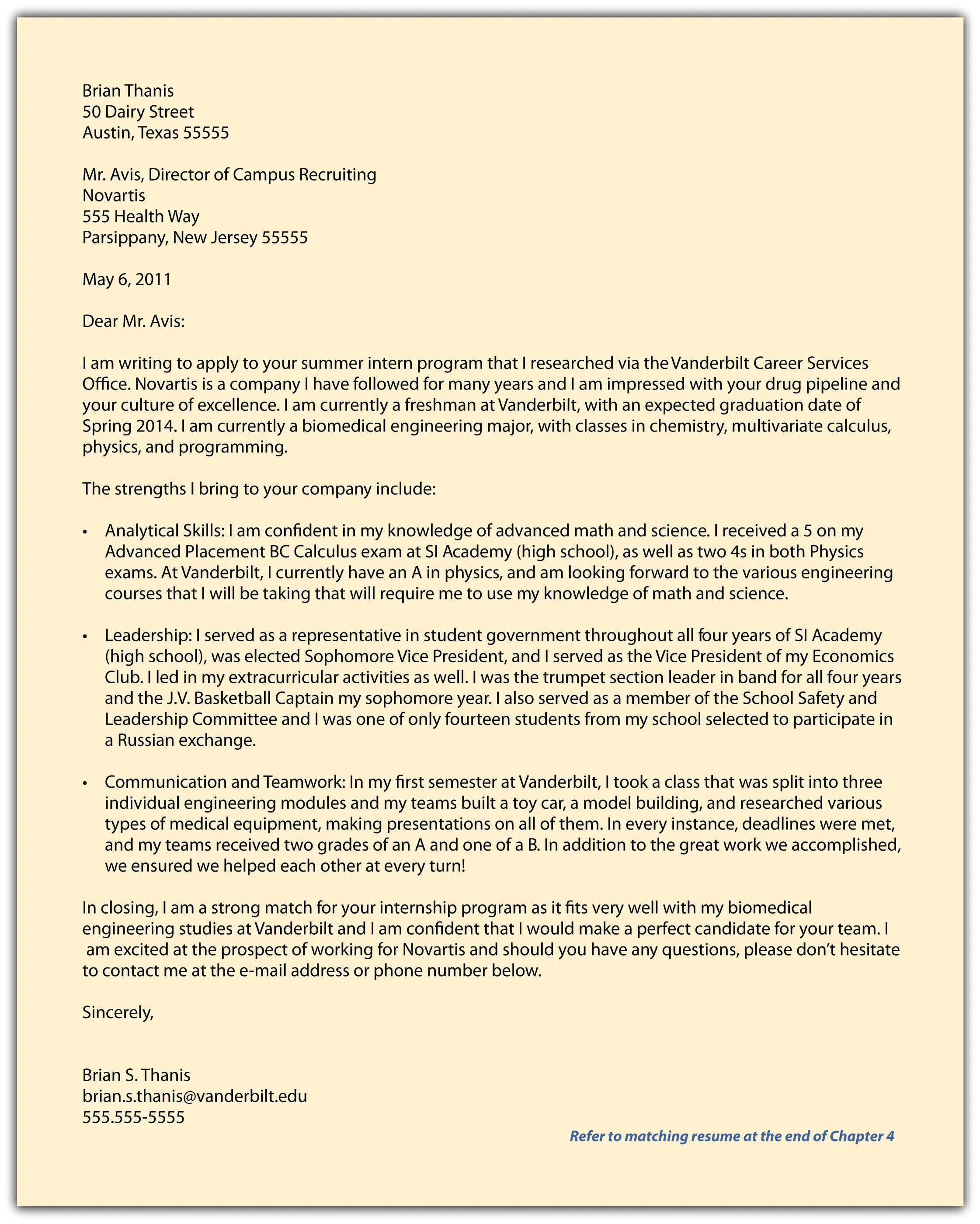
Structuring your cover letter for broad appeal involves striking a balance between personalization and general applicability. Start with a concise and engaging opening that captures the reader’s attention. Instead of a generic greeting, try addressing the hiring manager by name, if possible. Use the body paragraphs to highlight your key skills and experiences. Focus on a few core areas that are relevant to a range of roles. Use bullet points to make your accomplishments easy to read and digest. The closing should express your enthusiasm for the opportunities and reiterate your interest in the company. Keep the tone professional and enthusiastic. Proofread your cover letter carefully before submitting it to ensure that it is free of errors. Consider using a professional template that is clean, easy to read, and ATS-friendly.
Crafting a Strong Opening That Catches Attention
The opening of your cover letter sets the tone and determines whether the reader will continue to engage with your application. Avoid generic openings, such as “Dear Hiring Manager”. Instead, personalize your greeting whenever possible. If you know the hiring manager’s name, use it. If not, try “Dear [Department Team]” or a similar personalized approach. The opening paragraph should immediately grab the reader’s attention. State the specific position you are applying for. Briefly summarize your key qualifications and express your enthusiasm for the role and the company. If possible, mention something specific that attracted you to the company or the role, such as their mission, values, or recent achievements. This demonstrates your research and genuine interest.
Showcasing Your Skills and Qualifications

Showcasing your skills and qualifications effectively requires more than simply listing your abilities. Provide concrete examples to demonstrate how you have utilized these skills in practice. Use the STAR method (Situation, Task, Action, Result) to provide a clear and concise account of your accomplishments. Describe the situation you were in, the task you needed to complete, the actions you took, and the positive results you achieved. Quantify your achievements whenever possible. Instead of saying “Improved sales,” say “Increased sales by 15% in one quarter.” Tailor your examples to the specific requirements of each job description. By demonstrating your skills and qualifications with relevant examples, you increase your chances of making a strong impression and standing out from the competition.
Concluding Your Cover Letter Effectively
The conclusion of your cover letter is your final opportunity to leave a lasting impression. Reiterate your interest in the position and the company. Briefly summarize your key qualifications and why you are a good fit. Express your enthusiasm for the opportunity to learn more. End with a clear call to action. State your willingness to attend an interview and provide your contact information again. Thank the hiring manager for their time and consideration. Proofread the conclusion carefully to ensure that it is professional and error-free. Avoid generic phrases and maintain a positive and confident tone. Your goal is to leave the reader with a strong sense of your qualifications and enthusiasm, prompting them to take the next step in the hiring process.
Examples of Successfully Applied Cover Letters
To illustrate the principles of effective cover letter writing, consider the following examples: In one scenario, a candidate applied for a marketing manager position and tailored their cover letter to highlight their experience in social media marketing, SEO, and content creation, all of which were listed as key requirements in the job description. The cover letter provided specific examples of successful campaigns and quantifiable results, such as a 20% increase in website traffic and a 10% increase in leads generated. In another scenario, a project manager adapted their cover letter to focus on their project management skills, including project planning, risk management, and team leadership, emphasizing their experience managing projects from inception to completion. These examples demonstrate the importance of tailoring your cover letter to each specific role.
The Role of the Resume in Multiple Applications

While the cover letter serves as a crucial introduction and a place to demonstrate your interest and skill set, the resume provides a detailed overview of your qualifications and experience. In the context of multiple applications, the resume plays an even more critical role. You must keep your resume updated and tailored to the job descriptions of the positions you are targeting. Focus on relevant skills and experiences, and tailor your resume to align with the key requirements of each role. Use keywords from the job descriptions to ensure that your resume gets noticed by applicant tracking systems (ATS). The resume should be a comprehensive and accurate summary of your qualifications, and should be consistent with the claims made in your cover letter. Make sure your resume is easy to read and well-formatted, making it simple for hiring managers to quickly grasp your experience and skills.