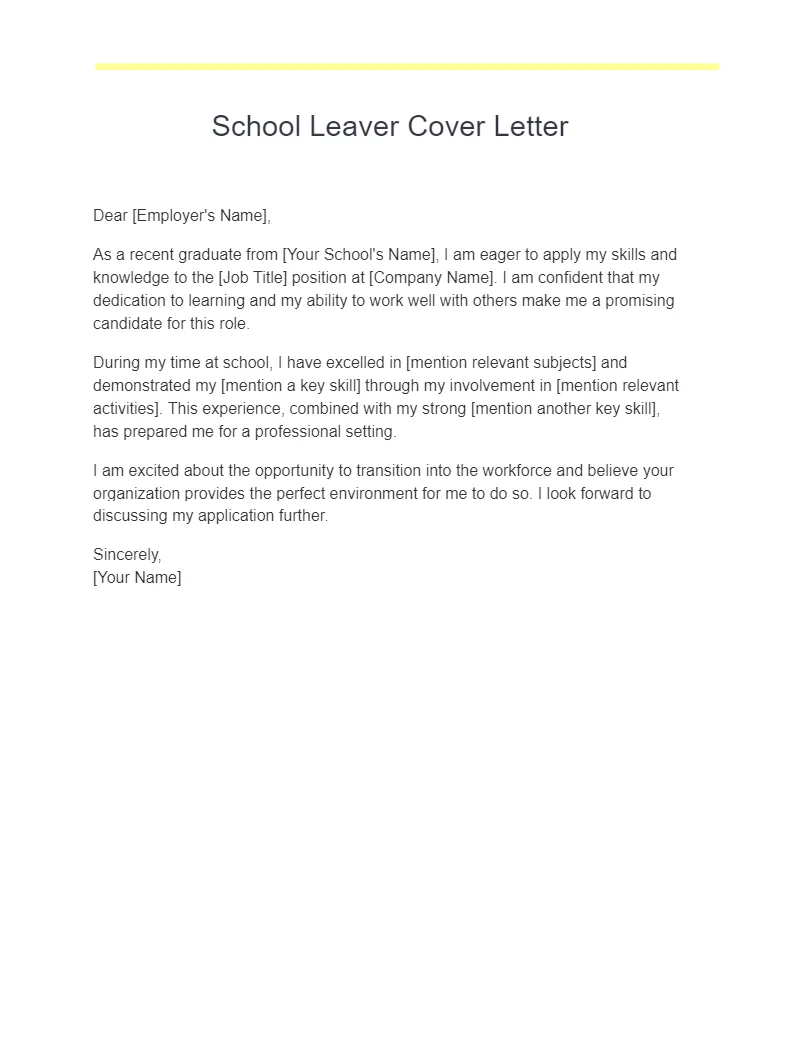
Crafting a Dean of Students Cover Letter
A compelling cover letter is your first opportunity to make a positive and lasting impression on the hiring committee. It goes beyond a simple summary of your resume; it’s a chance to showcase your personality, demonstrate your skills, and highlight your genuine passion for working with students. A well-written cover letter proves you understand the intricacies of the Dean of Students role and your commitment to creating a supportive and successful learning environment for all students. It is a critical step in your application and sets the stage for a possible interview and eventually, getting the job. This guide provides all the necessary advice to help you create a cover letter that stands out from the competition.
Understanding the Role
Before you even begin writing your cover letter, understanding the scope of the Dean of Students role is essential. Comprehending the responsibilities will inform the language you use and the experiences you choose to highlight. Knowing the nuances of the role ensures that you tailor your letter to the specific requirements of the position and the needs of the school. Before you even write a word, research the school’s values, mission statement, and any specific priorities they’ve outlined for the Dean of Students position. This will allow you to effectively align your skills and experiences with their particular requirements.
Key Responsibilities of a Dean of Students

The Dean of Students plays a critical role in cultivating a positive school environment. Key responsibilities often encompass student discipline, attendance management, providing counseling and support services, and collaborating with parents and teachers. Additionally, Deans are often involved in conflict resolution, crisis management, and the implementation of school policies. Your cover letter should effectively demonstrate your aptitude for managing these diverse responsibilities. Consider how your previous experiences have prepared you for these tasks, and how you can positively contribute to creating a safe, respectful, and supportive environment for all students and staff.
Essential Skills to Highlight
Certain skills are indispensable for success in this role. Emphasize your communication abilities, leadership qualities, problem-solving skills, conflict resolution expertise, and empathy. Also, consider highlighting your organizational skills, ability to work under pressure, and knowledge of school policies and procedures. Always tailor your skills to align with the specific requirements outlined in the job description. If the job posting emphasizes a particular area, like restorative justice, be sure to showcase your related experience and expertise. Think about specific examples where you’ve demonstrated each of these essential skills in your past experiences.
Highlighting Your Relevant Experience
Your cover letter should focus on experiences directly relevant to the Dean of Students role. Focus on any positions where you’ve managed student behavior, implemented disciplinary policies, or delivered student support services. Whether your experience comes from being a Dean of Students, a teacher, a counselor, or a related administrative role, your previous roles should demonstrate your ability to effectively handle the wide range of responsibilities as a Dean. Quantify your achievements whenever possible, using specific numbers and providing examples to substantiate your claims.
Showcasing Leadership Abilities

Leadership is a critical component of this role. Highlight your ability to lead and guide students, faculty, and staff. Demonstrate your capacity to inspire, motivate, and mentor others. Provide specific examples of times you have taken initiative, led a team, or successfully implemented new programs. Explain how you have made decisions in challenging situations and how you have worked to create a positive and inclusive school culture. Illustrate your leadership skills through specific examples and by highlighting your ability to drive positive change.
Examples of Leadership in Education
Think about your past experiences, like leading a school-wide initiative, mentoring a struggling student, or organizing a successful extracurricular activity. Discuss any instances where you mediated conflicts among students or staff. Also, explain how you trained or supervised others, or any instances where you were responsible for making decisions regarding student conduct or school policy. Showcase how you built positive relationships with students, teachers, and parents to foster a supportive community.
Emphasizing Problem-Solving Skills
A Dean of Students frequently faces complex problems. Showcase your problem-solving skills by providing examples of how you’ve addressed challenging situations. Describe your methodical process for assessing a situation, identifying the underlying issues, and implementing effective solutions. Highlight your ability to think critically, make sound judgments, and remain calm under pressure. Share how you handle difficult conversations, make fair decisions, and navigate challenging situations. Being able to solve problems is one of the most critical skills to highlight in your cover letter.
Addressing Student Discipline

Addressing student discipline is a core aspect of the role. In your cover letter, explain your approach to discipline, including how you handle situations fairly and consistently. Describe your methods for resolving conflicts, implementing consequences, and working with students to learn from their mistakes. Highlight instances where you’ve collaborated with parents, teachers, and counselors to improve student behavior. Share your experiences demonstrating your ability to maintain confidentiality and adhere to school policies.
Demonstrating Communication Skills
Effective communication is essential for success. Demonstrate your ability to communicate clearly and professionally, both verbally and in writing. Highlight instances where you’ve effectively communicated with students, parents, teachers, and administrators. Show your ability to adapt your communication style to different audiences. Include examples of your public speaking, presentation skills, and ability to mediate conflicts. Show your skill to actively listen and understand different perspectives.
Writing a Strong Cover Letter Introduction
The introduction of your cover letter is your first opportunity to capture the reader’s attention. It should immediately state your interest in the position and briefly highlight your most relevant qualifications. Avoid generic opening lines. Instead, make it clear why you’re interested in this specific school and the Dean of Students role. Tailor your introduction to reflect the specific requirements mentioned in the job posting. Your introduction should convey your enthusiasm and make the reader want to learn more about you.
Opening with Impact

Start with a strong opening statement that immediately grabs the reader’s attention. It could be a brief anecdote, a statement about your passion for education, or a direct reference to the school’s mission or values. For example, you might start by referencing a specific program at the school that aligns with your experience or by highlighting your personal values related to student support and success. Avoid clichés and aim for originality to stand out.
Stating Your Intent and Interest
Clearly state the position you are applying for. Explicitly mention the title of the role, and reiterate your enthusiasm. Show your understanding of the school’s mission or values and how your experience and skills align. Explain why you are interested in this specific school and what attracts you to the Dean of Students position. Show that you’ve researched the school, its programs, and its community, and that you understand the role’s responsibilities.
Highlighting Your Qualifications
In this section, provide a concise overview of your key qualifications. Identify the most critical skills and experiences that align with the job description. Focus on the qualifications that directly address the specific requirements mentioned in the job posting. Briefly summarize your relevant background, emphasizing your education, experience, and any certifications or training that are relevant to the role. Be sure to use keywords from the job description to show that you are a perfect match.
Matching Skills to Job Requirements

Carefully review the job description and identify the skills and experiences they are seeking. Make a list of these requirements and then address each one in your cover letter. Provide specific examples from your past roles that demonstrate your proficiency in these areas. If the job requires experience in a particular area, such as restorative justice, highlight your experience, training, or accomplishments in that field. Tailor your skills to the needs of the school.
Quantifying Achievements
Use numbers to quantify your accomplishments to make your cover letter more compelling. Instead of saying you “improved student attendance,” state the specific percentage by which you improved it. If you implemented a new program, describe its positive impact with measurable results. Show the impact you made. Provide data to illustrate your effectiveness. Quantification adds credibility to your claims and demonstrates your impact on the previous role.
Writing a Compelling Cover Letter Body
The body of your cover letter is where you go into detail about your qualifications and experiences. Structure your paragraphs logically, making it easy for the reader to follow your thoughts and understand how your skills and experiences align with the job requirements. Use clear and concise language, and avoid jargon or overly complex sentences. The goal is to show the hiring manager that you have the relevant qualifications and that you are a good fit for the role and the school.
Structuring Your Paragraphs

Each paragraph should focus on a specific skill, experience, or accomplishment. Begin each paragraph with a clear topic sentence that introduces the main idea. Follow this with supporting details, specific examples, and evidence that supports your claims. When discussing a specific accomplishment, start by stating the goal, describing your actions, and then highlighting the results. This structure allows the reader to clearly understand what you did and the impact of your actions.
Providing Specific Examples
Always provide concrete examples to support your claims. Instead of saying that you are a good communicator, provide an example of a situation where you successfully communicated with students, parents, or staff. Instead of saying that you are a strong leader, describe a time when you led a team, made a difficult decision, or resolved a conflict. The more specific your examples, the more credible and convincing your cover letter will be. These examples should demonstrate your abilities and show how you have helped in past situations.
Writing an Effective Cover Letter Conclusion
The conclusion should be brief, focused, and leave a positive final impression. Thank the hiring manager for their time and consideration. Express your enthusiasm for the position and reiterate your interest in the school. Clearly state your willingness to participate in an interview and provide your contact information. Your closing should summarize your key strengths and make the hiring manager remember why you are a good fit for the role.
Reiterating Your Interest

Restate your strong interest in the Dean of Students position and the school. Reiterate why you are a good fit for the role. Reiterate your understanding of the school’s mission, values, and any specific goals mentioned in the job posting. Briefly summarize your most relevant qualifications, highlighting your skills and experience that make you a great fit for the role. Show enthusiasm about this opportunity and how it can help achieve the schools goals.
Expressing Gratitude and Next Steps
Thank the hiring manager for their time and consideration. Express your appreciation for being considered for the position. State that you are available for an interview and provide your contact information. Close with a professional and enthusiastic statement, such as “I look forward to hearing from you soon,” or “Thank you for your time, and I am eager to discuss my qualifications further.” A professional closing leaves a positive, lasting impression.
Proofreading and Formatting Your Letter
Before submitting your cover letter, carefully proofread it for any grammatical errors, spelling mistakes, or typos. These errors can undermine your professionalism and distract the reader from your qualifications. Use a spell checker and a grammar checker, but also read the letter aloud to catch any errors that might be missed. Ensure the formatting is clean, consistent, and easy to read. Use standard fonts, appropriate margins, and clear paragraph spacing. An easy-to-read letter will create a good impression.
Ensuring Professionalism
Your cover letter should reflect professionalism. Use formal language, avoid slang, and maintain a positive tone throughout. Address the letter to the correct person, usually the hiring manager or the principal. Ensure that your contact information is accurate and up-to-date. Include a professional signature if you are submitting a hard copy. Also, keep your cover letter concise and focused. Aim for one page unless the job description specifies a different length. Consider these points and the following before submitting your cover letter.
Common Cover Letter Mistakes to Avoid
Avoid generic cover letters that could be sent to any school. Make sure your cover letter is tailored to the specific school and role. Avoid using clichés or overly casual language. Do not focus on yourself; instead, emphasize how you can contribute to the school. Avoid simply repeating your resume; instead, provide more context and examples to show the hiring manager why you’re a great fit. Proofread carefully for spelling and grammatical errors. Make sure you present yourself professionally to maximize your chances.