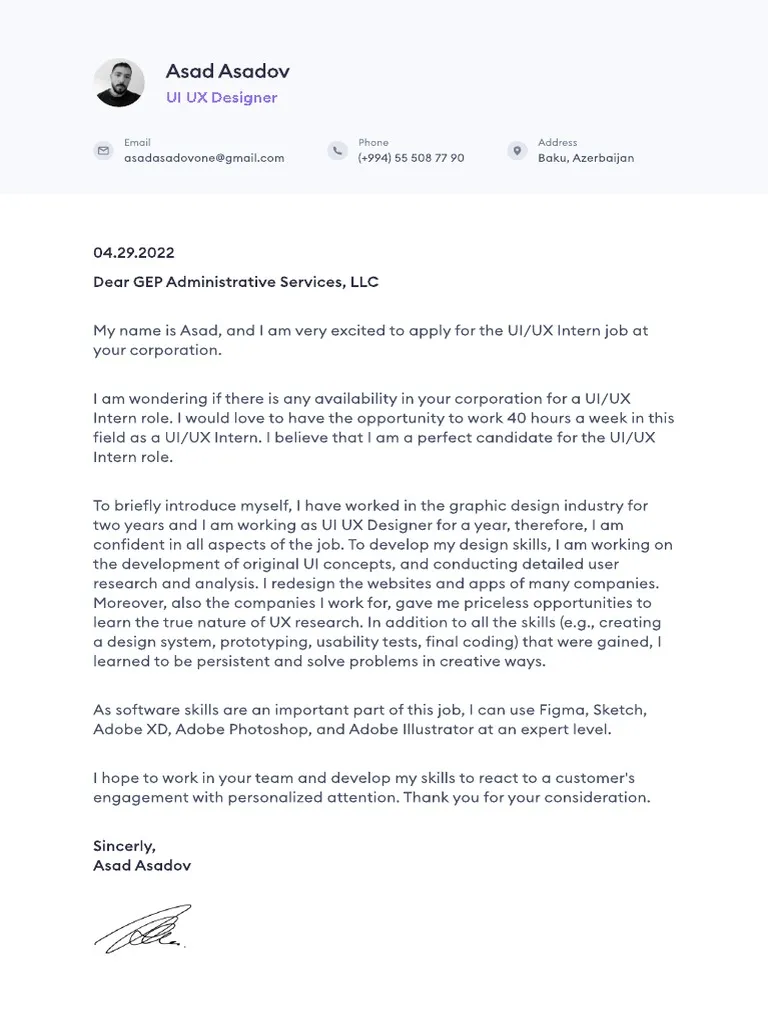
Understanding the EAD Cover Letter
The Employment Authorization Document (EAD) cover letter is a crucial document for individuals seeking permission to work in the United States. It serves as a formal introduction of your EAD application to the United States Citizenship and Immigration Services (USCIS). This letter provides essential details about your application, ensuring that the USCIS understands the context of your request and can process it efficiently. A well-crafted EAD cover letter not only helps in the smooth processing of your application but also increases your chances of approval by providing clarity, accuracy, and the necessary context for your case. It’s the first impression you make with the USCIS, so it’s vital to get it right. The cover letter acts as a roadmap for the USCIS officer, guiding them through your application and highlighting the key elements needed for a favorable decision.
The Importance of an EAD Cover Letter
An EAD cover letter is significantly important for several reasons. First, it serves as a formal introduction to your application, allowing you to organize all the necessary information in a concise manner. This organizational aspect is critical because it assists the USCIS officer in quickly understanding the specifics of your case, which can significantly speed up the processing time. Secondly, the cover letter allows you to provide a clear and detailed explanation of your eligibility for the EAD. This includes specifying the basis of your application, whether it’s based on pending asylum, a specific visa status, or another qualifying category. The cover letter also helps you highlight the key supporting documents that you are submitting, making it easier for the USCIS to verify your claims. Lastly, a well-written cover letter minimizes the risk of delays or rejections. It shows that you are serious about your application and have taken the necessary steps to ensure it is complete and accurate.
Key Components of an EAD Cover Letter

A comprehensive EAD cover letter should include several key components to ensure clarity, accuracy, and completeness. These components work together to create a strong case for your application. Each section provides specific information that the USCIS needs to understand the context of your request and verify your eligibility. Proper inclusion of these sections is vital for a successful application. Omitting any of these could result in processing delays, or even denial of your application, so carefully crafting each part is essential. Here’s a breakdown of the essential elements, providing a comprehensive overview for a successful EAD application.
Applicant Information
Begin by providing your full legal name, date of birth, mailing address, and any other relevant personal identifiers. This information is essential for the USCIS to correctly identify you and match your application with your existing records. Make sure the name matches exactly what is on your other official documents, such as your passport or any previous USCIS filings. Use a current mailing address where you can reliably receive official correspondence. Include a phone number and email address for easy communication. It’s crucial to ensure all information is accurate and up-to-date to avoid any confusion or delays in the processing of your application.
USCIS Information
Specify the USCIS Service Center where you are submitting your application. This typically involves the address of the lockbox or the specific address listed in the application instructions. Include the receipt number from any previously filed USCIS applications, such as a pending I-797 notice. This helps the USCIS connect your current application with previous filings, speeding up the process. Provide any relevant A-Number (Alien Registration Number) or USCIS account number if you have one. Including this detail assists the USCIS in retrieving your records, reducing the likelihood of errors and potentially speeding up processing times. Always verify the address and the information to ensure they are current and accurate to avoid your application being sent to the wrong location.
EAD Application Details

Clearly state the purpose of your cover letter which is to apply for an Employment Authorization Document. State the specific form you are submitting, which is typically Form I-765, Application for Employment Authorization. Indicate the category under which you are applying for the EAD (e.g., based on pending asylum, DACA, or a specific visa). Provide details about your eligibility based on your selected category. For instance, if you are applying based on a pending asylum application, specify the date you filed your asylum application and the current status. Explain any special circumstances related to your application, such as any prior EADs you have had or any changes in your circumstances. Ensure this section is concise, clear, and aligns with the information provided in Form I-765.
Supporting Documentation
Create a detailed list of all the supporting documents you are including with your application. This list helps the USCIS verify that all necessary documents are included and organized. Each document should be clearly identified, such as a copy of your passport, I-94, or any other forms or evidence. Include a brief description of each document and its relevance to your case. This ensures the USCIS officer understands the purpose of each document, enhancing their ability to evaluate your application effectively. Verify that you have included all required documents and that they are properly organized. This helps streamline the processing of your application, potentially leading to faster approval.
Formatting Your EAD Cover Letter
Formatting your EAD cover letter properly is crucial for its overall effectiveness. A well-formatted letter is easier to read, making it simpler for the USCIS officer to quickly understand the key details of your application. Properly formatted cover letters enhance the clarity and professionalism of your submission. Proper formatting is just as important as the content of your letter. The overall presentation can impact how the USCIS officer perceives your application. Simple formatting can help you make a strong impression, increasing your chances of a positive outcome. Therefore, pay close attention to the font, structure, and layout of your EAD cover letter.
Font and Style

Use a professional and easy-to-read font such as Times New Roman, Arial, or Calibri. The font size should be between 11 and 12 points to ensure readability. Maintain consistent font formatting throughout the document. This includes using the same font style and size for all text, headings, and subheadings. Ensure your cover letter is single-spaced for the main body text, but use a double space between paragraphs to improve readability. Avoid using decorative fonts or excessive styling, as this can make the document harder to read. Simple and clean formatting enhances readability, enabling USCIS officers to quickly grasp the necessary details of your application.
Structure and Layout
Begin your cover letter with your contact information (name, address, phone number, and email) and the date, aligned to the left or right side. Include the USCIS office’s address, or if unknown, the general address where you are mailing your application. Use a clear and concise opening paragraph that specifies the purpose of the letter - to apply for an Employment Authorization Document. Divide the content into well-defined sections, such as applicant information, application details, and supporting documentation. Use headings and subheadings to structure the information, making it easy for the reader to find the necessary details. Keep paragraphs concise, ideally with no more than five to seven sentences each. This format helps the USCIS officer process the information efficiently, thus potentially speeding up the approval process.
Essential Tips for a Strong EAD Cover Letter
Several key strategies can help you create a strong EAD cover letter that effectively communicates your application details and increases your chances of approval. These tips cover all aspects of the letter, from the initial drafting stages to the final review, and include attention to detail and precision in the information you present. Following these tips will help you write an effective cover letter that will make a positive impression on the USCIS. A well-crafted cover letter is the first step in your journey to obtaining an EAD. Following these tips will improve your chances of success. Incorporating these suggestions will significantly enhance the impact of your letter, contributing to a smoother and more favorable outcome.
Proofread Carefully

Always proofread your EAD cover letter multiple times before submitting it. Check for any spelling errors, grammatical mistakes, and typos that could detract from the professionalism of your letter. Review all the names, dates, and other specific details for accuracy. Incorrect information can lead to delays or rejection of your application. Ask a friend, family member, or a professional to review your letter to catch any errors you might have missed. A fresh set of eyes can often identify mistakes that you might overlook. Ensuring your letter is error-free conveys attention to detail and professionalism, improving your application’s credibility.
Highlight Relevant Skills
While an EAD cover letter is not a resume, you can briefly mention any skills or qualifications that support your application. If your application is based on a specific skill set, briefly describe those skills to help validate your eligibility. For instance, if you’re applying for an EAD based on a specific job offer, you may mention the skills required for that role. You should not include a detailed description of your work experience. The primary purpose of the letter is to provide context, not to act as a full job application. This shows that you are serious and ready to be employed. Tailor these details to support the category under which you are applying, highlighting any relevant experience that justifies your EAD application.
Use Professional Language
Maintain a professional tone throughout your EAD cover letter. Use formal language and avoid slang, colloquialisms, or informal contractions. Keep the language clear, concise, and easy to understand, minimizing the possibility of confusion. Be polite and respectful, especially when addressing USCIS officials. Always express gratitude for their consideration and attention to your case. Always maintain a serious and formal tone. A professional demeanor not only boosts your chances of success, but also conveys your respect for the process. A letter of this quality shows that you take the application seriously and have followed all the necessary procedures.
Review and Edit

Before submitting your EAD cover letter, conduct a thorough review of all its elements to ensure accuracy and completeness. Go through each section of the letter to verify all the information you’ve provided. Make sure all dates, names, addresses, and reference numbers are accurate. Verify that the document includes all the required components, such as applicant information, application details, and supporting documentation. Check that all supporting documents are correctly listed and organized. After reviewing the content, edit for clarity, conciseness, and grammatical correctness. Make the final review as a last quality control check to spot errors, ensuring the letter is polished and ready for submission. Make sure the letter meets USCIS requirements. This can prevent delays and improve your chances of a positive outcome.
Common Mistakes to Avoid in Your EAD Cover Letter
Avoiding common mistakes is essential for a successful EAD application. These errors can delay the process or lead to your application being denied. Understanding these mistakes will make it easier to avoid them. Common mistakes often undermine the clarity and accuracy of the information. By addressing these common pitfalls, you can significantly increase the chances of a favorable decision from USCIS. Correcting these errors will not only streamline the process but also ensure your application demonstrates your seriousness.
Incorrect Formatting
Failure to follow USCIS formatting guidelines is a common mistake. Ensure you use the appropriate font, size, and spacing as specified in the instructions. Ensure your letter has a professional look that meets USCIS requirements. Ensure your letter is easy to read, with the information presented clearly. Improper formatting can be a sign of disorganization. It also increases the likelihood that the officer will overlook key details. Be mindful of the format and take extra time to ensure your letter aligns with the guidelines, helping to reduce the chance of rejection.
Lack of Clarity
Ensure that the language used in your cover letter is clear, concise, and avoids ambiguity. Avoid using jargon or overly complex sentences that might confuse the reader. Provide clear and precise details to your eligibility. Vague information can make it difficult for the USCIS to understand your case. Make sure that all information is clear and correct. In the letter, the points must be conveyed in such a way that they are understood. This lack of precision can impede the processing of your application. To ensure clarity, review your letter carefully and revise any sections that are not fully understandable. If necessary, have another person review it to provide a fresh perspective and improve clarity.
Ignoring Instructions
One of the most significant mistakes is failing to follow the specific instructions provided by USCIS. Carefully review all guidelines for the EAD application, including form instructions, document requirements, and submission procedures. Ensure you have completed all required forms and provided all necessary supporting documentation. Ignoring these requirements can cause significant delays or even rejection of your application. Always refer to the most current instructions from USCIS, as guidelines can change. It is helpful to review instructions from the USCIS before you complete your application. Checking the guidelines carefully is the first step in submitting a successful EAD application.
Frequently Asked Questions about EAD Cover Letters
Many applicants have common questions about the EAD cover letter. This section provides answers to frequently asked questions. Knowing the answers can help you avoid common mistakes. It helps the applicants to be well-prepared for the application process. Here’s a list of the most frequently asked questions, with detailed answers to guide you through the application process.
What is the purpose of an EAD cover letter?
The main purpose of an EAD cover letter is to formally introduce your application to the USCIS. It provides a clear and organized overview of your application, including your personal information, the basis for your EAD eligibility, and a list of supporting documents. It allows you to explain the context and reasons behind your request in your own words, which is crucial for the USCIS officer processing your application. The cover letter also serves to highlight the key details and helps USCIS understand the particulars of your case. It acts as a roadmap, guiding the officer through the application and supporting documentation, to ensure your application is processed effectively.
What information should be included?
Your EAD cover letter must include your full name, date of birth, mailing address, and other relevant identifiers. It should specify the USCIS Service Center where you are submitting your application. It includes your current address and the date of your application. The cover letter should identify the purpose of the application, including the specific form number (Form I-765), and the basis for your eligibility. It should provide a detailed list of all the supporting documents you are submitting with the application. Additionally, you should include any information that helps clarify your case and make it easy for the USCIS officer to understand your application.
How to submit EAD cover letter
The EAD cover letter should be the first document in your application package, placed on top of all the other forms and supporting documents. It is essential to organize your documents clearly and follow the instructions. It should be placed at the beginning of the application. This ensures the USCIS officer can easily find it when reviewing your submission. If you are submitting your application by mail, ensure that all the documents are neatly organized and secured, possibly using a binder clip. If submitting online, the cover letter should be the first file uploaded, and all supporting documents should be attached in the order specified by USCIS. Always double-check the submission guidelines for the correct address and any specific instructions for your case, so that the USCIS can properly process your application.
In conclusion, writing a comprehensive and well-structured EAD cover letter is essential for a successful application. It serves as an introduction to your case, helping the USCIS understand your eligibility and the supporting documentation. The letter must be clear, accurate, and well-formatted to convey the necessary information. The tips provided here will help you prepare your letter for submission. By carefully following the guidelines, avoiding common mistakes, and addressing frequently asked questions, you can increase your chances of approval. Preparing a professional and organized cover letter is a critical first step. Proper application of all recommendations will help you present your case effectively and efficiently.