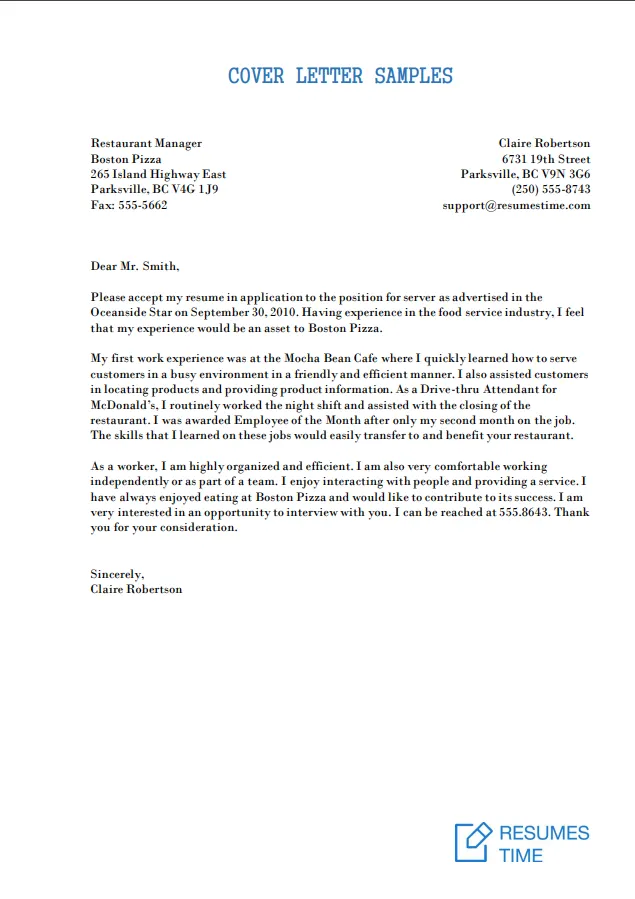
What Makes an Effective Cover Letter?
An effective cover letter is a crucial tool in your job search arsenal. It’s your first opportunity to make a strong impression on a potential employer, providing a personalized introduction that goes beyond the information in your resume. The primary goal of a cover letter is to demonstrate how your skills, experience, and qualifications align with the specific requirements of the job and the needs of the company. To achieve this, a well-crafted cover letter must be tailored to each position you apply for, showcasing your genuine interest and enthusiasm. A generic, mass-produced cover letter is unlikely to capture the attention of a hiring manager; instead, personalize it. It should clearly articulate your value proposition, highlighting your key accomplishments and demonstrating your ability to contribute to the organization’s success.
Formatting and Structure
The structure of your cover letter is as important as its content. A clear, concise, and well-formatted letter is easier to read and leaves a positive impression. Proper formatting also demonstrates professionalism and attention to detail. Begin with a professional header that includes your contact information, followed by the date and the recipient’s information. Break your cover letter into distinct paragraphs, each addressing a specific aspect of your qualifications and interest in the role. Keep the tone professional and engaging, and use a readable font size and style. Ensure the letter is free of grammatical errors and typos, and proofread carefully before submitting it. Maintain a consistent format throughout the document, including margins and spacing.
Header Essentials

Your header sets the tone for your cover letter. It should begin with your full name, followed by your contact details. Include your phone number, email address, and optionally, your LinkedIn profile URL. Ensure your contact information is up-to-date and professional-looking. Avoid using a casual email address. The header should be aligned to the left or right, depending on your preference, and should be visually distinct from the body of the letter. Use a font size that is slightly smaller than the body text, and ensure the header is clean and easy to read. This section should clearly and concisely provide the recruiter with immediate ways to contact you, should they wish to proceed.
Professional Contact Information
Accuracy and professionalism are the cornerstones of your contact information. Your phone number must be correct, and your voicemail should have a professional greeting. Your email address should also be professional, using your name rather than a nickname. Ensure that your LinkedIn profile is up-to-date and highlights your accomplishments and skills. This way, it can serve as a digital extension of your cover letter, giving the recruiter more details about your professional background. It is critical that the information in the header is consistent with the information on your resume, ensuring there are no discrepancies that could undermine your credibility. Always double-check all contact details before sending your application to prevent missed opportunities.
Recipient Information
Addressing your cover letter to the hiring manager or the specific person responsible for hiring shows that you’ve done your research and that you pay attention to detail. Whenever possible, find out the name of the person you’re writing to. If you can’t find a name, use a professional salutation, such as ‘Dear Hiring Manager,’ or ‘Dear [Department Name] Team.’ Avoid generic greetings like ‘To Whom It May Concern,’ which can make your letter feel impersonal. Proper recipient information shows that you’re serious about the opportunity and that you are genuinely interested in working for their company. It shows that you’re willing to go the extra mile to make a connection, demonstrating your initiative.
The Opening Paragraph

The opening paragraph is your chance to make a strong first impression. It should immediately grab the reader’s attention and compel them to continue reading. Start by stating the position you are applying for and where you found the job posting. Briefly mention your most relevant qualifications or a key accomplishment that aligns with the job’s requirements. Show enthusiasm for the position and the company. The opening paragraph should be concise and focused, setting the tone for the rest of the letter and clearly stating your purpose. It must be carefully crafted to immediately capture the recruiter’s interest.
Grabbing Attention Immediately
To grab the attention of the hiring manager, begin with a compelling hook. This could be a brief anecdote that relates to the job, a standout achievement, or a statement of your enthusiasm for the role and the company. Avoid generic phrases. The goal is to pique the reader’s interest and make them want to learn more about you. A strong opening can be a short statement of your understanding of the company’s mission. Tailor the opening to the specific job and company, demonstrating that you’ve done your homework. A well-crafted opening paragraph is a critical first step towards setting your cover letter apart from the competition.
Highlighting Your Value
In the opening, quickly convey your value proposition. What can you bring to the company? What are your most significant strengths and accomplishments? Immediately show how your skills and experience align with the job requirements. Show that you have the skills and experience they’re looking for. By highlighting your value early on, you set the stage for the rest of the letter and make it clear why you’re a strong candidate. This proactive approach helps the recruiter quickly understand how you can benefit the company.
Skills and Achievements that Impress

The body paragraphs are where you elaborate on your skills and achievements. Instead of simply listing your responsibilities, focus on showcasing your accomplishments and quantifying your results. Provide specific examples that demonstrate your abilities and how you have contributed to previous employers. Use the job description to identify the key skills and qualifications the company is looking for. Tailor your cover letter to highlight your experience and accomplishments that align with these requirements. Explain how you used your skills and what was the result, by highlighting your accomplishments, you demonstrate your competence and ability to excel in the role.
Quantifiable Results
Whenever possible, quantify your achievements to demonstrate your impact. Use numbers, percentages, and specific data to illustrate your successes. Instead of saying ‘Improved sales,’ say ‘Increased sales by 15% in one quarter.’ Quantifying your results makes your accomplishments more tangible and credible. It allows the hiring manager to quickly assess your value and the potential impact you could have on the company. Highlighting quantifiable results makes your cover letter more persuasive and strengthens your application.
Tailoring to the Job Description
Carefully review the job description and tailor your cover letter to address the specific requirements. Identify the key skills, qualifications, and responsibilities listed in the description. Then, in your cover letter, provide examples of how your experience aligns with these requirements. Use the same keywords and phrases from the job description to show that you understand the role and the company’s needs. Tailoring your cover letter shows that you’ve taken the time to understand the position and are a good fit. This attention to detail will greatly improve your chances of getting an interview. The aim is to create a customized document that mirrors the expectations of the hiring team.
Matching Skills to Requirements

Identify the skills and experiences most relevant to the job requirements. The job description usually lists these skills and experiences. Focus your cover letter on these key aspects. Highlight specific projects, tasks, or achievements that showcase these skills. Use specific examples to illustrate how you’ve used these skills in the past and the positive outcomes you achieved. By clearly matching your skills to the job requirements, you demonstrate your ability to perform the job successfully. This targeted approach makes your cover letter more effective.
Keywords Optimization
Use keywords from the job description throughout your cover letter. Many companies use Applicant Tracking Systems (ATS) to scan applications. By using relevant keywords, you increase your chances of your cover letter being selected by these systems. Integrate keywords naturally into your writing; do not stuff them into your text. Using keywords helps you meet the requirements of the ATS, as well as help you show your understanding of the role and the company’s needs. This technique can significantly increase the likelihood that your cover letter will be seen by a hiring manager.
The Body Paragraphs
The body paragraphs should provide more detail about your relevant experience, skills, and accomplishments. Each paragraph should focus on a specific aspect of your qualifications, using clear and concise language. Avoid simply restating your resume; instead, expand on the information and provide concrete examples. Illustrate your accomplishments by using the STAR method: Situation, Task, Action, Result. Describe the situation, the task you faced, the actions you took, and the results you achieved. This structured approach makes your cover letter more engaging and effective. Use active voice and strong verbs to convey your achievements effectively.
Showcasing Relevant Experience

Focus on the work experience that is most relevant to the job you’re applying for. Select the experiences that best demonstrate the skills and qualifications required by the employer. Briefly describe your responsibilities in each role, and then focus on highlighting your achievements. Use the STAR method to provide context and explain the results of your actions. Avoid listing every job you’ve ever had, instead, select experiences that align with the job you are applying for. Make sure that your cover letter shows how your work experience makes you a good match for the position.
Elaborating on Accomplishments
Go beyond listing your job duties; describe your accomplishments in each role. Focus on the positive outcomes you achieved. Quantify your results whenever possible. What was the impact of your actions? Did you increase sales, improve efficiency, or reduce costs? Use strong action verbs to highlight your achievements and make your accomplishments stand out. Elaborating on your accomplishments helps demonstrate your value and shows that you’re capable of making a significant contribution to the company. It also shows that you can achieve results.
Using Action Verbs
Use strong action verbs to describe your responsibilities and achievements. Action verbs make your cover letter more dynamic and engaging. Use verbs such as ‘managed,’ ‘developed,’ ‘implemented,’ ‘achieved,’ ’led,’ ‘created,’ and ‘improved’. Action verbs demonstrate your proactive approach and show that you’re results-oriented. Choosing the right verbs can make your cover letter more compelling and effective. These verbs provide a more active and energetic tone, and they can make a lasting impression.
The Closing Paragraph

The closing paragraph is your final chance to make a positive impression. Reiterate your interest in the position and the company. Express your enthusiasm for the opportunity and thank the reader for their time and consideration. Close with a call to action, such as asking for an interview. The closing paragraph should be brief, professional, and leave a positive impression. Make sure to proofread this section to eliminate errors before you submit it.
Reiterating Interest and Enthusiasm
Restate your interest in the position and the company in your closing paragraph. Show that you are enthusiastic about the opportunity and that you have taken the time to understand the company’s mission and values. Refer to something specific that interests you about the role or the company. Expressing your enthusiasm will make your cover letter more memorable and show the hiring manager that you are genuinely interested in the opportunity. Your enthusiasm will make you stand out.
Call to Action
Close with a clear call to action. Politely request an interview or express your willingness to discuss your qualifications further. Make it easy for the hiring manager to take the next step. Provide your contact information again, and let them know that you are looking forward to hearing from them. A call to action shows that you are proactive and eager to move forward in the application process. A well-written call to action can increase your chances of getting an interview.
Common Mistakes to Avoid

Several common mistakes can undermine the effectiveness of your cover letter. It’s crucial to avoid these pitfalls to ensure your application makes a positive impression. Proofread your cover letter carefully to eliminate these issues. Here are some common errors that can hurt your chances of getting an interview. Understanding and avoiding these mistakes will greatly enhance your cover letter’s effectiveness.
Typos and Grammatical Errors
Typos and grammatical errors can make you appear careless and unprofessional. Always proofread your cover letter carefully. Use a grammar checker, but also read it yourself, as these tools are not always perfect. Have a friend or family member review your letter as well. Ensure that your grammar, punctuation, and spelling are perfect. These errors can distract the reader and detract from your qualifications. Thorough proofreading demonstrates your attention to detail and professionalism.
Generic and Uninspired Content
Avoid using generic phrases and templates. A generic cover letter shows that you haven’t taken the time to understand the job or the company. Customize each cover letter for each position you apply for. Highlight your relevant skills and accomplishments, and show that you are genuinely interested in the company. Show enthusiasm and passion. Generic content does not capture the reader’s attention. Make sure your letter is tailored to the specific job.
Lack of Research on the Company
Demonstrate that you have done your research on the company. Show that you understand the company’s mission, values, and goals. Tailor your cover letter to align with the company’s culture and needs. Mentioning something specific about the company shows you’ve taken the time to learn about them. The ability to prove that you’ve researched their business gives you an advantage.
Examples of Effective Cover Letters
Reviewing examples of effective cover letters can provide valuable insights and inspiration. Use these examples as a guide to help you structure your own cover letter and highlight your qualifications effectively. Pay attention to the tone, language, and formatting. These examples will provide a framework that you can adapt to your specific situation and the requirements of the job. Remember to always tailor the examples to your own experiences.
Cover Letter Example for Entry-Level Positions
For entry-level positions, focus on highlighting your academic achievements, relevant coursework, internships, and any part-time jobs or volunteer experiences. Explain how these experiences have prepared you for the role and demonstrate your eagerness to learn and contribute. Emphasize your soft skills, such as communication, teamwork, and problem-solving abilities. Tailor the letter to show your understanding of the company and the specific role.
Cover Letter Example for Mid-Career Professionals
For mid-career professionals, highlight your relevant work experience and accomplishments, using the STAR method to provide concrete examples. Quantify your results whenever possible, demonstrating your impact on previous employers. Focus on the skills and experiences that align with the job requirements. Tailor the letter to show that you’re a good fit and that you can make a significant contribution to the company. Show career progression and your achievements.
Cover Letter Example for Career Changers
If you’re changing careers, emphasize your transferable skills and how your previous experience has prepared you for the new role. Highlight any relevant skills, experiences, or accomplishments from your previous roles. Explain your motivation for the career change and show your enthusiasm for the new field. Research the new industry and tailor your cover letter to demonstrate that you understand the role and the company’s needs. Show the value of your unique background.
Cover Letter Example for Specific Industries
Industries such as technology, finance, or healthcare often have specific expectations for cover letters. Research the industry and tailor your cover letter to match. Use the industry’s terminology and conventions. Highlight the most relevant skills and experiences. Customize your cover letter to demonstrate your understanding of the industry. Make sure you are using the proper format.