
Understanding the Engineering Internship Cover Letter
An engineering internship cover letter is a crucial document that accompanies your resume when applying for an engineering internship. It’s your first impression and a chance to demonstrate your passion, skills, and suitability for the role. Unlike a resume, which provides a factual overview of your qualifications, a cover letter allows you to showcase your personality, explain your motivations, and connect your skills directly to the internship’s requirements. Mastering the art of crafting a compelling cover letter is essential for standing out from the competition and landing your dream internship.
Purpose of an Engineering Internship Cover Letter
The primary purpose of an engineering internship cover letter is to persuade the hiring manager that you are a strong candidate for the position. It serves as a personalized introduction, elaborating on your resume’s key points and demonstrating why you are the best fit for the internship. The cover letter allows you to explain your career goals, highlight relevant experiences, and express your enthusiasm for the opportunity. It’s a chance to communicate your unique value proposition and leave a lasting positive impression.
Key Components to Include

A well-structured engineering internship cover letter should include the following key components to make it stand out. Each element plays a vital role in painting a complete picture of your abilities, aspirations, and fit for the company. Be sure to include all these components. The best cover letters are clear, concise, and targeted to the specific internship and company.
Header and Contact Information
Begin with a professional header that includes your full name, address, phone number, and email address. If you know the hiring manager’s name, include their name and title, the company name, and the date. This information is essential for easy communication and demonstrates your attention to detail. Ensure your contact information is up-to-date and professional; use a professional-sounding email address.
Formatting and Professionalism
Maintain a professional tone and format throughout your cover letter. Use a standard font like Times New Roman or Arial, with a font size of 11 or 12 points. Keep the letter concise, ideally one page. Use clear and concise language, avoiding jargon or overly complex sentences. Proofread carefully for any typos or grammatical errors, as this reflects your attention to detail. Use bullet points to highlight your skills and accomplishments to make them easily readable.
Opening the Cover Letter

The opening paragraph is your chance to immediately grab the reader’s attention and create a positive first impression. It sets the tone for the rest of your letter and determines whether the hiring manager will continue reading. A strong opening paragraph highlights your enthusiasm, specifies the position you’re applying for, and briefly introduces your most relevant qualifications.
Grab the Recruiter’s Attention
Start with a strong opening that immediately captures the reader’s attention. Mention where you saw the job posting and the specific role you are applying for. Consider using a compelling statement or an anecdote that demonstrates your interest in engineering and the company. You can also mention a specific project, skill, or experience that aligns with the internship requirements. Make your opening memorable and relevant to the position.
Highlight Your Enthusiasm
Express your genuine enthusiasm for the internship and the company. Show that you’ve researched the company and understand its mission, values, and projects. Explain why you are excited about the opportunity and how it aligns with your career goals. Demonstrate your passion for engineering and your eagerness to contribute to the company’s success. Be specific about why you chose this company and this specific internship.
Body Paragraphs

The body paragraphs are where you showcase your skills, experience, and qualifications. This section is the core of your cover letter, where you expand on the details briefly mentioned in your opening. Use this section to connect your skills and experiences with the requirements of the internship and to highlight your most significant achievements. Remember to provide specific examples and quantify your accomplishments whenever possible.
Showcasing Relevant Skills and Experience
Identify the key skills and experiences required for the internship and highlight how you possess them. Refer to the job description and tailor your cover letter to match the requirements. Provide specific examples from your coursework, projects, or previous experiences that demonstrate your abilities. Use action verbs to describe your accomplishments and skills, such as “designed”, “implemented”, “analyzed”, and “managed”. Be specific about what you did and the results you achieved.
Quantify Your Achievements
Whenever possible, quantify your achievements with numbers and data. This makes your accomplishments more impactful and shows the tangible results of your efforts. For instance, instead of saying “Improved efficiency”, state “Improved efficiency by 15% by implementing a new process.” This shows how your skills have a measurable impact and adds credibility to your claims. Use percentages, numbers, and other metrics to demonstrate the value you can bring to the internship.
Addressing the Internship Requirements

Carefully review the internship description and address the specific requirements outlined. Tailor your cover letter to showcase how your skills and experiences align with the needs of the internship. Provide examples that demonstrate your ability to meet those requirements. If the internship requires specific software proficiency or knowledge of particular engineering principles, make sure to highlight these in your letter. Demonstrate how you will add value to the company.
Closing the Cover Letter
The closing paragraph is your final chance to leave a positive impression. It should reiterate your interest in the position, express gratitude for the opportunity, and provide clear instructions for the next steps. Make it easy for the hiring manager to contact you and indicate your availability for an interview.
Expressing Gratitude and Next Steps
Thank the hiring manager for considering your application and reiterate your interest in the internship. Express your enthusiasm for the opportunity to contribute to the company. State your availability for an interview and how you can be contacted. Provide your phone number and email address again. Close with a professional closing such as “Sincerely” or “Best regards,” followed by your name.
Proofreading and Finalizing

Before submitting your cover letter, carefully proofread it for any typos, grammatical errors, or inconsistencies. Ensure your cover letter is free from errors as this shows attention to detail. Ask a friend, professor, or career advisor to review your cover letter for feedback and suggestions. Ensure your cover letter is easy to read, well-formatted, and error-free. A polished cover letter can significantly increase your chances of getting an interview.
Examples of Effective Engineering Cover Letters
Reviewing example cover letters can provide valuable insights into how to structure and write your own. It helps you understand how to showcase your skills and tailor your letter to different engineering disciplines. Here are some example cover letters that can serve as models.
Mechanical Engineering Example
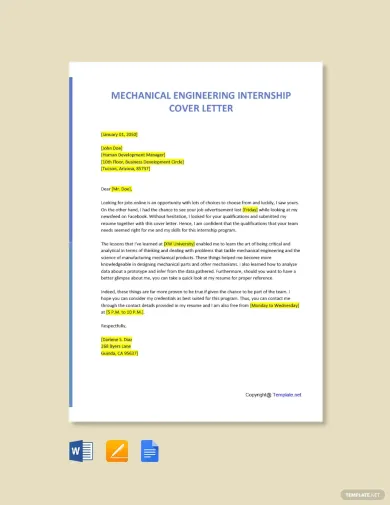
A mechanical engineering cover letter example should emphasize skills like CAD design, thermodynamics, and fluid dynamics. It should highlight relevant projects or coursework and demonstrate your ability to apply these skills to real-world engineering problems. The cover letter should reflect an understanding of the company’s focus and a passion for mechanical engineering.
Civil Engineering Example
A civil engineering cover letter should demonstrate skills in structural analysis, construction management, and environmental engineering. It should highlight experience in projects such as bridge design, road construction, or infrastructure projects. The cover letter should showcase the applicant’s understanding of civil engineering principles and the ability to work collaboratively.
Electrical Engineering Example
An electrical engineering cover letter should highlight skills like circuit design, programming, and embedded systems. It should focus on relevant projects or coursework that demonstrate the candidate’s ability to design and analyze electrical systems. The cover letter should demonstrate an understanding of electrical engineering principles and a passion for innovation.
Common Mistakes to Avoid
Avoiding common mistakes can significantly improve your cover letter and increase your chances of securing an internship. Several errors can immediately disqualify your application. Being mindful of these errors can help you create a more professional and effective cover letter.
Generic Cover Letters

Avoid sending generic cover letters that are not tailored to the specific internship or company. Hiring managers can easily detect when a cover letter is not personalized. Tailor your letter to each specific job application. Show that you have researched the company and understand their mission and projects. A personalized cover letter demonstrates your genuine interest and increases your chances of getting an interview.
Typos and Grammatical Errors
Typos and grammatical errors can make you appear unprofessional and careless. Proofread your cover letter multiple times. Use spell-check and grammar-check tools. Ask a friend, professor, or career advisor to review your cover letter. Ensure your cover letter is free from any mistakes as this reflects your attention to detail and professionalism. A well-written, error-free cover letter can leave a positive impression.
Lack of Personalization
Avoid a lack of personalization. Show that you have put time and effort into understanding the company and the specific internship. Reference specific projects, values, or initiatives to demonstrate your understanding of the company. A personalized cover letter shows that you are genuinely interested in the opportunity and can tailor your skills and experience to the company’s needs. Make it relevant.
Final Thoughts and Conclusion
Writing a compelling engineering internship cover letter is crucial for making a strong first impression and securing an interview. By following these tips, you can craft a cover letter that showcases your skills, expresses your enthusiasm, and highlights your suitability for the role. Remember to tailor your cover letter to each specific internship, proofread carefully, and present yourself as a professional and enthusiastic candidate. Good luck with your internship applications. With a well-crafted cover letter, you can make a lasting impression and increase your chances of landing your desired internship.