Understanding the Importance of a Cover Letter
In the competitive world of interior design, your portfolio is your primary tool, but a well-crafted cover letter is equally vital. It is often the first impression you make on a potential employer, providing a valuable opportunity to introduce yourself, showcase your personality, and demonstrate your genuine interest in the position. A cover letter complements your resume, offering context, explaining your motivations, and highlighting how your skills and experiences align with the specific requirements of the role. It’s a chance to go beyond a simple list of qualifications and connect with the hiring manager on a more personal level, thereby increasing your chances of securing an interview and landing your dream entry-level interior design position.
Why is a Cover Letter Crucial for Entry-Level Interior Design?
For entry-level positions, where direct experience might be limited, a cover letter becomes even more critical. It allows you to articulate your passion for interior design, explain why you’re eager to start your career, and demonstrate your understanding of the company’s values and design philosophy. This is your chance to bridge the gap between your academic achievements, internships, or personal projects and the practical demands of the job. By clearly conveying your enthusiasm, outlining your relevant skills (even if they’re transferable), and highlighting any unique perspectives you bring to the table, you can set yourself apart from other candidates and make a memorable impression. A strong cover letter confirms that you understand the demands of the field and have the drive to succeed.
Key Elements of a Standout Cover Letter

A compelling cover letter is a carefully constructed document that balances professionalism with personality. It should include a clear and concise introduction that immediately grabs the reader’s attention, followed by body paragraphs that showcase your relevant skills, experience, and accomplishments. Remember to tailor the content to the specific job and company you’re applying for, highlighting what makes you a perfect fit for that role. Always end with a strong closing paragraph that expresses your enthusiasm for the opportunity and clearly states your call to action, such as requesting an interview. Proofreading meticulously is essential to eliminate errors, and ensure a polished, professional presentation.
Formatting and Structure of a Professional Cover Letter
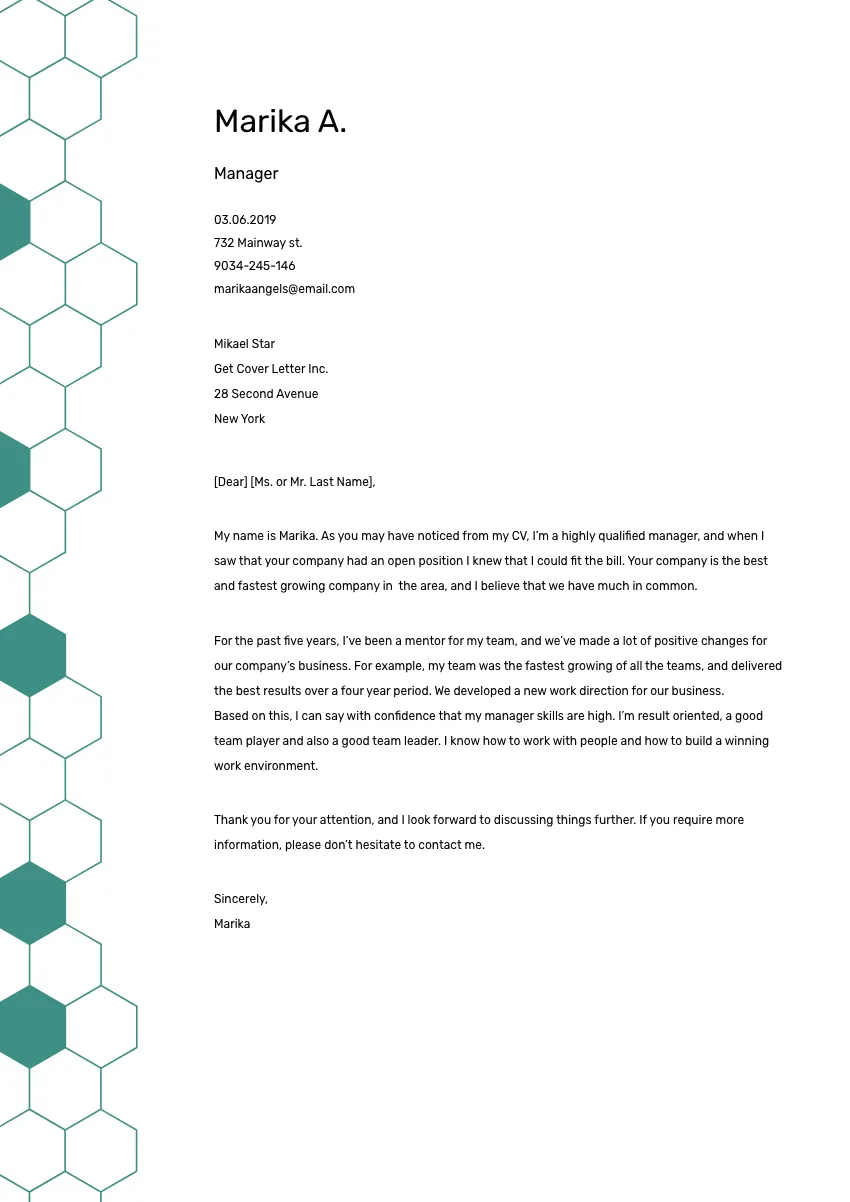
Adhering to a standard format shows professionalism and respect for the hiring manager’s time. Start with your contact information, followed by the date and the hiring manager’s name and title (if available). Use a clear, easy-to-read font like Arial or Times New Roman, with a font size of 11 or 12 points. Maintain consistent margins of one inch on all sides. Divide your letter into logical paragraphs, each addressing a specific point. Keep the letter concise, ideally within one page. Ensure the layout is visually appealing with appropriate spacing and no grammatical errors. Proper formatting reflects your attention to detail, a crucial attribute for an interior designer.
Contact Information Section
At the top of your cover letter, include your full name, address, phone number, and email address. Ensure your email address is professional (e.g., john.doe@email.com) to make a positive first impression. This section should be easily accessible. If you have a professional online presence, such as a LinkedIn profile or an online portfolio, include the relevant links as well. Verify all contact information is accurate and up-to-date to allow the hiring manager to reach you efficiently. A well-formatted contact section confirms your professionalism and facilitates easy communication.
Greeting and Addressing the Hiring Manager

Begin your cover letter with a professional greeting. If you know the hiring manager’s name, use it (e.g., “Dear Ms. Smith”). This personalized approach demonstrates that you’ve done your research and shows respect. If the name isn’t available, use a general greeting such as “Dear Hiring Manager” or “Dear [Company Name] Team.” Avoid overly casual greetings. A well-addressed cover letter makes a better first impression and shows your attention to detail, important for any design role.
Crafting a Compelling Opening Paragraph
Your opening paragraph should immediately capture the reader’s attention. Start with a strong statement that conveys your enthusiasm for the position and the company. Mention where you saw the job posting. Briefly introduce yourself and highlight your key qualifications that align with the job requirements. Briefly explain why you are drawn to the company, showing that you’ve researched them. The goal is to pique the reader’s interest and encourage them to continue reading. A well-crafted opening sets a positive tone and makes the hiring manager want to learn more about you.
Highlighting Your Passion for Interior Design
Expressing your genuine passion for interior design is crucial, especially for entry-level positions. Share what specifically excites you about the field. Maybe it’s the creativity, the ability to transform spaces, or the impact on people’s lives. Illustrate your commitment by mentioning any relevant experiences, such as design projects, internships, or coursework. Show, don’t just tell, your enthusiasm. Describe how design principles resonate with you, or share a specific design style you love and are proficient in. Demonstrate your passion through your writing style and word choices. Expressing this passion shows you’re not just seeking a job, you’re building a career.
Showcasing Relevant Skills and Experience

Even if you are at an entry-level position, highlighting relevant skills and experience is critical. Mention any design-related coursework, internships, or volunteer experiences. Identify the skills you’ve gained, such as space planning, material selection, or project management. Use action verbs to describe your tasks and accomplishments, for example, “developed,” “designed,” “managed,” and “collaborated.” Tailor this section to the specific requirements of the job description, emphasizing the skills and experiences most relevant to the position. The more the job description is echoed, the greater the chances of success.
Emphasizing Design Software Proficiency
In the world of interior design, proficiency in design software is essential. Mention the specific software programs you know how to use, like AutoCAD, SketchUp, Revit, or 3ds Max. Indicate your level of proficiency (beginner, intermediate, or advanced). If you have experience with rendering software or other specialized tools, include them. You can briefly describe any projects you’ve used these software programs for. Staying current with the latest design software demonstrates your initiative and commitment to the field. This shows you’re prepared to contribute immediately.
Demonstrating Creativity and Problem-Solving Abilities
Interior design is all about creativity and solving problems. Use your cover letter to demonstrate your ability to think outside the box and find innovative solutions. Describe a design project where you overcame a specific challenge. Highlight your process of finding solutions, the steps you took, and the outcome. Include examples of creative designs you’ve developed or approaches you took. You can talk about how you think through design challenges by illustrating your project portfolio or how you overcame specific obstacles to demonstrate your critical thinking and problem-solving skills. Providing evidence supports your ability to think creatively and practically.
Quantifying Accomplishments and Projects

Whenever possible, quantify your accomplishments to demonstrate the impact of your work. Instead of saying you “designed a kitchen,” state, “designed a 200-square-foot kitchen.” If you worked on a project, mention the project’s scope, the number of people involved, or the budget. Describe any positive outcomes of your work, such as increased efficiency, cost savings, or client satisfaction. This can significantly boost your credibility and make your accomplishments more memorable. Use numbers and figures to provide a clear and concise view of your contribution.
The Body Paragraphs [Key Content]
The body paragraphs are where you elaborate on your key qualifications. Focus on the skills and experiences that are most relevant to the specific job description. Provide specific examples of your achievements and explain how they align with the company’s needs. Use the STAR method (Situation, Task, Action, Result) to describe your projects and accomplishments. Connect your skills to the job by highlighting the ways in which you can contribute to the team. Demonstrate a clear understanding of the company and its projects and highlight specific elements of the job description.
Connecting Your Skills to the Job Description
Carefully review the job description and identify the key requirements. Then, in your cover letter, explain how your skills and experience meet those requirements. Use keywords from the job description to ensure that your letter aligns with what the employer is seeking. Tailor your letter to each application. Focus on highlighting the qualifications that are most relevant to the specific role. By matching your skills and experience to the job requirements, you increase the likelihood that the hiring manager will see you as a qualified candidate. Show that you understand the job’s needs.
Tailoring Your Letter to Each Application

Avoid using a generic cover letter. Customize each letter for the specific job and company. Research the company, its values, and its projects. Demonstrate your understanding by referencing their work and explaining why it resonates with you. This will highlight your genuine interest in the position. If possible, address your letter to the hiring manager. The extra effort that goes into a tailored cover letter demonstrates your commitment and attention to detail.
Showcasing Your Portfolio and Design Examples
Your portfolio is your most important asset in interior design. In your cover letter, mention your portfolio and provide a link to your online portfolio, if you have one. If the application process allows, include a few of your best design examples. Highlight the projects and design elements that are most relevant to the job. Make sure your design samples demonstrate your creativity, technical skills, and understanding of design principles. A great portfolio showcases your best work and gives the hiring manager a more concrete understanding of your abilities.
The Closing Paragraph [Call to Action]
Your closing paragraph should summarize your interest in the position and reiterate your key qualifications. Express your enthusiasm for the opportunity to learn more about the role. Make a clear call to action by requesting an interview or suggesting a follow-up. Thank the hiring manager for their time and consideration. Avoid sounding overly formal or generic. A well-crafted closing leaves a positive impression and encourages the employer to move forward with your application. This concludes your letter in a professional manner.
Expressing Enthusiasm and Availability

Make sure to convey your excitement about the opportunity in your closing. Show the hiring manager that you’re genuinely enthusiastic about the role and the company. State your availability for an interview. Mention that you’re eager to learn more about the position and discuss how you can contribute to the team. Demonstrating a positive attitude and a proactive approach makes you a more attractive candidate. Conveying enthusiasm demonstrates you’re ready to join the team and contribute to their success.
Providing Contact Details for Follow-Up
In your closing paragraph, provide your contact information, including your phone number and email address. Ensure this information is accurate and up-to-date. Make it easy for the hiring manager to contact you to schedule an interview. You can also mention that you’re looking forward to hearing from them. Providing easy access to your contact details ensures a smooth and efficient communication process. This also reassures the hiring manager that they can reach you.
Proofreading and Editing Your Cover Letter
Before submitting your cover letter, proofread it carefully for any errors in grammar, spelling, and punctuation. Check the letter for clarity, conciseness, and professionalism. Have someone else review your letter as well, as a fresh pair of eyes can often catch mistakes you might have missed. A well-proofread cover letter demonstrates your attention to detail and commitment to quality, crucial qualities for an interior designer. Carefully proofreading your letter shows you are detail-oriented.
Common Mistakes to Avoid in Your Cover Letter

Avoid making these common mistakes to ensure your cover letter stands out. Don’t overstate your skills or experience. Be honest and accurate in describing your qualifications. Avoid using generic language; tailor your letter to each job and company. Don’t fail to proofread your letter thoroughly. Always double-check for errors in grammar, spelling, and punctuation. Make sure your tone is appropriate for the job and company.
Overstating Skills or Experience
Avoid exaggerating your skills or experience. Instead, be truthful and accurate in your descriptions. Focus on the skills and experiences that you genuinely possess. Highlight relevant achievements. Be ready to back up your claims during an interview. Presenting yourself honestly will build trust with the employer. Emphasize relevant skills to the role.
Using Generic Language
Avoid using generic phrases or clichés. Instead, use specific examples and tailor your letter to the job and company. Show that you’ve researched the company and understand their values and projects. Customize each cover letter to demonstrate your genuine interest in the position. This conveys your authenticity and effort.
Failing to Proofread Your Letter
Thoroughly proofread your cover letter for any errors. Check for grammar, spelling, and punctuation mistakes. Have someone else review your letter. A polished cover letter demonstrates your attention to detail and shows respect for the hiring manager’s time. Proofreading is a critical step to present yourself professionally.
Cover Letter Examples and Templates
Utilize examples and templates for inspiration. Look for cover letter examples that fit the entry-level interior design role. Use these templates as a starting point, adapting the content to your qualifications and the specific job requirements. Tailor the templates to your unique situation to make them reflect your experiences. Using templates can help you structure your letter effectively.
Where to Find Cover Letter Resources
There are many resources available to help you write a great cover letter. Online job sites often provide cover letter templates and examples. Career services websites can offer valuable tips and guidance. Use these resources to improve your cover letter. Be open to constructive feedback from trusted sources. Use these resources for help.
Tips for Writing a Great Cover Letter
Follow these tips to create an exceptional cover letter that highlights your unique skills and experiences. Research the company and tailor your letter to the specific job. Highlight your enthusiasm for interior design. Quantify your accomplishments whenever possible. Proofread your letter for errors. Make sure your letter is professional, and your format is easy to read. A well-written cover letter can significantly increase your chances of landing your dream job.