Crafting Your Executive Assistant Cover Letter
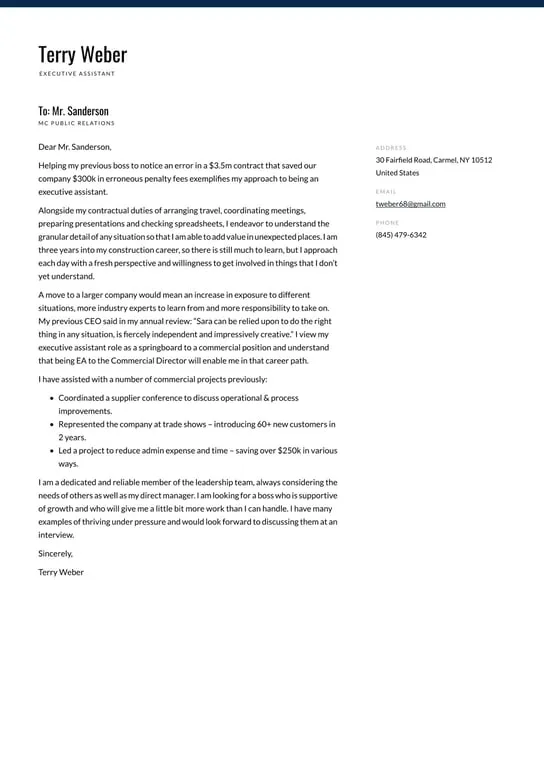
A well-crafted cover letter is your first opportunity to make a positive impression on a potential employer. For an Executive Assistant position, the cover letter is particularly crucial. It showcases your professionalism, attention to detail, and communication skills – all vital for the role. This guide provides a comprehensive approach to writing an effective cover letter that highlights your qualifications and increases your chances of landing an interview. The goal is to provide a sample cover letter for executive assistant position, and also tips and tricks on how to write the best one.
Understanding the Role of an Executive Assistant
Before you begin writing, understanding the core responsibilities of an Executive Assistant is essential. This understanding will help you tailor your cover letter to the specific requirements of the job and demonstrate that you possess the necessary skills and experience. The role is not just about administrative tasks; it’s about being a strategic partner and gatekeeper.
Key Responsibilities of an Executive Assistant

Executive Assistants handle a wide range of tasks. They manage schedules, coordinate travel, prepare reports, handle correspondence, and often act as a point of contact for internal and external stakeholders. They must be adept at multitasking, prioritizing, and maintaining confidentiality. Understanding the scope of these responsibilities is the first step in highlighting your relevant qualifications in your cover letter.
Highlighting Your Skills and Qualifications
Your cover letter is the perfect space to showcase your skills and how they align with the job requirements. The focus should be on demonstrating that you not only have the skills but also understand how they can be applied to benefit the employer. Provide examples of how you have utilized these skills in past roles to achieve positive outcomes.
Essential Skills to Showcase
When writing your cover letter, emphasize key skills relevant to an Executive Assistant position. This involves more than just listing the skills; it requires providing specific examples that demonstrate your proficiency. Highlight skills such as communication, organization, time management, and technical proficiency.
Communication and Interpersonal Skills

Excellent communication skills, both written and verbal, are paramount. Executive Assistants frequently interact with high-level executives, clients, and other stakeholders. Showcase your ability to write clear, concise emails, manage phone calls professionally, and handle sensitive information with discretion. Include examples of how you have successfully navigated difficult conversations or resolved conflicts in previous roles. Use the image of professional-communication.webp
Organizational and Time Management Skills
Demonstrate your ability to manage multiple tasks simultaneously, prioritize effectively, and meet deadlines. Provide examples of how you have organized complex schedules, managed travel arrangements, or coordinated events. Mention any tools or strategies you use to stay organized, such as project management software or calendar applications. Include image of time-management-skills.webp
Technical Proficiency
Proficiency in relevant software and technology is crucial. Executive Assistants often use word processing, spreadsheet, presentation, and email software. Mention specific software you are proficient in, such as Microsoft Office Suite (Word, Excel, PowerPoint, Outlook), Google Workspace, or any other relevant tools. If you have experience with CRM systems or project management software, be sure to highlight this as well.
Formatting Your Cover Letter

The format of your cover letter is as important as its content. A well-formatted cover letter demonstrates attention to detail and professionalism. Pay close attention to the layout, font, and overall presentation of the document. An organized and easy-to-read cover letter enhances your credibility.
Contact Information and Salutation
Begin with your contact information, including your name, address, phone number, and email address. Ensure the email address is professional. Address the hiring manager by name if possible; if not, use a general salutation like “Dear Hiring Manager.” This personal touch immediately shows that you have taken the time to research the company and position. Make sure the image of cover-letter-formatting.webp is included
Writing the Opening Paragraph
The opening paragraph should immediately capture the reader’s attention and state the purpose of your letter. Mention the specific position you are applying for and briefly highlight why you are a strong candidate. Express your enthusiasm for the role and the company. Keep it concise and impactful to encourage the reader to continue reading.
Body Paragraphs Highlighting Experience

The body paragraphs are where you provide details about your experience and qualifications. Focus on relevant accomplishments and skills that align with the job description. Use the STAR method (Situation, Task, Action, Result) to provide concrete examples of your achievements. Quantify your accomplishments whenever possible to demonstrate your impact in previous roles. Use the image of executive-assistant-achievements.webp
Quantifying Achievements
Whenever possible, quantify your achievements to demonstrate the value you brought to previous employers. Use numbers and data to showcase your successes. For example, you might state that you “managed a schedule for a CEO involving 200 meetings per year,” “reduced travel expenses by 15%,” or “improved meeting efficiency by implementing a new scheduling system.” This approach makes your achievements more concrete and impactful.
Closing Your Cover Letter
The closing paragraph should reiterate your interest in the position and express your availability for an interview. Thank the hiring manager for their time and consideration. Include a call to action, such as stating that you are eager to discuss your qualifications further. End with a professional closing, such as “Sincerely” or “Best regards,” followed by your name.
Proofreading and Editing

Before submitting your cover letter, carefully proofread and edit it. Errors in grammar and spelling can undermine your professionalism and make a negative impression. Ask a friend or family member to review your letter as well, as a fresh pair of eyes can often catch mistakes you might miss. Thorough proofreading is the final step in creating an effective cover letter.
Common Mistakes to Avoid
Avoid common mistakes that can detract from your cover letter. These include typos, generic language, lack of personalization, and failure to tailor the letter to the specific job. Ensure that your cover letter is free of jargon and that it aligns with the company’s brand voice. Use the image of cover-letter-mistakes.webp
Tone and Style
Maintain a professional and confident tone throughout your cover letter. Avoid overly casual language or slang. Your style should be concise, clear, and engaging. The goal is to demonstrate your suitability for the role while maintaining a positive and professional image. Your tone and style are a reflection of your attention to detail.
In conclusion, creating a compelling Executive Assistant cover letter is critical to securing your dream job. By understanding the role, highlighting your relevant skills, formatting your letter professionally, and proofreading carefully, you significantly increase your chances of success. Remember to tailor each cover letter to the specific job and company, and to always showcase your enthusiasm and professionalism. Good luck!