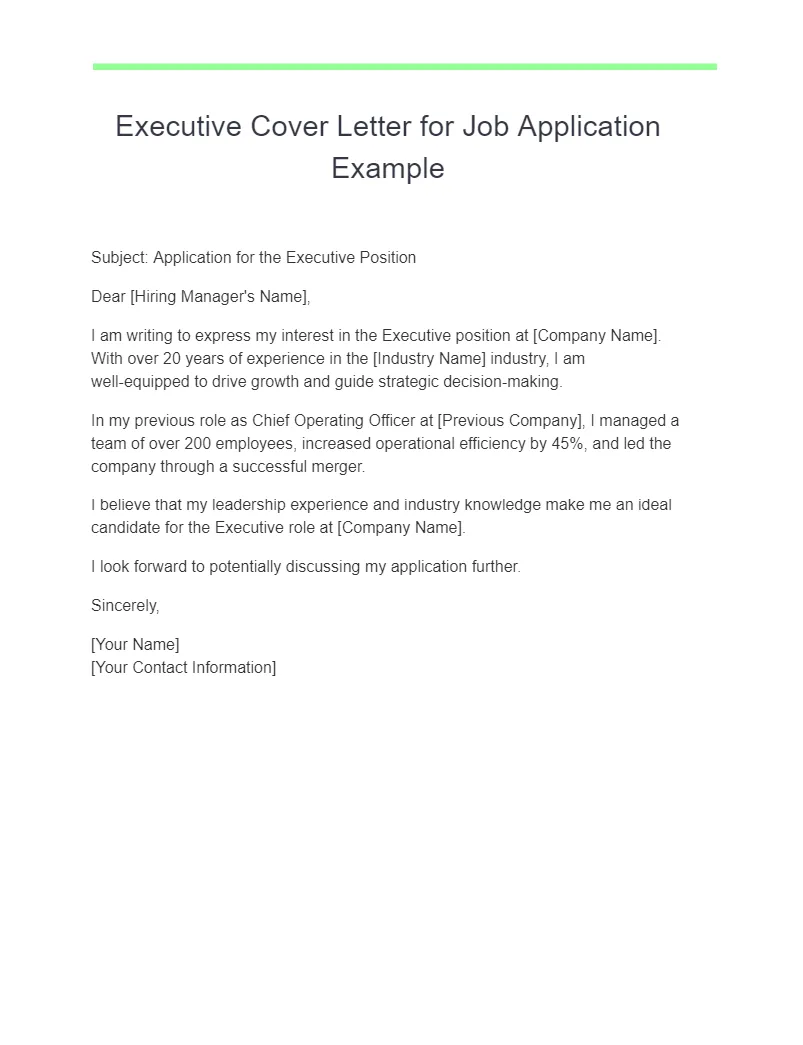
Understanding the Executive Cover Letter
An executive cover letter is a crucial document in any executive job application, acting as your first and often most impactful introduction to a potential employer. It’s not merely a formality; it’s your opportunity to showcase your unique value proposition, leadership skills, and strategic vision. A well-crafted cover letter can significantly increase your chances of securing an interview, setting you apart from other candidates who may have similar qualifications. This guide will delve into the secrets of creating an outstanding executive cover letter that captures the attention of hiring managers and executives.
What is an Executive Cover Letter?
An executive cover letter is a formal business document that accompanies your resume when applying for high-level positions such as CEO, CFO, COO, and other C-suite roles, as well as senior management positions. Unlike a standard cover letter, an executive cover letter requires a focus on strategic thinking, leadership capabilities, and a demonstrated ability to drive significant business results. It serves as a concise summary of your career, highlighting your most relevant achievements and outlining how your skills and experience align with the company’s needs and goals. The primary aim is to compel the reader to review your resume and, ultimately, offer you an interview. The length usually is one page.
Why is an Executive Cover Letter Important?

Executive cover letters are not just a formality; they are a strategic tool that can make or break your application. In a highly competitive field, where numerous candidates possess similar qualifications, your cover letter provides the opportunity to differentiate yourself. It allows you to go beyond the bullet points of your resume and weave a compelling narrative around your career, showcasing your leadership style, strategic thinking, and how you can add value to the organization. Additionally, it allows you to directly address the specific needs of the company, as outlined in the job description, and demonstrate a clear understanding of the role and the company’s goals. A well-crafted letter can significantly influence the hiring manager’s decision and increase your chances of securing an interview.
Key Components of a Compelling Executive Cover Letter
A successful executive cover letter consists of several essential components, each playing a vital role in conveying your qualifications and suitability for the position. Paying careful attention to each aspect will increase the impact of your letter. The structure is critical to ensure that the reader can easily understand the key information. Ensuring each section serves a specific purpose enhances the overall effectiveness of the letter. The following are the essential key components.
Contact Information & Date
Begin with your contact information at the top of the letter, including your full name, phone number, email address, and optionally, your LinkedIn profile URL. The date should be included directly below your contact information, indicating when you are submitting the application. Ensure your contact information is accurate and professional.
Professional Greeting

Always address the hiring manager by name whenever possible. Research the company to identify the hiring manager’s name and title. If you are unable to find the name, use a general greeting like “Dear Hiring Manager” or “Dear [Department Name] Hiring Team.” Avoid generic greetings like “To Whom It May Concern,” which can make your application appear impersonal.
The Opening Paragraph
The opening paragraph is your first opportunity to grab the reader’s attention. Start with a strong statement that immediately conveys your interest in the role and the company. Clearly state the position you are applying for and how you learned about the opportunity. Briefly mention your key qualifications and how they align with the company’s needs. It’s important to show enthusiasm.
Highlighting Achievements & Quantifiable Results
Instead of simply listing your responsibilities, focus on your significant achievements and the measurable results you have delivered in previous roles. Use the STAR method (Situation, Task, Action, Result) to describe your accomplishments. Quantify your successes with numbers, percentages, and data to demonstrate the impact of your contributions. Focus on achievements that align with the requirements of the job.
Showcasing Leadership Skills and Experience

In executive roles, leadership skills are crucial. In your cover letter, highlight your leadership experience, including how you have led teams, developed talent, and fostered a positive work environment. Provide examples of your leadership abilities, such as strategic planning, decision-making, and problem-solving. If you have led large-scale initiatives or managed significant budgets, be sure to mention these achievements as well. Also include on how you inspire and motivate teams.
Demonstrating Company Fit
Demonstrate that you have researched the company and understand its mission, values, and goals. Explain why you are interested in the company and how your experience aligns with its culture and strategic objectives. This will provide the hiring manager with the impression that you care about the company. Reference specific company initiatives or projects that resonate with you. This demonstrates your interest and also shows that you understand their needs.
Expressing Enthusiasm and Call to Action
Conclude your cover letter by reiterating your interest in the role and the company. Reiterate how you can contribute to their success. Express your enthusiasm for the opportunity and make a clear call to action. State that you are available for an interview and look forward to discussing your qualifications further. Thank the hiring manager for their time and consideration. Proofread one last time.
Formatting and Presentation
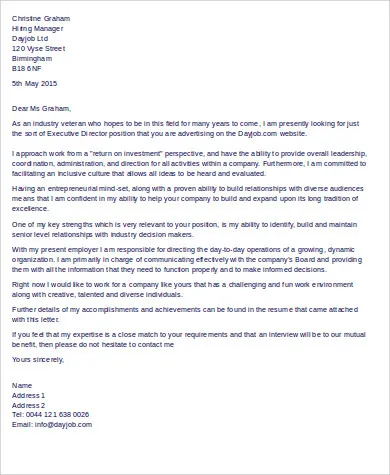
The formatting and presentation of your executive cover letter are as important as the content. The look of your letter should be professional and easy to read. The use of white space, font, and structure can significantly impact the reader’s experience. Prioritizing readability and organization will make it easier for the hiring manager to process the essential information. The following is the information related to the format.
Choosing the Right Font and Size
Choose a professional and readable font, such as Times New Roman, Arial, or Calibri, with a font size between 11 and 12 points. Ensure the font is consistent throughout the letter. Avoid using decorative or overly stylized fonts, which can distract from the content.
Using White Space Effectively
Use ample white space to make your cover letter easy on the eyes. Include margins of at least one inch on all sides. Use line spacing of 1.15 or 1.5 to provide visual breaks between paragraphs. Avoid overcrowding the text; a clean, uncluttered layout is crucial.
Proofreading and Editing Your Cover Letter
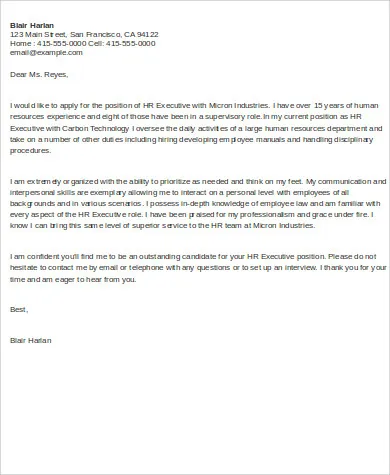
Proofreading and editing are essential steps to ensure your cover letter is polished and error-free. Errors can damage your credibility and undermine your application. Always proofread your cover letter multiple times. Then ask someone else to review your cover letter before submitting it. Ensuring grammatical accuracy and clarity is essential. Correcting errors improves the impression you create.
Proofreading and Editing Your Cover Letter
Proofread your cover letter multiple times for grammatical errors, spelling mistakes, and punctuation issues. Ensure that the tone and style are consistent throughout the document. Eliminate any typos or inconsistencies that might detract from your qualifications. Then, ask a trusted friend or colleague to review your cover letter. Another set of eyes can catch errors that you might miss.
Common Mistakes to Avoid in Executive Cover Letters
Avoid common mistakes that can hurt your chances of getting an interview. These errors can undermine your professionalism and make the letter less effective. Being aware of these mistakes will help you create a stronger and more impactful cover letter. By understanding the potential pitfalls, you can avoid them.
Generic and Vague Language

Avoid using generic and vague language that could apply to any candidate. Instead, use specific examples and quantifiable results to demonstrate your achievements. Avoid clichés and overly general statements. Make your cover letter unique by highlighting your accomplishments. Instead of saying “I have excellent communication skills,” provide specific examples such as “Successfully led a team of 20 to implement a new communication strategy, resulting in a 15% increase in team productivity.”
Focusing Too Much on Yourself
While it’s important to highlight your skills and achievements, avoid making your cover letter entirely self-focused. Balance your accomplishments with how you can contribute to the company’s success. Instead of discussing your past achievements, frame them in the context of how they align with the company’s goals. Address the company’s needs and explain how your skills and experience can solve problems or drive growth. Show how you can contribute to the company’s goals.
Ignoring the Job Description
Always tailor your cover letter to the specific job description. Read the job description carefully and identify the key skills, qualifications, and requirements the employer is seeking. Align your cover letter with these requirements. Show how your experience and skills match the company’s needs. Highlighting the key requirements mentioned in the job description indicates that you understand the role. Use keywords from the job description naturally throughout your cover letter to demonstrate a clear understanding of the role.
Failing to Proofread
Proofreading is very important. Errors and typos can create a negative impression and undermine your credibility. Mistakes are easily avoidable. Always proofread your cover letter multiple times. Use a spell checker and grammar checker, but don’t rely on them alone. Ask a friend or colleague to review the cover letter to identify errors you may have missed. Carefully review your cover letter before submitting it. Your cover letter represents you.
Tailoring Your Executive Cover Letter for Success
Tailoring your executive cover letter to each specific job application is crucial for demonstrating your genuine interest and suitability for the role. Taking the time to tailor your letter shows that you are not just sending out a generic document, but rather investing effort to meet the specific requirements of the position. This personalization makes your application stand out. It shows your attention to detail, and that you understand the role and the company. The following tips can help you successfully personalize your cover letter.
Researching the Company and Role
Before you begin writing your cover letter, conduct thorough research on the company. Visit the company’s website, read its annual reports, and review news articles and press releases to understand its mission, values, and recent developments. Research the role itself by carefully reviewing the job description and identifying the key responsibilities, requirements, and expectations. This research provides valuable insights that you can incorporate into your cover letter. Understanding the company will help you demonstrate a genuine interest in the organization and how your experience aligns with its needs.
Customizing Your Letter for Each Application
Avoid using a generic cover letter template for every application. Instead, customize your cover letter for each job you apply for. Tailor the content to align with the specific requirements and needs of the role and company. Highlight the most relevant skills, experiences, and accomplishments that match the job description. Modify your opening paragraph to reference the specific position and company. Add a section in the letter that describes how your skills and experience match the company’s needs.
Using Keywords from the Job Description
Carefully review the job description and identify the keywords and phrases that are most important to the employer. Incorporate these keywords naturally throughout your cover letter. This demonstrates that you meet the essential requirements of the position. This is especially useful since many companies use applicant tracking systems (ATS) to screen applications. Be sure to mention your skills and experience using the language of the job description. Try to incorporate the same keywords and phrases used in the job description to highlight your qualifications.
Finalizing Your Executive Cover Letter
Once you have completed the writing and formatting of your executive cover letter, there are several steps you should take before submitting it. This will ensure that your cover letter is polished, error-free, and represents you in the best possible light. Completing these steps makes your cover letter impactful. These final checks will significantly improve your chances of success. These final actions should be included.
Review and Refine Your Letter
Review your cover letter one last time to ensure that the content flows logically, the language is clear and concise, and the tone is professional. Make sure that you have addressed all the key requirements of the job and have highlighted the most relevant skills, experiences, and accomplishments. Review and refine your opening paragraph. Check the formatting and ensure that it is consistent throughout the document. Read the letter out loud to catch any awkward phrasing or sentences. Make sure the letter represents you well.
Submitting Your Cover Letter
Before submitting your cover letter, double-check that you have included all the necessary attachments, such as your resume and any other required documents. Make sure your contact information is accurate. Proofread everything one last time, paying close attention to any potential errors. Consider saving your cover letter as a PDF file to preserve the formatting. Finally, submit your cover letter through the method specified in the job posting. Follow all instructions carefully. Good luck with your job search!