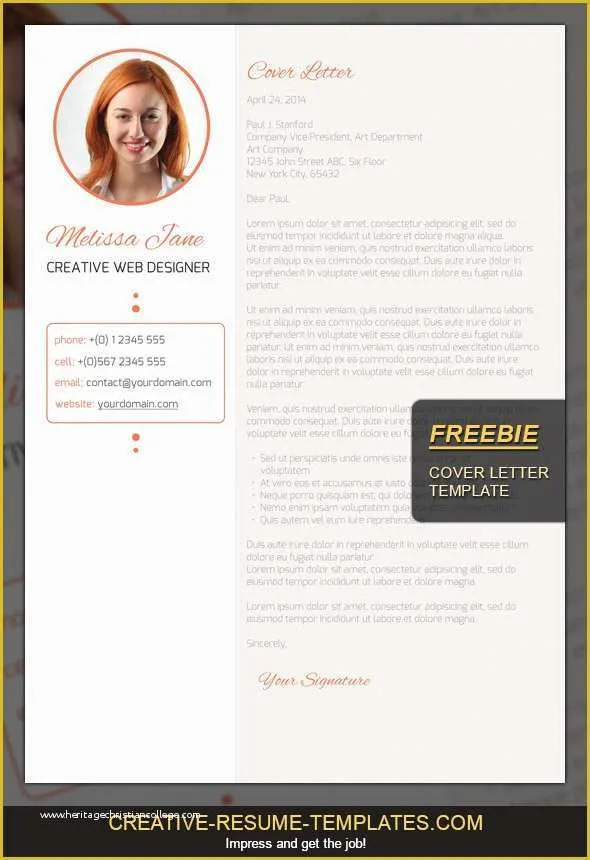
What is a Cover Letter and Why is it Important
A cover letter is a crucial document that accompanies your resume when applying for a job. It serves as your introduction to the hiring manager, providing context to your resume and highlighting your suitability for the position. Unlike a resume, which presents your qualifications in a concise format, a cover letter allows you to elaborate on your experiences, skills, and career goals. It’s your opportunity to make a strong first impression and demonstrate your genuine interest in the role and the company. In a competitive job market, a well-crafted cover letter can significantly increase your chances of getting an interview.
Understanding the Purpose of a Cover Letter
The primary purpose of a cover letter is to introduce yourself and explain why you are a good fit for the job. It allows you to personalize your application, showcasing your personality and communication skills. It should clearly state the position you are applying for and express your enthusiasm for the opportunity. Furthermore, a cover letter provides a space to highlight relevant skills and experiences that align with the job requirements. It’s an opportunity to connect your past accomplishments to the needs of the employer, demonstrating how you can contribute to their success. The best cover letters go beyond simply restating the resume, offering a compelling narrative that captures the reader’s attention.
Highlighting Your Skills and Experience

In your cover letter, you should focus on the skills and experiences most relevant to the job you are applying for. Carefully review the job description and identify the key qualifications and requirements. Then, use your cover letter to provide specific examples of how you have demonstrated those skills in the past. This could include highlighting projects you’ve worked on, accomplishments you’ve achieved, or problems you’ve solved. Quantify your achievements whenever possible, using numbers and data to demonstrate the impact of your work. The goal is to provide the hiring manager with a clear understanding of your capabilities and how you can contribute to the company’s goals.
Top 7 Free Cover Letter Templates for Your Resume
Finding the right cover letter template can save you time and ensure your application looks professional. Here are seven free cover letter templates to help you get started, each offering a unique style and format to suit different job applications. These templates are generally easy to customize, allowing you to tailor them to your specific needs and the requirements of each job.
Template 1 The Modern Template
This template features a clean, contemporary design, perfect for tech, design, or any industry that values a modern aesthetic. It often includes sections for a concise summary, skills, and a brief overview of experience. The layout is typically well-structured with clear headings and a focus on readability. Modern templates often utilize a two-column format or creative use of white space to make your application stand out.
Key Features

- Clean and contemporary design
- Emphasis on skills and summary
- Easy-to-read layout
- Suitable for tech and creative industries
When to Use
- Applying for roles in tech, design, or marketing
- When you want to showcase your modern sensibilities
- If the job description values a contemporary aesthetic
Template 2 The Professional Template
This template exudes professionalism and is ideal for more traditional industries like finance, law, or management. It typically has a structured layout, emphasizing your work experience and qualifications in a clear and concise manner. It often includes sections for a strong opening statement, detailed experience descriptions, and a formal closing. The focus is on demonstrating your capabilities and suitability for the role in a straightforward manner.
Key Features

- Structured and formal layout
- Emphasis on work experience and qualifications
- Suitable for traditional industries
- Clear and concise format
When to Use
- Applying for roles in finance, law, or government
- When you want to convey professionalism and reliability
- If the job description requires a formal tone
Template 3 The Simple Template
This template focuses on clarity and ease of reading. It’s perfect if you want a straightforward and concise cover letter. Simple templates prioritize readability with clear headings, a clean layout, and minimal design elements. It ensures the content takes center stage, allowing the hiring manager to quickly grasp your key qualifications and experiences. They are generally a great choice if the job posting does not have a specific requirement for style.
Key Features

- Clean and uncluttered design
- Focus on readability
- Easy to customize and adapt
- Suitable for various industries
When to Use
- When you want a straightforward and easy-to-read cover letter
- If you’re applying for a wide range of jobs
- If you’re unsure about the industry-specific style
Template 4 The Creative Template
This template allows you to showcase your personality and creativity. It features unique design elements, such as custom fonts, color schemes, and layouts. It’s best suited for creative fields where a visually appealing application is valued. This template gives you a chance to express your creativity and stand out from the competition.
Key Features

- Unique and visually appealing design
- Custom fonts and color schemes
- Suitable for creative fields
- Opportunity to showcase personality
When to Use
- Applying for roles in design, marketing, or the arts
- When you want to make a strong visual impact
- If the job posting encourages creativity
Template 5 The Functional Template
This template emphasizes your skills and abilities rather than your chronological work history. It’s a good choice if you have gaps in your employment or if you want to highlight specific skills that align with the job requirements. The template typically groups skills together, showcasing your key strengths and qualifications. The focus is on what you can do, rather than where and when you did it.
Key Features

- Focus on skills and abilities
- Ideal for highlighting key strengths
- Suitable for those with employment gaps
- Clear organization of skills
When to Use
- When you want to emphasize your skills over your work history
- If you have gaps in your employment
- If you are changing careers
Template 6 The Combination Template
This template combines elements of both functional and chronological formats. It provides a balance between showcasing your skills and your work history. It usually includes a skills section, along with a chronological listing of your past jobs. This allows you to highlight your skills while also providing context through your work experience.
Key Features
- Combines functional and chronological elements
- Showcases both skills and work history
- Provides a balanced approach
- Suitable for various job applications
When to Use
- When you want to highlight your skills and work experience
- If you have a strong work history
- For a balanced approach to your application
Template 7 The Targeted Template
This template is tailored to a specific job and company. It demonstrates your knowledge of the company and your genuine interest in the role. It directly addresses the job requirements and highlights the skills and experiences most relevant to the position. This type of template shows that you have done your research and are seriously interested in the opportunity.
Key Features
- Tailored to a specific job and company
- Demonstrates knowledge of the company
- Highlights relevant skills and experiences
- Shows genuine interest in the role
When to Use
- When applying for a specific job at a specific company
- When you want to show you’ve researched the company
- When the job description is very detailed
How to Choose the Right Template
Choosing the right cover letter template is crucial for making a positive impression. Your template should align with the industry you’re applying to and the specific job requirements. Consider your personal brand and the message you want to convey to the employer. Take the time to explore several templates before making your final decision. It is often helpful to look at several templates to give you an idea of what styles are available.
Consider Your Industry
Different industries have different norms and expectations. For instance, a professional template might be best for finance or law. A creative template might be more suitable for design or marketing. Tailoring your template to the industry will help you present yourself in the best possible light and demonstrate your understanding of professional standards. Researching industry best practices will give you insight into the preferred style.
Assess Your Skills and Experience
Consider the skills and experience you want to highlight. If you have a strong work history, a chronological template may be best. If you want to emphasize your skills, consider a functional template. Be sure to choose a template that will allow you to showcase your most relevant qualifications in a clear and concise manner. A good template will help to highlight the key points that will help you get a job offer.
Tailor to the Job Description
Always review the job description carefully. Identify the key requirements and tailor your cover letter to address them. Choose a template that allows you to easily incorporate the keywords and phrases from the job description. Make sure your template gives you the opportunity to align your experience and skills with the needs of the employer. Customizing your cover letter in this way will show the employer that you are a good fit for the role.
Tips for Customizing Your Free Cover Letter Template
Once you have selected a free cover letter template, it’s time to customize it to fit your needs. Taking the time to personalize your cover letter will make it stand out from other applicants. Make sure you are showcasing your unique skills and experiences in a way that will resonate with the hiring manager. By personalizing your letter you will demonstrate your interest in the role.
Personalize Your Letter
Use the template as a starting point, but don’t be afraid to personalize it. Add your own voice, and tailor the content to your specific experiences and the job description. Avoid using generic phrases. Instead, use the opportunity to demonstrate your personality, and your writing skills. Showing your genuine interest in the role will make your application more memorable and compelling. Your letter should be as unique as you are.
Proofread for Errors
Proofreading is essential. Errors in grammar or spelling can undermine your credibility. Carefully review your cover letter multiple times, and consider having a friend or colleague review it as well. A well-written, error-free cover letter demonstrates attention to detail and professionalism. Proofreading can prevent you from making a negative first impression.
Use Action Verbs
Use strong action verbs to describe your accomplishments and responsibilities. Action verbs will make your cover letter more dynamic and engaging. They show that you are proactive and results-oriented. Examples include ‘managed,’ ‘developed,’ ‘implemented,’ and ‘achieved.’ Using a variety of action verbs will help to create a compelling narrative that will capture the reader’s attention and highlight your strengths.
Where to Find Free Cover Letter Templates
There are many online resources that offer free cover letter templates. These templates are often available in various formats, such as Microsoft Word or Google Docs, making them easy to download and customize. With a wide variety of options available, you can find templates that match your industry, skills, and career goals.
Online Template Websites
Many websites offer free cover letter templates. These websites often provide a variety of templates to choose from, categorized by industry, experience level, or style. You can browse through the options, download the template that best suits your needs, and customize it to fit your background and qualifications. Be sure to check the websites for easy-to-download options.
Microsoft Word Templates
Microsoft Word offers a selection of built-in cover letter templates. These templates are easy to access and customize. You can open a new document, search for ‘cover letter templates,’ and select the one that fits your requirements. Microsoft Word templates are a convenient option, especially if you are already familiar with the software.
Google Docs Templates
Google Docs also provides free cover letter templates. To access these templates, open a new document, go to the template gallery, and browse the available cover letter options. Google Docs templates are accessible from any device with an internet connection and can be easily edited and shared. The templates are a great choice if you want to collaborate.
Conclusion Get Started with Your Free Cover Letter
Creating a compelling cover letter is an essential step in your job search. Using free cover letter templates is an excellent way to get started, and it allows you to save time and effort. Remember to choose a template that suits your industry, customize it to highlight your skills and experience, and always proofread your work. By following these tips, you can create a cover letter that will impress hiring managers and help you land your dream job. Using a cover letter is an essential part of the job-search process.