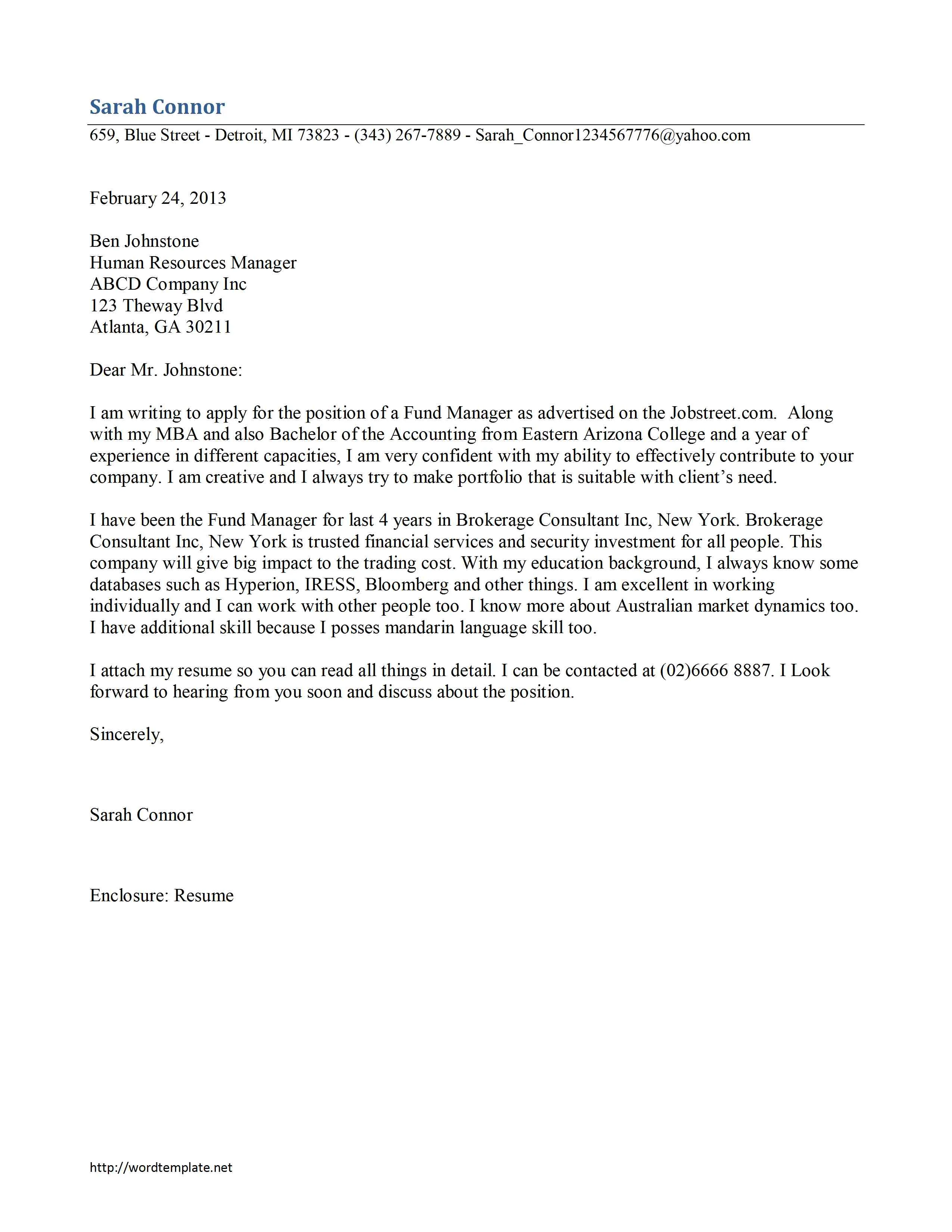
Understanding the Fundraising Cover Letter
A fundraising cover letter is a critical document when seeking donations or grants for a nonprofit organization. It serves as your first impression, introducing the organization and making a compelling case for support. This letter isn’t just about asking for money; it’s about building a relationship, conveying your mission, and demonstrating how the donor’s contribution will make a difference. It’s the opportunity to tell a story, to highlight the organization’s impact, and to create an emotional connection with the reader. A well-crafted cover letter can significantly increase your chances of securing funding, making it a cornerstone of any successful fundraising strategy.
Research the Organization
Before you even begin to draft your cover letter, thorough research is essential. Understand the organization’s mission, programs, and past achievements. Explore their website, annual reports, and social media presence. Identify their current fundraising goals and any specific projects they are prioritizing. This knowledge will allow you to tailor your letter to their specific needs, demonstrating that you understand their work and are genuinely interested in supporting their cause. Mentioning specific programs or initiatives shows that you have taken the time to learn about the organization and are not just sending a generic request.
Personalize Your Letter

Generic cover letters often end up in the trash. Personalization is key to capturing the reader’s attention and making your request stand out. If you are sending a letter to a specific individual, address them by name. If you know something about their interests or previous philanthropic activities, mention it. The more personal you can make the letter, the more likely it is to resonate with the recipient. Explain why you are reaching out to this particular individual or organization and how your goals align with their values. Showing that you have done your homework and care enough to personalize the letter significantly increases your chances of a positive response. Avoid using generic phrases and tailor the message to each recipient.
Highlight Relevant Skills and Experience
When writing a fundraising cover letter, focus on the skills and experiences you bring to the table that make you qualified to solicit donations or manage fundraising efforts. This could include experience in grant writing, event planning, donor relations, or financial management. Quantify your achievements whenever possible, such as the amount of money you’ve helped raise or the number of donors you’ve secured. If you have a proven track record of success in fundraising or related areas, make sure to showcase it prominently. The goal is to convince the reader that you are capable of achieving their fundraising goals and that supporting your efforts will be a sound investment.
Showcase Passion and Enthusiasm
Passion is contagious, and it’s a critical element of a successful fundraising cover letter. Your enthusiasm for the cause should shine through in your writing. Share why you are passionate about the organization’s mission and how you believe in their work. Tell a brief, compelling story that illustrates the impact of their efforts. This will help the reader connect with your message on an emotional level and make them more likely to support your request. The cover letter is an opportunity to convey your genuine belief in the cause and demonstrate your commitment to making a difference. Don’t be afraid to show your excitement; it can be a powerful motivator.
Demonstrate Impact and Results

Donors want to know how their contribution will be used and what impact it will have. Clearly articulate the specific goals you hope to achieve with the funds you are seeking. Provide concrete examples of the positive outcomes of the organization’s work. Use data and statistics to illustrate the impact you are making in the community. Be specific about how the donor’s gift will contribute to those outcomes. Paint a picture of the difference the donor can make by supporting your efforts. A clear and concise demonstration of impact is crucial to securing funding. Don’t be afraid to be specific about what the money will achieve, and how it will benefit the organization and its beneficiaries.
Formatting for Maximum Impact
Use a Professional Tone
The tone of your cover letter should be professional and respectful. Avoid slang, jargon, or overly casual language. Maintain a positive and optimistic tone throughout. While it’s important to show passion, avoid being overly dramatic or emotional. The focus should be on the organization’s mission and the impact of their work. A professional tone establishes credibility and builds trust with the reader. Proper grammar and spelling are essential components of a professional tone. Ensure your writing is clear, concise, and easy to understand.
Keep it Concise and Focused

Fundraising cover letters should be concise and to the point. Get straight to the point and avoid rambling. Respect the reader’s time by keeping your letter focused on the key points. Generally, aim for a one-page letter. Highlight the most important information and eliminate any unnecessary details. Use clear and direct language to convey your message effectively. By keeping your letter concise, you increase the likelihood that the reader will read and understand the key points of your request. A focused letter demonstrates respect for the reader’s time and shows that you value their attention.
Proofread Carefully
Proofreading is an absolutely essential step. Errors in grammar, spelling, and punctuation can damage your credibility and undermine your message. Before sending your cover letter, carefully review it for any mistakes. Consider having a colleague or friend proofread it as well, as a fresh pair of eyes can often catch errors you may have missed. Ensure that the formatting is consistent and that your letter looks professional. A polished cover letter demonstrates attention to detail and respect for the reader. Always proofread your letter to make sure that it accurately reflects the quality of your organization and its work. A few simple errors can detract from the power of your message.
Call to Action and Next Steps
Express Gratitude

Always express your gratitude for the reader’s time and consideration. Thank them for taking the time to learn about your organization and the impact of its work. Acknowledge their potential contribution and express your appreciation for their support. Expressing gratitude builds goodwill and strengthens your relationship with the donor. Show genuine appreciation for their interest and potential involvement in your cause. This gesture demonstrates your respect for their time and their generosity. A simple thank you can go a long way in fostering a positive relationship with potential donors.
Provide Contact Information
Make it easy for the reader to contact you or your organization. Provide your name, title, phone number, and email address. Include your organization’s website address as well. Ensure that the contact information is accurate and up-to-date. Providing easy-to-find contact information facilitates communication and demonstrates your responsiveness. You want to make it simple for the potential donor to reach out with questions or to provide their support. Make sure all contact details are correct, so that potential donors can easily get in touch with you.
Follow Up
After sending your cover letter, follow up with the recipient within a reasonable timeframe, typically within a week or two. A follow-up shows your continued interest and provides an opportunity to answer any questions. A follow-up email or phone call can help to move the process along and keep your request top of mind. Be polite, brief, and respectful of their time. Thank them again for their consideration and reiterate your interest in securing their support. Following up demonstrates your commitment and dedication to the cause. The follow up offers an opportunity to re-engage the donor and hopefully secure the funding.
In conclusion, a well-crafted fundraising cover letter is a vital tool for any nonprofit organization seeking financial support. By following these tips – researching the organization, personalizing your letter, highlighting your skills, showcasing your passion, demonstrating impact, formatting professionally, proofreading meticulously, and including a clear call to action – you can significantly increase your chances of securing funding and advancing your mission. Remember, the cover letter is your opportunity to make a compelling case for support, build relationships, and inspire generosity. Take the time to write a letter that truly reflects the value of your organization and the difference it makes in the world. With careful planning and execution, your fundraising cover letter can become a powerful catalyst for achieving your goals.