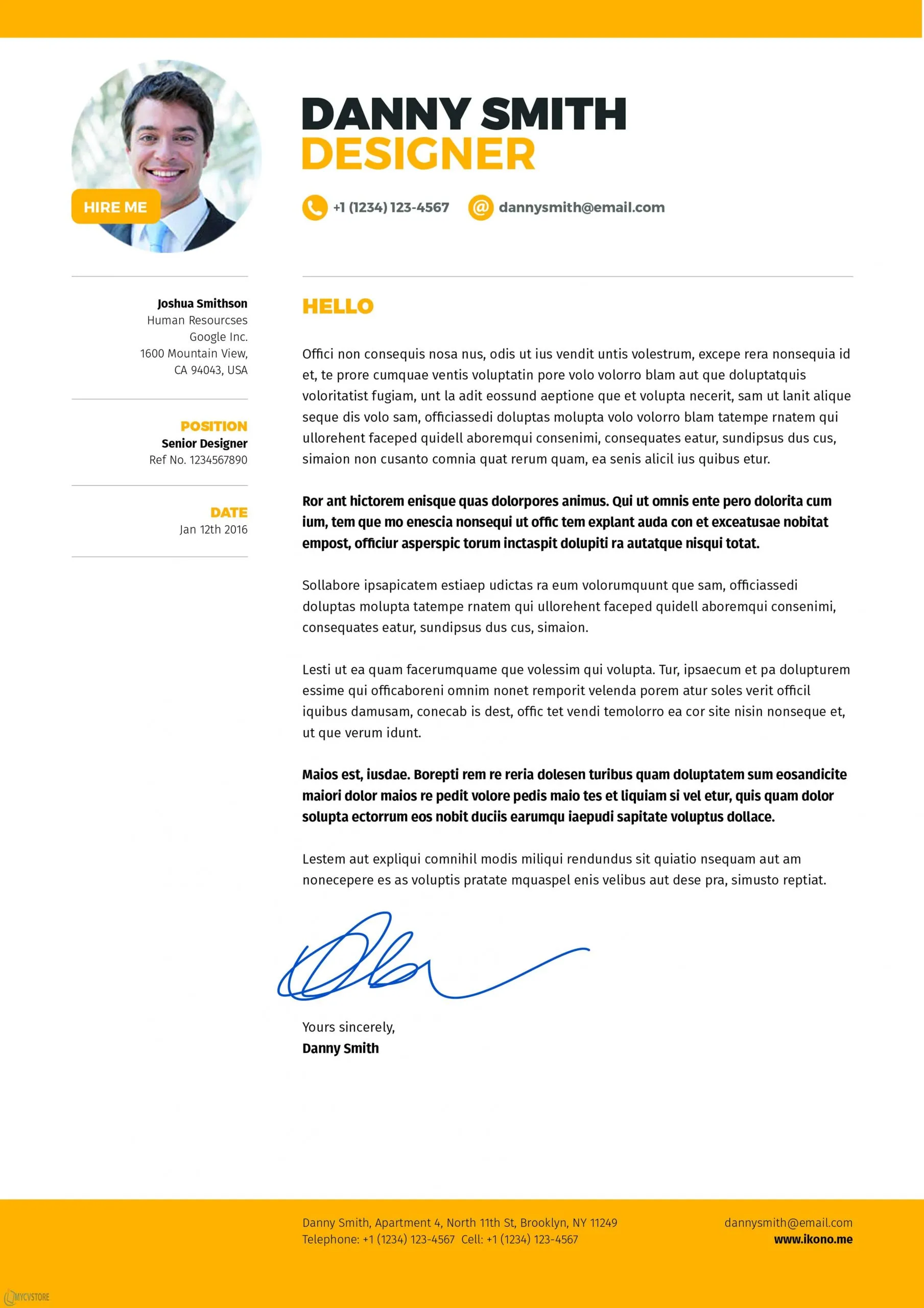
Top 5 Graphic Design Cover Letter Tips
Landing your dream graphic design job starts with a compelling cover letter. It’s your first impression, your chance to stand out from the crowd, and a key element in getting your foot in the door. A well-crafted cover letter isn’t just a formality; it’s an opportunity to showcase your personality, highlight your skills, and demonstrate why you’re the perfect fit for the role. This article will provide you with the top 5 essential tips to craft a graphic design cover letter that will impress potential employers and significantly increase your chances of getting hired. From highlighting your design skills to showcasing your portfolio, each tip will equip you with the knowledge to create a cover letter that truly shines. So, let’s dive into the secrets of writing a cover letter that gets results, and gets you closer to your graphic design career goals.
Highlight Your Design Skills
In your cover letter, focus on showcasing your core design skills. Mention specific software proficiency, such as Adobe Creative Suite (Photoshop, Illustrator, InDesign), Sketch, or other relevant tools. Don’t just list the software; provide examples of how you’ve used them to solve design problems or create compelling visuals. Quantify your achievements whenever possible. For instance, if you improved website conversion rates or increased social media engagement through your designs, be sure to mention those metrics. This helps demonstrate the tangible impact of your skills. Briefly touch on your design principles, such as color theory, typography, layout design, and the ability to create designs that are both aesthetically pleasing and functional. Tailor the skills you highlight to match the requirements of the specific job, ensuring your letter demonstrates your relevance to the role. It is important that you tailor it to what they are seeking.
Showcase Your Portfolio

Your portfolio is your most valuable asset as a graphic designer, and your cover letter is the perfect place to direct potential employers to it. Include a direct link to your online portfolio or a link to a specific project that is highly relevant to the job you’re applying for. Make sure your portfolio is up-to-date, well-organized, and easy to navigate, with clear descriptions for each project. In your cover letter, briefly describe a few key projects that best showcase your skills and experience. Highlight the challenges you faced, the solutions you implemented, and the results you achieved. This gives the hiring manager a glimpse of your creative process and your ability to deliver effective design solutions. Remember, the goal is to make the recruiter curious enough to click on the link and explore your work further. Your portfolio should be your best advertisement.
Tailor to the Job Description
Generic cover letters are easily spotted and often get tossed aside. Customize each cover letter to align with the specific requirements and responsibilities outlined in the job description. Carefully review the job posting and identify the key skills and qualifications the employer is seeking. Then, highlight the relevant skills and experiences from your background in your cover letter. Use keywords from the job description to demonstrate that you understand the role and are a strong fit. Personalize your letter by mentioning the company’s mission, values, or recent projects that resonate with you. This shows that you’ve done your research and are genuinely interested in the opportunity. By demonstrating that you understand the company and its needs, you significantly increase your chances of making a positive impression. Doing your research is key to impressing your potential employer.
Demonstrate Enthusiasm
Your cover letter is your chance to convey your passion for graphic design and your excitement about the specific job opportunity. Start by expressing your enthusiasm for the company and the role. Explain why you’re interested in working for them and what attracts you to their brand or their work. Use a positive and confident tone throughout your letter. Show that you’re eager to contribute your skills and ideas to their team. Share your understanding of the company’s values, goals, or recent projects, and explain how your skills align with those. This helps the employer understand that you’ve put in the effort to learn about the organization and are truly interested in the position. Genuine enthusiasm is contagious, and it can set you apart from other applicants. Let your passion shine through.
Proofread Carefully

Typos, grammatical errors, and formatting issues can undermine your credibility and make you appear unprofessional. Before submitting your cover letter, meticulously proofread it for any errors. Use a grammar checker and spell checker, but don’t rely on them completely. Read your cover letter aloud to catch any awkward phrasing or inconsistencies. Ask a friend or colleague to review your letter as well. A fresh pair of eyes can often spot errors that you might have missed. Pay attention to the layout and formatting of your letter. Ensure that it is easy to read, with clear paragraphs, appropriate spacing, and a professional font. A well-written and error-free cover letter demonstrates your attention to detail and your commitment to producing high-quality work. A well-formatted, easy-to-read letter is a must.
Bonus Tip Follow Up
After submitting your cover letter and application, follow up with the hiring manager or recruiter. This shows your continued interest in the position and can help keep you top of mind. Send a brief email or make a phone call a week or two after submitting your application. Thank the hiring manager for their time and reiterate your interest in the role. Briefly mention something specific from the job description or your previous conversations. Avoid being overly persistent or pushy. Keep your follow-up communication concise and professional. This additional step can help you stay relevant and showcase your dedication to the application process. A simple follow up can set you apart from the rest.