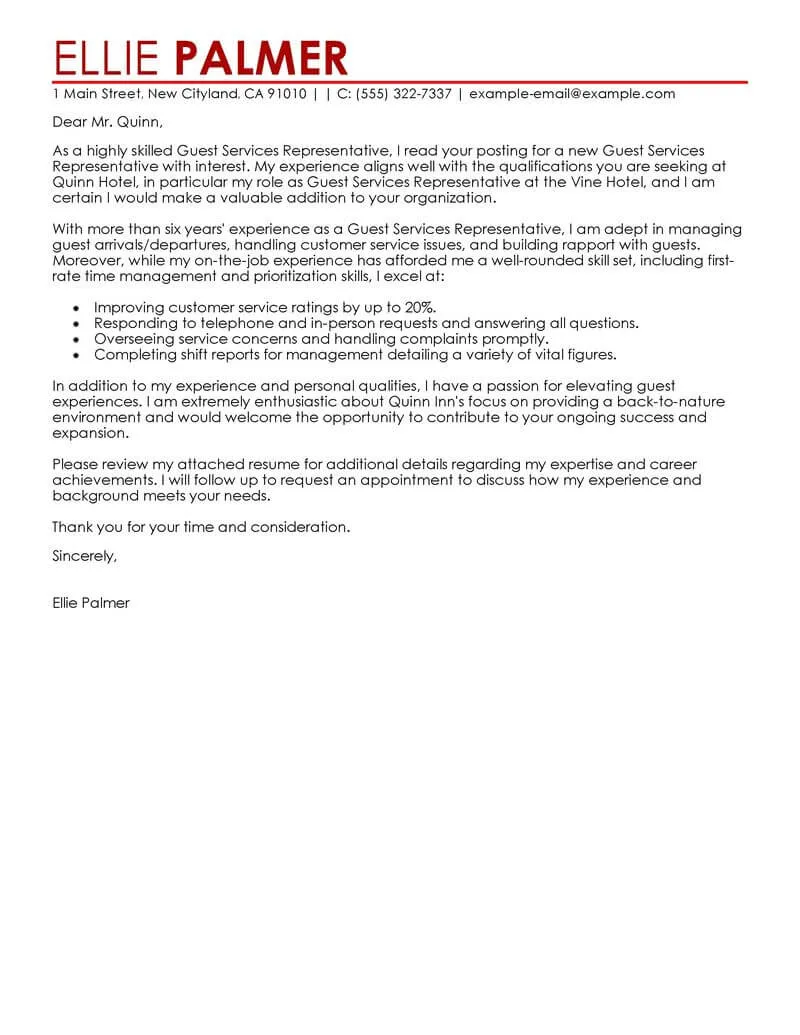
The Ultimate Hospitality Job Cover Letter Guide
In the competitive world of hospitality, a well-crafted cover letter can be your key to unlocking the door to your dream job. It’s your chance to make a strong first impression and showcase your passion and qualifications. This guide will walk you through every step of creating a winning hospitality job cover letter, from understanding its importance to avoiding common pitfalls.
Understanding the Importance of a Cover Letter
A cover letter is more than just a formality; it’s a crucial part of your job application. Many applicants often overlook its significance, missing out on the opportunity to distinguish themselves. A compelling cover letter provides context, personality, and highlights your suitability for a specific role. It allows you to expand on your resume, tell your story, and connect with the hiring manager on a personal level. This can significantly increase your chances of securing an interview.
Why a Cover Letter Matters

A well-written cover letter demonstrates your communication skills, attention to detail, and genuine interest in the position. It shows that you’ve taken the time to understand the company and the specific role, making you stand out from generic applicants. In the hospitality industry, where interpersonal skills are paramount, your cover letter is your first chance to showcase these abilities. It is your opportunity to highlight what you can offer the hiring manager.
The Role of a Cover Letter
The cover letter acts as your personal introduction, offering a narrative that complements your resume. It’s where you explain why you’re interested in the job, what skills and experiences make you a great fit, and how you can contribute to the company’s success. It’s an opportunity to convey your enthusiasm and passion for hospitality, which are critical traits for success in this industry. It can provide information that might be missed in your resume, creating a holistic view of the applicant.
Essential Elements of a Hospitality Cover Letter
To create an effective hospitality cover letter, you need to include several key elements. Each section serves a specific purpose, working together to create a cohesive and compelling narrative that captures the hiring manager’s attention and compels them to learn more about you. From contact information to the closing, every detail matters, demonstrating your professionalism and attention to detail.
Contact Information and Salutation

Start with your contact information: name, phone number, email address, and possibly your LinkedIn profile URL. Then, address the hiring manager by name if possible. Research the company to find out who is in charge of hiring. If you cannot find a specific name, use a professional salutation like “Dear Hiring Manager” or “Dear [Department] Team.” Avoid generic greetings like “To Whom It May Concern.”
Addressing the Hiring Manager
Personalize your cover letter by addressing the hiring manager by name. If the name isn’t available, use a professional, formal salutation. This shows you’ve done your research and are genuinely interested in the role. This small detail can make a big difference in capturing their attention. Addressing the hiring manager directly makes the letter feel more personal and relevant to the reader.
Crafting a Compelling Opening
Your opening paragraph should immediately grab the reader’s attention. State the specific position you’re applying for and where you saw the job posting. Briefly explain why you’re interested in the company and the role. Make a strong opening statement that shows your enthusiasm and highlights your relevant skills or experience. This is the hook of the letter, so make it count.
Highlighting Relevant Skills and Experience

In the body of your letter, showcase your skills and experience that align with the job description. Provide specific examples of your accomplishments. Use action verbs to describe your responsibilities and achievements. Focus on how your skills have benefited previous employers, and demonstrate how they can translate to the new role. Customize this section to reflect the needs of each specific job.
Quantifying Your Achievements
Whenever possible, quantify your accomplishments with numbers and data. For instance, instead of saying you “improved customer satisfaction,” state that you “increased customer satisfaction scores by 15%.” Quantifiable results prove your value and demonstrate the impact you made in previous roles. Numbers make a stronger argument and make your claims more credible.
Tailoring Your Letter to the Job
Customize each cover letter for the specific job you’re applying for. Research the company and the role, and highlight the skills and experiences that are most relevant to the position. Don’t simply reuse the same letter for every application; tailor it to match the requirements and the culture of each company. This shows that you have a genuine interest in the job and have put in the effort to stand out.
Demonstrating Your Passion for Hospitality

Express your passion for the hospitality industry. Explain what attracts you to the field and why you’re excited about the opportunity. Share specific examples of your enthusiasm for providing excellent customer service, creating memorable experiences, or working in a team environment. This is particularly important in the hospitality sector.
The Importance of Professionalism
Maintain a professional tone throughout your cover letter. Use formal language and avoid slang or casual expressions. Proofread your letter carefully to eliminate any grammatical errors or typos. Your cover letter is a reflection of your professionalism, so ensure it presents you in the best possible light. Pay attention to detail is extremely important.
Closing Your Cover Letter
In your closing, summarize your key qualifications and reiterate your interest in the position. Express your gratitude for their time and consideration. State that you look forward to hearing from them soon, and include a call to action.
Expressing Gratitude and a Call to Action

Thank the hiring manager for considering your application. Then, include a call to action, such as stating that you are available for an interview and eager to discuss your qualifications further. This encourages the hiring manager to take the next step. Provide your contact information one last time for convenience.
Formatting and Proofreading Your Cover Letter
The appearance of your cover letter is just as important as its content. A well-formatted letter that is free of errors shows your attention to detail and professionalism. The format of your letter creates the first impression. A badly formatted or poorly proofread letter tells the hiring manager a lot about your ability to present yourself and your work.
Choosing the Right Font and Format
Use a professional and easy-to-read font such as Times New Roman, Arial, or Calibri. Use a standard font size (11 or 12 points) and a simple layout. Make sure your letter is well-spaced, with clear margins. Use bullet points if it is necessary to list skills or achievements. The format should be visually appealing and easy to read. The goal is to get the hiring manager to quickly grasp the key points.
Proofreading for Errors

Thoroughly proofread your cover letter for any spelling, grammar, and punctuation errors. Read it multiple times, and consider having a friend or colleague review it as well. Errors can undermine your credibility and make a negative impression. Use a spell-checker, but don’t rely on it completely. Proofreading is one of the most important parts of your job application process.
Common Mistakes to Avoid in a Hospitality Cover Letter
Avoid these common pitfalls to ensure your cover letter makes a positive impact. Being aware of what not to do can greatly improve your chances of success. These mistakes can hinder your chances of getting an interview.
Generic Cover Letters
Avoid sending generic cover letters that could be sent to any company. Tailor each letter to the specific job and company you’re applying to. Generic letters show a lack of interest and demonstrate that you have not put the time or effort into the job application. Tailoring shows interest, and the hiring manager will take notice.
Focusing on Yourself
While you want to highlight your skills and experience, focus on how you can benefit the company, not just on what the job can do for you. Frame your accomplishments in terms of how they will contribute to the company’s goals. The cover letter should highlight how your contributions can solve the company’s problems and achieve its goals. Focus on what the company needs.
Grammatical Errors and Typos
Carelessly written cover letters with grammatical errors and typos can damage your credibility and make you appear unprofessional. Always proofread your letter carefully and have someone else review it. It is best to double-check your work before submitting your application.
Cover Letter Examples and Templates
Use cover letter examples and templates as a starting point, but be sure to customize them to fit your skills and experiences. Use the available resources to create a foundation, then personalize it to make it your own. Use the examples as a base, but make sure to make it unique to your style. There are plenty of resources available to help with this process.
Where to Find Examples and Templates
Many online resources offer free cover letter examples and templates. Websites like LinkedIn, Indeed, and career-focused blogs provide a wide variety of templates tailored for different industries and job roles. Seek out those examples to help guide your own letter, but make sure to customize it for your unique skill set. Look for templates that match your preferred style and the requirements of the job.
Adapting Templates to Your Needs
When using a template, adapt it to reflect your unique skills and experiences. Don’t simply copy and paste; replace the generic content with your own accomplishments and qualifications. Customize the template to match the tone and style of the company. The goal is to find the best template and then modify it to the needs of your application.
Final Thoughts and Next Steps
Writing a winning hospitality job cover letter requires attention to detail, customization, and a genuine passion for the industry. By following these guidelines, you can create a cover letter that highlights your strengths and helps you land your dream job. Take the time to tailor your letter to each job and demonstrate why you are the perfect fit. Your cover letter is your first chance to shine, so make it count.