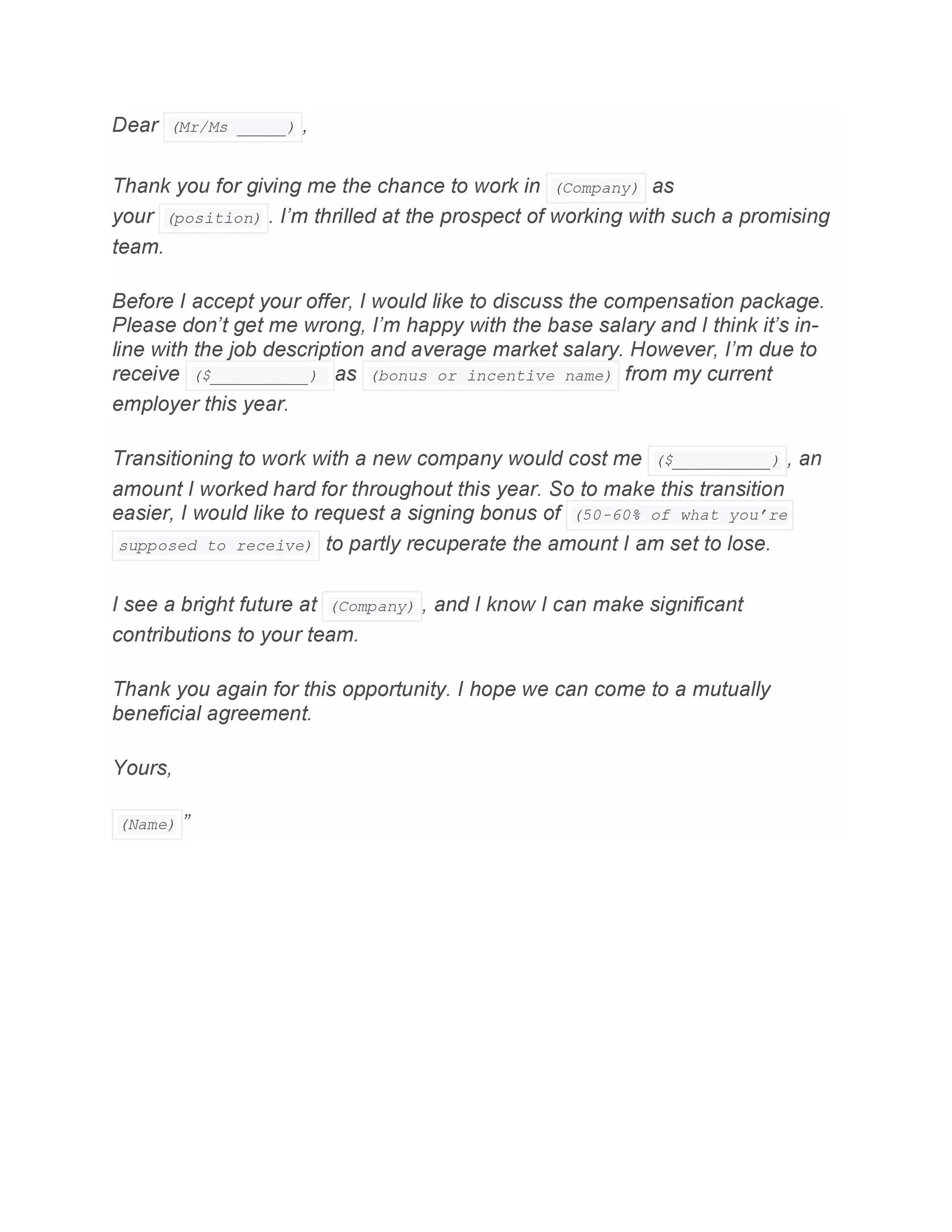
Understanding Salary Expectations in Cover Letters
Navigating the realm of salary expectations within a cover letter can feel like traversing a delicate tightrope. It’s a balancing act between showcasing your professional value and adhering to the unwritten rules of job application etiquette. The way you approach this topic can significantly impact how a potential employer perceives your candidacy. This guide aims to illuminate the best practices, offering clarity and confidence as you articulate your salary needs. Understanding the nuances of this crucial aspect of your application can greatly enhance your chances of landing the job you desire. The goal is to provide a framework for effectively communicating your financial requirements while presenting yourself as a desirable candidate.
Why Address Salary Expectations
Including salary expectations in your cover letter, when appropriate, serves several key purposes. First, it demonstrates your proactive approach to the application process, showing that you’ve considered the role’s value and your own financial needs. It saves both you and the employer valuable time. By being upfront about your expectations, you can avoid moving forward in the hiring process only to discover a misalignment in compensation. This prevents frustration on both sides and ensures that you’re only pursuing opportunities that align with your financial requirements. Additionally, it shows that you are well-prepared and understand the job market, signaling to the employer that you are a serious contender.
Benefits of Including Salary Requirements
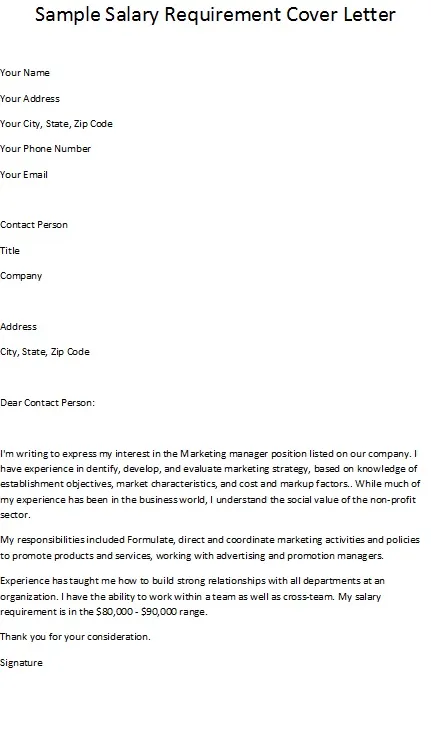
There are several advantages to including a salary expectation in your cover letter. It can lead to a faster and more streamlined hiring process, as it helps the employer quickly assess whether your expectations align with their budget. It shows your confidence and professionalism by addressing this often-awkward topic head-on. Furthermore, it can initiate early salary negotiations, giving you more control over the conversation. This proactive approach demonstrates your understanding of the job market and your worth, helping you to stand out from other candidates. Being transparent about your needs from the outset can set a positive tone for future discussions, fostering trust and respect between you and the potential employer. It is important to balance it with your requirements.
When to Include Salary Requirements
Knowing when to address salary expectations is just as important as how you address them. There are specific instances when it’s not only appropriate but also recommended to include your salary expectations in your cover letter. Being mindful of these situations can save you time and create a positive impression on potential employers. The key is to be strategic and use the opportunity to demonstrate your understanding of the job market and your professional needs.
During the Application Process
When the job posting explicitly requests salary expectations, it’s crucial to include this information in your cover letter. Not providing this information when requested could result in your application being overlooked. Always tailor your response to the specific request. Some postings may ask for a specific salary, while others may request a salary range. Provide what’s asked, and research to ensure you offer a competitive number. A range is generally preferable if possible, giving you some flexibility during negotiations while still meeting the employer’s needs. Be prepared and present your information clearly and concisely, directly addressing the request while keeping your cover letter professional.
When Specifically Asked

If you receive an email or a phone call asking about your salary expectations before the interview stage, it’s appropriate to provide a response. The interviewer may want to quickly determine if your expectations align with their budget. It is a good idea to do a market salary research. In these cases, it’s generally safe to give a range, demonstrating your understanding of the job market and your flexibility. It’s also an opportunity to reiterate your interest in the role. This could be as simple as, “Based on my research of similar roles and my experience, I’m targeting a salary range of [X] to [Y], but I am open to discuss.” This shows that you are prepared, professional, and eager to advance in the process.
Crafting Your Salary Expectations Statement
How you articulate your salary expectations in a cover letter significantly impacts how you are perceived. The language you use, the range you provide, and your overall tone all contribute to the impression you make. A well-crafted statement demonstrates your professionalism and your understanding of the value you bring to the role. Use this section as a guide to assist you in crafting a statement that effectively communicates your needs while maintaining a positive impression on potential employers. Be confident, informed, and prepared to discuss your expectations further.
Researching Salary Ranges
Thorough research is crucial before stating any salary expectations. Using several online resources to research average salaries for your role, experience level, and location will provide the most accurate results. These platforms offer salary data based on various factors, giving you a realistic understanding of what you should expect. Sites like Glassdoor, Salary.com, and LinkedIn Salary are valuable tools, and can help you determine how much you are worth. Additionally, consider talking to professionals in your network, or people you know who work in similar roles. This can provide insights into local market trends and company-specific salary structures. This research allows you to state your expectations with confidence.
Using Specific Numbers or Ranges

When presenting your salary expectations, you have the option of stating a specific number or providing a salary range. Giving a range, such as $60,000 to $70,000, offers you more flexibility during negotiations. Be realistic, the bottom of your range should be the minimum you would accept. If the job posting asks for a specific number, tailor your response accordingly. If you’re unsure, a range allows you some room to negotiate, which is why it’s often preferred. When using a range, ensure the difference between the high and low ends is reasonable to demonstrate an understanding of the salary landscape. This helps the employer to understand your requirements better.
Common Phrases to Use
Choosing the right words can ensure that you convey your salary requirements professionally and confidently. A well-chosen phrase can indicate that you are open to negotiation and demonstrate your understanding of the job market. Some standard phrases include, “My salary expectations are in the range of…” or “I am seeking a salary between…” are good options to provide a range. Or, “Based on my experience and the responsibilities of this role, I am targeting a salary of…". You might also add “I am flexible and open to discussing salary based on the overall package.” Remember to always keep your tone professional and to align with what you discovered with your market research.
Formatting Your Cover Letter
How you format your cover letter is just as important as what you write. It’s a document that represents you and how you might approach work. A well-formatted letter is easy to read and conveys professionalism. Pay attention to these elements to make sure your cover letter does the job of attracting attention and getting you to the next stage. It should clearly present your qualifications, experience, and, where appropriate, your salary expectations. By focusing on these details, you’ll improve your chances of making a strong first impression.
Placement within the Cover Letter

When including salary expectations, it’s generally best to place this information towards the end of your cover letter. After you’ve presented your qualifications and demonstrated your interest in the role, you can then briefly address the salary requirements. In your final paragraph, after you’ve summarized your suitability and expressed your enthusiasm, this is where you should place your salary information. This is the spot where you can include a statement like, “My salary expectations are in the range of…” and follow that with your willingness to discuss the topic further. Keep it concise and avoid making the salary the central focus of your cover letter. The goal is to highlight your value and skills.
Maintaining a Professional Tone
The tone of your cover letter should remain professional and enthusiastic throughout the entire document. It’s essential to maintain a respectful and confident tone when discussing salary expectations. Ensure your language is clear, concise, and avoids any demanding or overly aggressive statements. Using phrases like “I am seeking a salary range of…” or “My salary expectations are aligned with industry standards…” can help maintain a positive tone. Proofread your letter carefully for any spelling or grammatical errors. Always remember that your cover letter is a reflection of your professional demeanor, so aim for clarity, and maintain an optimistic attitude about your skills and experience.
Mistakes to Avoid
Avoiding common pitfalls can make the difference between getting an interview and having your application discarded. This section will guide you through the mistakes to avoid when stating your salary expectations. Be mindful of these common errors to make sure your cover letter boosts your chances of success. Always proofread and make sure to keep your tone professional.
Being Too Vague

Providing a response that’s too vague, such as “competitive salary,” or “negotiable,” can be unhelpful and may cause your application to be overlooked. While you don’t always need to state a specific number or range, not providing any clear indication of your expectations can suggest a lack of preparation. However, if you’re unsure of the salary range for a position, you can research and state, “Based on my research, the typical salary range for this position is between [X] and [Y], and I am open to discussing salary based on the overall package.”
Demanding Excessive Salaries
Demanding a salary far beyond the average for the role can immediately disqualify you. Doing adequate research can prevent you from making this error. Evaluate your experience and the job requirements accurately, then compare it to your salary expectations. Overinflating your expectations can indicate a lack of understanding of the market. This can deter potential employers. If you are unsure, it is best to lean on the side of what you think you deserve. Ensure your expectations align with your skills and experience. It’s better to start with a reasonable number, and negotiate later.
Negotiating Salary Expectations
Negotiating your salary is a key step in the job application process. Understanding when and how to negotiate can help you secure the best possible offer. It’s important to keep your tone and language professional while advocating for your value. Be prepared to justify your salary expectations with examples of your accomplishments and skills. With preparation, research, and a strategic approach, you can successfully navigate salary negotiations and get the compensation you deserve.
In conclusion, knowing how to address salary expectations in a cover letter is an important skill in your job search. It’s about balance—being upfront without being demanding, demonstrating market awareness, and expressing your value. By following the guidance provided here, you can write cover letters that accurately address salary expectations.