Why the Cover Letter Conclusion Matters
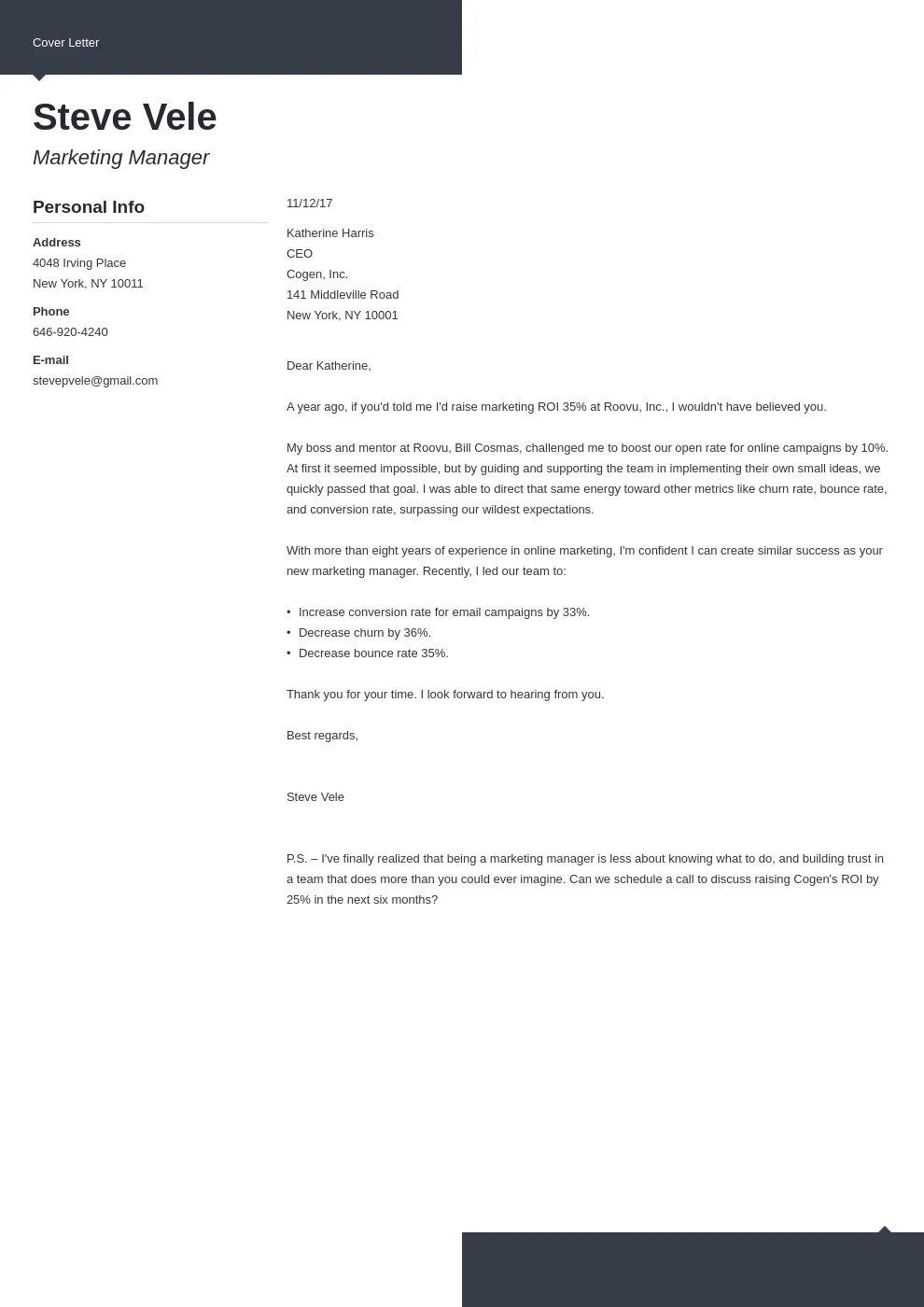
The conclusion of your cover letter is more than just a formality it’s your final chance to leave a lasting impression on the hiring manager. A well-crafted closing can be the deciding factor in whether your application stands out from the competition. It reinforces your key qualifications, reiterates your interest in the role, and prompts the reader to take the next step. Think of it as the last line of a persuasive argument, designed to secure an interview. A weak or generic closing can undermine all the effort you’ve put into the rest of your letter, while a strong one can elevate your application to the top of the pile. It’s about demonstrating professionalism, enthusiasm, and a clear understanding of the job requirements. This final paragraph is your opportunity to summarize your value proposition and make a memorable impact.
Highlighting Key Skills and Experiences
Your closing should briefly reiterate the most relevant skills and experiences that make you a strong candidate for the specific role. Don’t simply repeat what you’ve already said; instead, synthesize the information into a concise summary that emphasizes your key strengths and how they align with the employer’s needs. This is your chance to remind the hiring manager why you’re the best fit for the job. Focus on the accomplishments and contributions that demonstrate your ability to solve problems, achieve goals, and add value to the company. Be specific and use quantifiable results whenever possible to illustrate the impact of your past work. Remember that the goal is to reinforce the connection between your qualifications and the job requirements, making it easy for the hiring manager to see how you can contribute to their team’s success.
Tailoring Your Message to the Job Description

Every cover letter should be customized to the specific job you’re applying for, and your closing is no exception. Carefully review the job description and identify the key skills, experiences, and qualifications the employer is seeking. Tailor your closing to directly address these requirements, showing how your skills align with the company’s needs. This demonstrates your understanding of the role and your genuine interest in the opportunity. Avoid generic phrases or boilerplate closings that could suggest a lack of effort or enthusiasm. Instead, personalize your message by referencing specific aspects of the job description and explaining how your skills and experiences make you a strong match. This level of personalization will significantly increase your chances of getting noticed and securing an interview. Demonstrate how your unique abilities and experiences will contribute to the organization’s goals.
Expressing Enthusiasm and Interest
Your closing should exude genuine enthusiasm for the role and the company. Show the hiring manager that you’re not just looking for any job, but that you’re genuinely excited about this specific opportunity. Use phrases that convey your interest in the company’s mission, values, and culture. For instance, you could express your excitement about the challenges and opportunities the role presents. Avoid sounding overly eager or desperate, but do let your passion for the field and your interest in the company shine through. This enthusiasm will make you more memorable and help you stand out from other applicants. It demonstrates that you’re not only qualified but also motivated and eager to contribute to the organization’s success. Show the hiring manager that you are not only a good fit, but a great fit for the company.
Clearly State Your Call to Action
The most effective closing paragraphs include a clear call to action. Tell the hiring manager what you want them to do next. This might be to request an interview, express your eagerness to discuss your qualifications further, or provide any additional information they might need. Be direct and confident in your request. A strong call to action guides the hiring manager and makes it easy for them to respond. Avoid leaving the reader guessing or assuming that they will take the initiative. Make it clear that you’re available for an interview and provide the best means to contact you. Reiterate your enthusiasm and emphasize that you are looking forward to discussing your qualifications further. By including a clear call to action, you are increasing your chances of receiving a positive response and moving forward in the hiring process. Make it easy for them to invite you for an interview.
Suggesting a Follow-Up

While it’s important to be proactive, avoid being overly aggressive in your closing. Suggesting a follow-up is a polite and professional way to express your interest and demonstrate your commitment to the job. You can express your willingness to follow up on your application, usually within a week or two. Mention that you are looking forward to hearing from them soon. This suggests that you are serious about the position and that you are taking the initiative to ensure your application is not overlooked. Always be sure to respect the employer’s time and not contact them too frequently. It is a professional way of staying in touch, showing initiative, and keeping your application at the top of the hiring manager’s mind. This strategy helps reinforce your interest and commitment to the role.
Providing Contact Information
Make sure your contact information is up-to-date, readily accessible, and easy to find. This should typically include your phone number and email address. Consider including your LinkedIn profile URL, as well, to provide the hiring manager with additional information about your professional background. Always double-check that your contact information is accurate and professional. Ensure your email address is appropriate and free of any unprofessional nicknames. Providing your contact information helps the hiring manager take the next steps easily. Make it easy for them to reach out to you and schedule an interview. It’s critical that your contact information is easy to locate, and error-free. This is essential for communication and ensures the hiring manager can easily reach out.
Formatting and Tone of the Closing
The tone of your cover letter should always be professional, enthusiastic, and respectful. Your closing paragraph should reflect this tone. Avoid being overly casual, informal, or demanding. Instead, use a tone that is confident, positive, and appreciative. Keep your closing concise and focused. Avoid using clichés or overly used phrases. Show gratitude for the opportunity to apply. Use a professional closing salutation, such as “Sincerely,” “Respectfully,” or “Best regards,” followed by your full name. Always proofread your closing paragraph carefully to check for any errors in grammar, spelling, or punctuation. Remember to maintain a consistent tone throughout your entire cover letter. The language should be clear, concise, and professional. Make sure to keep the tone of your letter consistent with the company culture.
Proofreading and Editing Your Cover Letter

Before submitting your cover letter, always proofread it carefully. A cover letter riddled with errors can undermine your chances of getting the job. Check for any errors in grammar, spelling, punctuation, and formatting. Consider having a friend, family member, or career counselor review your cover letter as well. A fresh pair of eyes can often catch mistakes you might have missed. Pay close attention to the closing paragraph to make sure that it’s well-written, concise, and free of any errors. Proofreading your cover letter will ensure that you put your best foot forward. Taking the time to proofread your cover letter demonstrates professionalism and attention to detail. Ensure that your cover letter is perfect before sending it to the hiring manager. Proofreading can make all the difference.
In conclusion, the closing of your cover letter is your final opportunity to make a strong impression. By following these tips—highlighting your key skills, tailoring your message, expressing your enthusiasm, including a clear call to action, providing your contact information, and proofreading—you can increase your chances of getting an interview. Remember, a well-crafted closing can set you apart from other candidates and help you land your dream job.