Understanding the Purpose of a Cover Letter
A cover letter is more than just a formality; it is your first opportunity to make a strong impression on a potential employer. It serves as an introduction, a way to highlight your skills and qualifications, and an opportunity to explain why you are the ideal candidate for the job. Unlike a resume, which provides a factual overview of your experience, a cover letter allows you to showcase your personality, writing skills, and genuine interest in the position and the company. It offers a crucial space to make a connection with the hiring manager, demonstrating your enthusiasm and making you stand out from other applicants. Without a well-crafted cover letter, you risk missing out on the chance to fully present yourself and why you are the best fit for the role.
Why Your Cover Letter Matters
In a competitive job market, a cover letter can be the deciding factor in whether you get an interview. It allows you to tell your story, connecting your skills and experiences to the specific requirements of the job. A well-written cover letter demonstrates your communication skills, attention to detail, and genuine interest in the opportunity. It allows you to expand on your resume, providing context and depth that a resume alone cannot. By showcasing your personality and enthusiasm, you increase your chances of making a positive impression and securing an interview. It allows you to show how your goals align with the company’s objectives, thus increasing your chances of being hired.
Key Objectives of a Cover Letter

The primary objectives of a cover letter include introducing yourself, expressing your interest in the position, and highlighting your relevant skills and experience. It should clearly state the role you are applying for and where you found the job posting. The cover letter should also explain why you are a good fit for the company and the specific job requirements. Moreover, it needs to demonstrate your understanding of the company’s mission, values, and goals. Ultimately, the cover letter aims to persuade the hiring manager to read your resume and consider you for an interview. A good cover letter also has to show your interest in the company and how you can contribute to their success.
The Anatomy of a Winning Cover Letter
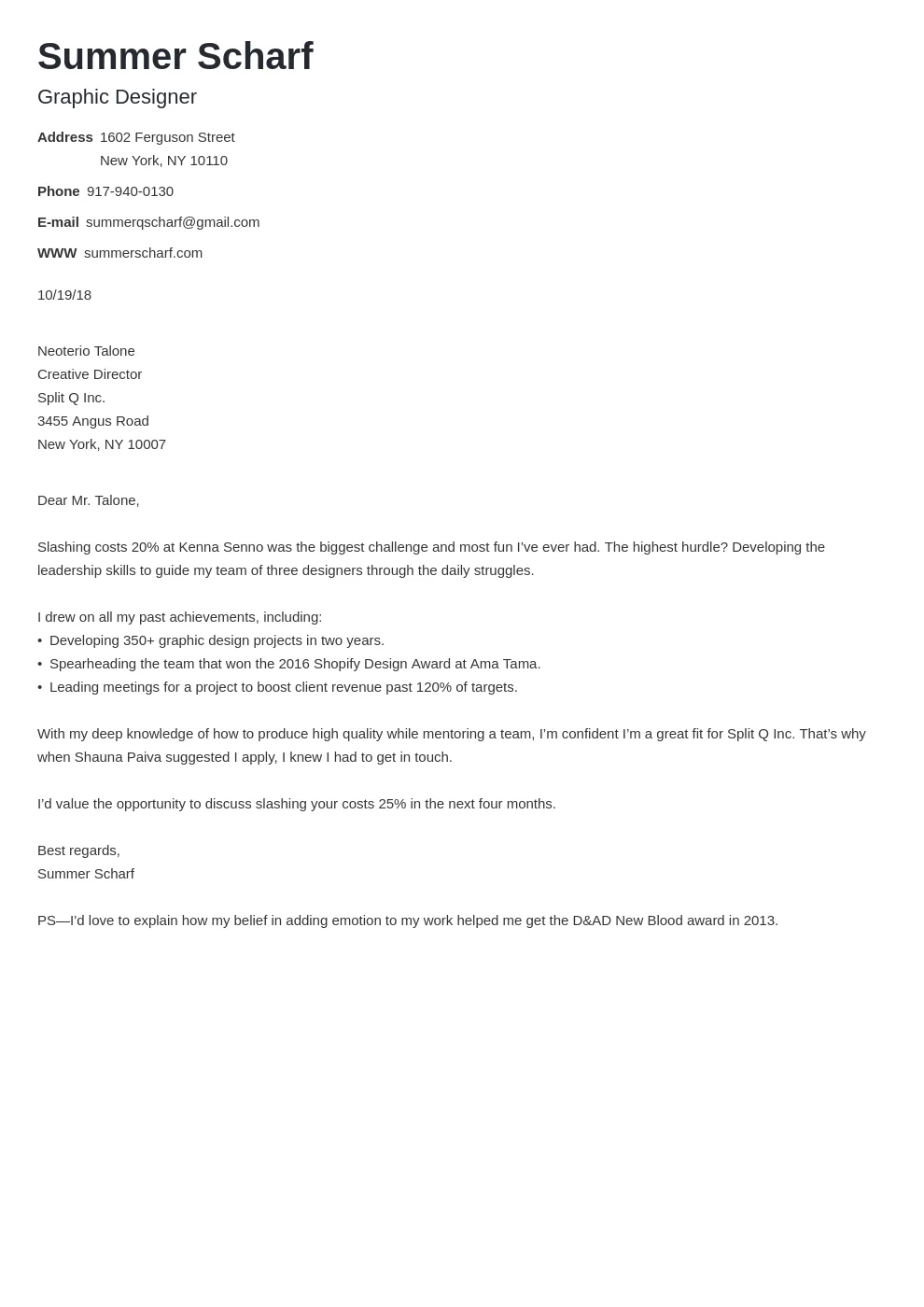
A winning cover letter consists of several key components, each playing a vital role in capturing the reader’s attention and convincing them of your suitability for the role. It typically begins with a strong opening paragraph, followed by compelling body paragraphs that highlight your skills and experience. The body should be tailored to the specific job requirements, demonstrating a clear understanding of the role and the company. The letter concludes with a strong closing paragraph that reiterates your interest and includes a call to action, such as requesting an interview. Moreover, the formatting should be professional, with a clear layout, appropriate font, and proper grammar and punctuation. A well-structured cover letter is crucial to make a positive impact.
Your Opening Paragraph
The opening paragraph is your first chance to grab the reader’s attention. It should be concise, engaging, and clearly state the purpose of your letter — the job you’re applying for. Start with a strong hook that captures the hiring manager’s interest. Mentioning how you found the job and why you are interested can be a good starting point. Avoid generic openings; instead, show your enthusiasm for the opportunity and your understanding of the company. A successful opening paragraph sets the tone for the rest of the letter, making the reader want to continue reading and learn more about you. The first impression is crucial, and the opening paragraph is the key to making it count.
Crafting a Compelling Hook

A compelling hook is an opening sentence that immediately grabs the reader’s attention. Consider starting with a statement of your most significant achievement or a brief anecdote that highlights your relevant skills. You could also express your enthusiasm for the company or the industry. Avoid generic phrases like ‘I am writing to apply.’ Instead, tailor your opening to the specific job and the company’s values. For instance, if the company emphasizes innovation, mention a project where you demonstrated creative problem-solving. Your hook should be a reflection of your personality and the key strengths you wish to highlight, setting the stage for the rest of your cover letter.
Highlighting Your Value Proposition
In your opening, quickly communicate your value proposition—what you bring to the table. This is where you briefly mention your most relevant skills or experiences. Summarize your key qualifications and how they align with the job requirements. If possible, mention any notable accomplishments or skills that make you stand out. This could be a specific project, a key result you achieved, or a skill that is highly sought after in the industry. The goal is to create immediate interest and make the hiring manager want to learn more. Ensure that your value proposition is tailored to the specific needs of the employer and the job description.
Body Paragraphs
The body paragraphs are where you provide detailed information to support your opening claims. These paragraphs should expand on your skills, experience, and accomplishments, demonstrating how they align with the job requirements. Use specific examples and quantifiable results to illustrate your capabilities. Focus on the key responsibilities outlined in the job description and how you have excelled in similar roles. Tailor each paragraph to the specific needs of the employer and the position, making it clear why you are the ideal candidate. The body paragraphs are essential to show your understanding of the role and your capacity to perform effectively.
Showcasing Relevant Skills and Experience

In your body paragraphs, showcase the skills and experiences most relevant to the job. Identify the key requirements listed in the job description and explain how your background aligns with them. Provide specific examples of how you have used these skills in the past and the results you achieved. For example, if the job requires project management skills, describe a project you managed, highlighting your role, the challenges you faced, and the positive outcomes. Be clear and concise, focusing on the skills and experiences that demonstrate your ability to succeed in the role. Emphasize the achievements that directly relate to the requirements of the job you’re applying for.
Quantifying Achievements and Results
Whenever possible, quantify your achievements with numbers and data. Instead of saying you ‘improved sales,’ state that you ‘increased sales by 15% in one quarter.’ Using numbers provides concrete evidence of your capabilities and the value you bring. Include metrics that demonstrate your impact, such as increased efficiency, cost savings, or improved customer satisfaction. Even if your field doesn’t lend itself to exact numbers, provide measurable results. For instance, if you’re a writer, you could mention how many articles you have written or the increase in web traffic after your content was published. This makes your accomplishments more persuasive and memorable.
Tailoring Your Cover Letter to the Job
Customize your cover letter for each job application. Review the job description carefully and identify the key skills, experiences, and qualifications the employer seeks. Then, modify your cover letter to address these specific requirements. Highlight the relevant aspects of your background and explain how your skills align with the job. Use keywords from the job description to ensure that your letter resonates with the hiring manager. Avoid using a generic cover letter; instead, make it clear that you have carefully read the job posting and are genuinely interested in the role. The more personalized your letter is, the higher your chances of making a strong impression.
Closing Your Cover Letter

The closing paragraph is your final opportunity to reinforce your interest and leave a lasting impression. It should reiterate your enthusiasm for the role and thank the hiring manager for their time and consideration. Summarize your key qualifications and how you can contribute to the company’s success. Avoid ending with a generic phrase like ‘Sincerely.’ Instead, express your eagerness to discuss your application further and include a clear call to action, such as requesting an interview. A strong closing paragraph leaves the reader with a positive impression and encourages them to take the next step.
Expressing Enthusiasm and Call to Action
In the closing paragraph, express your genuine enthusiasm for the opportunity and the company. Show that you have researched the company and are excited about the possibility of joining their team. Conclude with a clear call to action, such as requesting an interview. Be direct and let the hiring manager know that you are available for a discussion. For example, you might say, ‘I am eager to discuss how my skills and experience can contribute to [Company Name]. I am available for an interview at your earliest convenience.’ A strong call to action encourages the hiring manager to take the next step and consider your application further.
Formal Closing and Contact Information
End your cover letter with a professional closing, such as ‘Sincerely,’ ‘Best regards,’ or ‘Thank you for your consideration.’ Ensure your closing aligns with the tone of your letter and the company culture. Following your closing, include your full name, phone number, email address, and a link to your LinkedIn profile or online portfolio, if applicable. Make it easy for the hiring manager to contact you. Double-check that your contact information is accurate and up-to-date. Providing all the necessary information ensures that the hiring manager can easily reach out to you to schedule an interview.
Cover Letter Formatting Best Practices

Proper formatting is crucial for making your cover letter easy to read and visually appealing. Use a professional font, such as Times New Roman, Arial, or Calibri, with a font size of 11 or 12 points. Maintain consistent spacing throughout your letter, using single-spacing within paragraphs and double-spacing between paragraphs. Use clear headings and bullet points to break up the text and make it easier to scan. Keep your letter concise, ideally within one page. Proper formatting makes your letter more readable, professional, and demonstrates your attention to detail. A well-formatted cover letter is a reflection of your professionalism and attention to detail.
Font and Style Guidelines
Choose a professional and easy-to-read font for your cover letter. Avoid using fonts that are overly stylized or difficult to read. Times New Roman, Arial, and Calibri are all excellent choices. Ensure your font size is between 11 and 12 points for optimal readability. Use bolding and italics sparingly, focusing on highlighting key information. Maintain consistent formatting throughout your letter. Use proper spacing and alignment. A clean and professional font and formatting style helps create a positive first impression and makes your letter easier to read, which in turn increases your chances of success.
Proofreading and Editing
Proofreading and editing are essential steps in creating a winning cover letter. Before submitting your letter, carefully review it for any grammatical errors, spelling mistakes, and typos. Use a grammar and spell-checking tool, but do not rely on it entirely. Read your letter aloud to catch any awkward phrasing or unclear sentences. It is also beneficial to have a friend or family member review your letter for any mistakes that you might have missed. A well-proofread and edited cover letter demonstrates your attention to detail and professionalism. This final step ensures that your cover letter is polished and free of errors, making a strong impression on the hiring manager.