Why a Cover Letter Matters
In today’s competitive job market, a well-crafted cover letter can be your secret weapon. It’s often the first impression you make on a potential employer, and it can significantly influence whether your resume gets a closer look. Many hiring managers consider a cover letter essential, using it to assess your communication skills, personality, and genuine interest in the role. A strong cover letter allows you to tell your story, connect your skills and experiences with the specific job requirements, and demonstrate why you’re the ideal candidate. Think of it as your opportunity to go beyond the bullet points of your resume and provide a compelling narrative that showcases your unique value. A compelling cover letter significantly increases your chances of landing an interview, paving the way for career success. Ignoring the cover letter is a missed opportunity, and crafting a winning cover letter is crucial.
The Purpose of a Cover Letter
The primary purpose of a cover letter is to introduce yourself and your qualifications to a potential employer. It’s a chance to highlight the specific skills and experiences that align with the job requirements, setting the stage for a more detailed review of your resume. Cover letters should go beyond simply summarizing your resume; they should provide context and explain why you’re a perfect fit for the role and the company. Use this space to showcase your enthusiasm for the position and your understanding of the company’s mission and values. Ultimately, the goal is to persuade the hiring manager that you’re worth interviewing, making it a vital tool in your job search arsenal. Remember that a well-written cover letter creates a compelling narrative that increases your chances of getting hired. This is a vital piece of the job search.
What Makes a Cover Letter Effective

An effective cover letter is tailored, concise, and engaging. It should clearly state your purpose, highlight relevant skills and experiences, and demonstrate your enthusiasm for the role and the company. Customization is key, so take the time to research the company and the specific job requirements. This shows that you’ve put in the effort. Use action verbs to describe your accomplishments, quantify your achievements whenever possible, and tailor your language to match the company’s tone. Maintain a professional but personable tone, and always proofread carefully for any grammatical errors or typos. An effective cover letter goes beyond just listing your skills; it tells a story that captures the reader’s attention and leaves a lasting impression. It’s important to make a positive first impression and a winning cover letter can make all the difference.
Understanding the Structure of a Cover Letter
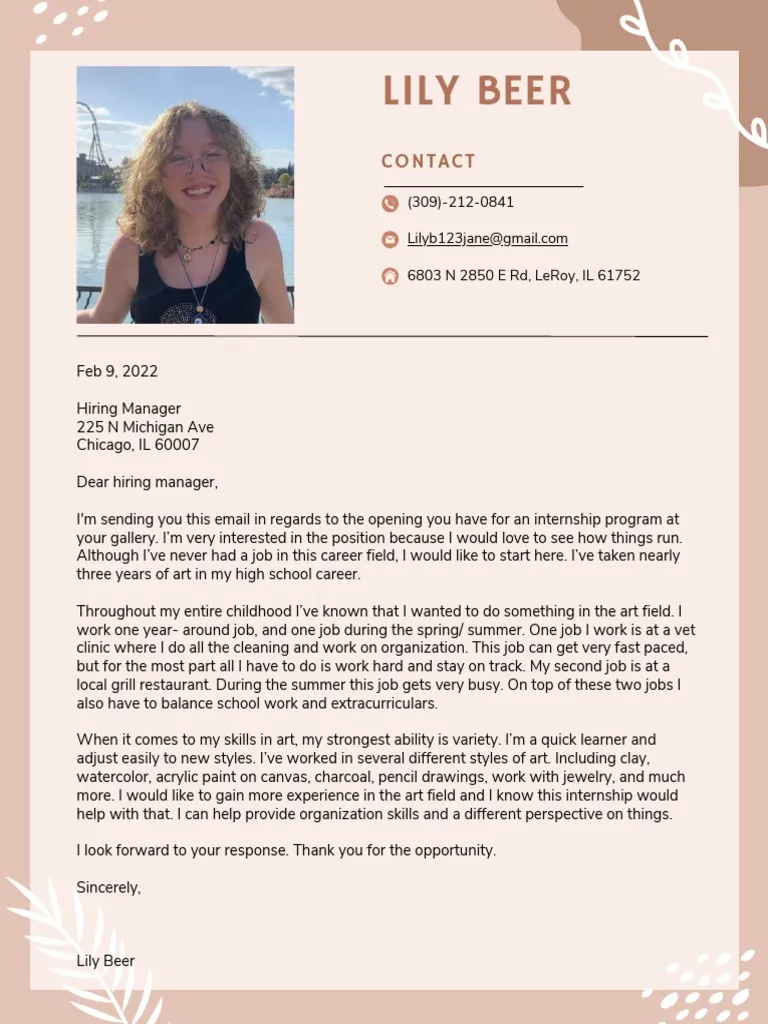
A well-structured cover letter follows a logical format that guides the reader through your qualifications and demonstrates your suitability for the role. A standard cover letter format includes several key sections that should be thoughtfully composed to convey information effectively. Structuring your cover letter properly is essential for leaving a positive impression and making it easier for the hiring manager to find relevant information about you. The key sections are contact information, date, recipient’s information, opening paragraph, body paragraphs, and closing paragraph. Following this outline makes a cover letter easy to read and professional looking. A well-structured cover letter is more likely to capture the reader’s attention and increase your chances of securing an interview.
Contact Information
At the top of your cover letter, include your contact information, such as your name, phone number, email address, and LinkedIn profile URL. This ensures the recruiter can easily reach you. Use a professional email address, and make sure your phone number is correct and your voicemail is set up. Including your LinkedIn profile provides an easy way for the recruiter to view your professional background and credentials. The contact information should be aligned to the left or centered, and it should be immediately visible. Make it easy for the recruiter to contact you and make sure your contact information is easy to access.
Date

Below your contact information, include the date you’re sending the cover letter. This is a standard practice for formal business correspondence. Ensure you use the correct date format for the recipient’s country. Placing the date correctly shows attention to detail and professionalism. Using the current date helps the recruiter understand when the application was submitted. Ensure the date is clear and easy to read.
Recipient’s Information
Always address your cover letter to the hiring manager or the specific person mentioned in the job description. If you can’t find a name, try to find one online through the company website or LinkedIn. Address your letter to a specific person to make it more personal. If you are unable to find a specific name, it’s often acceptable to use a general title such as ‘Hiring Manager’ or ‘Recruiting Team’. Use the correct title and name; this shows you have done your research and are genuinely interested. A personalized cover letter is more likely to capture the reader’s attention and make a good impression. This will distinguish your application from the general submissions.
The Opening Paragraph
The opening paragraph is the most important part of your cover letter. It sets the tone and immediately grabs the reader’s attention. It should briefly state the position you are applying for and how you found the job. Use this space to highlight your most relevant skills and experiences that align with the job requirements. Show your enthusiasm for the role and the company by mentioning something specific that interests you about the position or the organization. Your opening should be a hook that encourages the reader to continue reading. It is crucial to capture their attention from the beginning, which will set your application apart from the competition. Make sure it is clear, concise, and tailored to the specific job.
Grab the Reader’s Attention

Start your cover letter with a strong opening sentence that immediately grabs the reader’s attention. Instead of a generic greeting, try something more engaging. You might mention a specific accomplishment related to the job, a unique skill you possess, or your enthusiasm for the company’s mission. Avoid clichés and focus on what makes you stand out. Showing your knowledge about the company and your excitement for the role can make a positive impression. Using an engaging opener helps you make a memorable first impression, encouraging the reader to continue with your application. Think about what makes you unique and weave that into your opening sentence to make it engaging.
Clearly State Your Purpose
In the opening paragraph, clearly state the position you’re applying for and how you found the job posting. This ensures that the hiring manager immediately understands your intent. Clearly mentioning the job title makes your application easy to understand. Mentioning the job source (e.g., LinkedIn, company website) also helps the reader. Keep it short and to the point. Be direct and show the recruiter you know exactly what job you are applying for. This demonstrates clarity and shows the recruiter that you can follow instructions. Make sure to state the purpose clearly, avoid any confusion and keep it professional.
Highlighting Your Skills and Experiences
The body of your cover letter is where you demonstrate your skills and experience, connecting them to the job requirements. This section should detail how your qualifications make you the ideal candidate for the position. Carefully review the job description and highlight the skills and experiences most relevant to the role. Provide specific examples of how you’ve used these skills and achieved results. Back up your claims with evidence. This is your opportunity to show, not just tell, the hiring manager why you’re a good fit. When highlighting, provide quantifiable achievements that support your claims. Make sure the skills you are sharing directly correlate with the job requirements.
Tailoring Your Content to the Job Description

One of the biggest mistakes job seekers make is sending generic cover letters. To stand out, tailor your cover letter to each job application. Carefully review the job description and identify the key skills, experiences, and qualifications the employer is seeking. Then, in your cover letter, highlight how your background aligns with those requirements. Use keywords from the job description throughout your letter to show you are a good fit. This tailored approach shows the employer that you understand the role and are genuinely interested in the company. Make sure to customize each cover letter. It is a good way to grab the recruiter’s attention and set your application apart.
Quantifying Your Achievements
When describing your accomplishments, use numbers and data to quantify your achievements. Instead of saying “Improved customer service,” say “Increased customer satisfaction by 15%.” Quantifying your achievements provides concrete evidence of your skills and makes your claims more credible. Use metrics to demonstrate the impact you’ve had in previous roles. For example, if you increased sales, state the percentage or dollar amount. Quantifiable achievements help the recruiter to understand what you bring to the table. This helps the hiring manager measure the value you can add to their organization. Use numbers to make your achievements more convincing. It is one of the most effective ways to stand out from other candidates.
Using Action Verbs
Use strong action verbs to describe your skills and accomplishments. Action verbs make your cover letter more dynamic and engaging. Instead of saying “Responsible for managing projects,” try “Managed projects, delivering results on time and under budget.” Action verbs convey a sense of confidence and accomplishment. Start each bullet point or sentence with a strong action verb to show your capabilities. Examples of action verbs include: ‘Achieved’, ‘Created’, ‘Developed’, ‘Implemented’, ‘Managed’, ‘Led’, and ‘Improved’. Use action verbs to make your cover letter more compelling. Using action verbs helps the recruiter visualize your experience. It is a clear way to showcase your accomplishments.
Demonstrating Your Enthusiasm

Show your enthusiasm for the role and the company. Explain why you are interested in the position and what you admire about the organization. This is an opportunity to show that you have done your research and are genuinely excited about the prospect of working there. This is also a great place to mention how your values align with the company’s mission. Mentioning specific projects or initiatives that you are interested in can also show your genuine interest. Your enthusiasm helps the recruiter understand your motivation. Showing enthusiasm can make a big difference in your application. A genuine display of interest can make your application memorable.
The Closing Paragraph
The closing paragraph should reiterate your interest in the position and thank the hiring manager for their time and consideration. It is the last impression you make, so ensure it is professional and positive. Use this space to express your interest in an interview and how you can be reached. Conclude by thanking the reader for their time and consideration. Keep it concise and professional. This will leave a lasting positive impression on the hiring manager. It also encourages the recruiter to take the next step.
Expressing Gratitude
Always express your gratitude to the hiring manager for their time and consideration. A simple ‘Thank you for your time and consideration’ goes a long way in showing professionalism and respect. It’s a polite gesture that can leave a positive impression. Make sure to thank them sincerely. You can also mention that you are looking forward to hearing from them soon. Expressing gratitude demonstrates respect. It is a sign of professionalism and it also makes your application more memorable.
Call to Action

Include a clear call to action in your closing paragraph. Invite the hiring manager to contact you for an interview or to discuss your application further. This prompts the recruiter to take the next step. Use phrases such as ‘I am eager to discuss my qualifications further in an interview’ or ‘I look forward to hearing from you soon’. Include your contact information one last time for ease of access. A strong call to action increases your chances of being contacted for an interview. Make it clear and direct to encourage the recruiter to contact you.
Cover Letter Formatting and Design
The formatting and design of your cover letter can significantly impact how it’s received. A well-formatted cover letter is easier to read and makes a positive first impression. Pay close attention to the font, layout, and overall design to make your cover letter stand out. A clean and professional layout shows your attention to detail and professionalism. Using a well-formatted cover letter will improve readability. Ensure that your letter is neat, organized, and easy on the eyes. The proper formatting can have a big influence on the effectiveness of your cover letter. Make sure to apply a professional approach.
Font Selection
Choose a professional and easy-to-read font for your cover letter. Fonts like Times New Roman, Arial, Calibri, and Helvetica are good choices. Make sure your chosen font is a standard size (11 or 12 points) and is consistent throughout the document. Avoid overly decorative or unusual fonts, which can be difficult to read. Using a professional font makes your cover letter readable and visually appealing. Choosing the right font makes a good first impression. This makes it easy for the recruiter to read your cover letter. Ensure the font you use is easy on the eyes.
Layout and Spacing
Use a clean and organized layout with clear headings, bullet points, and adequate spacing. Keep your paragraphs concise, with a maximum of five to six lines each. Use single or 1.15 line spacing for easy reading. Use a standard margin of 1 inch on all sides. Proper layout enhances readability and allows the hiring manager to quickly scan the content. Use white space to avoid a cluttered appearance. A clean layout is visually appealing and ensures the focus remains on your content. This helps the recruiter to find the relevant information quickly. Proper spacing enhances the readability and makes your cover letter more attractive.
Proofreading and Editing
Before sending your cover letter, carefully proofread and edit it for any grammatical errors, typos, and spelling mistakes. Even minor errors can damage your credibility. Use spell check and grammar check tools. It is always beneficial to have a friend or career advisor review your cover letter. Ensure that the formatting is consistent throughout the document. Proofreading and editing are essential for a polished and professional presentation. Proofreading catches errors that might be missed, and your application will be better received. It helps you catch any mistakes and errors. Taking the time to proofread your cover letter shows your attention to detail.
Common Cover Letter Mistakes to Avoid
Avoid common mistakes that can undermine your cover letter and decrease your chances of getting an interview. Avoid these to make a strong first impression. Understanding these mistakes will prevent common pitfalls and improve the effectiveness of your cover letter. Avoid these to make your application more appealing. Taking care to avoid these common errors will boost your chances of getting a positive response.
Grammatical Errors
Grammatical errors, typos, and spelling mistakes make you look unprofessional and careless. Always proofread carefully, and use spell check and grammar check tools. Review your cover letter multiple times to catch any errors. Incorrect grammar and typos can make a negative first impression. They will show a lack of attention to detail. This will damage your credibility. Avoid these errors to ensure your professionalism.
Generic Content
Avoid sending a generic cover letter that could be sent to any job. Customize your cover letter for each application. Tailor the content to the specific job requirements and the company’s needs. Generic letters show a lack of genuine interest in the role. Customize your cover letter to the specific job to make a great impression. This will increase your chances of getting a positive response. A tailored letter is more likely to capture the attention of the hiring manager. It will increase your chance of being contacted for an interview.
Ignoring the Job Requirements
Failing to address the specific requirements listed in the job description is a major mistake. Always review the job description carefully and highlight your relevant skills and experiences. Connect your qualifications directly to the job needs. Failure to align with the job requirements shows a lack of attention. Make sure your cover letter directly addresses the job’s requirements. Demonstrate that you are a good fit. It will help you stand out. It will increase your chances of getting an interview.
Adapting Cover Letter Examples for Your Needs
Cover letter examples can be a helpful starting point, but they should be adapted to your specific circumstances. Use the samples as a guide, not a template. Customize them to reflect your own skills, experiences, and the requirements of the job you are applying for. Tailoring the example to your needs ensures that your application stands out from the competition. Adapt cover letter examples to create a strong application. It shows the hiring manager that you are interested in the job. It showcases your unique qualifications. Customizing the example to fit the job is crucial.
Cover Letter Examples for Different Industries
Different industries may require different approaches to cover letters. Research industry-specific cover letter formats and styles to ensure your application is appropriate. Look at examples of cover letters from your field to get an idea of what employers expect. Tailor your cover letter to reflect industry standards and expectations. Industry-specific examples will make your application more relevant. This will help you create a professional and appropriate cover letter for your field. Tailoring your cover letter is important.
Using Cover Letters in the Digital Age
In the digital age, cover letters are often submitted electronically. Make sure your cover letter is easy to read on a screen. Save your cover letter as a PDF file to preserve formatting. Consider including keywords from the job description to help your application get noticed by applicant tracking systems. Using the right format increases your chances of your application being considered. A PDF format ensures your cover letter is displayed correctly on all devices. Digital submissions require some special considerations for the job seeker. Prepare your cover letter for online submission.
Submitting Cover Letters Online
When submitting your cover letter online, follow the instructions provided by the employer. Make sure your cover letter is in the correct format, usually PDF, and that the file size is within the specified limits. If the online application system allows it, customize your cover letter to reflect the specific requirements. Follow all directions to make a positive first impression. Make sure you check all requirements for the digital submission. It is a good way to show your attention to detail and your interest in the role. Submitting your cover letter online follows a clear process. Following the instructions is essential.
Tracking Your Applications
Keep track of the cover letters you’ve sent and the jobs you’ve applied for. This helps you manage your job search and follow up with employers. Create a spreadsheet or use a job application tracker to record the date of submission, the job title, the company name, and any notes about the application. Tracking your applications is essential for good organization. Follow up with employers to show your interest. Stay organized and keep track of your applications. It is a way to stay on top of the job search. It helps you keep track of your application status.
In conclusion, crafting a winning cover letter is an essential part of the job application process. By following these guidelines, you can create a cover letter that showcases your skills, experiences, and enthusiasm for the role. Tailor your cover letter to each job, highlight relevant achievements, use action verbs, and demonstrate your genuine interest in the company. Remember to proofread carefully, avoid common mistakes, and adapt cover letter examples to fit your needs. A well-written cover letter significantly increases your chances of getting an interview and landing your dream job. So, take the time to craft a compelling cover letter that sets you apart. Good luck with your job search!