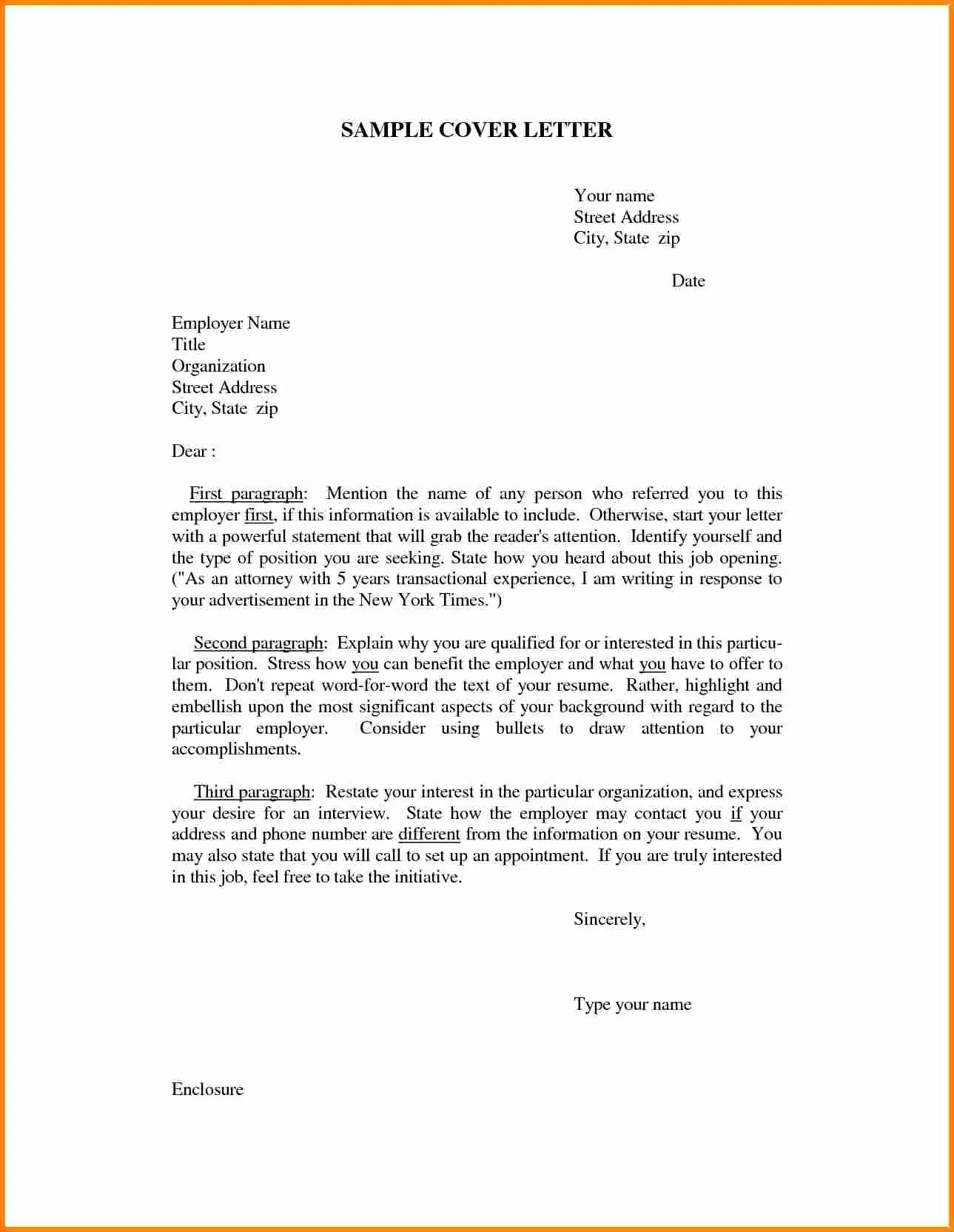
Why a Strong Cover Letter Opening Matters
Your cover letter is your first real chance to make an impression on a potential employer. And like any first impression, the opening sentence sets the tone for everything that follows. It’s the initial hook, the attention grabber, and the crucial element that determines whether the hiring manager will read further or toss your application aside. A well-crafted opening can immediately demonstrate your understanding of the role, your enthusiasm, and your unique qualifications. Conversely, a weak or generic opening can instantly signal a lack of effort, interest, and suitability. This initial sentence is your opportunity to differentiate yourself from the competition and compel the reader to learn more about you. It’s the gateway to showcasing your skills, experience, and personality, ultimately increasing your chances of landing an interview.
Grabbing Attention The Power of a Great First Sentence
The primary goal of your opening sentence is to capture the reader’s attention. This means moving beyond the standard, predictable greetings like “Dear Hiring Manager” or “I am writing to express my interest.” Instead, aim for something more dynamic and engaging. Start with a statement that immediately communicates your value proposition or showcases your understanding of the company’s needs. Think about what makes you unique and what you can bring to the table that aligns with the job description. A compelling opening often highlights a specific achievement, a relevant skill, or a genuine interest in the company’s mission. This helps you stand out from other applicants who may be using generic phrases, making the hiring manager want to delve deeper into your application. Remember, you have a limited amount of time to make an impact, so make every word count and lead with your best foot forward.
Highlighting Your Value Directly Addressing the Role

Your opening sentence should immediately demonstrate how your skills and experience align with the specific requirements of the job. Referencing the job description is essential, but avoid simply restating the qualifications. Instead, extract the most crucial aspects of the role and illustrate how your background directly addresses them. For example, if the job posting emphasizes project management experience, you could start with, “My proven track record of successfully managing projects within budget and on time, as demonstrated in my role at [Previous Company], aligns perfectly with the needs of this position.” By connecting your accomplishments to the employer’s specific needs right from the start, you are demonstrating that you’ve carefully considered the role and are confident in your ability to contribute. This approach immediately positions you as a strong candidate and encourages the reader to continue exploring your application.
Researching the Company Tailoring Your Opening
A generic cover letter sent to multiple companies is a recipe for rejection. Tailoring your opening to the specific company shows you have done your homework and are genuinely interested in the opportunity. Research the company’s mission, values, recent achievements, and any current projects. Then, incorporate this knowledge into your opening sentence. For example, “Having followed [Company Name]’s innovative work in [Specific Area] for several years, I am excited to apply for the [Job Title] position and contribute my expertise in [Relevant Skill].” This demonstrates your genuine interest, understanding, and the value you could bring to the organization. Mentioning the company by name and referencing something specific about their work will make your application more personal and more likely to resonate with the hiring manager, setting you apart from candidates who haven’t taken the time to do their research.
Avoiding Common Pitfalls Mistakes to Steer Clear Of
Certain opening sentences are virtually guaranteed to diminish your chances. Steer clear of generic phrases such as “I am writing to express my interest,” as these are overused and lack impact. Avoid rehashing your resume in the first sentence; the cover letter should elaborate on key aspects, not repeat them. Also, refrain from stating the obvious, like “I am applying for the position advertised on your website.” Don’t start by mentioning what you want, focus on what you can offer the company. Finally, avoid overly casual or informal language. Maintain a professional tone throughout your cover letter. By eliminating these common mistakes, you immediately position yourself as a thoughtful, prepared, and suitable candidate, greatly improving your chances of getting a positive response.
Generic Openings Why They Fail

Generic opening sentences signal a lack of genuine interest and personalization. They typically lack any specifics about the role or the company, making it clear that the applicant hasn’t spent the time to tailor their application. These openings often begin with phrases like “I am writing to express my interest in the position” or similar variations. Such sentences are bland and fail to distinguish the applicant from the crowd. They convey that the applicant may be sending out the same letter to numerous companies, showing a lack of sincere engagement with the particular job. This tells the hiring manager that the applicant may not be truly interested in the specific opportunity, diminishing the chances of the application being considered seriously. Generic openings don’t showcase the applicant’s value or how their skills align with the company’s needs, which is critical for making a strong first impression.
Focusing on Yourself or the Company
Finding the right balance between showcasing your skills and showing your understanding of the company is crucial. An opening focused solely on your personal needs, aspirations, or what you hope to gain from the job can be off-putting. For example, starting with “I am looking for a challenging role…” puts the emphasis on your needs, not the company’s. Conversely, an opening that solely praises the company without any mention of your qualifications will also fall flat. The most effective openings acknowledge both. A strong opening sentence should blend your capabilities with the company’s requirements, showing how you can contribute to their success. This approach communicates that you understand the company’s needs and are confident in your ability to help them meet their goals.
Crafting Compelling Sentences Examples to Follow
To craft a compelling opening sentence, consider these examples: “Leveraging my expertise in [Skill] and my proven ability to [Achievement], I am eager to contribute to [Company]’s mission of [Company Goal].” Another strong option is, “Having followed [Company]’s innovative approach to [Industry], I am excited to apply my experience in [Specific Area] to the [Job Title] role.” A direct approach could be, “My five years of experience in [Relevant Field] have equipped me with the skills necessary to excel in the [Job Title] position, as demonstrated by my success in [Specific Accomplishment].” Finally, consider, “Driven by a passion for [Industry] and a track record of [Achievement], I am confident I can make a significant impact as a [Job Title].” Tailor these examples to your specific skills, the job description, and the company to ensure they resonate with the hiring manager.
Showcasing Your Enthusiasm and Interest

Enthusiasm and genuine interest are contagious and can make a significant difference in your cover letter. Showcasing this in your opening sentence sets a positive tone and encourages the reader to continue. Use words that convey excitement, such as “eager,” “excited,” “passionate,” or “driven.” However, always ensure this enthusiasm is grounded in specific examples and qualifications. For example, instead of simply saying “I am very interested,” try, “I am eager to leverage my experience in [Skill] to contribute to [Company]’s innovative projects.” This shows interest while simultaneously highlighting your skills and alignment with the company’s goals. Demonstrating a clear passion for the industry and the specific role will signal to the hiring manager that you’re not just looking for a job; you’re looking for an opportunity to contribute meaningfully.
Demonstrating Your Understanding of the Role
The opening sentence should immediately communicate that you understand the key responsibilities and requirements of the role. This can be achieved by directly referencing the job description and addressing the essential skills or experiences sought by the employer. Carefully review the job posting and identify the key qualifications. Then, craft your opening to highlight your experience with those specific requirements. For instance, if the job description calls for strong project management skills, your opening could state, “With a proven track record of successfully managing cross-functional teams and delivering projects on time and within budget, as outlined in the [Job Title] description, I am confident I can excel in this role.” By directly addressing the core requirements, you’re showing the hiring manager that you’ve thoroughly read the job posting and possess the skills they are looking for.
Structuring Your Opening Paragraph
The opening sentence is the cornerstone of your introductory paragraph, but it should also set the stage for the rest of your letter. Following the opening sentence, briefly elaborate on the key qualifications or experiences mentioned. Providing context adds weight and credibility to your opening statement. For example, if your opening highlighted a specific achievement, briefly summarize the situation, the action you took, and the positive outcome. You can also include a brief statement about why you are interested in the company or the role. This gives the hiring manager more reasons to continue reading. The goal of your first paragraph is to capture attention, establish your qualifications, and build anticipation for the rest of the letter. Remember, concise and impactful is key; avoid overwhelming the reader with too much information in your introduction.
Brevity and Clarity Making Every Word Count

In a world where hiring managers are overwhelmed with applications, brevity and clarity are paramount. The opening sentence is your first chance to make a strong impression, so make sure every word counts. Avoid lengthy, complex sentences that can be difficult to understand. Instead, aim for concise and direct language. Use active voice and strong verbs. Focus on the most important information and get to the point quickly. Avoid unnecessary jargon or overly formal language that can make your writing sound stiff. Remember, the goal is to communicate your value clearly and efficiently, showing the hiring manager that you understand the role, possess the necessary skills, and are genuinely interested in the opportunity. Clear and concise writing reflects a professional and organized approach, which is essential for any job applicant.
Keeping It Concise and Engaging
While brevity is critical, it shouldn’t come at the expense of engagement. Your opening sentence should be concise, but it should also be captivating enough to keep the reader hooked. Start with a strong hook—a statement that piques interest or offers a specific benefit to the employer. Use active verbs, avoid clichés, and focus on showcasing your unique value. Consider the tone and language appropriate for the industry and the specific role. However, aim for a tone that is professional, yet demonstrates personality and enthusiasm. By striking the right balance between conciseness and engagement, you can create an opening sentence that not only captures the hiring manager’s attention but also compels them to read the rest of your cover letter, increasing your chances of landing an interview.
The Benefits of a Personalized Opening
A personalized opening is a key factor in making a lasting impression. A generic opening can suggest that you haven’t taken the time to research the company or tailor your application to the specific role. In contrast, a personalized opening demonstrates genuine interest and a proactive approach. Start by addressing the hiring manager by name if possible, and tailor your opening to the company’s values, recent achievements, or current projects. This shows you’ve done your homework and are genuinely interested in the opportunity. If you know someone at the company, mention that connection (if appropriate and positive). Personalizing your opening sets you apart from the multitude of generic applications and increases your chances of connecting with the hiring manager on a deeper level. A well-crafted personalized opening shows you understand what the company values and what you could bring to the table.
Building a Connection with the Hiring Manager

Your opening sentence is the first step toward building a connection with the hiring manager. The goal isn’t merely to list your qualifications, but to create a rapport and a sense of understanding. Show genuine enthusiasm for the company’s mission or the specific role. Reference shared interests or professional connections, if appropriate. By showing that you’ve researched the company and understand its needs, you signal that you are more than just a resume; you’re a potential team member. Use a professional and friendly tone, and show your personality to stand out and encourage the hiring manager to learn more about you. A personal connection makes the reader more likely to see you as a person, not just an application. This increases the chances of your application making a lasting impression and advancing you through the hiring process.
Making a Memorable First Impression
Your opening sentence is your chance to make a memorable first impression and set the tone for the rest of your application. It is the gateway that determines whether the hiring manager will invest time in reading the rest of your cover letter. Avoid generic or cliché openings that blend in with the rest of the applicants. Instead, showcase what makes you unique. Consider a concise statement about a significant achievement, a reference to a skill that aligns with the company’s requirements, or a demonstration of your enthusiasm for the role. This is your opportunity to stand out and create a lasting impression. A well-crafted opening not only grabs attention but also shows that you understand the role and can contribute to the company’s goals, leaving the hiring manager with a positive and memorable impression of your application.
Measuring Success How to Know if Your Opening Works
How can you tell if your opening sentence is effective? The most important metric is the number of callbacks or interview invitations you receive. If you’re consistently getting rejected or ignored, it might be time to revisit your opening. A strong cover letter should also lead to an interview. When writing your letter, consider your audience. Does it resonate with the hiring manager or seem relevant to their job posting? Ask trusted friends or mentors to review your opening and provide constructive feedback. They can offer a fresh perspective and point out any areas for improvement. Monitor your results and adjust your approach if necessary. Refining your cover letter opening based on these factors will greatly increase your chances of landing an interview and ultimately your dream job.