What is the Ideal Cover Letter Length
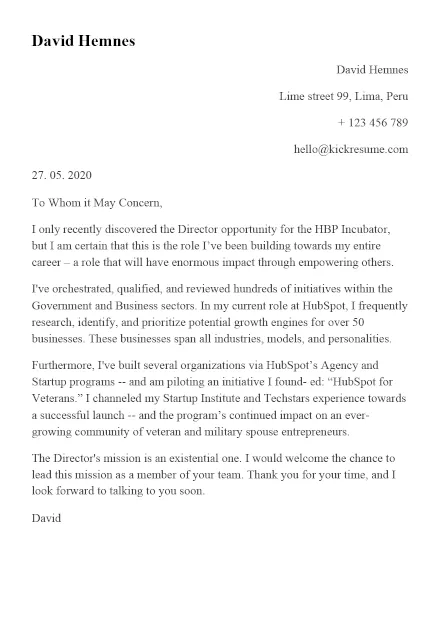
When applying for a job, your cover letter is a crucial part of your application package, serving as your first introduction to a potential employer. One of the most common questions job seekers have is about the ideal length of a cover letter. The answer is not a precise word count, but rather a focus on conciseness and clarity. A well-written cover letter should be long enough to highlight your relevant skills and experiences but brief enough to keep the reader engaged. Aim for a single page; ideally, your cover letter should fit comfortably on one page. This usually translates to around 250 to 400 words, depending on the font size, margins, and spacing. Deviating from this standard can sometimes be acceptable, but it is essential to make every word count.
The Importance of Cover Letter Word Count
The word count of your cover letter is significant because it reflects your ability to communicate effectively. Hiring managers are busy individuals, and they often have to review numerous applications. A cover letter that is too long can overwhelm them, causing them to lose interest. Conversely, a cover letter that is too short may fail to provide enough detail about your qualifications, leaving the hiring manager with unanswered questions. A well-crafted cover letter strikes a balance between brevity and detail, providing enough information to capture the reader’s attention while still being easy to scan and comprehend. The ideal word count ensures you can effectively present your key strengths and experiences.
Word Count Impact on Hiring Managers

Hiring managers often use the cover letter as a screening tool. A cover letter that is too long suggests that the applicant may lack the ability to be concise, or that they are not focused on the specific needs of the job. It might also suggest a lack of respect for the hiring manager’s time. A cover letter that is too short, on the other hand, may not provide sufficient information to demonstrate that you are a good fit for the position. It could suggest a lack of attention to detail or a lack of interest in the role. Therefore, the word count is an indirect indicator of your communication skills, your respect for the hiring manager, and your overall suitability for the job. Ensure your cover letter meets the word count criteria by writing a cover letter that is concise.
Elements to Include in a Cover Letter
Regardless of the length of your cover letter, certain elements are essential. You should begin with a professional greeting, such as “Dear [Hiring Manager Name]” or “Dear [Company Name] Hiring Team.” The opening paragraph should state the position you are applying for and briefly explain why you are interested in the role and the company. The body of the cover letter is where you highlight your relevant skills and experiences, using specific examples to demonstrate how you meet the job requirements. Quantify your achievements whenever possible. The closing paragraph should reiterate your interest in the position, thank the hiring manager for their time, and include a call to action, such as inviting them to contact you for an interview. Keep these sections concise and relevant to the job description to keep the word count manageable.
Cover Letter Length by Experience Level
The ideal length of a cover letter can also vary depending on your experience level. Entry-level candidates may be able to keep their cover letters slightly shorter, focusing on their education, internships, and any relevant projects or coursework. Mid-career professionals, on the other hand, may have more experience to showcase, but they should still aim to be concise, highlighting the most relevant achievements and skills. Executives often have extensive experience, but their cover letters should be tailored to the specific job and company, emphasizing their leadership skills and strategic accomplishments. Regardless of your level, it is vital to tailor your letter for the specific job you are applying for and the company’s culture.
Cover Letter Length for Entry-Level Candidates

Entry-level candidates, often with limited work experience, should concentrate on their education, skills, and any internships or projects that demonstrate their abilities. The cover letter should emphasize transferable skills gained from academic or extracurricular activities. Keep the letter concise, around 250-300 words, and focus on making a strong first impression. Highlight your enthusiasm for the position and company. Be sure to tailor the letter to the specific requirements of the job, showcasing how your skills and experiences align with the role. Avoid rambling; instead, focus on the most relevant aspects of your background.
Cover Letter Length for Mid-Career Professionals
Mid-career professionals usually have a more extensive work history, so they must be strategic about what they include in their cover letter. The goal is to highlight the most relevant experiences and skills that directly relate to the job requirements. Aim for a length between 300-400 words. Summarize your accomplishments with quantifiable results, and focus on your career progression and leadership capabilities. Tailor your letter to show how you have solved problems or made a significant impact in past roles. Showcasing a few key achievements will be more effective than listing everything you have done. Ensure each sentence provides value and contributes to making your case to the hiring manager.
Cover Letter Length for Executives
For executive-level positions, the cover letter serves as a powerful tool to showcase your strategic thinking, leadership skills, and significant accomplishments. Given the complexity of such roles, the cover letter can be slightly longer, around 350-450 words, but still must remain focused and concise. The letter should highlight your ability to drive results, make strategic decisions, and lead teams effectively. Provide concrete examples of your successes, quantifying the impact you have made in previous positions. Tailor the letter to align with the company’s specific needs and values, demonstrating how your experience will benefit the organization. Focus on your ability to provide leadership and drive company growth.
Tips for Keeping Your Cover Letter Concise

To keep your cover letter within the ideal word count, follow these tips. Start by reviewing the job description and identifying the most important requirements. Focus on these key points when writing your letter, and eliminate any irrelevant details. Use strong verbs and concise language to get your message across quickly. Avoid jargon and overly complex sentences. Be direct and to the point, making sure every sentence serves a purpose. Use bullet points or numbered lists to make important information easy to scan, especially when showcasing skills or achievements. Ensure your cover letter flows well and is easy for the reader to understand. Finally, always tailor your cover letter to the specific job and company, demonstrating your genuine interest and suitability.
Proofreading and Editing Your Cover Letter
Before submitting your cover letter, proofreading and editing are essential steps. Check for grammatical errors, spelling mistakes, and typos. Ensure your sentences are clear, concise, and well-structured. Read your cover letter out loud to identify any awkward phrasing or areas where the flow could be improved. Consider asking a friend or career advisor to review your cover letter for feedback. They can provide an outside perspective and help you identify any areas that need improvement. Proofreading and editing will not only improve the quality of your writing but also demonstrate your attention to detail and professionalism, which are important for landing a job. These final steps will help you craft a winning cover letter.