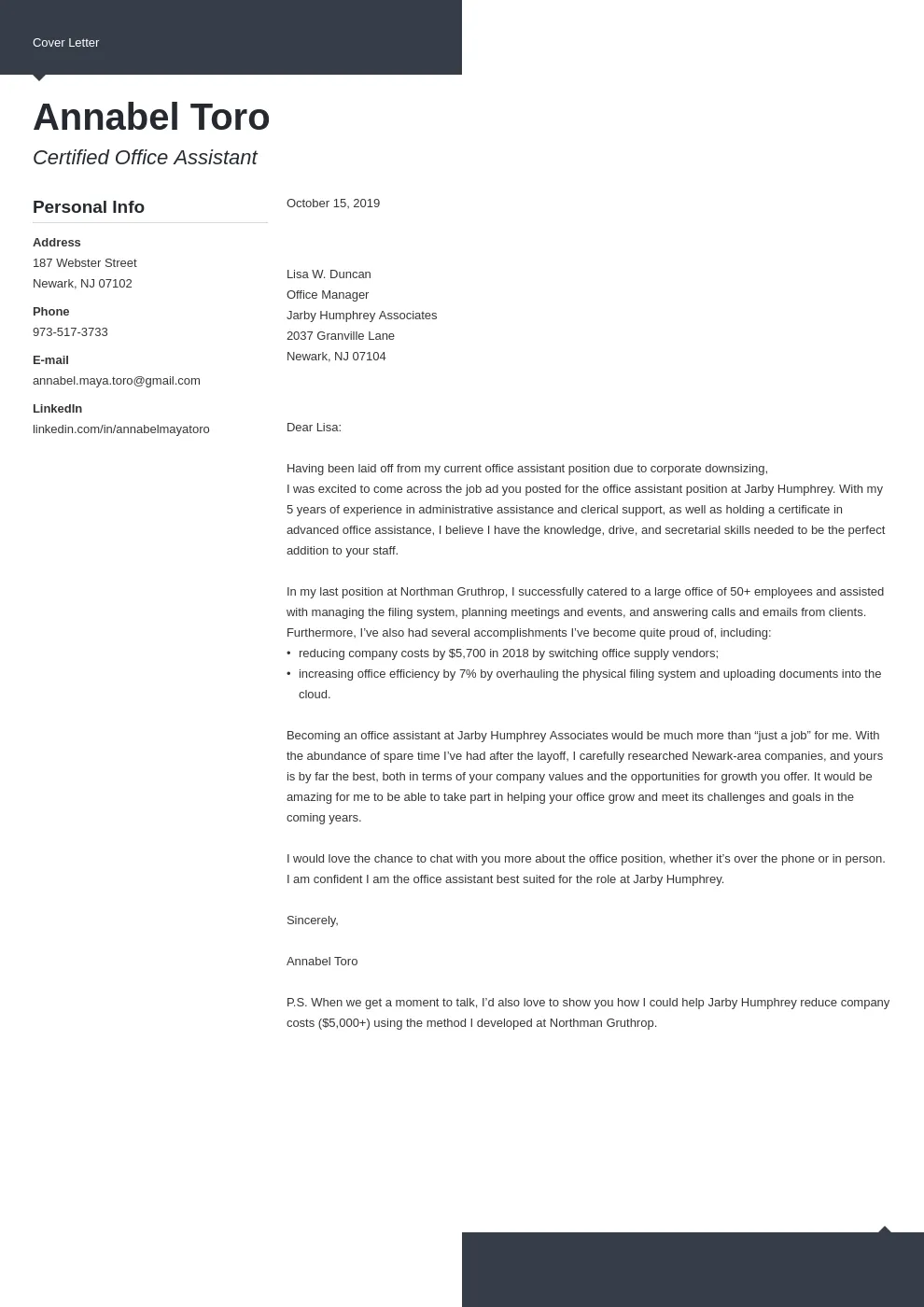
Cover Letter Essentials What You Need
In today’s competitive job market, a well-crafted cover letter is more crucial than ever. It’s your first impression, your chance to grab a hiring manager’s attention and demonstrate why you’re the perfect fit for the role. This guide provides actionable steps to help you create a cover letter that not only gets read but also lands you an interview. We’ll cover everything from the essential elements to common pitfalls, ensuring your application stands out from the crowd. Prepare to transform your job application and increase your chances of securing your dream job. This is not just about writing a letter; it is about crafting your personal brand.
Understanding the Purpose of a Cover Letter
A cover letter serves a specific, vital purpose in your job application. It’s not merely a repetition of your resume; instead, it’s your opportunity to provide context, personality, and a narrative that connects your skills and experience to the specific job requirements. The primary function is to introduce yourself, express your interest in the position, and highlight why you are the best candidate. It demonstrates your understanding of the company and the role, showcasing your enthusiasm and genuine interest. The cover letter acts as a bridge, connecting your past experiences to the future potential within the company.
Key Elements to Include in Your Cover Letter

A successful cover letter includes several key elements. These elements work in concert to provide a comprehensive overview of your qualifications and interest. They are also crucial for making a positive first impression and persuading the reader to learn more about you. By strategically incorporating these elements, you increase your chances of standing out from the competition. Ensure you have these core components, allowing you to present yourself in the best possible light and align with the hiring manager’s requirements. Remember to adapt and adjust these according to each job application.
Contact Information and Date
Start with your contact information in the upper left corner, including your name, address, phone number, and email address. The date should be placed below your contact information. This is a basic but essential element, helping employers quickly reach you. Always use a professional email address. Ensure your information is current and accurate to avoid any communication issues. This section may seem simple, but it’s a critical foundation.
The Salutation How to Greet the Hiring Manager
The salutation sets the tone of your letter. Aim to address the hiring manager by name. Research the hiring manager’s name beforehand. If you can’t find a specific name, use a professional alternative, such as “Dear Hiring Manager.” Avoid generic greetings like “To Whom It May Concern,” which show a lack of effort. Personalizing the salutation immediately captures attention and demonstrates your attention to detail. A thoughtful and well-researched salutation demonstrates your commitment to the role.
Crafting a Compelling Opening Paragraph

The opening paragraph is your hook. Immediately state the position you’re applying for and how you found the job. Then, include a strong statement that captures your enthusiasm and highlights a key skill or experience. Make sure your opening is concise and engaging. It should motivate the reader to continue. A strong opening sets the stage for the rest of your cover letter and makes the reader want to learn more about you. This is where you make your first impression, so make it count.
Highlighting Your Skills and Experience
The main body of your cover letter is where you connect your skills and experience to the job requirements. Select 2–3 key skills or experiences most relevant to the role. Provide specific examples of how you’ve used these skills in the past, quantifying your achievements whenever possible. Use the job description as your guide, aligning your qualifications with the company’s needs. Demonstrate your value and suitability for the position. This is the section where you sell yourself and showcase your ability to meet their needs.
Demonstrating Your Value to the Company
Show how you can benefit the company. Express your understanding of the company’s mission, values, and goals. Mention how your skills and experience will help the company achieve its objectives. Demonstrating your knowledge of the company demonstrates your serious interest and commitment. Explain how your contributions will add value, showing you’re not just looking for a job but ready to contribute. Show your desire to be a part of their success.
Showcasing Relevant Accomplishments

Back up your claims with specific examples. Use the STAR method (Situation, Task, Action, Result) to detail your accomplishments. Describe the situation, the task, the actions you took, and the positive results. Quantify your results with numbers, percentages, or other metrics. Illustrating your abilities with real-life examples makes your claims more credible and compelling. Highlighting accomplishments that align with the job requirements will significantly improve your chances of getting an interview.
Tailoring Your Cover Letter to the Job
Never use a generic cover letter. Each cover letter must be customized to the specific job. Review the job description carefully and identify the key requirements. Use the language and keywords from the job description in your cover letter. Tailor your skills and experience to match what the company is looking for. Personalizing your cover letter shows you understand the role and have taken the time to adapt your application. This greatly increases the likelihood of getting an interview.
Researching the Company and the Role
Before you start writing, research the company. Visit their website, read their mission statement, and learn about their recent projects. Understand the role and its responsibilities. This knowledge informs your cover letter and demonstrates your genuine interest. Mentioning specific company values or goals in your letter shows you have done your homework and are truly interested in the company. Demonstrate a deep understanding to show you’re serious about the opportunity.
Using Keywords from the Job Description

Carefully analyze the job description for keywords and phrases. Incorporate these keywords naturally into your cover letter. This helps your application get past applicant tracking systems (ATS) and signals to the hiring manager that you’re a good fit. But avoid keyword stuffing; your writing should still flow naturally. Strategic keyword usage ensures your application aligns with the job requirements, increasing your chances of being noticed. The goal is to match what they are looking for.
Writing a Strong Closing Paragraph
Your closing paragraph should reiterate your interest and summarize your qualifications. Express your enthusiasm for the position. Include a call to action, such as stating your availability for an interview. Thank the hiring manager for their time and consideration. A strong closing paragraph leaves a positive, lasting impression. A confident, clear closing paragraph can greatly influence the hiring manager.
Expressing Enthusiasm and Next Steps
Reiterate your excitement for the opportunity and the company. State your availability for an interview and provide your contact information again. Mention you look forward to hearing from them soon. A clear call to action encourages the hiring manager to take the next step. This shows your confidence and eagerness. A well-defined next step ensures the hiring manager knows how to proceed.
Proofreading and Formatting Your Cover Letter

Proofreading and formatting are critical to your cover letter. Errors and poor formatting can detract from your message. Always proofread for typos, grammatical errors, and clarity. Ensure your formatting is professional and consistent. A polished, well-formatted cover letter demonstrates attention to detail and professionalism. Ensure you use a standard, easy-to-read font, such as Arial or Times New Roman, with a font size between 10 and 12 points. Check your work carefully.
Ensuring Clarity and Professionalism
Keep your writing clear, concise, and professional. Use strong verbs and active voice. Avoid jargon and overly complex language. Use a formal tone, appropriate for the job. Maintain a positive and confident tone throughout. A clear and professional cover letter conveys your qualifications effectively. Keep your tone professional and maintain focus throughout.
Common Mistakes to Avoid
Avoid common mistakes to ensure your cover letter is effective. These errors can lead to immediate rejection. By understanding and avoiding these pitfalls, you’ll present yourself more favorably to potential employers. Be diligent and proactive in avoiding these errors.
Overused Phrases and Clichés

Steer clear of overused phrases. Avoid generic statements that lack originality. Replace clichés with specific examples and genuine language. Your cover letter must stand out. Replace clichés with unique and well-written content. Make sure your letter does not sound like every other letter they read. Use unique and engaging language.
Typos and Grammatical Errors
Typos and grammatical errors are unacceptable. They reflect poorly on your attention to detail. Always proofread your cover letter multiple times. Ask someone else to review it as well. These errors can destroy your chances. Ensure your letter is polished and professional. Double-check everything before submitting.
Formatting Issues
Ensure your formatting is professional and consistent. Avoid unusual fonts or excessive formatting. Keep your layout clean and easy to read. Poor formatting can distract from your content. Maintain consistent formatting throughout. Ensure the visual presentation is clean and professional.
Cover Letter Examples to Follow
Review examples of successful cover letters for inspiration. Look for letters that align with your industry and the positions you are applying for. Analyze the structure, language, and tone. Adapt these examples to your specific situation. Use the best practices to write your letter. You can learn a lot from reading examples and adapt the format.