What is a Cover Letter and Why Does It Matter
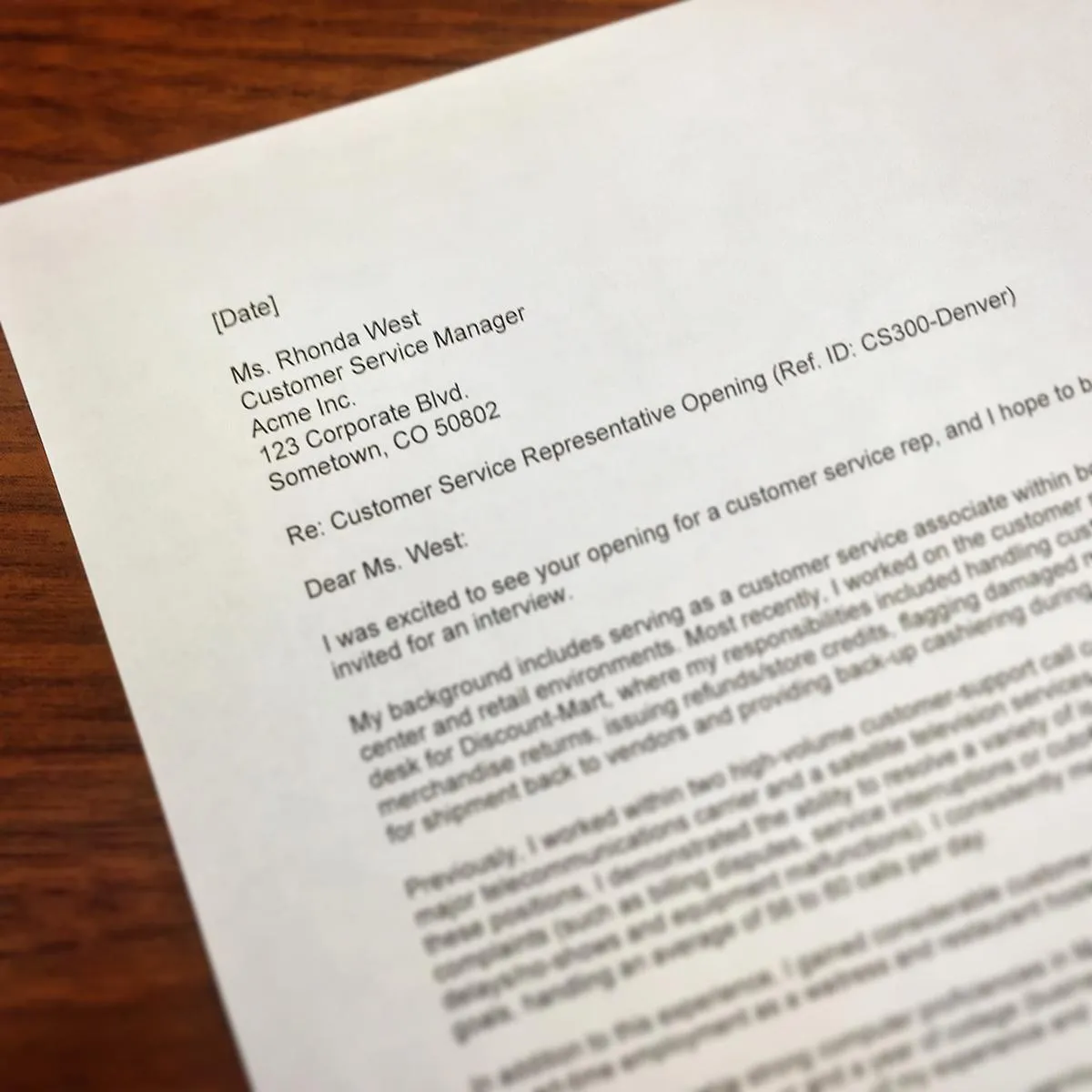
A cover letter is a crucial document that accompanies your resume when applying for a job. It serves as your introduction to a potential employer, offering a chance to showcase your personality, skills, and enthusiasm for the role. Unlike a resume, which provides a concise overview of your qualifications, a cover letter allows you to elaborate on your experiences, explain why you’re a perfect fit for the specific position, and demonstrate your genuine interest in the company. It’s an opportunity to make a lasting first impression and persuade the hiring manager to read your resume and consider you for an interview. A well-crafted cover letter can significantly increase your chances of landing an interview and ultimately securing your dream job. Failing to submit a cover letter when requested can be a missed opportunity, while a poorly written one can damage your chances.
The Purpose of a Cover Letter
The primary purpose of a cover letter is to connect your skills and experiences to the specific requirements of the job you’re applying for. It’s not just a rehash of your resume; instead, it provides context and depth. The cover letter allows you to explain why you are interested in this specific role, how your previous experiences have prepared you, and what value you can bring to the company. It offers a platform to highlight your soft skills, such as communication, teamwork, and problem-solving abilities, which are often difficult to convey in a resume. By addressing the employer’s needs and demonstrating your understanding of the company’s goals, you increase the likelihood of making a positive impression. Think of it as a personalized sales pitch, selling not a product but yourself.
Why Cover Letters are Important

Cover letters are still a critical part of the job application process, even in the digital age. They provide an opportunity to show that you have taken the time to learn about the company and the role. Employers often use cover letters to gauge your writing skills, attention to detail, and overall communication abilities. A well-written cover letter demonstrates your professionalism and commitment to the job. It also gives you the chance to address any gaps in your resume or explain unique circumstances that might not be readily apparent. Furthermore, a cover letter allows you to show your personality and passion for the job, helping you stand out from other applicants. It provides a direct line of communication, allowing you to speak directly to the hiring manager, setting the stage for a potential interview.
Tip 1: Tailor Your Cover Letter
One of the biggest mistakes people make is sending a generic cover letter to every job. Tailoring your cover letter is essential to demonstrate your genuine interest and make a strong impression. It shows that you’ve done your homework and understand the specific needs of the role and the company. Begin by carefully reading the job description and identifying the key skills and qualifications the employer is seeking. Then, customize your cover letter to highlight how your experience and skills align with these requirements. Use specific examples from your previous roles to illustrate your accomplishments and demonstrate how you can contribute to the company’s success. The more you personalize your letter, the more likely you are to capture the hiring manager’s attention and secure an interview.
Researching the Company
Before writing your cover letter, research the company thoroughly. Visit their website, read their mission statement, and explore their social media presence. Understanding the company’s values, culture, and recent achievements will help you tailor your letter to resonate with the hiring manager. Mention specific projects, initiatives, or values that align with your own interests and experiences. This demonstrates your genuine interest and shows that you’ve taken the time to learn about the organization. You can also find keywords and phrases used by the company that can be incorporated into your cover letter. Furthermore, understanding the company’s current challenges or goals can help you position yourself as a valuable asset who can contribute to their success. This preparation is what will set you apart from the competition.
Highlighting Relevant Skills

When tailoring your cover letter, focus on the skills and experiences most relevant to the job requirements. Review the job description carefully and identify the key skills the employer is looking for. Use specific examples from your past roles to illustrate how you’ve utilized these skills. Instead of simply listing your skills, provide brief anecdotes or success stories that demonstrate your abilities. For instance, if the job description mentions project management skills, describe a specific project you managed, the challenges you overcame, and the positive outcomes you achieved. Quantify your accomplishments whenever possible, using numbers to showcase your impact. This approach not only highlights your skills but also provides concrete evidence of your capabilities, making your cover letter more compelling and memorable. Make the reader see the value you bring.
Tip 2: Structure and Formatting
The structure and formatting of your cover letter are crucial for making a positive first impression. A well-organized cover letter is easier to read and allows the hiring manager to quickly grasp your key qualifications and interests. Ensure that your cover letter is visually appealing and easy to navigate. Use clear headings, concise paragraphs, and bullet points to break up the text and highlight important information. Avoid lengthy blocks of text that can overwhelm the reader. Proper formatting not only enhances readability but also demonstrates your attention to detail and professionalism. By following a standard format and paying attention to the layout, you can create a cover letter that effectively showcases your skills and increases your chances of landing an interview.
Header and Contact Information
Your cover letter should begin with a professional header that includes your contact information. This typically includes your full name, phone number, email address, and LinkedIn profile URL (if you have one). Place this information at the top of the letter, aligned to the left or right, or centered. Below your contact information, include the date and the hiring manager’s name and title, if known. If you cannot find the name of the hiring manager, use a general salutation such as “Dear Hiring Manager.” Ensure that your contact information is accurate and up-to-date, as this is how the employer will reach you. The header sets the tone for the rest of your letter and provides essential information for the hiring manager. The header is the first point of contact – make it easy for them to connect with you.
Opening Paragraph: Grab Attention

The opening paragraph of your cover letter is your opportunity to grab the hiring manager’s attention. Start with a strong, concise statement that immediately highlights your interest in the role and the company. Avoid generic opening lines like “I am writing to apply for the position of…” Instead, personalize your opening. Mention where you saw the job posting, express your enthusiasm for the company, or briefly state how your skills align with the job requirements. Consider using a compelling statement that summarizes your key qualifications or highlights a relevant achievement. Your goal is to capture the reader’s interest from the very beginning and make them want to learn more. The best openings offer something the employer will find valuable. Start with a hook!
Body Paragraphs: Showcase Your Value
The body paragraphs of your cover letter are where you showcase your value to the employer. Use this space to provide specific examples of how your skills and experiences align with the job requirements. Focus on highlighting your accomplishments and quantifying your results whenever possible. Explain how you have used your skills to solve problems, achieve goals, or contribute to the success of a previous employer. Structure your body paragraphs logically, using the STAR method (Situation, Task, Action, Result) to provide context and showcase your abilities. Tailor your content to the specific needs of the job and demonstrate how you can contribute to the company’s success. This is where you sell yourself and demonstrate why you are the best candidate for the role. Make each paragraph count.
Closing Paragraph: Call to Action
The closing paragraph of your cover letter should reiterate your interest in the position and include a clear call to action. Thank the hiring manager for their time and consideration, and express your eagerness to discuss your qualifications further. Reiterate your enthusiasm for the opportunity and indicate your availability for an interview. Include a polite yet assertive statement, such as “I am eager to learn more about this opportunity and discuss how my skills and experience can benefit your team. Thank you for your time, and I look forward to hearing from you soon.” End your cover letter with a professional closing, such as “Sincerely,” or “Best regards,” followed by your full name. A strong closing paragraph leaves a lasting positive impression and encourages the employer to take the next step.
Tip 3: Content and Tone

The content and tone of your cover letter should be professional, concise, and engaging. Your cover letter should reflect your personality and enthusiasm for the role. Maintain a professional tone throughout the letter, avoiding slang, jargon, and overly casual language. Use clear and concise language to communicate your key qualifications and experiences effectively. Focus on highlighting your achievements and quantifying your results whenever possible. Use action verbs to describe your accomplishments and showcase your skills. The tone should match the company’s culture, so do a little research. Your goal is to create a positive first impression and demonstrate your ability to communicate effectively. Choose words carefully. Less is more.
Professional Language and Tone
Maintain a professional tone and language throughout your cover letter. Avoid using casual language, slang, or overly familiar expressions. Use formal business language and address the hiring manager appropriately. Ensure that your writing is clear, concise, and easy to understand. Proofread your cover letter carefully to eliminate any grammatical errors or typos. Use action verbs to start your sentences and describe your accomplishments. For instance, instead of saying “I was responsible for,” use “Managed,” “Developed,” or “Implemented.” The language you use reflects your professionalism and attention to detail, so make sure it is polished. The goal is to represent yourself as someone who can communicate effectively in a professional setting.
Highlighting Achievements and Quantifiable Results
Showcase your achievements and quantify your results to make your cover letter more compelling. Instead of simply listing your responsibilities, provide specific examples of your accomplishments and the positive outcomes you achieved. Use numbers and data to demonstrate your impact whenever possible. For instance, if you improved sales, state the percentage increase. If you streamlined a process, mention the time saved or the cost reduction achieved. Quantifiable results provide concrete evidence of your skills and capabilities, making your cover letter more persuasive. Use metrics to illustrate your contributions and demonstrate your value to the employer. This level of detail will make your cover letter stand out and make a strong case for your candidacy.
Avoiding Common Mistakes

Avoid common mistakes that can undermine your cover letter and decrease your chances of getting an interview. One common mistake is using a generic cover letter that is not tailored to the specific job or company. Another is including excessive information or rehashing your entire resume. Ensure that you avoid grammatical errors, typos, and spelling mistakes by proofreading your letter carefully. Be sure to use clear and concise language, avoiding jargon or overly complex sentences. Lastly, avoid negative language or expressing complaints about past employers. Focus on your strengths and accomplishments, and maintain a positive and enthusiastic tone throughout your cover letter. Proofreading and avoiding these common pitfalls will significantly increase the effectiveness of your application.
Tip 4: Proofreading and Editing
Proofreading and editing your cover letter is essential to ensure that it is free of errors and presents you in the best possible light. Even minor mistakes can damage your credibility and make you appear unprofessional. Carefully review your cover letter for grammar, spelling, punctuation, and formatting errors. It’s helpful to take a break before you proofread, and also ask a friend or family member to read it over. Use grammar checking tools, but don’t rely on them alone. Ensure that your writing is clear, concise, and easy to understand. Check for consistency in your formatting and tone. Paying close attention to detail will demonstrate your professionalism and increase your chances of making a positive impression on the hiring manager. This is an important step, and it is worth the time.
Checking for Grammar and Spelling Errors
Thoroughly check your cover letter for grammar and spelling errors. These errors can be distracting and undermine your credibility, so make sure they are absent from your document. Carefully read through your cover letter multiple times, looking for any mistakes. Use a grammar checker and spell checker, but be aware that these tools are not foolproof and may miss certain errors. Pay close attention to punctuation, capitalization, and sentence structure. Double-check any names, titles, or company information to ensure accuracy. Reading your cover letter aloud can help you catch errors that you might miss when reading silently. Take the time to proofread and edit your cover letter carefully before submitting it to increase your chances of a positive first impression.
Ensuring Clarity and Conciseness

Ensure clarity and conciseness in your cover letter to make it easy for the hiring manager to understand your qualifications and interests. Avoid using jargon, overly complex language, or long, convoluted sentences. Keep your paragraphs short and focused, with each paragraph addressing a specific point. Use clear and straightforward language to communicate your key qualifications and experiences. Proofread your cover letter carefully to ensure that your writing is concise and to eliminate any unnecessary words or phrases. Remove redundancies and streamline your sentences to convey your message effectively. Being clear and concise demonstrates your ability to communicate effectively and makes your cover letter more impactful. This is essential to keeping the reader engaged.
Tip 5: Formatting Your Cover Letter
The formatting of your cover letter plays a critical role in its readability and overall presentation. Proper formatting makes your cover letter visually appealing and easy for the hiring manager to scan. Choose a professional and easy-to-read font, such as Times New Roman, Arial, or Calibri, with a font size of 11 or 12 points. Use consistent formatting throughout the letter, including your header, salutation, body paragraphs, and closing. Pay attention to spacing, ensuring that there is adequate space between paragraphs and sections. Proper formatting enhances readability and showcases your attention to detail. Make a good first impression. The more professional your presentation, the better.
Font and Font Size
Choose a professional and easy-to-read font and font size for your cover letter. Opt for standard fonts such as Times New Roman, Arial, or Calibri. These fonts are widely recognized and are considered professional. Select a font size between 11 and 12 points to ensure that your text is easy to read without being too small or too large. Make sure that the font and font size you choose is consistent throughout your cover letter. Avoid using decorative or overly stylized fonts, as they can distract from the content of your letter. Proper font selection and size enhances the readability of your cover letter and make a positive impression.
Margins and Spacing

Pay close attention to margins and spacing when formatting your cover letter. Set your margins to one inch on all sides. This creates a balanced and visually appealing layout. Use single-spacing within paragraphs and double-spacing between paragraphs. This improves readability and makes it easier for the hiring manager to scan your cover letter. Be consistent with your spacing throughout the document. Avoid using large blocks of text, and break up your paragraphs to make your cover letter more digestible. Proper use of margins and spacing enhances the overall presentation of your cover letter and demonstrates your attention to detail.