What is a Cover Letter and Why Is It Important
A cover letter is a crucial document that accompanies your resume when you apply for a job. It serves as an introduction, allowing you to highlight your key skills, experience, and qualifications in a more personalized way than a resume. It provides an opportunity to showcase your enthusiasm for the role and the company, setting the stage for a positive first impression. Think of your cover letter as your chance to tell a story, to explain why you’re the perfect fit for the job, and to entice the hiring manager to learn more about you.
Purpose of a Cover Letter
The primary purpose of a cover letter is to persuade the hiring manager to read your resume and consider you for the position. It complements your resume by providing context and detail. It bridges the gap between your qualifications and the job requirements, demonstrating how your skills align with the company’s needs. A well-crafted cover letter can differentiate you from other candidates, especially in competitive job markets, and increase your chances of getting an interview. It’s your chance to make a compelling first impression and demonstrate your communication skills.
Key Components of a Cover Letter

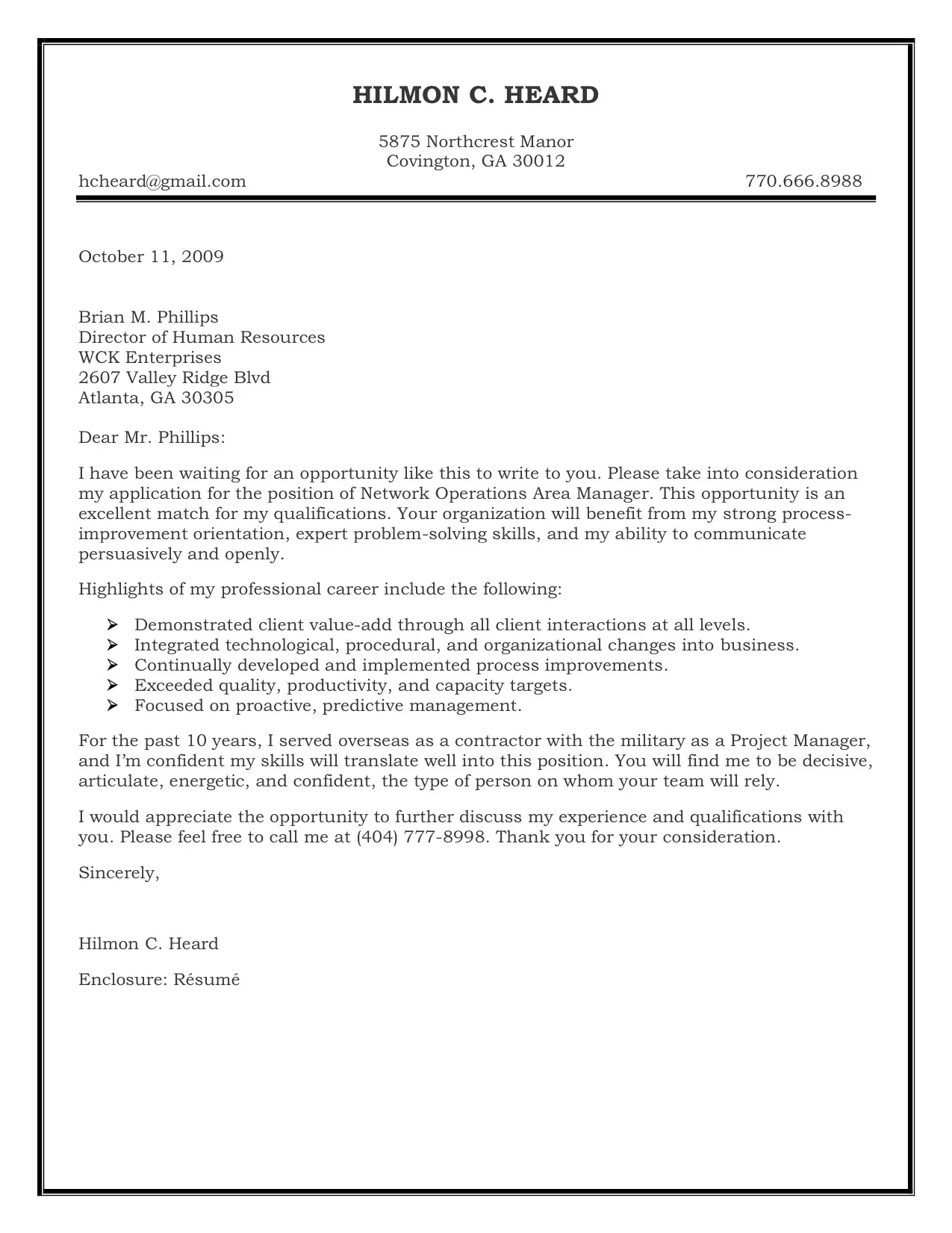
A cover letter typically includes a header with your contact information and the date, a salutation (e.g., Dear Mr./Ms. Last Name), an introductory paragraph that states the position you’re applying for and your source of finding the job, a body paragraph (or multiple paragraphs) that highlights your relevant skills and experiences, and a closing paragraph that expresses your interest and includes a call to action. Ensure each section is clear and concise, showcasing your personality and demonstrating your understanding of the job requirements and the company’s values. Each element works to build a cohesive and persuasive narrative.
How to Write a Cover Letter [Top 5 Tips]
Tip 1 Research the Company and Role
Before writing your cover letter, thoroughly research the company and the specific role you’re applying for. Understanding the company’s mission, values, and recent projects will enable you to tailor your letter to their needs. Visit their website, read news articles about them, and check their social media presence. This research allows you to showcase your genuine interest and demonstrate that you’re not just sending out generic applications. Tailor your letter to address specific requirements and show how your skills align with the company’s goals.
Tailoring the Letter

Each cover letter should be customized for the job you’re applying for. Avoid the trap of using the same letter for every application. Take the time to understand the job description and identify the key skills and experiences that the employer is looking for. Then, adjust your cover letter to emphasize those aspects of your background. The more tailored your letter is, the more likely you are to capture the hiring manager’s attention.
Demonstrating Understanding
Show that you understand the role and the company’s objectives by referencing specific projects, initiatives, or values. This demonstrates that you have taken the time to learn about the organization and are genuinely interested in the opportunity. For instance, if the company emphasizes innovation, highlight your experience with creative problem-solving. If they focus on teamwork, provide examples of successful collaborations. This level of detail shows that you’re not just applying for any job; you want this job.
Tip 2 Highlight Relevant Skills and Experience
Your cover letter is your chance to showcase your relevant skills and experience. Don’t simply repeat your resume; instead, elaborate on your accomplishments and explain how they align with the job requirements. Focus on the skills and experiences that directly match the job description. Use specific examples to illustrate your capabilities and demonstrate your value to the company. This helps the hiring manager quickly see how you can contribute to their team and achieve their goals. Think about what makes you stand out and what you’ve done that aligns with what the company needs.
Quantifying Achievements

Whenever possible, quantify your achievements with numbers and data. Instead of saying you “improved customer satisfaction,” say you “increased customer satisfaction by 15%.” Quantifiable results provide concrete evidence of your skills and make your accomplishments more compelling. For example, if you increased sales, mention the percentage or the dollar amount. If you streamlined a process, specify the time or cost savings. Such data shows that you are results-oriented and can make a tangible impact.
Using Action Verbs
Start your sentences with strong action verbs to describe your accomplishments and responsibilities. Action verbs make your cover letter more dynamic and engaging. Examples of effective action verbs include “managed,” “led,” “developed,” “implemented,” “achieved,” “created,” and “improved.” For instance, instead of writing “responsible for project management,” use “managed projects from inception to completion, delivering results on time and within budget.” Such language draws the reader in and makes you sound more confident and proactive.
Tip 3 Structure Your Letter Effectively
A well-structured cover letter is easy to read and highlights the most important information. Use clear headings, concise paragraphs, and a professional tone. Organize your letter logically, beginning with an engaging introduction and ending with a strong call to action. The layout should be clean and uncluttered, making it simple for the hiring manager to quickly grasp the key points. Good formatting guides the reader through your letter and reinforces your message.
Header and Salutation

Start your cover letter with a professional header, including your contact information and the date. Then, address the hiring manager by name, if possible. Research the name of the hiring manager on LinkedIn or the company website. If you can’t find a name, use a professional salutation like “Dear Hiring Manager” or “Dear [Department Name] Team.” Avoid generic greetings such as “To Whom It May Concern,” as they make your letter seem less personalized.
Body Paragraphs
The body of your cover letter should be well-organized and concise. Begin with a brief introduction stating the position you’re applying for and how you found the job. In the following paragraphs, highlight your relevant skills and experience, providing specific examples to support your claims. Use a few well-structured paragraphs to showcase your qualifications and how they align with the job requirements. Keep paragraphs short and to the point, making them easy to scan.
Closing and Call to Action
End your cover letter with a strong closing paragraph that reiterates your interest in the position and the company. Express your enthusiasm for the opportunity and thank the hiring manager for their time and consideration. Include a clear call to action, such as “I am eager to discuss how my skills and experience can benefit your team. I welcome the opportunity to interview at your earliest convenience.” This encourages the hiring manager to take the next step and contact you.
Tip 4 Proofread and Edit

Before submitting your cover letter, carefully proofread and edit it for any errors. Typos, grammatical errors, and inconsistencies can undermine your credibility and create a negative impression. Take the time to review your letter multiple times and consider having someone else review it as well. A polished cover letter demonstrates your attention to detail and commitment to quality. Thorough proofreading is a key step in ensuring your application makes a positive impact.
Checking Grammar and Spelling
Carefully check your cover letter for grammatical errors and spelling mistakes. Use a grammar checker and spell-checker to identify potential issues. However, these tools are not always perfect, so review the letter yourself as well. Incorrect grammar and spelling errors can make you look unprofessional and diminish the impact of your message. Always double-check all names, titles, and company details for accuracy.
Ensuring Clarity and Conciseness
Make sure your cover letter is clear, concise, and easy to understand. Avoid using jargon or overly complex sentences. Get straight to the point and focus on the most important information. Long, rambling paragraphs can lose the reader’s attention. Keep your letter brief, typically no more than one page. The goal is to provide a compelling overview of your qualifications, not to provide a complete autobiography.
Tip 5 Format Your Cover Letter Professionally

The format of your cover letter contributes to its overall professionalism and readability. Use a standard font, appropriate margins, and consistent spacing. Make sure your cover letter is visually appealing and easy to read. A well-formatted letter shows that you pay attention to detail and are organized. The format should complement your content, helping to highlight your key strengths and skills.
Font and Readability
Choose a professional and readable font such as Times New Roman, Arial, or Calibri. Use a font size between 10 and 12 points. Avoid using fancy or overly decorative fonts, as they can be difficult to read. Make sure the font is consistent throughout the document, and that the text is clear and easy on the eyes. Good readability helps the hiring manager quickly grasp your key points.
Margins and Spacing
Use standard margins of 1 inch on all sides of your cover letter. Use single- or 1.15-line spacing within paragraphs and double-spacing between paragraphs. This ensures that your letter is easy to read and doesn’t appear cramped. Proper spacing helps the hiring manager easily scan the document and focus on your key qualifications.
Cover Letter Mistakes to Avoid
Be aware of common cover letter mistakes to avoid. These mistakes can detract from your application and reduce your chances of getting an interview. Paying attention to these areas can significantly improve your cover letter’s effectiveness. Review your letter to ensure that it is error-free and compelling before submitting your application.
Generic Cover Letters
Avoid sending a generic cover letter that could apply to any job. Customize each cover letter to the specific role and company. Generic letters show a lack of interest and can signal to the hiring manager that you are not seriously interested in their opportunity. Always tailor your letter to address the job requirements and company’s needs to demonstrate your genuine interest.
Typos and Grammatical Errors
Typos and grammatical errors can damage your credibility and give the impression that you lack attention to detail. Always proofread your cover letter carefully and use a grammar checker and spell-checker. Consider having someone else review your letter as well. A clean and error-free cover letter shows that you are professional and dedicated to quality.
Too Long or Too Short
Keep your cover letter concise and to the point, typically no more than one page. A cover letter that is too long may lose the reader’s attention, while a letter that is too short may not provide enough information. Aim for a balance, providing enough detail to highlight your key qualifications without overwhelming the reader. A well-crafted cover letter should offer a strong, compelling overview of your qualifications.
Cover Letter Examples and Templates
Utilize cover letter examples and templates to help you craft your own cover letter. These resources provide a starting point and offer insights into effective cover letter structures and formats. Many websites and career resources offer templates you can adapt to your needs. Remember to customize the template to fit your specific skills, experience, and the job requirements. Adapting examples is a great way to get started and create a compelling and effective cover letter.