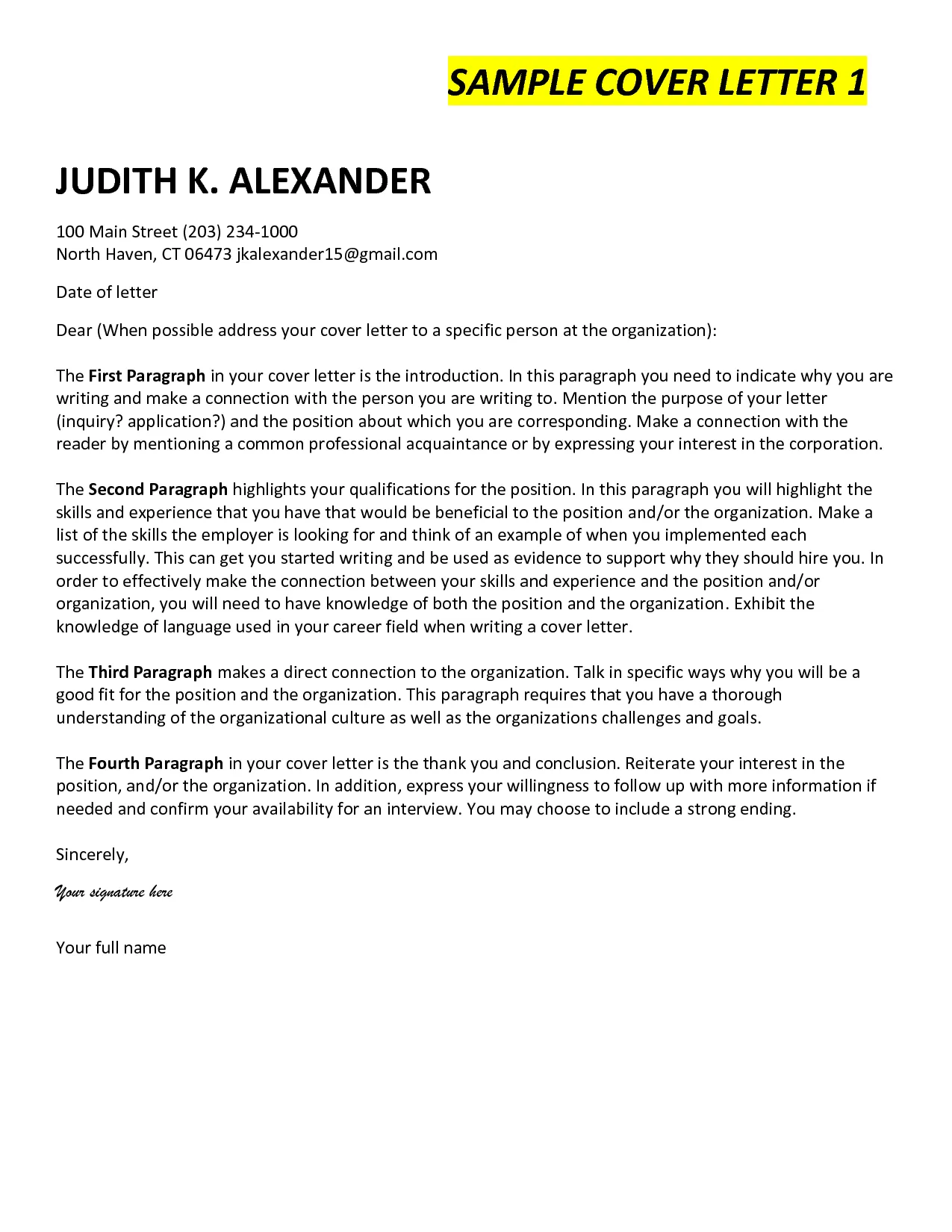
Understanding the Importance of a Cover Letter
In today’s competitive job market, a well-crafted cover letter is more than just a formality it’s your first opportunity to make a lasting impression. It allows you to go beyond the confines of your resume and showcase your personality, enthusiasm, and genuine interest in the position and the company. Many hiring managers consider a cover letter to be a crucial part of the application process. A strong cover letter can significantly increase your chances of landing an interview by providing context and highlighting the value you can bring to the table. It also allows you to demonstrate your communication skills, attention to detail, and understanding of the role, setting you apart from other applicants who might only rely on their resumes.
What is a Cover Letter?
A cover letter is a document you submit along with your resume when applying for a job. It serves as an introduction, allowing you to express your interest in the position and explain why you’re a suitable candidate. It provides an opportunity to highlight your skills, experiences, and qualifications in a way that’s tailored to the specific job and company. A cover letter should be concise, well-written, and customized to each application. Its purpose is to provide a compelling overview of your qualifications and persuade the hiring manager to read your resume and consider you for an interview.
Why Cover Letters Matter?

Cover letters matter because they are your chance to make a positive first impression. They demonstrate your communication skills and attention to detail, and show you are serious about the opportunity. It is your chance to tell a story about yourself that resonates with the employer. Resumes can sometimes be a bit dry but the cover letter gives you space to let your personality shine through. A well-written cover letter also helps you to tailor your application to the specific requirements of the job, increasing your chances of success. Furthermore, they give you a valuable chance to prove you researched the company and understand the challenges they face.
Key Components of an Effective Cover Letter
Contact Information and Date
Start with your contact information: your name, address, phone number, and email address. Include the date below your contact information. This is standard professional etiquette and ensures the hiring manager can easily reach you. Be sure your contact information is up-to-date and professional. Use a professional email address (e.g., firstname.lastname@email.com) and avoid anything that might seem unprofessional or juvenile. The date helps to identify when you sent your application, particularly useful if there are multiple applications or if the hiring process takes a while.
Greeting and Salutation

Address the hiring manager by name whenever possible. This shows you’ve taken the time to research the company and demonstrates your attention to detail. If you cannot find a specific name, use a general greeting such as ‘Dear Hiring Manager.’ Avoid generic greetings like ‘To Whom It May Concern,’ as they make your letter seem impersonal. The salutation sets the tone for the rest of your letter. It creates a connection and shows that you are proactive. Use a formal and respectful greeting that aligns with the company culture.
Opening Line Crafting the Perfect First Impression
Your opening line is your chance to grab the hiring manager’s attention immediately. Avoid generic openings and instead, express your enthusiasm for the role. Briefly state your interest in the position and the company. Highlight something specific that caught your attention, such as a company value, project, or recent achievement. The opening line is a hook; it should be compelling and get the reader interested in learning more about you. Tailor your opening to the specific job and use it to showcase your personality and show the hiring manager why you are the perfect fit for the role. Make a strong and engaging introduction, such as a relevant accomplishment, an anecdote, or your passion for the company’s mission.
Highlighting Relevant Skills and Experiences
Use the body of your cover letter to showcase your relevant skills and experiences. Connect your qualifications to the job requirements, demonstrating how you have the skills and experience to succeed in the role. Provide specific examples of your achievements. Use the STAR method (Situation, Task, Action, Result) to describe how you approached a particular challenge or task. Tailor this section to match the keywords and requirements mentioned in the job description. Be specific about what you did and the impact your actions had. Quantify your accomplishments whenever possible, using numbers to demonstrate the value you bring to the table.
Expressing Enthusiasm and Company Research

Showcase your enthusiasm for the company and the specific role. This demonstrates your genuine interest in the opportunity. Mention something specific that excites you about the company, such as their mission, values, or recent projects. Show that you’ve done your research by mentioning something you admire about the company’s culture or recent achievements. Expressing your enthusiasm and mentioning specific aspects of the company indicates that you’ve gone the extra mile. This shows the hiring manager that you’re not just looking for any job but are genuinely interested in being a part of their team. It also demonstrates your proactiveness and eagerness to learn and contribute.
Call to Action and Closing
End your cover letter with a strong call to action. Express your interest in an interview and provide your contact information. Thank the hiring manager for their time and consideration. Keep the closing brief and professional, using phrases such as ‘Sincerely,’ ‘Best regards,’ or ‘Thank you.’ Reiterate your enthusiasm for the role and the company. Make it easy for the hiring manager to take the next step by clearly stating your availability for an interview. Avoid passive language; instead, be proactive and express your eagerness to discuss your qualifications further. Always proofread your closing for any grammatical errors or typos.
Tips for Writing a Compelling Opening Line
Personalize Your Introduction

Avoid generic introductions and personalize your opening to resonate with the specific job and company. Mention something specific that has caught your eye, such as a recent company achievement or a value that aligns with your own. By personalizing your introduction, you demonstrate your genuine interest and your ability to connect with the company’s mission and culture. Make sure your opening line is tailored to the specific requirements of the job. It should show that you’ve taken the time to understand what the company is looking for and position yourself as the ideal candidate.
Showcase Your Enthusiasm
Express your enthusiasm for the role and the company. Start with a brief statement of your interest and excitement. Use strong verbs and positive language to convey your passion and motivation. Show your eagerness to contribute to the company’s success. Your enthusiasm is contagious. Highlighting your eagerness creates a connection with the hiring manager, as you’re demonstrating that you’re not just looking for any job but are truly invested in the opportunity. Expressing your excitement about the role will also make the hiring manager more likely to consider you for the position.
Focus on the Employer’s Needs
Make the focus of your opening about what you can do for the employer. Demonstrate how your skills, experiences, and qualifications align with the company’s needs and goals. Highlight any specific achievements or results that are relevant to the role. By focusing on the employer’s needs, you will make your application more relevant. Framing your opening in terms of how you can help the company achieve its goals will show the hiring manager that you understand the value you can bring. This approach ensures your cover letter is tailored, results-oriented, and more likely to capture the hiring manager’s attention.
Avoid Clichés and Generic Phrases

Avoid using clichés and generic phrases that can make your letter seem impersonal. These phrases often don’t add any value to your application. Replace them with specific details about your skills, experiences, and how you can contribute to the company’s success. Generic statements suggest a lack of effort. Using personalized information demonstrates your commitment and your ability to stand out from the crowd. Make your cover letter unique, and capture the reader’s attention right from the start.
Common Mistakes to Avoid
Generic Openings
Avoid using generic openings such as ‘To Whom It May Concern’ or ‘I am writing to express my interest.’ These openings lack personality and make your application seem impersonal. If you can’t find a specific name, try to find the name of the hiring manager on LinkedIn or the company website. If you can’t find a name, use a general greeting like ‘Dear Hiring Manager.’ Tailor your opening to the specific job requirements, making your application unique. A generic opening is a missed opportunity to grab the hiring manager’s attention right from the start.
Repeating Resume Information

Do not simply reiterate your resume information in your cover letter. Instead, elaborate on your experiences and skills, and show how they align with the job requirements. Use the cover letter as a space to demonstrate your personality, enthusiasm, and why you’re the best fit for the role. Focus on specific accomplishments and results that highlight your strengths. A cover letter should complement your resume, not repeat it. Use it to tell a story about yourself and explain why you are a good match for the company.
Typos and Grammatical Errors
Proofread your cover letter carefully to eliminate typos and grammatical errors. These errors can make your application seem unprofessional and can damage your credibility. Use a grammar checker, and have someone else read your cover letter to catch mistakes you might have missed. A cover letter full of typos and errors shows a lack of attention to detail. Proofreading is a crucial step to ensure your application looks professional and increases your chances of making a positive impression on the hiring manager. Typos and errors make you look unprofessional.
Formatting and Tone
Formatting for Readability

Use clear and easy-to-read formatting. Use a professional font such as Times New Roman, Arial, or Calibri, and keep the font size between 10 and 12 points. Ensure consistent spacing between paragraphs, and use bullet points or lists when necessary to highlight key information. Formatting impacts readability, making your cover letter easy to skim. Use a professional format to improve the overall appearance. By implementing simple formatting rules, you’ll improve the likelihood that the hiring manager will read your entire letter.
Maintaining a Professional Tone
Maintain a professional tone throughout your cover letter. Use formal language and avoid slang, colloquialisms, or informal expressions. Be respectful and polite in your language, and avoid being overly familiar. Your tone should reflect professionalism and respect for the company and the role. Your tone sets the stage for your professionalism and helps you to be taken seriously. Using professional language is one of the most essential elements for making the best impression on the hiring manager.
Reviewing and Editing
Proofreading Your Cover Letter
Proofreading your cover letter is essential. Check for typos, grammatical errors, and punctuation mistakes. Read your cover letter multiple times, and read it aloud to catch any awkward phrasing or sentences. A final proofread can catch errors that can make your application seem unprofessional and decrease your chances of getting an interview. Consider using online grammar checkers or spell-check tools to catch any mistakes. Proofreading allows you to make sure that your message is clear, and that you come across as the best candidate for the job.
Seeking Feedback
Ask a friend, mentor, or career counselor to review your cover letter. Get feedback on the content, clarity, and overall effectiveness of your application. Fresh eyes can catch any mistakes you may have missed and give you valuable insights on how to improve your letter. Feedback from another person will also provide a different perspective on your cover letter. Feedback will help you to refine your cover letter and help you to make the best impression on the hiring manager.