Understanding the Purpose of a Cover Letter
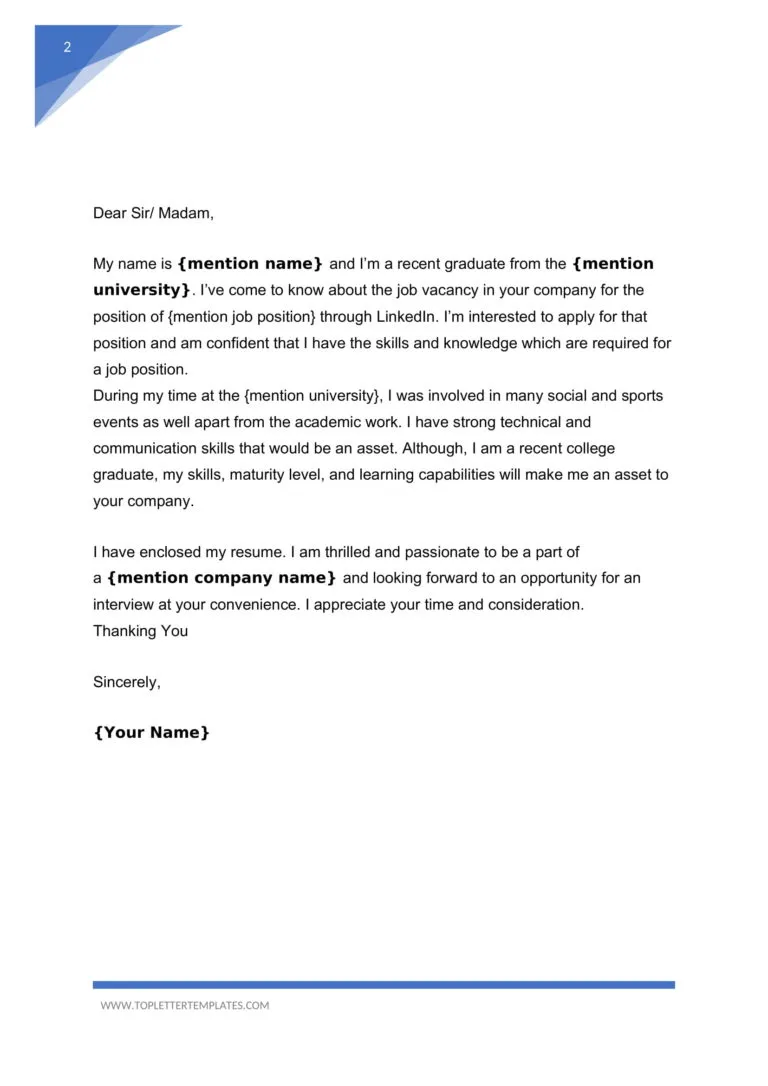
A cover letter is a crucial component of your job application, serving as your first introduction to a potential employer. It’s your chance to make a positive impression, showcase your personality, and demonstrate why you’re a good fit for the role, even if you lack direct experience. This document provides context to your resume, allowing you to elaborate on your skills, experiences, and aspirations in a way that a resume alone cannot. It’s an opportunity to communicate your enthusiasm, express your understanding of the company and the specific role, and highlight your key qualifications. Remember, a well-crafted cover letter significantly increases your chances of getting noticed by hiring managers and securing an interview. It’s more than just a formality; it’s a strategic tool for advancing your job search and making you stand out from other applicants.
Why a Cover Letter Matters When You Have No Experience
When you have no prior experience, a cover letter becomes even more critical. It is your primary platform to compensate for that lack of direct work history. You must use it to demonstrate your potential and convince the hiring manager of your capabilities. Without experience, you need to strongly articulate your transferable skills, highlight relevant projects, and show genuine enthusiasm for the opportunity. This document should explain why you’re interested in the role and company, revealing your knowledge, research, and understanding of the industry. It should also address any gaps and show how you plan to quickly learn and adapt. This is an avenue to sell yourself, demonstrate your value, and assure employers of your fit. The cover letter can tip the scales in your favor and get you in the door for an interview.
Highlighting Transferable Skills

Transferable skills are the key to landing a job when you have no direct experience. These skills are applicable across various roles and industries, making them a valuable asset for any job seeker. Begin by identifying the skills you have developed through education, volunteer work, extracurricular activities, or personal projects. These might include communication, teamwork, problem-solving, leadership, time management, organization, and critical thinking skills. Think about how you’ve used these skills in different contexts and how they relate to the job you are applying for. Provide specific examples to demonstrate your proficiency in each skill. For example, describe a time you used your communication skills to resolve a conflict, or how your organizational skills helped you complete a challenging project. Showcasing your transferable skills effectively will prove that you’re capable and ready to take on new responsibilities.
Identifying Your Skills
The first step is to assess your skills. Make a list of all your skills, focusing on those that are relevant to the job. Be honest with yourself and include everything, even seemingly minor skills. Review the job description carefully and identify the skills the employer is seeking. Match your skills to the requirements of the job. Think beyond the obvious; consider technical skills, soft skills, and any specialized knowledge you possess. Reflect on past experiences where you have used these skills. For example, if the job requires strong communication skills, think of times you have presented information, mediated disagreements, or written effective reports. Understanding what skills are necessary will allow you to align your cover letter with the job requirements.
Showcasing Skills in Action
Once you have identified your skills, it’s time to demonstrate them in action. Avoid simply listing your skills; instead, provide specific examples of how you have used them. Use the STAR method (Situation, Task, Action, Result) to structure your examples. Describe the situation or context, the task you were responsible for, the actions you took, and the results you achieved. For example, instead of saying “I have excellent communication skills,” you could say “In a group project, I effectively communicated with my team members, clearly explaining each task. As a result, we completed the project ahead of schedule.” This approach helps the hiring manager understand how you applied your skills and what you accomplished. Also, it shows the practical value you could bring to the role.
Crafting a Strong Opening Statement

The opening statement in your cover letter is your opportunity to make a memorable first impression. It should be concise, engaging, and immediately capture the hiring manager’s attention. Avoid generic phrases and instead, express your enthusiasm for the role and the company. Start by mentioning the position you are applying for and where you saw the job posting. Briefly explain why you are interested in the role and what makes you a good fit. If you have a personal connection to the company or a passion for the industry, consider including this in your opening. Tailor your opening statement to each job application, demonstrating that you have taken the time to research the company and understand their needs. A compelling opening statement sets the tone for the rest of your cover letter and encourages the reader to continue reading.
Grabbing Attention from the Start
To grab attention from the start, try to start with a hook. A hook can be an interesting fact about the company, a brief success story, or a specific skill you possess that aligns with the job. Personalize the greeting to the hiring manager whenever possible. Always be confident and enthusiastic. Avoid common, overused phrases like “I am writing to express my interest.” Instead, use action verbs and showcase your unique value proposition. Use concise and direct language to communicate the essence of why you are the best fit for the role. Ensure your opening immediately shows that you understand the job requirements and are excited about the opportunity. Your goal is to immediately showcase your value.
Structuring Your Cover Letter
Structuring your cover letter effectively can significantly increase its impact. A well-structured cover letter is easy to read, allowing the hiring manager to quickly understand your qualifications and interests. Begin with a clear heading that includes your contact information and the date. Then, address the letter to the hiring manager, if possible, by name. Next, include an engaging opening statement to capture their attention. In the body of your letter, focus on highlighting your transferable skills, relevant projects, and your understanding of the company and the role. Use separate paragraphs to address each point, with specific examples to support your claims. Close the letter with a call to action, expressing your interest in an interview and your gratitude for their time. A clear and organized structure will help your cover letter to be effective.
The Key Sections of a Cover Letter
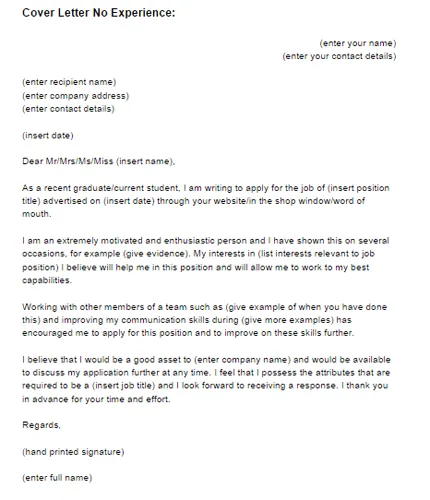
Every cover letter should have a clear structure. Start with an introduction, stating the position you are applying for and why you are interested. Next, the body of the letter should highlight your skills and experiences, with detailed examples to support your qualifications. In this section, emphasize your transferable skills, showcase any relevant projects, and explain why you’re interested in the company. Make sure to demonstrate how your qualifications align with the job requirements. Then, the final section should include a concluding paragraph, reiterating your interest and expressing gratitude for their time. Make sure your closing includes a clear call to action, such as requesting an interview and providing your contact information. Use a professional font, clear formatting, and adequate spacing to enhance readability.
Writing a Compelling Body Paragraph
The body paragraphs are where you sell yourself to the hiring manager. This is where you provide detailed examples of your skills and experiences. Each paragraph should focus on a specific skill or accomplishment. Use the STAR method to structure your paragraphs: Situation, Task, Action, and Result. Describe the situation, the task you were responsible for, the actions you took, and the results you achieved. This helps the reader visualize your abilities and understand the impact you can make. The body paragraphs should also demonstrate your enthusiasm for the company and the role. Include information that shows your understanding of the company’s mission, values, and goals. Demonstrate how your skills align with the requirements. Finally, connect your achievements to the company’s objectives.
Quantifying Accomplishments and Skills
Quantifying your accomplishments and skills makes your cover letter more impactful and persuasive. Whenever possible, use numbers and metrics to demonstrate the results you achieved. Instead of saying “Improved team communication,” try “Improved team communication, resulting in a 15% increase in project efficiency.” Instead of saying “Managed social media accounts,” say “Managed social media accounts, resulting in a 20% increase in followers and a 10% rise in engagement.” These specific examples make your claims more credible and show the value you bring to the table. Think about what you achieved in previous roles, projects, or activities. Use numbers, percentages, and statistics to illustrate your achievements and the impact you made. Quantifying your achievements gives the reader a clear picture of your capabilities and the results you can deliver.
Demonstrating Enthusiasm and Fit

It’s crucial to express your enthusiasm for the company and the role. Your cover letter is an opportunity to demonstrate that you’re genuinely excited about the opportunity. Conduct thorough research on the company and the specific role you are applying for. Show that you understand the company’s mission, values, and goals. In your cover letter, explain why you are interested in the company. Highlight how your skills and experiences align with the job requirements. Tailor your cover letter to reflect the company’s culture and values. Mention any specific projects or initiatives that resonate with you. Demonstrate a good understanding of the role and the responsibilities involved. Show your willingness to learn and contribute to the company’s success. Genuine enthusiasm can help you stand out.
Creating a Powerful Closing Statement
The closing statement is your last chance to leave a lasting impression. It should be brief, confident, and reiterate your interest in the position. Thank the hiring manager for their time and consideration. Reiterate your enthusiasm and highlight why you are a good fit. Include a call to action, such as requesting an interview or inviting them to contact you. Always end your cover letter on a positive note. Avoid common phrases like “Thank you for your time” and instead, use more impactful wording. Tailor your closing to the company’s culture and the specific role. It will leave a lasting impression and increase your chances of getting an interview.
Expressing Interest and Gratitude
A compelling closing is an opportunity to express your genuine interest and gratitude. Thank the hiring manager for their time and consideration. Reiterate your enthusiasm for the opportunity and the company. Express your confidence that you are a strong candidate. Include a call to action to request an interview or follow-up. You can also provide your contact information again to ensure easy access. Keep your tone positive and professional. Avoid generic phrases, and instead, tailor your closing to the specific role and company. End with a concise and memorable statement. This closing should leave the hiring manager with a positive impression and motivate them to take the next step.
Proofreading and Formatting Your Cover Letter

Proofreading and formatting are essential for your cover letter. Proofreading ensures your letter is free from errors, which can damage your credibility. Carefully review your cover letter for any grammatical, spelling, or punctuation errors. Use a spell checker and grammar checker, but also read your letter multiple times. Ask a friend or family member to review it. Formatting plays a crucial role in making your cover letter visually appealing and easy to read. Choose a professional font, such as Times New Roman or Arial, and keep the font size between 10 and 12 points. Use clear spacing between paragraphs and sections, and make sure the margins are consistent. Use a professional heading that includes your contact information and the date. Proofreading and formatting show that you pay attention to detail and that you are committed to presenting your best self to the employer. This will help you get noticed.
Ensuring Clarity and Professionalism
Ensure your cover letter is clear and professional. Use concise and straightforward language to convey your message effectively. Avoid using jargon, slang, or overly complex sentence structures. Keep your tone professional and respectful. Address the hiring manager by name, if possible. Tailor your language to the specific job and company. Use action verbs to describe your skills and accomplishments. Proofread your cover letter carefully for errors in grammar, spelling, and punctuation. Use a professional font and formatting to make your cover letter easy to read. Maintain a positive and enthusiastic tone. A clear and professional cover letter showcases your writing skills, attention to detail, and ability to communicate effectively.
Formatting for Readability
Formatting plays a vital role in the readability of your cover letter. Use a professional font, such as Times New Roman or Arial, and maintain a consistent font size between 10 and 12 points. Use clear spacing between paragraphs and sections. Make use of bullet points to highlight your key skills and accomplishments, making your letter easier to scan. Keep your paragraphs concise. Avoid writing long, dense blocks of text that can discourage the hiring manager from reading your letter. Use a professional heading that includes your name, contact information, and the date. Ensure consistent margins throughout the document, and always proofread your document for any errors. A well-formatted cover letter shows that you value the reader’s time and care about making a good impression.
Reviewing and Refining Your Letter

Reviewing and refining your cover letter is a crucial step in the job application process. It helps you to ensure that your letter is polished, error-free, and presents you in the best possible light. After you have written your cover letter, set it aside for a while, then read it with fresh eyes. Check for any grammatical errors, spelling mistakes, and punctuation issues. Make sure your sentences are clear and concise, and that your tone is professional and enthusiastic. Ensure that your letter is tailored to the specific job and company, and that it highlights your relevant skills and experiences. Review your letter multiple times and, if possible, have a trusted friend, family member, or career counselor review it. Make changes to improve clarity, flow, and impact. A well-reviewed and refined cover letter will significantly improve your chances of securing an interview.