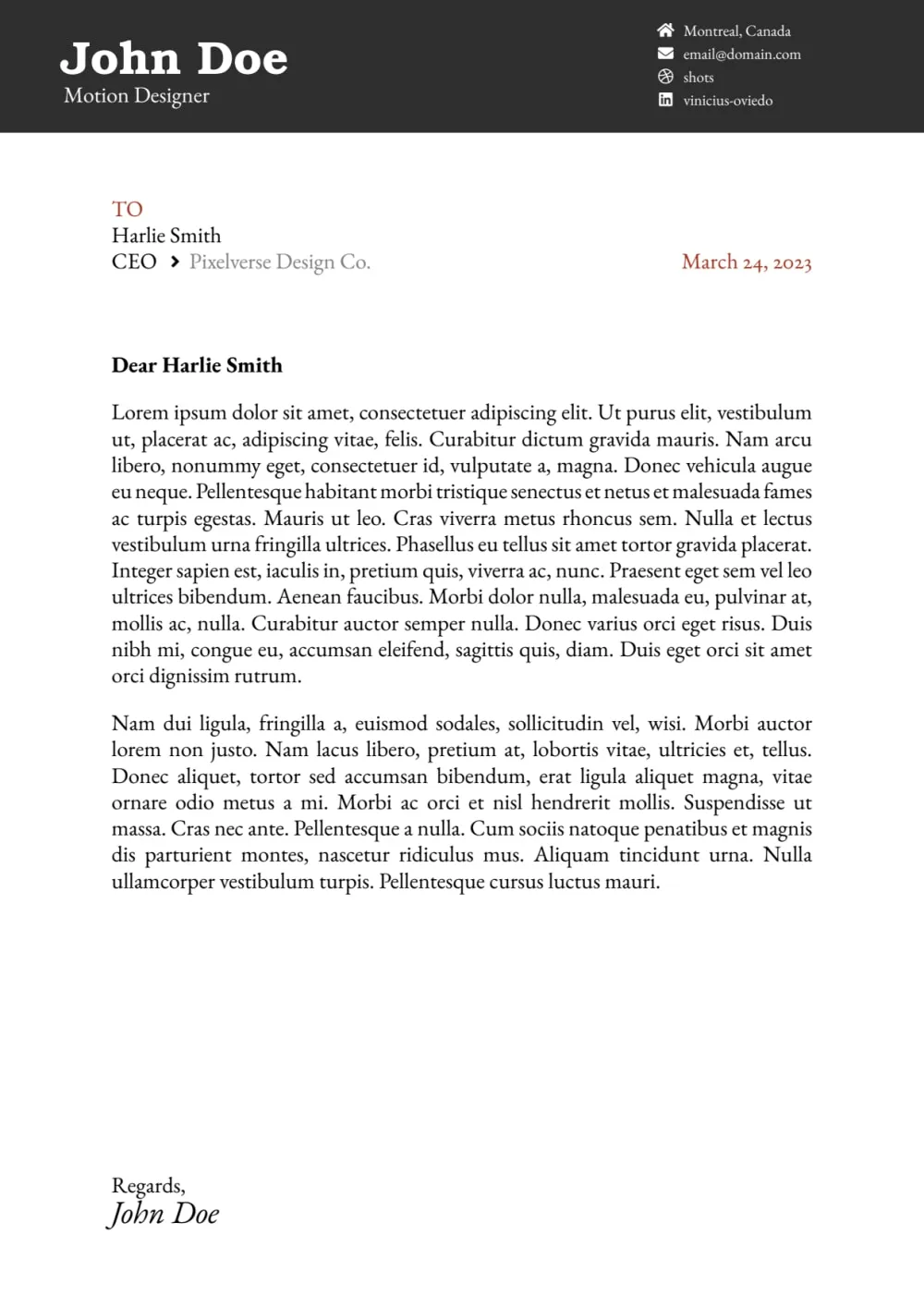
Understanding the Academic Cover Letter
An academic cover letter is more than just a formality it’s your first impression. Unlike cover letters for industry jobs, those for academic positions must be tailored to showcase your research, teaching, and overall fit within the specific department and university. The goal is to persuade the hiring committee you’re the ideal candidate. It is a document that conveys your professional narrative, highlighting your skills, experiences, and aspirations in a way that complements your curriculum vitae (CV). A well-crafted cover letter will provide context, demonstrate your enthusiasm, and signal your understanding of the position and the institution’s values. Remember this letter is your chance to make a strong positive first impression. It is important to demonstrate that you are not only qualified but also a great fit for the university’s environment. Therefore, take the time to carefully craft it.
Key Components of an Academic Cover Letter
A compelling academic cover letter should include several key components, each designed to highlight a different aspect of your qualifications and suitability. Start with a professional salutation, addressing the hiring committee or the specific search committee chair if possible. Next, provide a brief introduction that clearly states the position you’re applying for and where you found the advertisement. The main body of your letter should delve into your research experience, teaching philosophy, and relevant skills, providing specific examples and evidence to support your claims. Always mention your publications, conference presentations, and any awards or grants you’ve received. The closing paragraph must re-iterate your interest in the position, express gratitude for their time, and include your contact information.
Contact Information and Salutation

Begin your cover letter with your contact information (name, address, phone number, and email) at the top left or right corner of the page. Following this, address the letter to the hiring committee or the specific person named in the job advertisement. If a name isn’t provided, research the department’s website to find the search committee chair’s name. Use a formal salutation, such as “Dear Professor [Last Name]” or “Dear Search Committee.” This level of detail shows you’ve taken the time to research the position and personalize your application. Always avoid generic greetings like ‘To Whom It May Concern’. Correct formatting sets the tone for the rest of the letter. It tells the committee you pay attention to detail and understand academic protocol. Also, this demonstrates that you have respect for their time and the application process.
Highlighting Your Research and Experience
Your research is a key component. Highlight your research experience, including your dissertation or major projects. Briefly summarize your research interests, methodology, and significant findings. Emphasize the impact and relevance of your work, demonstrating how it contributes to your field. Use specific examples and data to support your claims. If the position requires a specific research area, tailor your descriptions to highlight your relevant experience and expertise. Make sure your language is accessible to a broad audience. Even if they are experts, academic departments have people with varying levels of knowledge on your specific research topic. Always show a clear connection between your research and the advertised position. Always quantify your achievements whenever possible, providing clear evidence to showcase your accomplishments.
Presenting Your Teaching Philosophy
A well-articulated teaching philosophy is critical. Clearly state your teaching philosophy and approach to education. Describe your teaching methods, your classroom management style, and your ability to engage students. Provide examples of how you’ve successfully taught courses in the past, highlighting your ability to create an inclusive and stimulating learning environment. If the position requires teaching, provide evidence of your teaching experience. Consider the specific teaching requirements of the position and address them directly in your cover letter. The aim is to convey your ability to inspire students, manage a classroom effectively, and foster a love for learning. Be specific and provide evidence of your accomplishments in the classroom. Showing examples of past success can make the difference in landing your dream job.
Demonstrating Your Fit for the Position

Show that you understand the department’s needs and the university’s mission. Research the institution and the department to understand their values, strategic goals, and recent achievements. Then, connect your skills and experience to their needs. Clearly articulate how your research and teaching align with their strategic goals and describe how you can contribute to the department’s success. Showcase your interest in the position and the institution, highlighting what specifically attracts you to this role and the university. Address the specific requirements of the job posting, making sure your qualifications meet the listed criteria. Show your interest in the university’s research focus, teaching values, and community involvement.
Showcasing Your Publications and Achievements
List your publications, presentations, and any awards or grants you’ve received. Use a consistent citation style and organize the list logically (e.g., by publication type or date). Highlight publications most relevant to the position and the department’s research interests. Mention any significant awards, fellowships, or grants you’ve received. Quantify the impact of your work whenever possible, providing metrics such as citation counts, impact factors, or the success of your grant proposals. Tailor your list to emphasize achievements relevant to the position and department. Prioritize accomplishments that demonstrate your ability to conduct high-quality research and contribute to the academic community.
Formatting and Style Guidelines
Use a professional, easy-to-read font like Times New Roman or Arial, with a font size of 11 or 12 points. Maintain consistent formatting throughout your cover letter. Use single spacing with a blank line between paragraphs. Keep your cover letter concise, ideally within one to two pages. Use clear and concise language, avoiding jargon. Proofread carefully for grammar, spelling, and punctuation errors. Make sure to use the appropriate format for your cover letter, and if the job posting requires specific templates, use it to show attention to detail.
Proofreading and Finalizing Your Cover Letter

Proofread your cover letter meticulously. Check for any grammatical errors, spelling mistakes, or formatting inconsistencies. Have a friend or colleague review your cover letter to catch any errors you might have missed. Make sure all your information is accurate and up-to-date. Double-check the job posting to ensure you’ve met all the requirements. Ensure all the attachments are included and properly formatted. Be sure to save your document in a professional format, such as PDF, to ensure consistent viewing across different platforms. A well-proofread cover letter demonstrates your attention to detail and professionalism, and will help you make a positive first impression.
In conclusion, crafting a stellar academic cover letter requires thoughtful planning, thorough research, and careful execution. By understanding the key components of an academic cover letter, tailoring your letter to each specific position, and meticulously proofreading your work, you can significantly increase your chances of landing your dream job. Remember, your cover letter is a crucial opportunity to make a strong first impression and showcase your potential as a valuable member of the academic community. Good luck with your applications!