Cover Letter Basics
A cover letter is a crucial document that accompanies your resume when applying for a job. It serves as your first introduction to a potential employer, allowing you to highlight your skills, experiences, and enthusiasm for the position. Even if you lack direct job experience, a well-crafted cover letter can significantly increase your chances of getting noticed. It’s your opportunity to tell a story, demonstrating why you’re a great fit and how your abilities align with the role’s requirements. This guide provides a comprehensive approach to composing a compelling cover letter, even when you’re just starting your career journey.
Cover Letter Structure
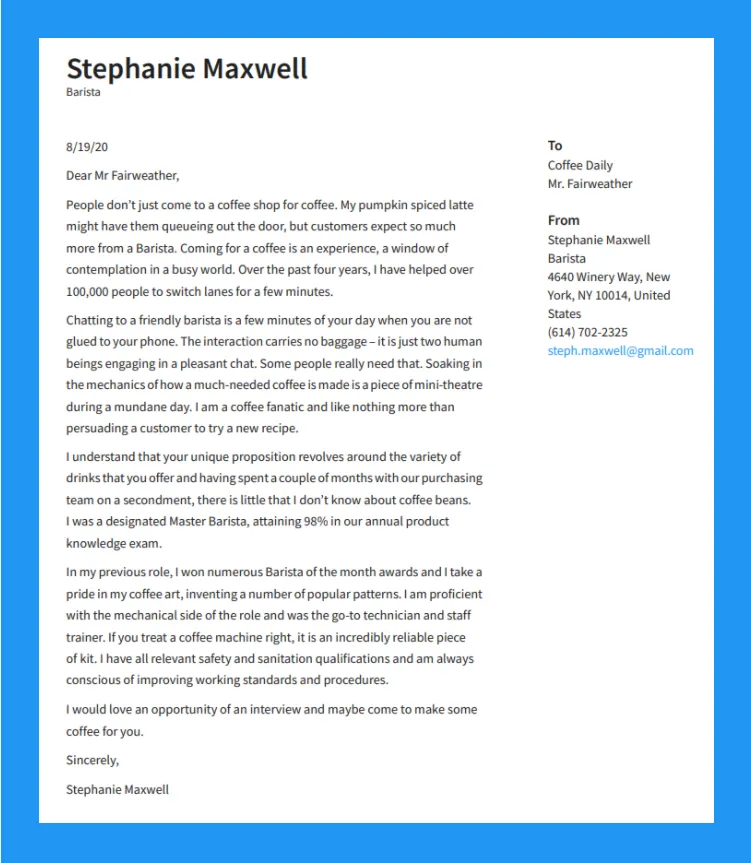
A cover letter should follow a standard format to ensure clarity and professionalism. A well-structured letter is easy to read and allows the hiring manager to quickly grasp the key information. Adhering to a logical layout not only enhances the readability but also reflects your organizational skills, a valuable trait for any job. Below is a breakdown of the essential components of a cover letter, each serving a specific purpose in communicating your qualifications and suitability for the role.
Contact Information

Start with your contact information at the top of the letter. This typically includes your full name, address, phone number, and email address. Ensure your email address is professional-sounding. Using a clear and easy-to-read format allows the employer to easily reach you. Double-check that your contact information is up-to-date and accurate to prevent any missed opportunities due to incorrect details. This ensures they can easily contact you for the next steps.
Date
Below your contact information, include the date you are writing the letter. This helps the employer know when you applied. Proper dating is crucial in any business or professional setting, as it provides a clear timeline for the application process. Formatting the date correctly enhances the professional appearance of your letter and reflects your attention to detail.
Recipient’s Information
Address the letter to the hiring manager, if possible. Research the company’s website or LinkedIn to find the name and title of the person responsible for hiring. If you cannot find a specific name, use a general salutation such as ‘Dear Hiring Manager’. Addressing the letter to a specific individual shows initiative and attention to detail. It makes your application more personal and demonstrates your genuine interest in the role and the company.
Salutation

Begin your cover letter with a formal salutation. ‘Dear Mr./Ms. [Last Name]’ is appropriate if you know the hiring manager’s name. If you don’t know the name, use ‘Dear Hiring Manager’. Avoid informal greetings like ‘Hi’. A professional salutation sets the tone for your letter and shows respect. It is a key element of a well-structured cover letter and reflects your understanding of professional etiquette.
Body Paragraph 1 Why You’re Applying
Start by stating the specific position you’re applying for and where you found the job posting. Then, express your enthusiasm for the role and the company. Explain why you’re interested and what excites you about this opportunity. Show that you’ve researched the company and understand its mission, values, and products or services. Demonstrate your understanding of how your skills and aspirations align with the company’s needs and goals. Make sure your introduction is engaging and captures the reader’s attention immediately.
Body Paragraph 2 Show Your Skills
This is where you highlight your skills and how they relate to the job requirements. Even without direct job experience, you can showcase transferable skills gained from other experiences like volunteer work, academic projects, extracurricular activities, or personal projects. Provide specific examples of how you have used these skills to achieve results. Quantify your accomplishments whenever possible to demonstrate your capabilities and impact. This section helps the employer see how your abilities can be applied in the workplace.
Highlight Transferable Skills

Transferable skills are abilities that can be used in various jobs and industries. Examples include communication, teamwork, problem-solving, time management, leadership, and adaptability. Identify the skills most relevant to the job you’re applying for and provide examples of how you’ve demonstrated them in other settings. Show the employer that you can bring value to the company, even without previous experience in the same role. Emphasize these skills to increase the chances of a positive response.
Showcase Projects & Accomplishments
If you lack professional experience, use this section to highlight projects, academic accomplishments, volunteer work, or personal achievements that showcase your abilities. Describe the projects in detail, explaining your role, the skills you used, and the results you achieved. If you’ve received any awards or recognition, be sure to mention them. Demonstrate that you are capable and eager to learn and contribute to the company. Ensure your achievements are relevant and illustrate your potential to succeed in the job.
Body Paragraph 3 Express Enthusiasm
Reiterate your enthusiasm for the position and the company. Explain why you are a good fit and what you hope to achieve in this role. Show that you have researched the company’s mission and values and that you genuinely want to be part of the team. This is the final opportunity to persuade the employer that you are the best candidate. Be confident, sincere, and passionate about the opportunity. Your enthusiasm can make a strong impression and help you stand out from other candidates.
Closing Paragraph

In the closing paragraph, express your gratitude for the hiring manager’s time and consideration. Reiterate your interest in the position and your eagerness to discuss your qualifications further in an interview. Provide a call to action, encouraging the hiring manager to contact you. Keep the closing brief and professional, but make sure to express your anticipation for the next steps. End by reiterating your enthusiasm and availability for an interview.
Formal Closing
Use a formal closing like ‘Sincerely’ or ‘Best regards’ before your signature. This maintains the professional tone of your cover letter. Avoid informal closings like ‘Thanks’ or ‘Cheers’. A formal closing shows that you have the appropriate understanding of professional etiquette. The closing should be concise and appropriate for a job application.
Signature
If you are submitting a digital copy, type your full name below the closing. If you are printing the cover letter, leave space for your handwritten signature between the closing and your typed name. A signature adds a personal touch, making your application more distinctive and showing that you care about attention to detail.
Formatting & Design Tips

The formatting and design of your cover letter are just as important as the content. A well-formatted letter is easy to read and leaves a positive impression. Choose a professional font, use appropriate spacing, and ensure your letter is free from errors. Good formatting showcases your attention to detail and commitment to professionalism. This can significantly increase your chances of getting noticed.
Font Selection
Select a professional and easy-to-read font, such as Times New Roman, Arial, Calibri, or Helvetica. Use a font size between 10 and 12 points. Avoid using overly decorative or informal fonts. A standard font choice ensures your cover letter looks clean and readable. Ensure your font choice is consistent throughout the document. The formatting of your letter speaks volumes about your communication skills.
File Format
Save your cover letter as a PDF file unless the job posting specifically asks for a different format, such as a Word document. A PDF preserves the formatting and layout of your document, ensuring that it looks the same on any computer or device. Submitting a PDF file prevents any formatting errors that might occur if the recipient opens the document on a different platform. A PDF format reflects your commitment to presentation standards.
Proofreading is Key

Carefully proofread your cover letter for any grammatical errors, spelling mistakes, or typos. A well-written letter with no errors shows that you pay attention to detail and take pride in your work. Ask a friend or family member to review your cover letter for a second opinion. A polished cover letter is a testament to your professionalism, and it increases your chances of making a positive impression.
Tailoring to the Specific Job
Avoid using a generic cover letter. Customize each letter to the specific job you’re applying for. Review the job description carefully and highlight the skills and experiences most relevant to the position. Show the employer that you understand their needs and have tailored your letter to meet them. Customization demonstrates your commitment and attention to detail, enhancing your chances of getting selected for an interview. Tailoring your letter shows that you are genuinely interested in the opportunity.
Research the Company
Research the company to understand its mission, values, and culture. Mention the company’s values, recent projects, or initiatives to show that you’ve done your homework. Customizing your letter this way demonstrates your genuine interest and provides a good reason for you to want to work there. Researching helps you write an engaging letter, which can help you stand out from the competition.
Use Keywords From the Job Description

Incorporate keywords and phrases from the job description into your cover letter. This helps the hiring manager quickly identify how your skills and experience align with the role’s requirements. Using relevant keywords can also help your application pass through applicant tracking systems (ATS). Using the correct keywords can increase your chances of your cover letter being seen. Use words that accurately reflect your qualifications.
Final Checklist
Before submitting your cover letter, review the final checklist to ensure that everything is correct and presentable. This will guarantee that the letter is free of mistakes and is customized to fit the job. Use the list below for checking your work and submit with confidence.
- Proofread the cover letter for errors.
- Ensure the contact information is accurate and up-to-date.
- Customize the cover letter to the specific job.
- Highlight relevant skills and experiences.
- Showcase your enthusiasm for the position and the company.
- Use a professional font and format.
- Save the cover letter as a PDF file.
- Double-check the recipient’s information.